


Antique Table with Storage
When you handle an antique table with storage, you hold pieces that merge a sturdy surface with clever compartments designed to keep domestic clutter out of sight.
Antique Table with Storage
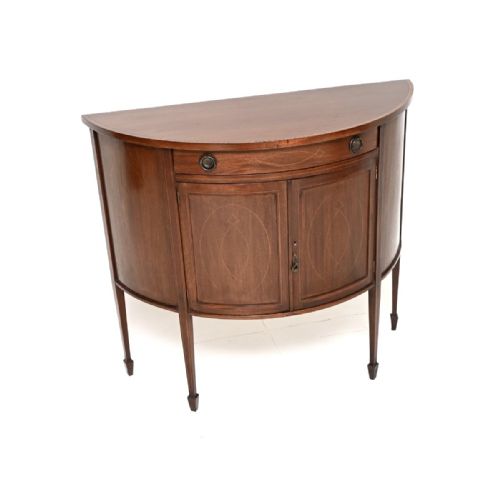
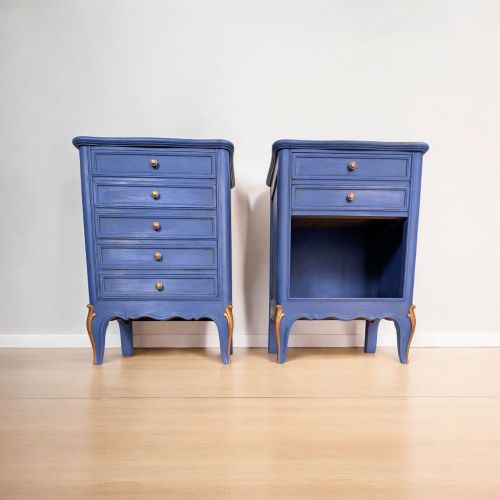
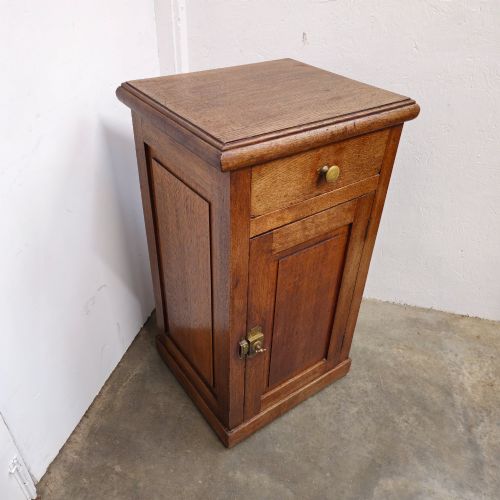
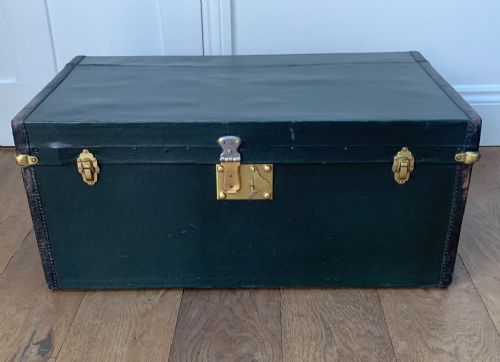
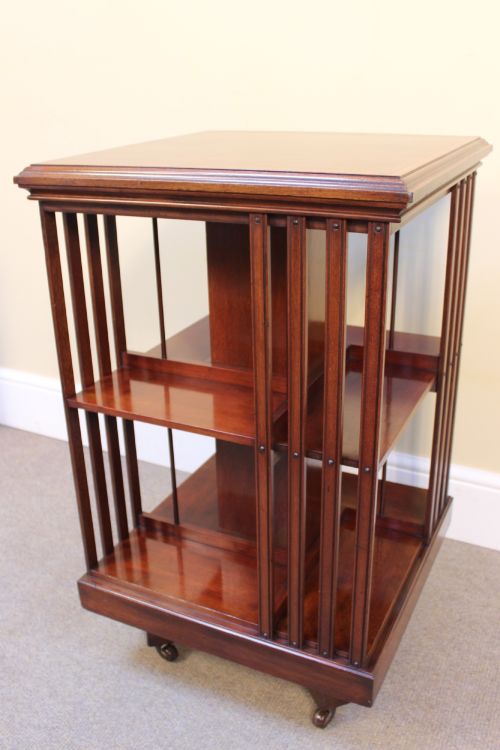
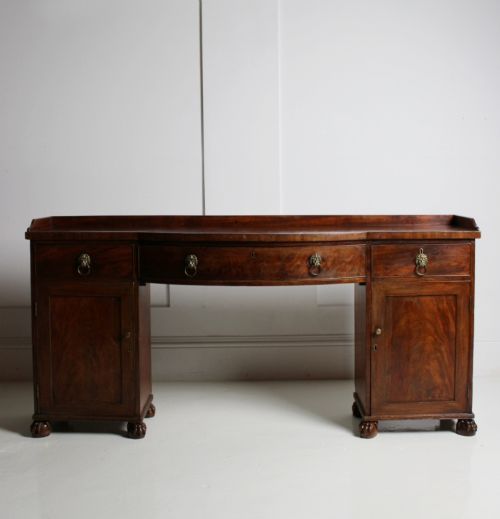
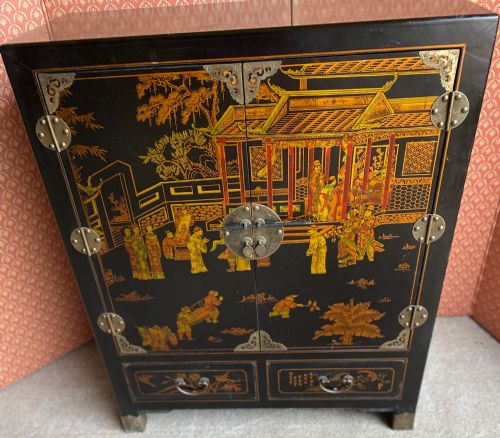
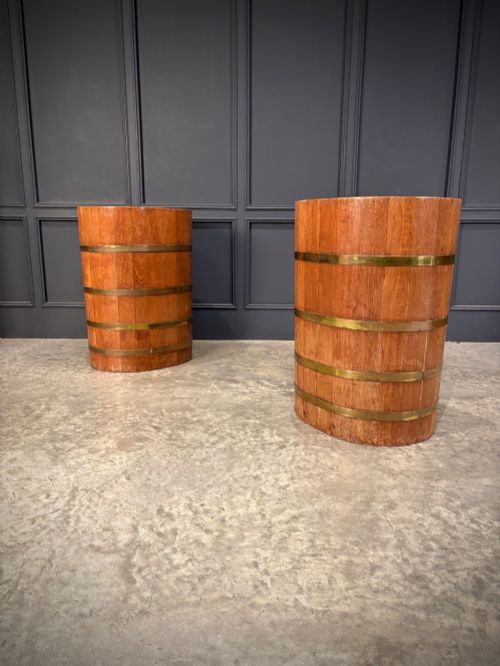
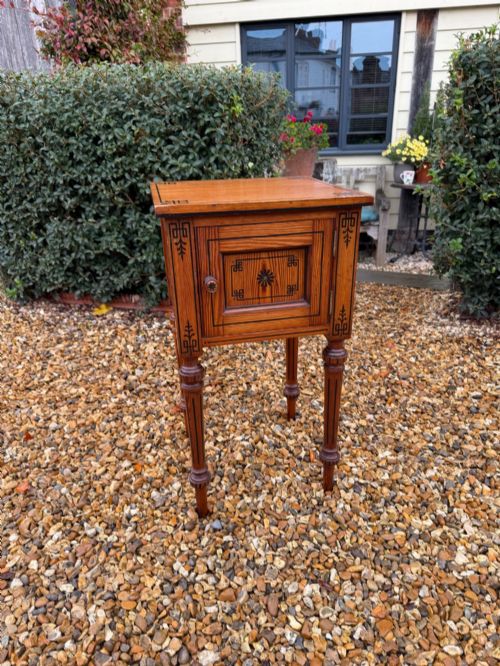
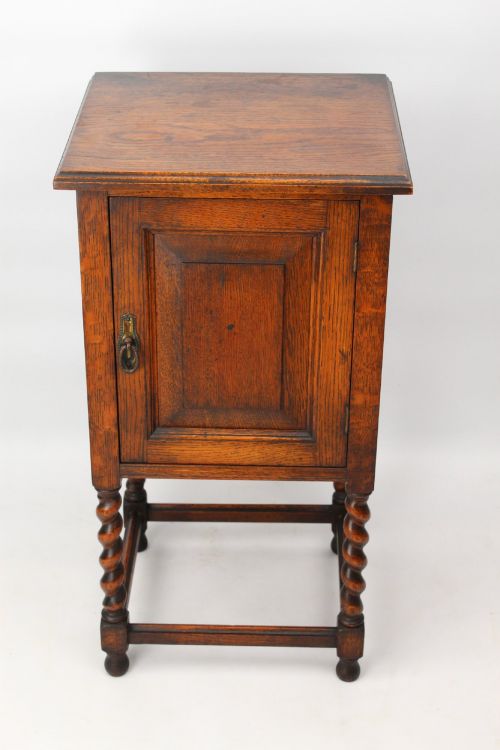
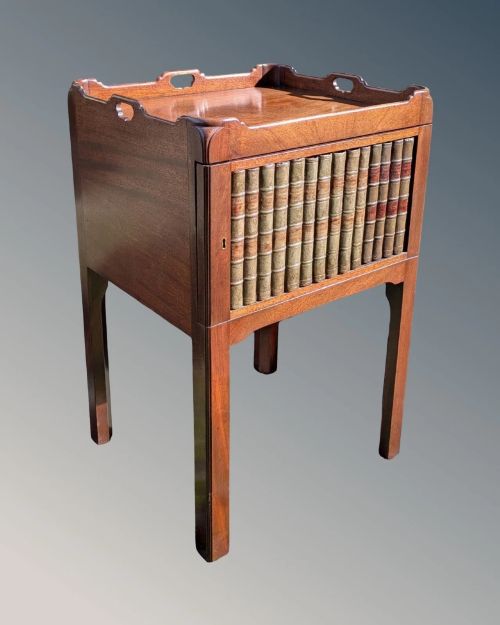
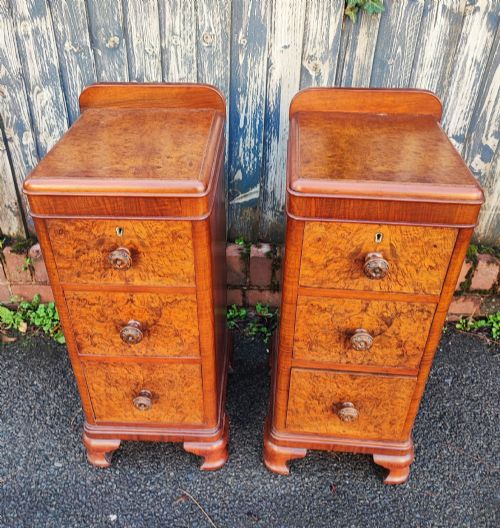
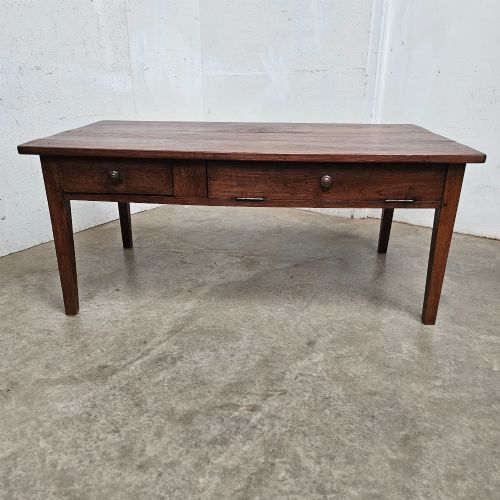
An antique table with storage combines the daily utility of a flat wooden surface with concealed compartments, drawers, or lift-up lids. These items serve multiple rooms, functioning as hall seats, side tables, dressing chests, and dresser bases across various domestic settings.
The selections span several centuries and styles, including Georgian, Victorian, Edwardian, and Arts & Crafts periods. Oak and mahogany dominate the material list, accompanied by walnut, pine, elm, and rosewood.
Buyers most frequently encounter Victorian and Edwardian examples alongside Georgian dresser bases and 19th-century occasional tables. Many incorporate clever design elements such as fold-over tops, secret drawers, and lift-up seats.
How these pieces were made
Cabinet makers relied primarily on solid timbers like oak, mahogany, walnut, and pine for structural integrity. Selected woods were frequently carved, waxed, or polished to emphasise natural grain patterns.
Functional hardware such as brass handles, iron hasps, glass mirrors, and marble tops were integrated to enhance both utility and visual appeal. Joinery techniques varied from dovetail drawers to pinned mortise and tenon frames, ensuring durability across decades of use.
Antique Table with Storage Retail Price Guide 2026
Typical asking prices for table with storage among the pieces listed under this phrase on Sellingantiques today, from the lower quarter to the upper quarter. They describe what is for sale here now, not the wider market.
Several pieces conceal tiny hidden compartments designed for secret letters and valuables.
What varies in quality
Quality rests on the selection of timber and the precision of the cabinet work. Dense, richly figured mahogany and well-figured oak indicate superior material choices compared to utility pine.
Shapland & Petter·Walker & Hall
The Antique Table with Storage Glossary
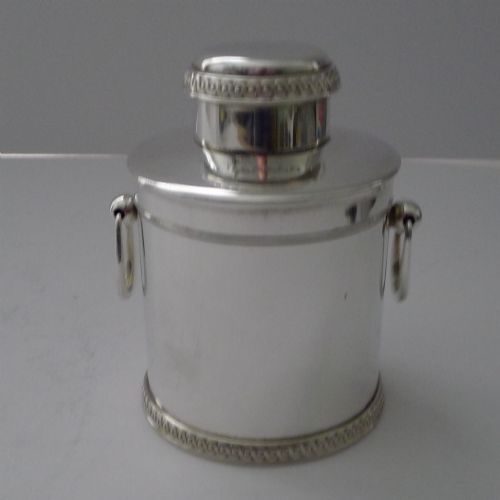
- Teapoy
- A small box or chest mounted on a central pillar, originally designed to store expensive loose tea leaves safely under lock and key.
- Canterbury
- A low, freestanding rack divided into partitions for holding sheet music, newspapers, or magazines, often fitted with a small drawer below.
- Dresser base
- A long, low wooden cabinet featuring drawers or cupboards beneath a wide top surface, traditionally used in kitchens and dining rooms for serving and storage.
- Bible box
- A small, sloped wooden chest with a hinged lid, historically utilised for storing religious texts and writing materials securely.
Antique Table with Storage: Frequently Asked Questions
How were these tables used originally?
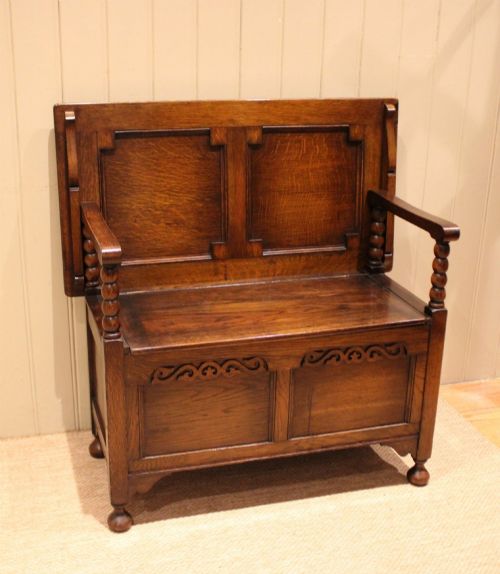
Their roles varied widely depending on the specific form and room. Tea tables and teapoys secured precious dry goods, whilst hall benches and monks seats provided seating alongside storage for boots or linens.
In bedrooms and dressing areas, tables with drawers and swing mirrors organised daily garments and personal accessories. Dresser bases stored kitchenware and cutlery for household service.
How do I live with one today?
They fit naturally into modern hallways, living rooms, and bedrooms as functional focal points. A side table with a concealed compartment holds remotes and small items out of sight.
Larger dresser bases and blanket boxes serve as practical storage solutions in contemporary dining spaces or bedrooms while adding period character to the room.
How do I tell different periods apart?
Georgian pieces generally showcase clean lines in mahogany or oak with traditional joinery, whilst Victorian items often feature heavier carvings, walnut veneers, and darker finishes. Edwardian examples tend to be lighter in scale.
Materials and hardware offer further clues, as brass handles, marble inserts, and specific locking mechanisms align with the manufacturing trends of their respective decades.