
Antique Table with Leaves
An antique table with leaves provides flexible space through drop-flaps, pull-out extensions, or removable extra sections.
Antique Table with Leaves
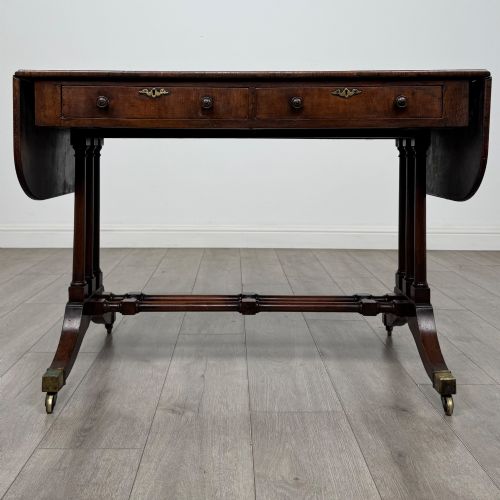
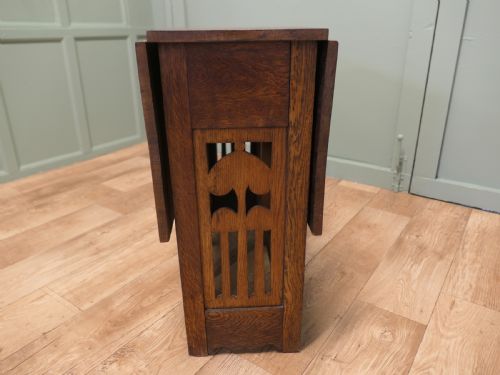
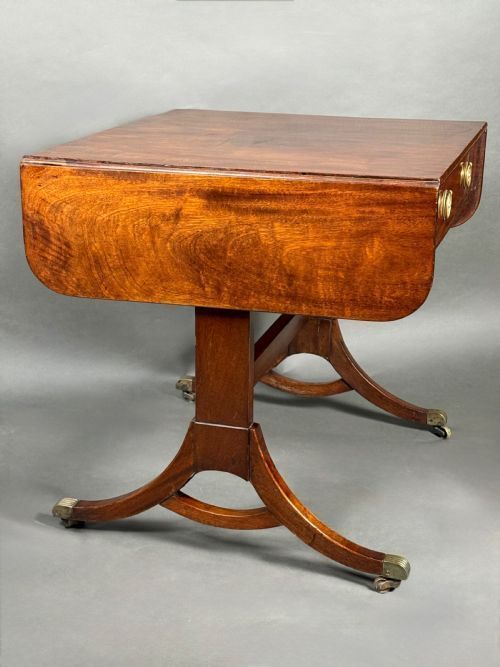
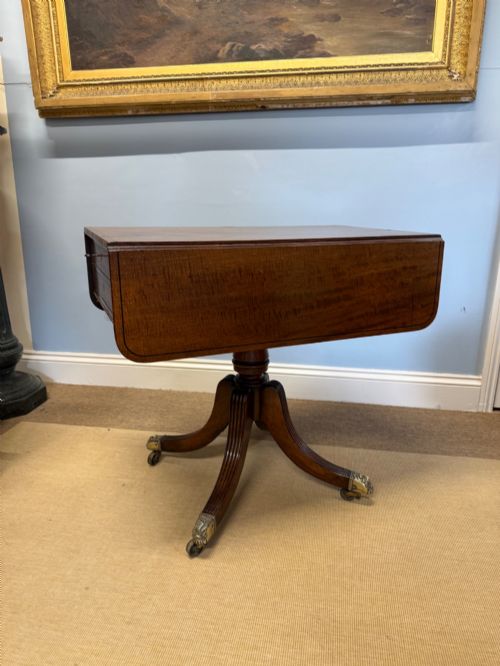
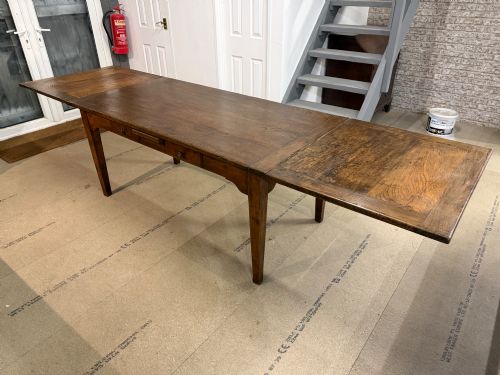
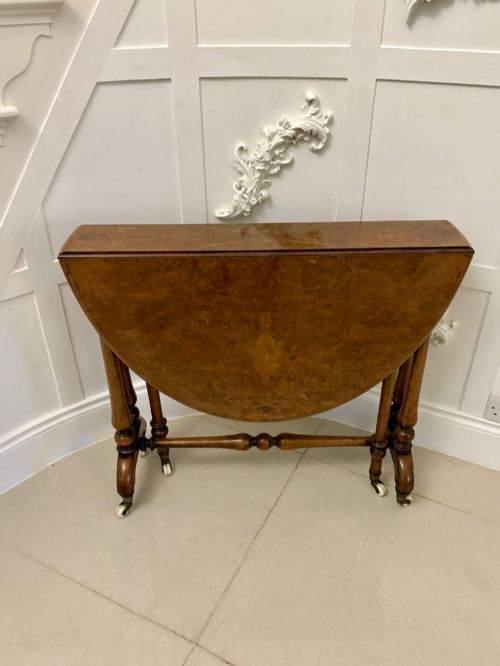
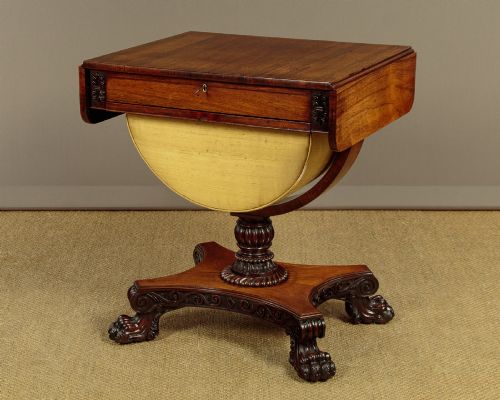
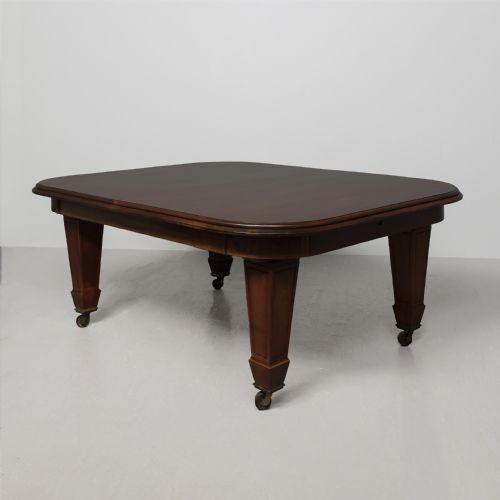
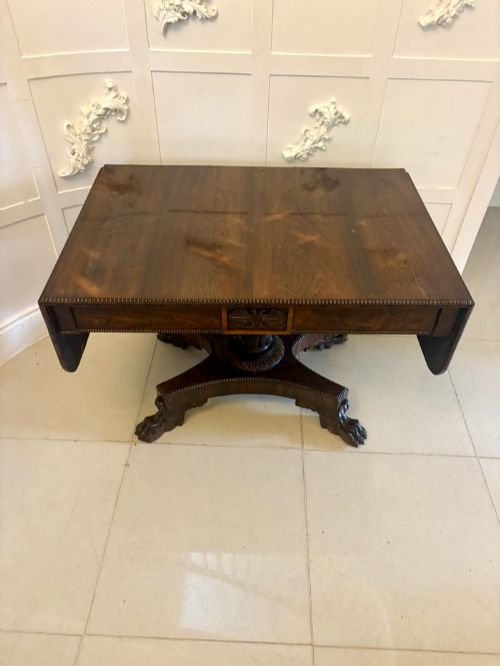
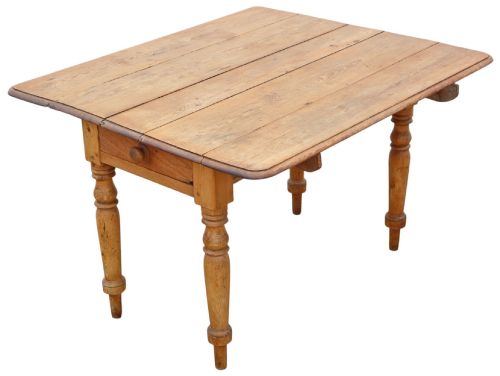
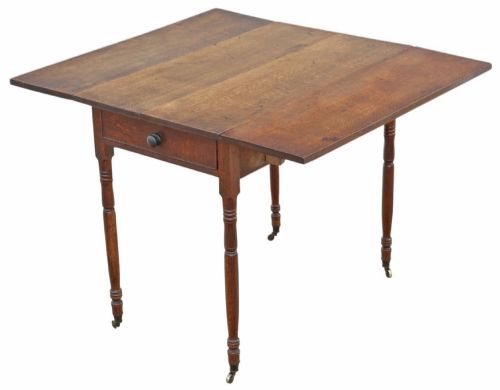
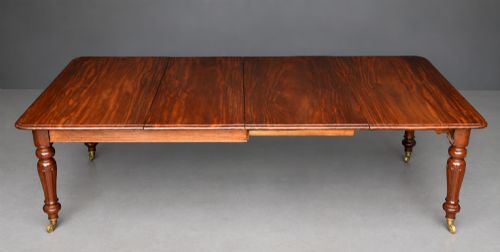
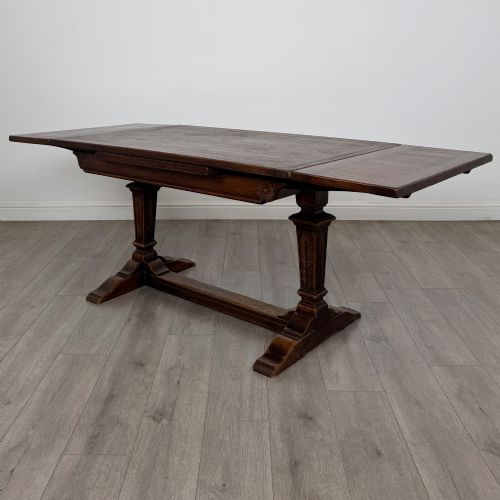
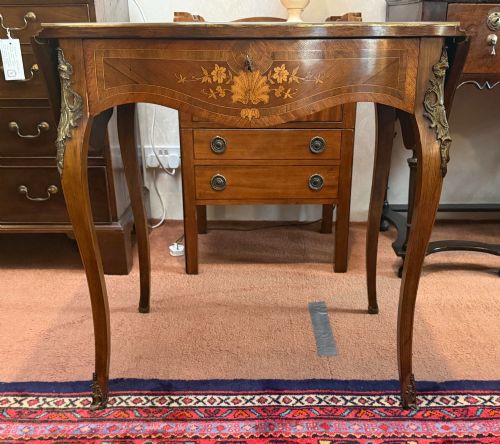
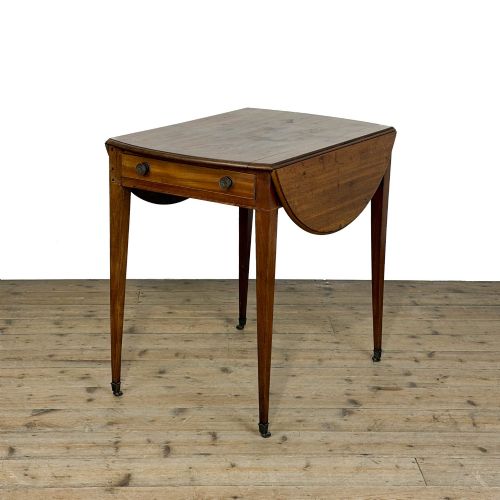
An antique table with leaves encompasses a broad variety of domestic furniture designed to expand when hosting and contract for everyday room. The selection spans formal dining tables with extra insertable leaves, gateleg and drop-leaf tables with hinged flaps, and smaller sofa, Pembroke, or writing tables with side leaves.
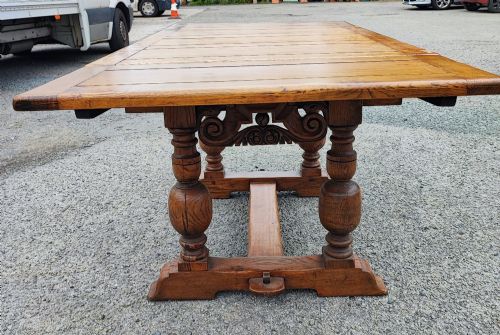
Dining pieces dominate the offerings, originating from the Georgian, Regency, and Victorian eras through to Edwardian and later revival periods. Buyers frequently encounter mahogany dining tables with multiple removable leaves alongside oak gateleg tables dating back to earlier centuries.
Materials and Construction
Cabinetmakers relied heavily on timber such as solid or veneered mahogany, oak, walnut, and pine, frequently accentuating surfaces with cross-banding, inlay, or polished patinas. Structural integrity depended on sturdy framing, from twin pedestals and gatelegs to baluster turnings and brass castors.
Extension mechanisms varied by period, utilising winding screws, sliding rails, drop-flap hinges, or folding actions to support the additional leaves safely.
Object forms range from massive fourteen-seater dining tables with multiple original leaves down to miniature burr walnut Sutherland tables and compact corner tables.
Standards of Execution
Quality rests in the selection of figured timber veneers, the matching of grain across added leaves, and the precision of the joinery where leaves meet the main top. Superior pieces maintain smooth mechanical action in their wind-out systems or drop-leaf hinges without sagging or misalignment when fully extended.
Refinement shows in secondary woods, hand-cut dovetails within drawers, and the retention of original brass fittings, winding handles, or dedicated leaf holders.
William and Gibton·Johnstone and Jeanes·James Garvie and Sons
The Antique Table with Leaves Glossary
- Gateleg table
- A drop-leaf table with hinged legs that swing outward to support the raised flaps. This design gained popularity in the seventeenth century for its space-saving versatility.
- Pembroke table
- A small rectangular table featuring two hinged drop leaves on opposing sides and usually a single drawer. It originated in the eighteenth century as a breakfast or occasional writing table.
- Wind-out table
- An extending dining table operated by a mechanical handle and internal screw mechanism. Turning the winder separates the top halves to insert additional leaves.
- Sofa table
- A narrow, elongated table designed to stand in front of a sofa, equipped with drop-leaves at either end. These pieces often feature two small drawers and trestle or pillar supports.
- Cross-banding
- A decorative border of veneer laid around the edge of a table top with the grain running perpendicular to the centre panel. This technique frames the primary wood.
Antique Table with Leaves: Frequently Asked Questions
How do wind-out dining tables operate?
These tables utilise an internal metal screw mechanism operated by a removable crank handle. Turning the handle drives the framework apart to create a gap for extra leaves.
Once the leaves are dropped into place, the winder turns in reverse to lock the top tightly together.
Where were drop-leaf tables used?
Drop-leaf tables served multipurpose roles in kitchens, parlours, and dining rooms where floor space shifted throughout the day. Dropping the flaps allowed the furniture to sit flat against a wall when not in use.
Raising the leaves created a stable surface for dining, writing, or food preparation.
How do I care for antique wood leaves?
Store extra leaves in a dry environment with stable temperature and humidity to prevent warping or shrinkage. Keeping them near heat sources or in damp spaces damages the timber and prevents proper alignment.
Maintain finished surfaces with appropriate wax rather than silicone sprays to preserve the historical patina.
How do I distinguish between periods?
Earlier pieces from the seventeenth and eighteenth centuries often feature oak construction with gateleg actions and turned baluster supports. Regency and Victorian examples typically showcase mahogany or walnut with pillar pedestals or reeded legs.
Edwardian and later revival items frequently incorporate lighter inlay work and mechanical draw-leaf extensions.