

Antique Table with Flaps
An antique table with flaps provides clever surface versatility through drop leaves, offering compact utility when folded and expanded space when needed.
Antique Table with Flaps
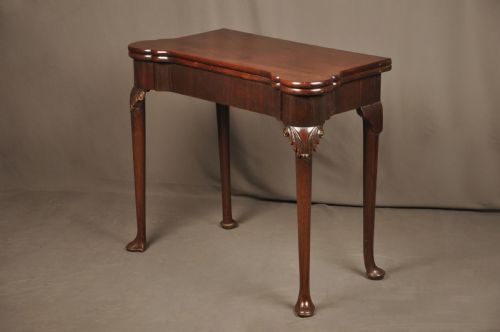
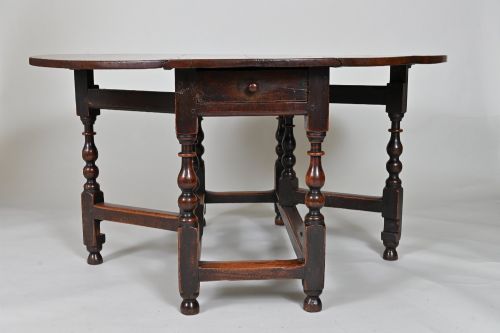
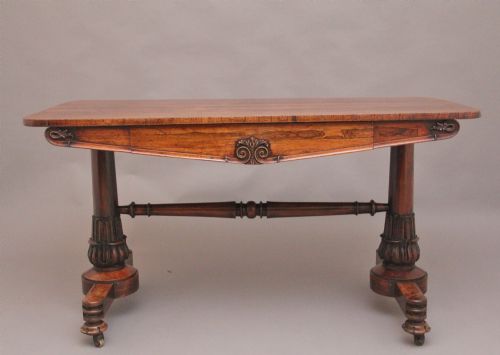
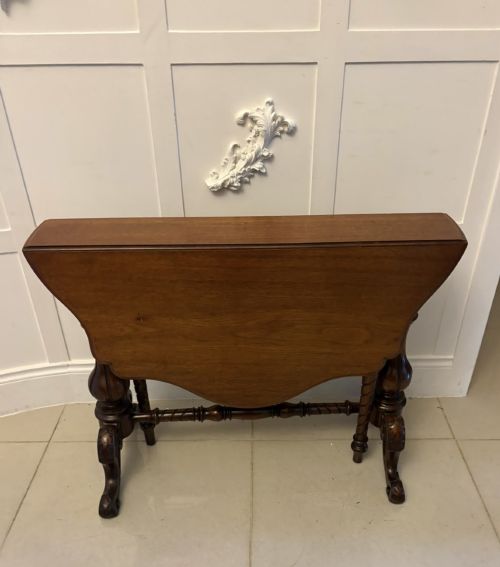
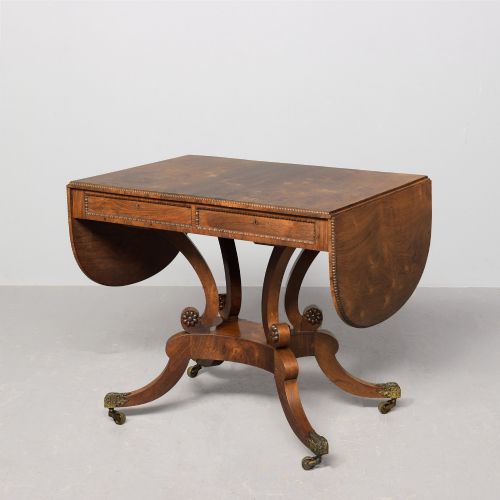
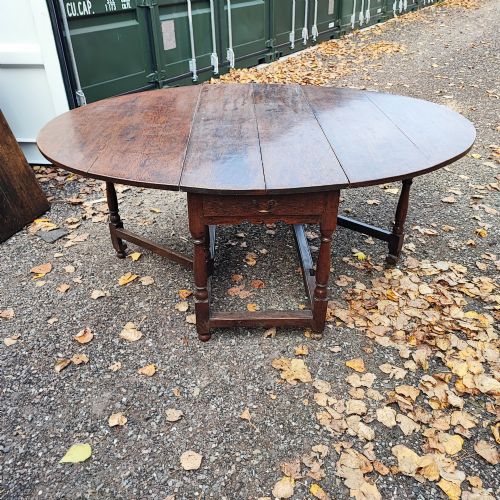
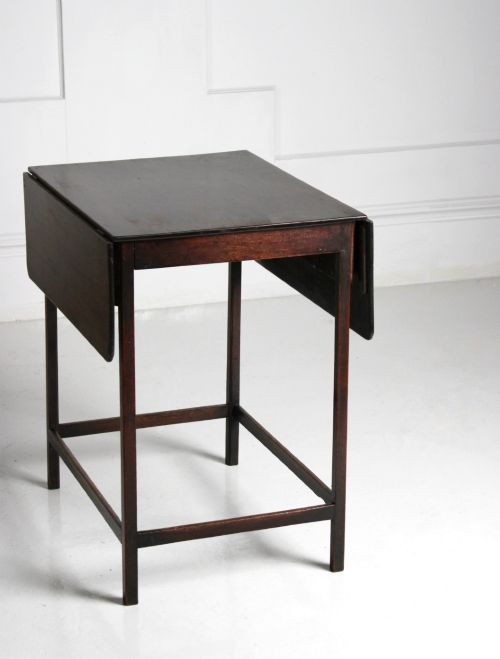
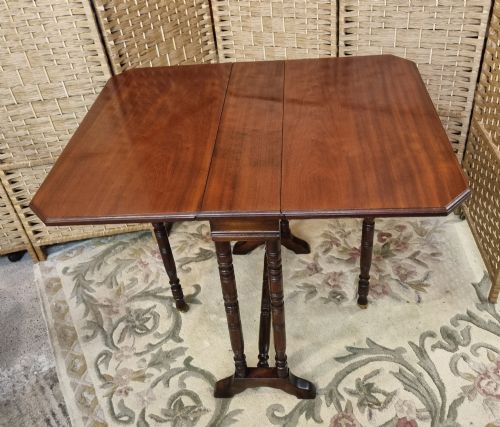
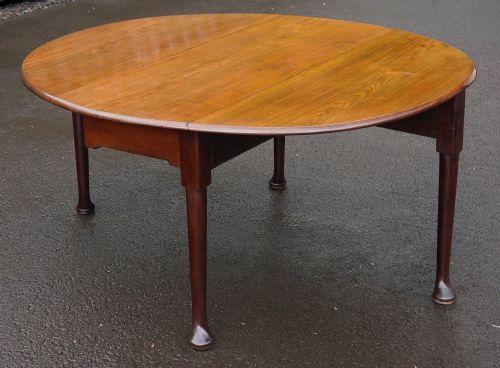
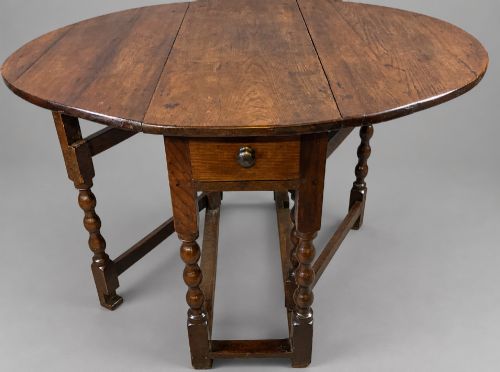
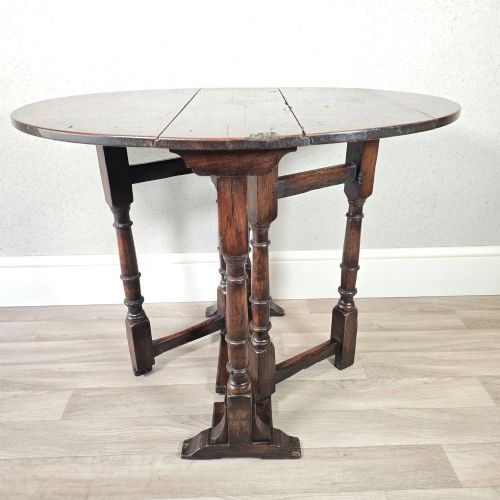
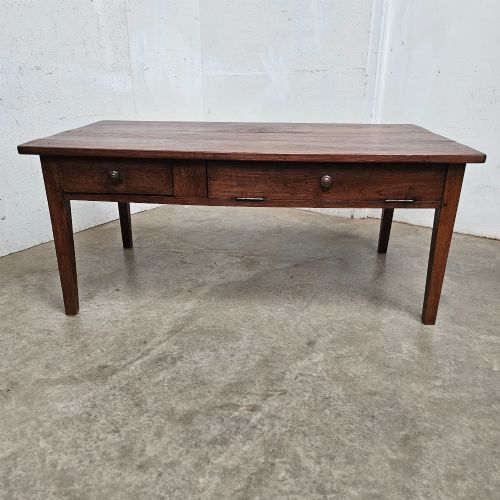
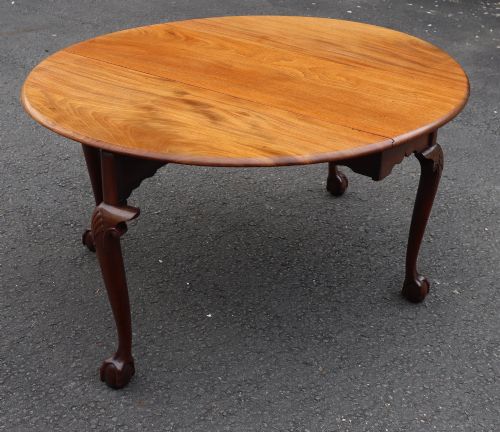
An antique table with flaps encompasses dining tables, pembroke tables, sofa tables, and gateleg designs originating from the 17th century through the Edwardian period. These pieces rely on hinged side leaves that drop down to save space or lift up to enlarge the top surface.
Mahogany dominates the selection, alongside oak, walnut, rosewood, pine, and fruitwood. Makers constructed these versatile forms for dining, writing, tea, and occasional use in period interiors.
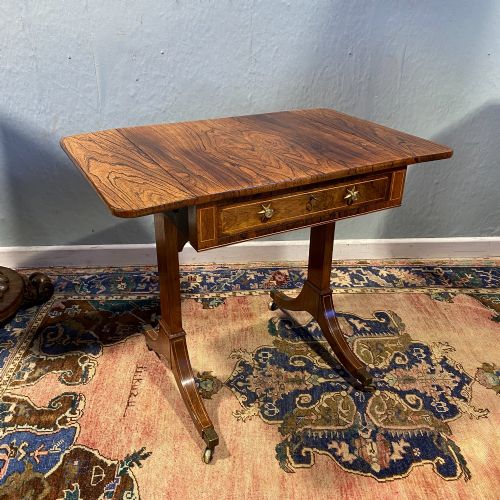
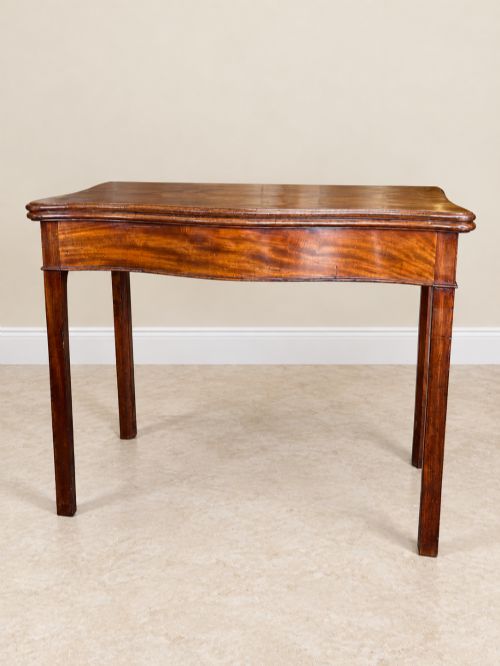
The most common versions met here are Georgian and Regency mahogany drop-leaf and pembroke formats, often featuring single or double drawers and supported on turned legs or castors.
How they were made
Cabinetmakers utilised dense timbers such as Cuban mahogany, oak, and walnut, frequently selecting finely figured grain for the tops and incorporating satinwood cross-banding or inlay for decoration. Structural elements like gatelegs, hinged flap brackets, and drawers required precise joinery to support the expanding leaves.
Hardware played a functional role, with original brass castors and hinges appearing on many examples. Finishers built up surfaces using traditional polish or wax to highlight the natural timber patina.
Antique Table with Flaps Retail Price Guide 2026
Typical asking prices for table with flaps among the pieces listed under this phrase on Sellingantiques today, from the lower quarter to the upper quarter. They describe what is for sale here now, not the wider market.
Listings span four centuries of furniture design, featuring Georgian, Regency, Victorian, and Edwardian periods in oak, mahogany, walnut, and rosewood.
What varies in quality
Quality rests in the selection of timber figures, the crispness of carved details like cabriole legs or bobbin turnings, and the integration of secondary woods. Superior examples maintain original brass castors, well-fitted drawers, and hinges that allow the flaps to hang level when raised.
Proportion and design ambition separate standard utility items from sophisticated pieces, such as those featuring inlaid bird designs, display shelf stretchers, or complex multi-flap mechanisms.
Johnstone and Jeanes·Liberty and Co.
The Antique Table with Flaps Glossary
- Drop leaf table
- A table with a fixed centre section and hinged flaps that raise to enlarge the surface area. These leaves are typically supported by swing legs, brackets, or gateleg actions.
- Pembroke table
- A small rectangular table featuring two drop leaves on opposite sides and usually one or two end drawers. They were popular for breakfast or writing.
- Sofa table
- A rectangular occasional table designed to stand in front of a sofa, fitted with drop flaps at either end. They often incorporate twin pedestal supports or trestle bases.
- Gateleg table
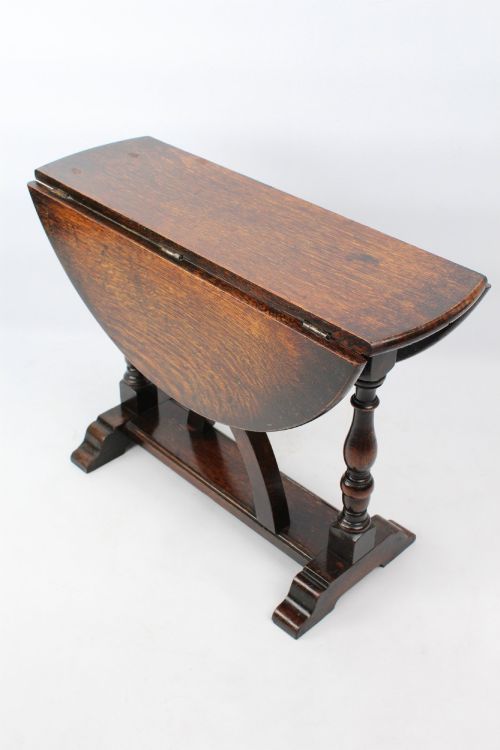
- A table with hinged leaves supported by legs that swing outward like a gate. This construction provides robust support for large dining surfaces.
- Patina
- The surface sheen and mellowing developed by wood over centuries of handling and exposure. Good patina indicates age and regular polishing.
Antique Table with Flaps: Frequently Asked Questions
What is a pembroke table?
A pembroke table is a compact occasional table featuring two hinged side flaps and usually at least one drawer. Designed in the 18th century, it was easily moved around a room for writing, sewing, or taking tea.
The drop leaves allow the table to sit flat against a wall when not in use. Raised flaps create a larger surface for various household tasks.
How do gateleg tables work?
Gateleg tables utilise pivoting legs attached to a hinged frame that swings outward to support the drop leaves. This engineering distributes weight evenly across the structure.
When closed, the gate swings inward so the leaves hang vertically. This mechanism allows large dining surfaces to fold away compactly.
Where were sofa tables placed?
Sofa tables were traditionally placed directly behind a sofa or settee in Regency and Georgian drawing rooms. Their narrow proportions suited this placement.
The drop flaps allowed users to expand the surface when writing or sewing near the seating area. They also served as freestanding lamp tables.
How do I date an antique table?
Dating relies on timber choices, leg styles, hardware, and construction methods. For instance, 17th-century pieces often use oak with bobbin turnings, while Georgian examples frequently employ Cuban mahogany with pad feet.
Secondary woods inside drawers and the presence of original brass castors provide further chronological clues. Comparative study of period styles helps narrow the decade of manufacture.