

Antique Table with Cabriole Legs
An antique table with cabriole legs brings flowing S-curved lines and traditional craftsmanship into daily spaces through centuries of design.
Antique Table with Cabriole Legs
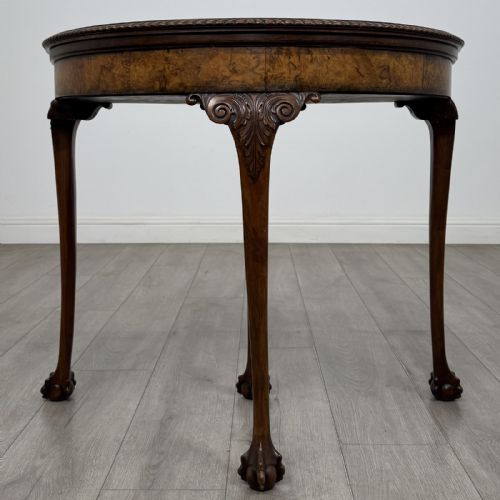
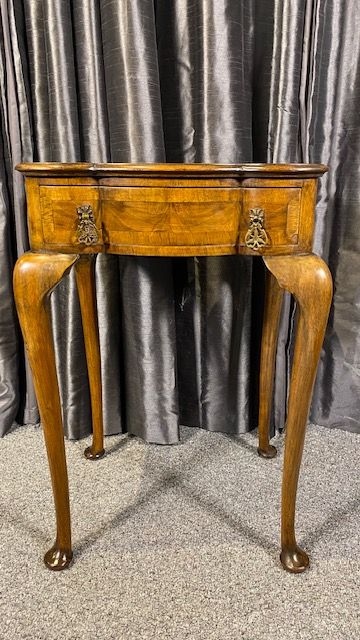
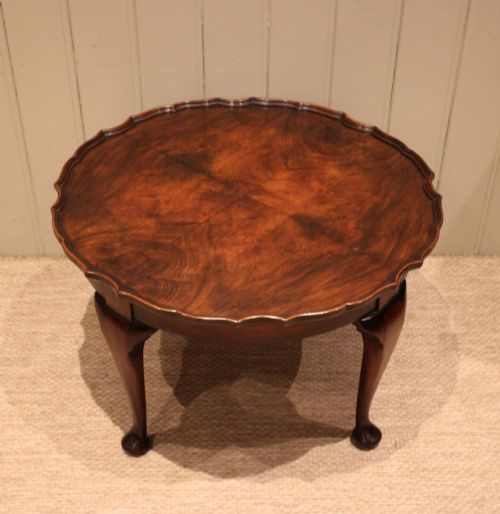
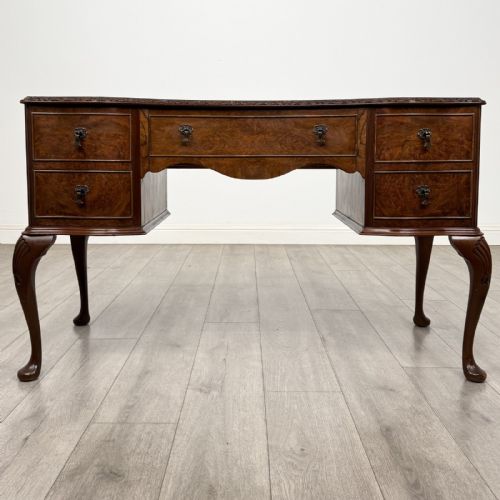
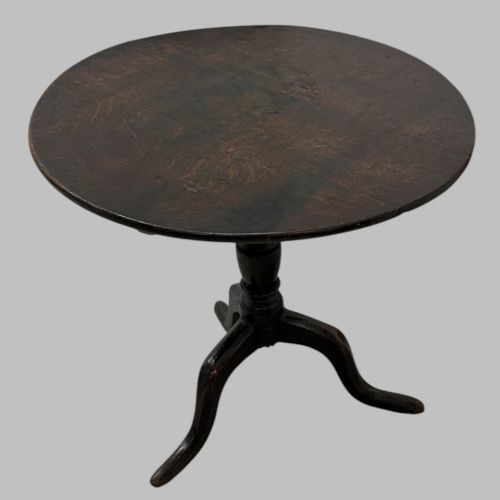
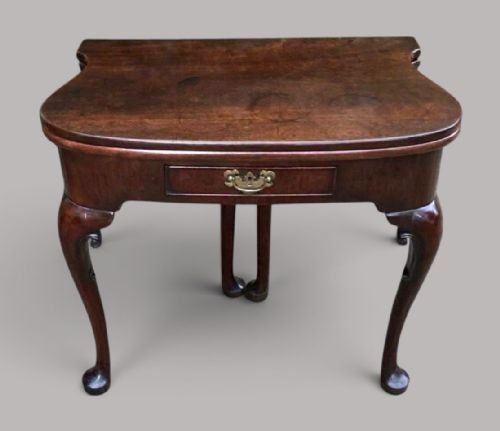
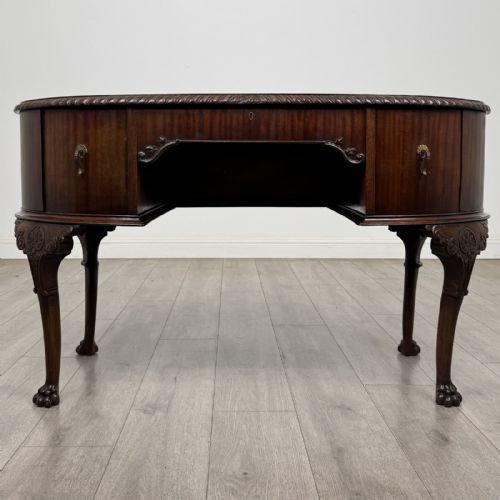
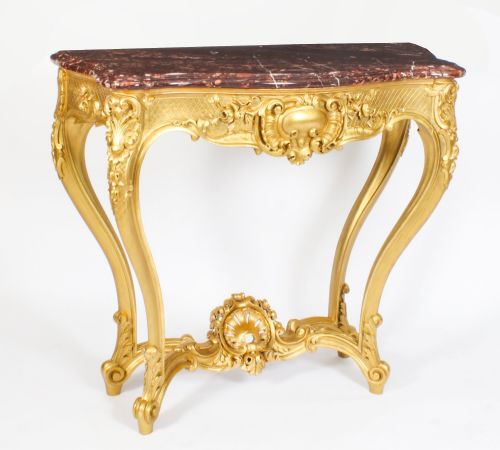
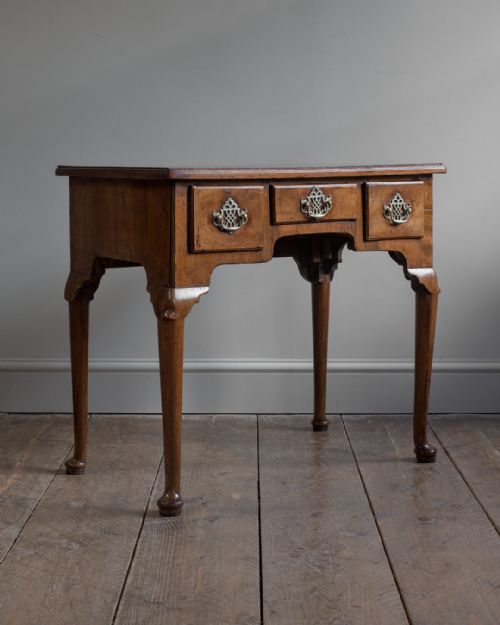
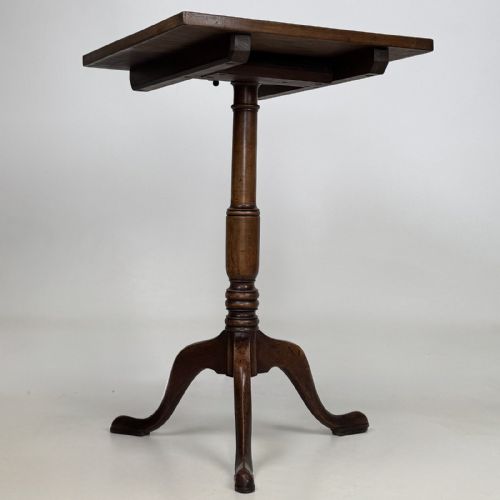
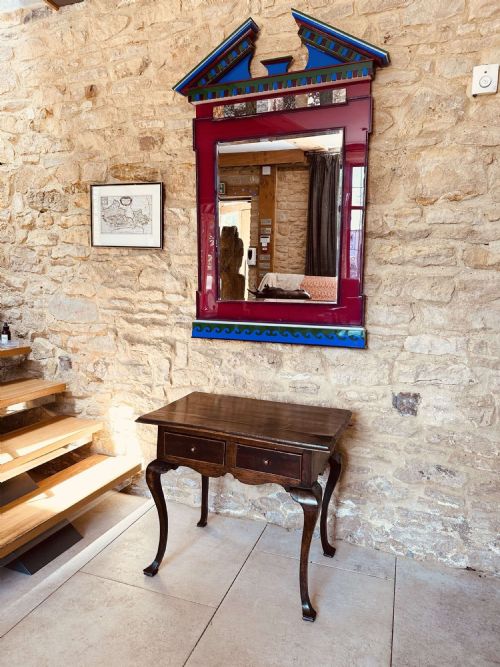
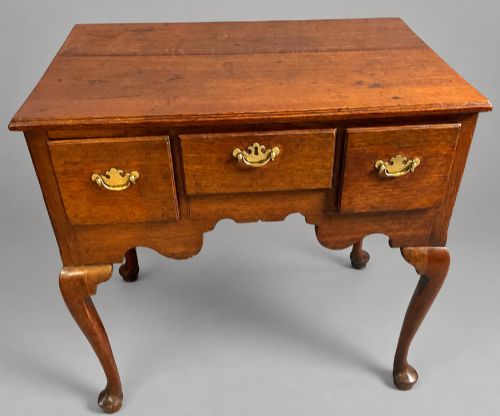
An antique table with cabriole legs spans numerous forms ranging from compact wine tables and lowboys to expansive dining tables and writing desks. These pieces originate from periods such as the Georgian era, the Victorian epoch, and the Edwardian years.
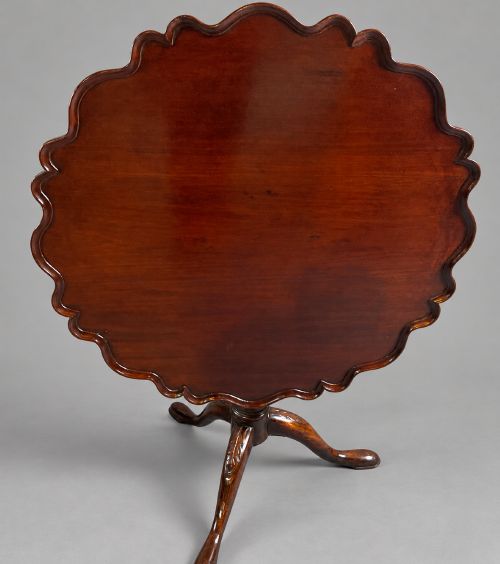
The selection on this page relies heavily on walnut and mahogany timbers, alongside oak and occasional French kingwood. Forms include occasional tables, side tables, console tables, and desks tailored for domestic service.
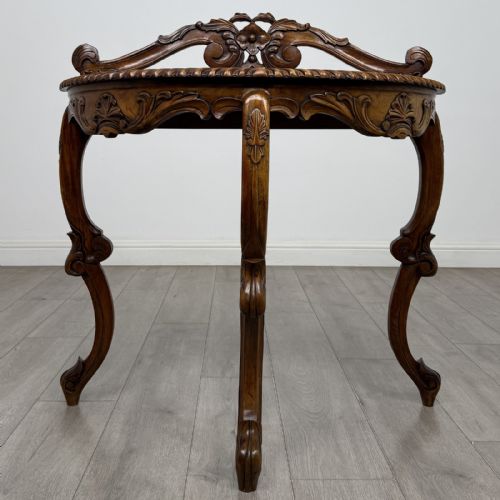
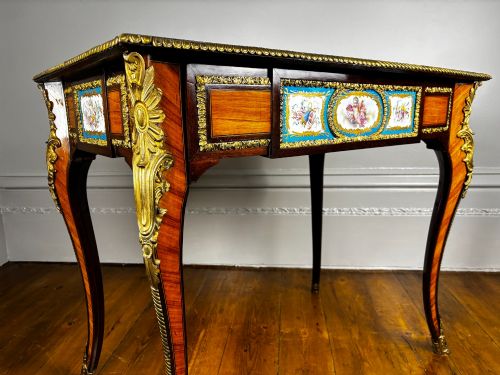
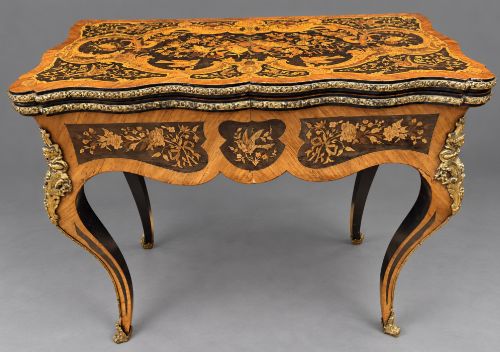
Makers and manufacturers during these periods adopted traditional silhouettes influenced by Queen Anne, George II, Chippendale, and Louis XV revivals. Buyers encounter everything from simple fruitwood wine tables to elaborate burr walnut pieces carrying brass or ormolu mounts.
How they were made
Cabinet makers utilised dense hardwoods including mahogany, walnut, and oak to construct stable frames that could support the outward sweep of a cabriole leg. Surfaces frequently display finely figured veneers, crossbanding, and parquetry inlay.
Metal elements such as brass handles, leather writing inserts, and cast bronze ormolu mounts supplement the wooden structures. Joinery techniques varied from traditional mortise and tenon joints in earlier oak pieces to concertina actions on card tables and sophisticated drop-leaf mechanisms.
Antique Table with Cabriole Legs Retail Price Guide 2026
Typical asking prices for table with cabriole legs among the pieces listed under this phrase on Sellingantiques today, from the lower quarter to the upper quarter. They describe what is for sale here now, not the wider market.
Listings feature oak, mahogany, walnut, and burr walnut across Georgian, Victorian, and Edwardian periods.
What varies in quality
The distinction between standard examples and the finest pieces rests upon the selection of timber and the execution of carved details. Highly figured burr walnut and Cuban mahogany command attention through rich grain patterns and deep patination.
Proportion and carving precision define the better items. Graceful knee curves on the cabriole legs, crisp claw and ball feet, and well-integrated mechanisms elevate an object above simpler utilitarian furniture.
Gill & Reigate
The Antique Table with Cabriole Legs Glossary
- Cabriole leg
- A furniture leg that curves out at the knee and tapers inward toward the ankle, mimicking an animal limb.
- Lowboy
- A small chopping or dressing table typically fitted with drawers, originating in the early periods.
- Orquid
- (Ormolu). Gilt bronze mounts applied to the corners and aprons of French-style decorative furniture.
- Crossbanding
- A decorative border of veneer laid perpendicular to the grain of the main surface.
- Tripod table
- A small occasional table supported by a central pillar resting on three spreading feet.
Antique Table with Cabriole Legs: Frequently Asked Questions
What periods do cabriole leg tables come from?
These tables appear across 18th-century Georgian and George II eras, through Victorian revivals, into Edwardian workshops and early 20th-century creations.
Craftsmen revived these sweeping leg designs repeatedly over generations, adapting historical silhouettes to suit contemporary domestic interiors.
How do I maintain wood surfaces?
Apply traditional wax polishes sparingly and buff gently with a soft cloth to preserve the natural grain and historic patination.
Keep wooden furniture away from direct heat sources and strong sunlight to prevent the timber from drying and splitting.
Where were side tables placed?
Side tables and console tables stood against hallway or parlour walls, holding lamps, decorative plants, or serving items during meals.
Their narrow footprints allowed them to furnish circulation spaces without blocking household movement.
How are walnut veneers finished?
Walnut surfaces often feature decorative crossbanding or burr figuring to highlight the natural patterns within the timber.
Cabinet makers selected these striking veneers for prominent display areas on desks, tea tables, and serving pieces.