




Antique Table Pottery
These antique table pottery pieces bring hand-formed character and historic glaze work to daily rooms.
Antique Table Pottery
Antique table pottery encompasses ceramic vessels, lamps, salt cellars, and decorative bowls designed for functional and decorative use inside the home.
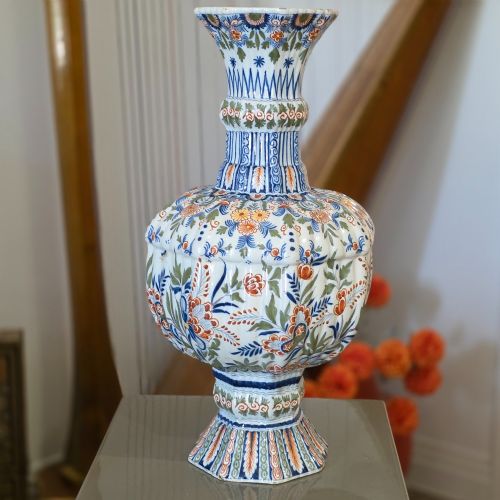
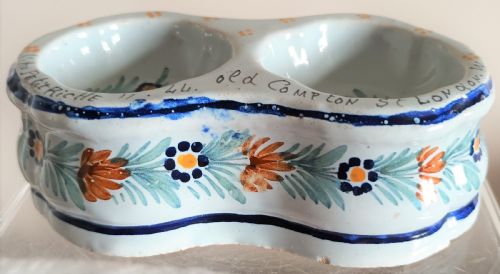
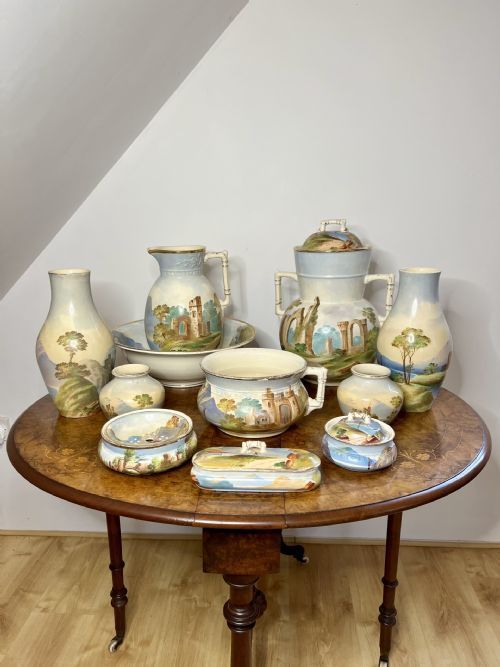
Buyers searching for antique table pottery will encounter items ranging from nineteenth-century Dutch Delftware and Victorian lamp bases to early twentieth-century art pottery and decorative wash sets.
The selection reflects diverse international traditions, spanning English earthenware, French faience, Italian majolica, and Asian porcelain and stoneware.
Materials and Techniques
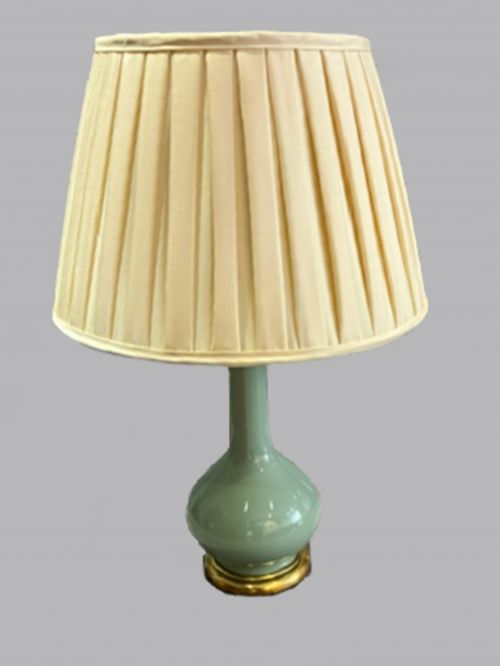
Potters utilised earthenware, stoneware, and porcelain bodies, often finished with specialised glazes including tin enamel, iron rust, and celadon.
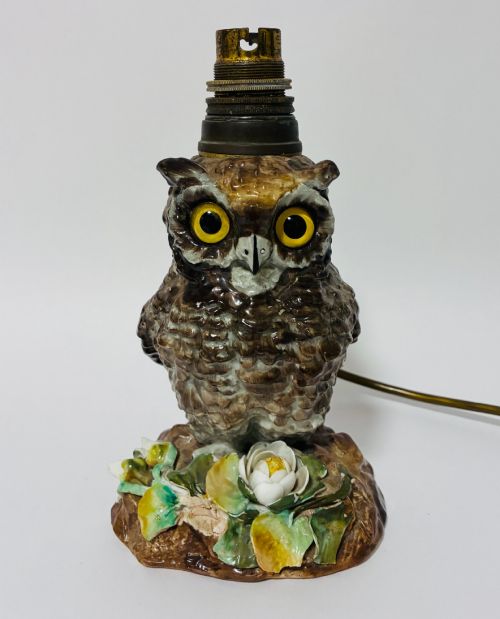
Decoration relied on hand-painting, transfer printing, and polychrome enamel applications, sometimes complemented by brass fittings, enamel details, and carved wooden bases.
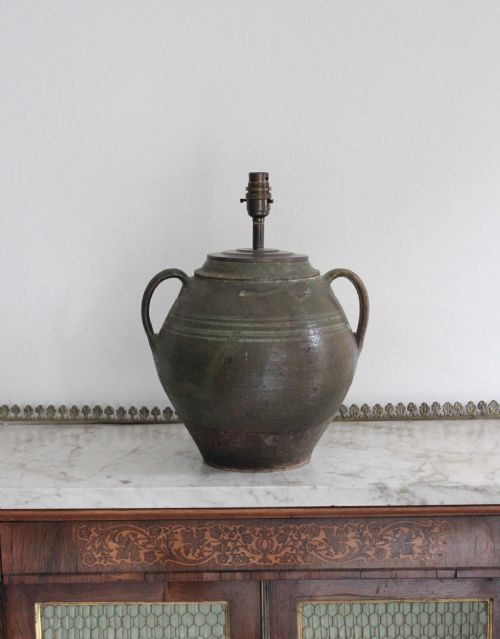
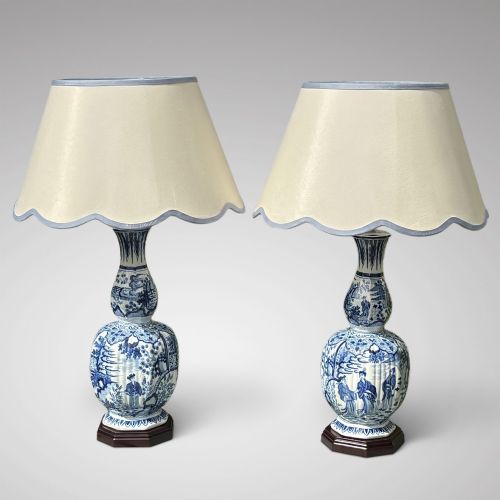
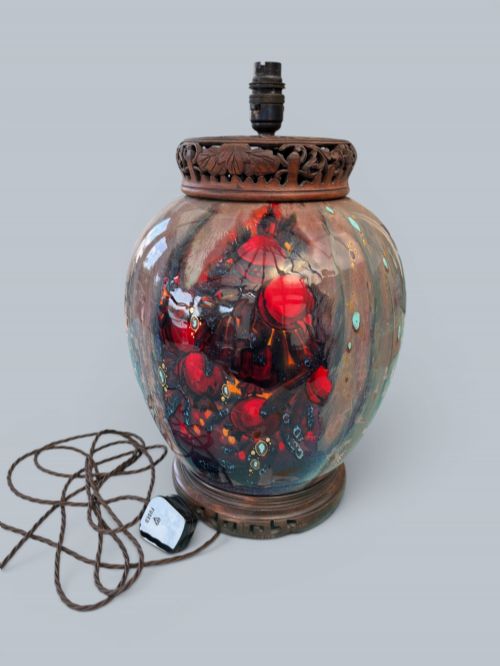
Many utilitarian forms, such as vases and jars, were later adapted into table lamps through electrical wiring.
Listings feature items spanning the eighteenth, nineteenth, and early twentieth centuries, constructed from earthenware, porcelain, stoneware, and copper.
Evaluating Quality
Superior pieces display crispness in moulded or thrown forms, precise hand-painting, and stable, deep glazes without muddy colour transitions.
Artistic ambition distinguishes standard utilitarian wares from studio productions, particularly where notable designers or specific pottery factories applied intricate patterns.
Moorcroft·Doulton Burslem·Royal Doulton·Wedgwood·Denby Ware·Burmantofts Faience
The Antique Table Pottery Glossary
- Majolica
- A type of earthenware coated with an opaque tin glaze and painted with metallic oxide colours. It gained popularity during the Victorian era for decorative table items like cheese domes.
- Transfer printing
- A mechanical decoration technique developed in the eighteenth century to apply complex blue and white patterns onto pottery surfaces from engraved copper plates.
- Celadon
- A pale green jade-like glaze originating in East Asia. It relies on iron oxide reacting in a reduction kiln atmosphere.
- Stoneware
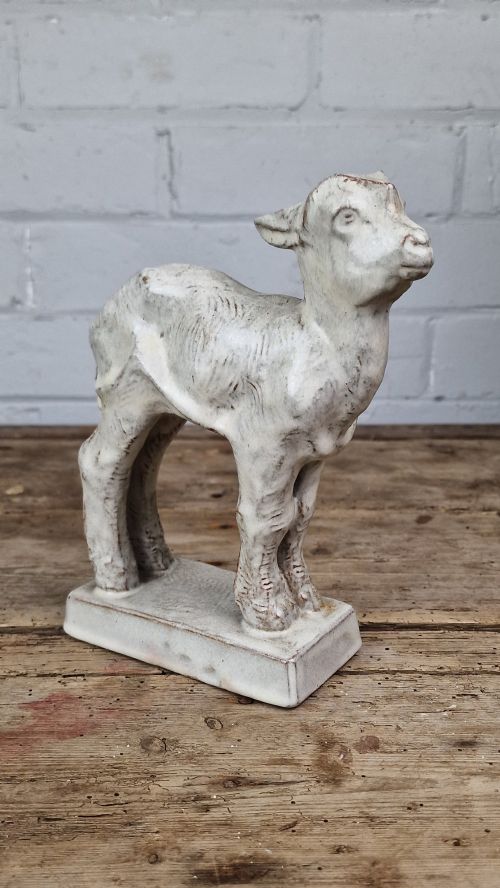
- A vitreous or semivitreous ceramic ware of fine texture, fired at high temperatures until impervious to liquids. It frequently supports textured decorative relief work.
Antique Table Pottery: Frequently Asked Questions
How do I use antique table pottery safely?
Many ceramic vessels and vases converted into lamps operate on modern wiring, allowing you to place them on sideboards or desks for accent lighting.
Unglazed or porous historic items should be kept dry, while glazed bowls and dishes suit display rather than daily dining.
Can I date antique table pottery by its glaze?
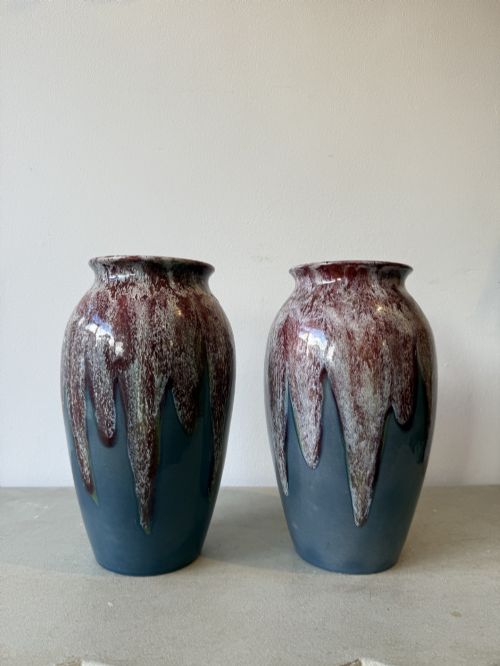
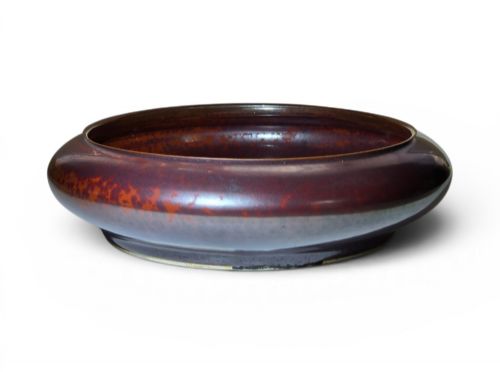
Glaze formulations changed significantly across periods, from tin-glazes on eighteenth-century delftware to rich crystalline and reactive finishes on twentieth-century art pottery.
Examining the underside and unglazed foot rim often reveals the clay body and firing method characteristic of a specific era.
What is the difference between earthenware and porcelain?
Earthenware is a porous, lower-fired ceramic body that requires a glaze to become waterproof, typical of much nineteenth-century domestic pottery.
Porcelain is fired at much higher temperatures, resulting in a dense, vitrified, and sometimes translucent material found in fine Asian and European wares.
How do I care for antique pottery?
Dust pieces gently with a dry, soft cloth and avoid submerging older ceramics in water, particularly those with applied metal mounts or hand-painted enamel.
Keep items away from direct sunlight to preserve the pigments of hand-painted and transfer-printed decorations.