


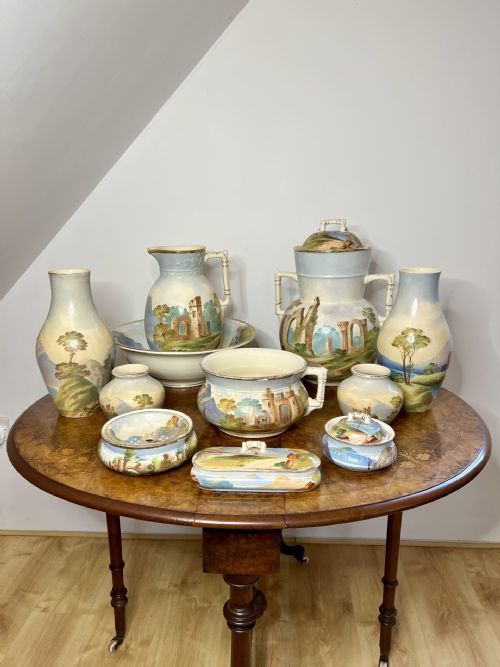


Antique Table Pitcher
An antique table pitcher brings formal elegance to daily dining, uniting practical service with decorative flair.
Antique Table Pitcher
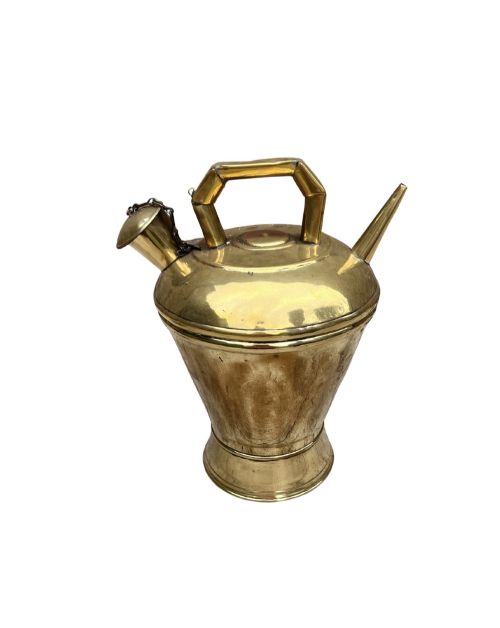
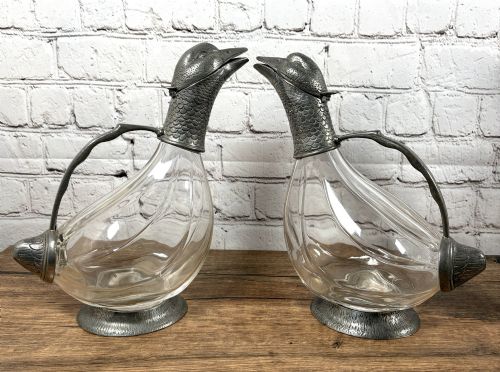
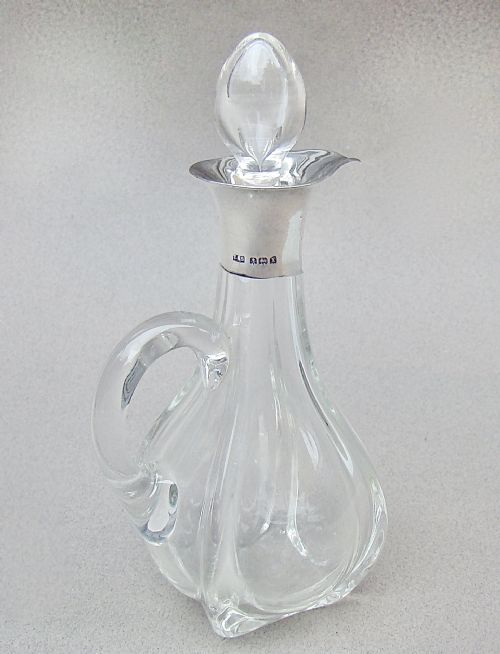
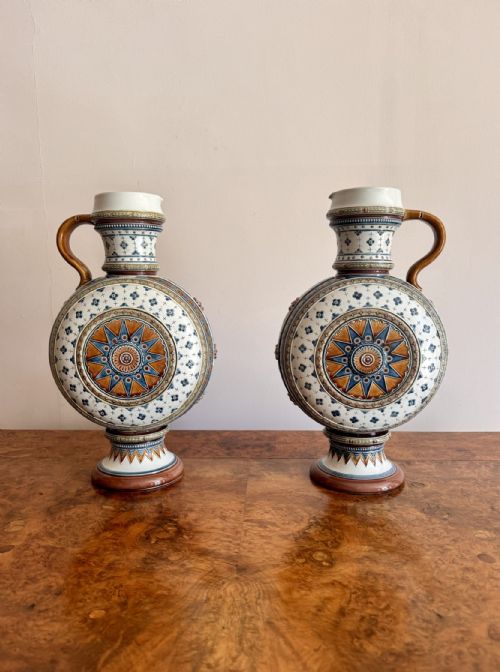
When you search for an antique table pitcher, you encounter a diverse group of serving vessels designed for liquids, spanning domestic cream jugs and large ornamental ewers. These pieces emerge from periods ranging from the eighteenth century through the 1930s, reflecting changing dining habits and interior aesthetics.
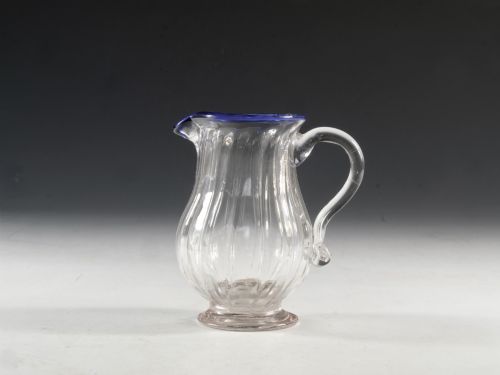
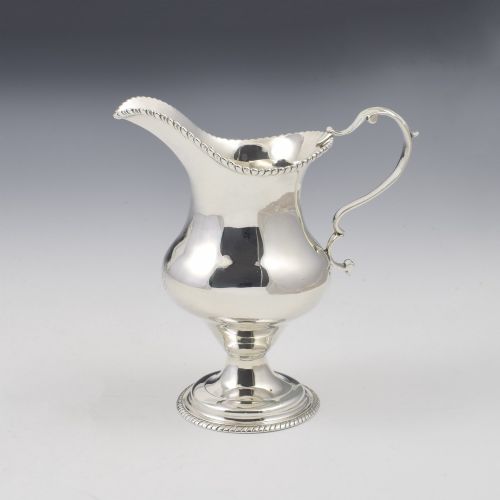
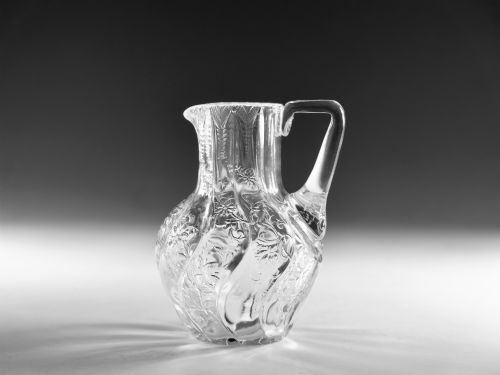
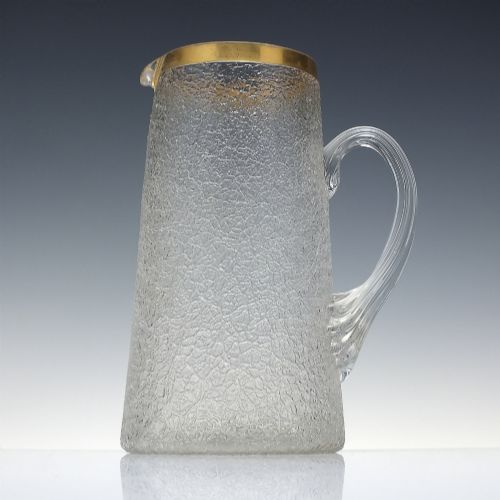
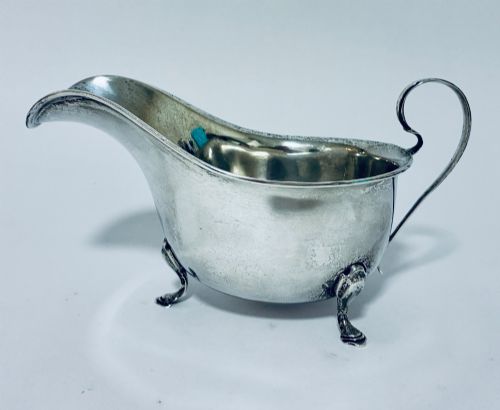
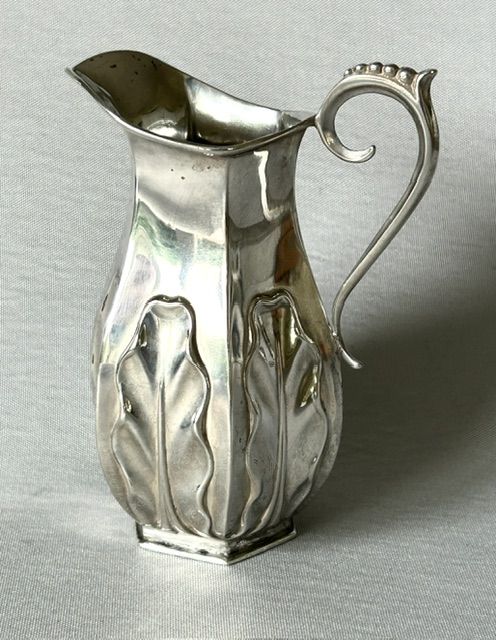
The most common versions met on this page include sterling silver and silver-plated cream jugs, alongside cut glass and overshot glass water jugs. Ewers and decanters also appear frequently, capturing Victorian, Edwardian, and Art Deco styles.
Origins vary from English workshops to French manufacturers, encompassing forms intended for milk, water, wine, and cider. Each object retains the distinct craftsmanship of its era, whether shaped for formal tea service or sideboard display.
Markers of distinction
The division between standard and superior pieces rests on the crispness of execution and the harmony of proportion. In silver and metalwork, sharp detail in chased decoration and robust handle attachment indicate higher craftsmanship.
Glass vessels show quality in the depth of wheel-cutting, clarity of the material, and weight in the hand. The presence of recognised maker marks or attribution to notable design houses elevates the standing of an individual piece.
Antique Table Pitcher Retail Price Guide 2026
Typical asking prices for table pitcher among the pieces listed under this phrase on Sellingantiques today, from the lower quarter to the upper quarter. They describe what is for sale here now, not the wider market.
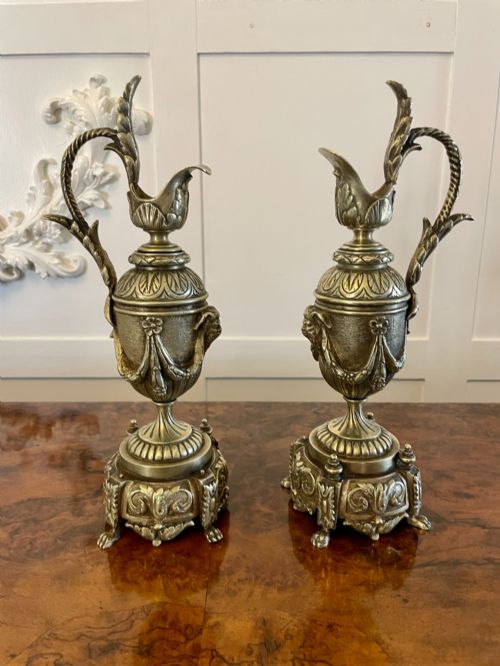
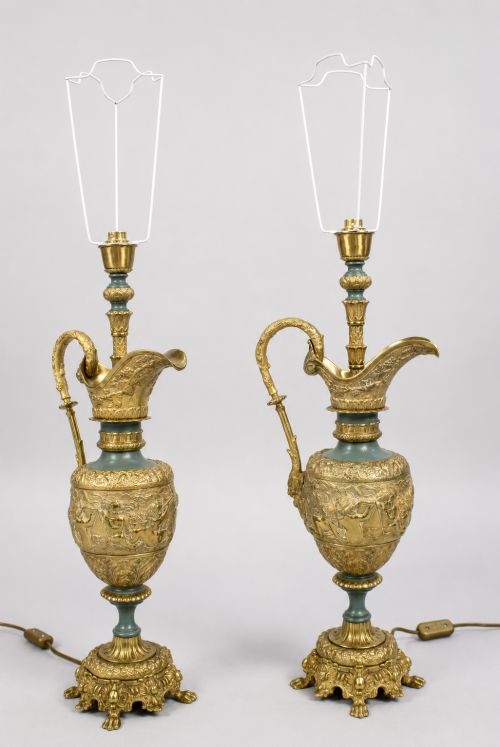
Some nineteenth-century bronze ewers found a second life as table lamps, shedding light instead of pouring wine.
Stalker and Mitchison·Stevens and Williams·Padley Parkin and Staniforth·Dr Christopher Dresser·Minton·Coalport·Sue et Mare·Maison Christofle
The Antique Table Pitcher Glossary
- Ewer
- A large pitcher with a wide spout and a decorative handle, historically used for water or wine service.
- Overshot glass
- A technique where fine glass threads are trailed over a blown glass body, creating a textured surface.
- Argyll
- A covered gravy warmer featuring a central compartment for hot water to keep sauces warm at the table.
- Sterling silver
- An alloy containing ninety-two point five percent silver by mass, standard for British plateware.
- Claret jug
- A table pitcher specifically designed for serving red wine, often combining cut glass bodies with silver mounts.
Antique Table Pitcher: Frequently Asked Questions
What was an antique table pitcher used for?
These vessels served various liquids at the dining table, from milk and cream for tea to water, wine, and cider during main meals. Larger ewers sometimes functioned purely as decorative ornaments or formed part of wash sets.
Over time, their roles shifted alongside dining customs, transforming formal service items into decorative collector pieces.
How do I clean an antique silver pitcher?
Silver pitchers require gentle washing in warm water with a mild soap, followed by drying with a soft cloth. Avoid harsh chemical dips that strip the natural patina accumulated over decades.
Store them away from direct sunlight and damp environments to maintain the metal finish without causing abrasion.
How can I tell a Victorian pitcher from an Edwardian one?
Victorian pieces often display ornate revivalist decoration, heavy rococo styling, or Gothic influences with deep, elaborate chasing. Edwardian designs frequently lean towards lighter, cleaner lines and refined cut glass.
Examining hallmarks or registration numbers provides a precise date of manufacture when stylistic cues overlap.
Can I use these pitchers for daily dining?
Many metal and glass pitchers remain fully functional for serving cold water, juice, or wine during meals. Care must be taken with antique glass to avoid thermal shock from hot liquids.
Silver-plated and ceramic items handle regular use well, provided they receive proper hand washing after each occasion.