



Antique Table Dome
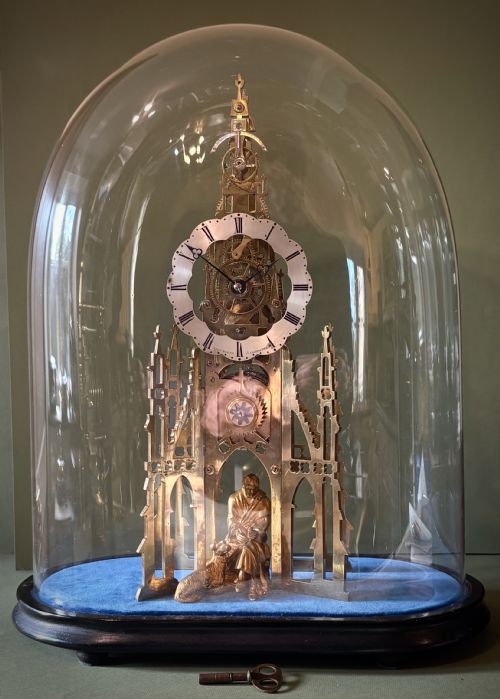
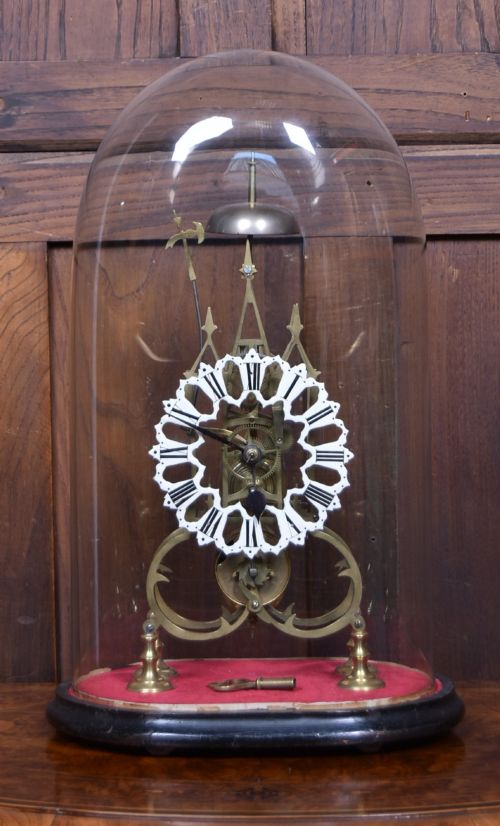
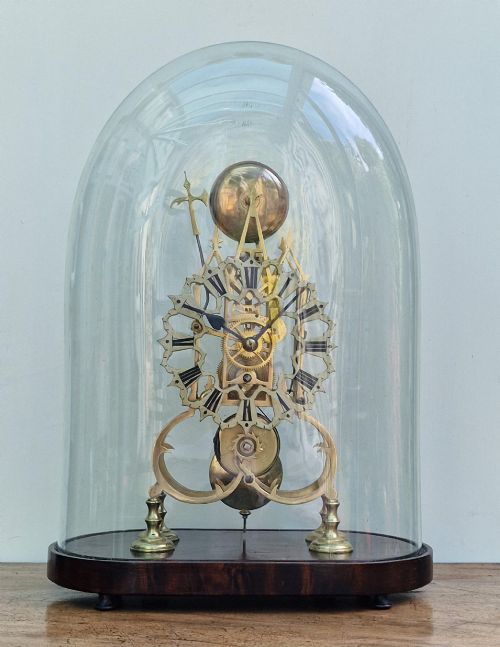
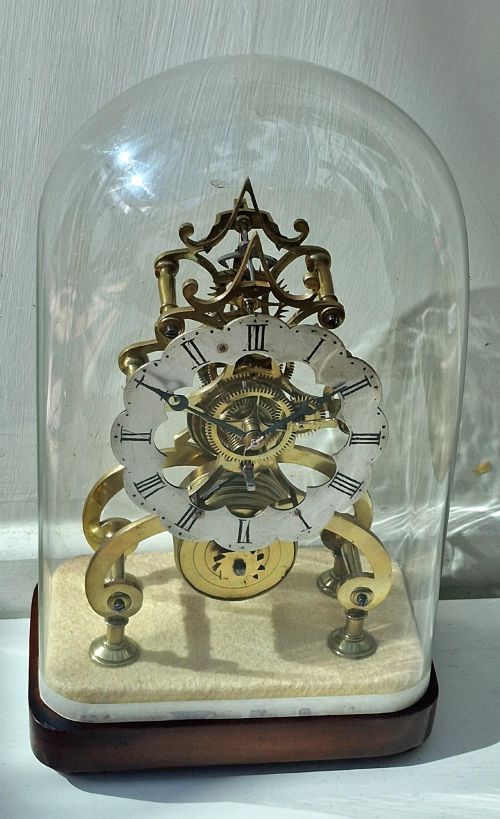
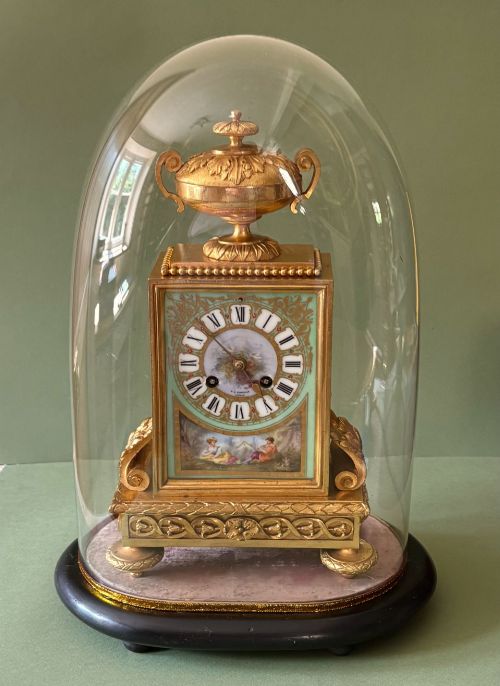
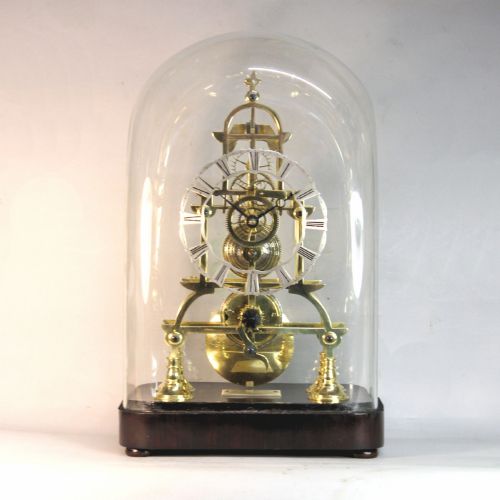
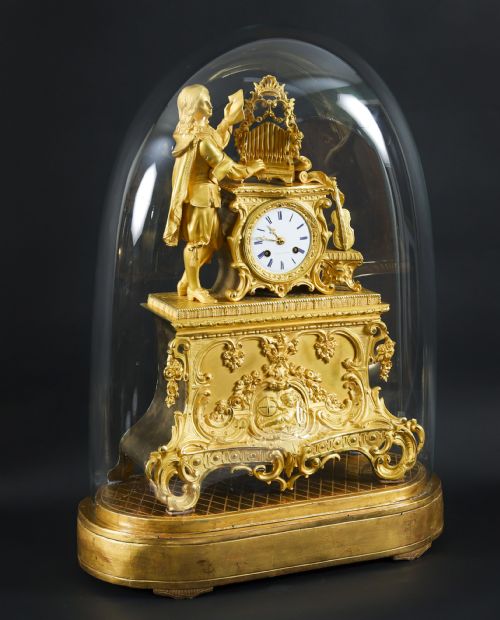
An antique table dome covers and protects delicate objects, offering a clear view of Victorian displays and serving pieces.
Antique Table Dome
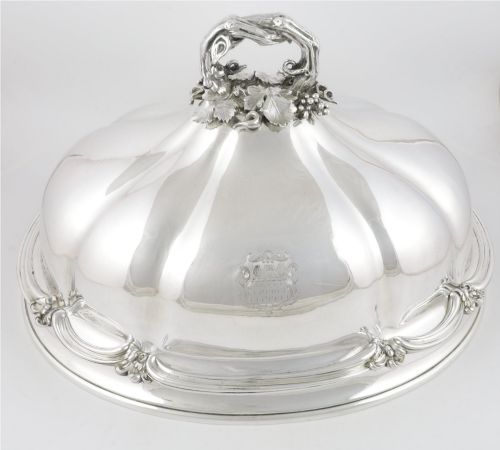
When searching for an antique table dome, buyers encounter protective glass covers alongside related domed objects such as meat domes, cheese dishes, and glass display domes resting on tables or sideboards.
The selections span the Victorian and Edwardian eras through to the early twentieth century, showing periods like 1860, 1870, 1880, 1910, and 1920.
Most examples originate from British, French, or American workshops, taking the form of hand-blown glass covers, ceramic cheese domes, or metal food covers.
Materials and construction methods
Glass domes are mouth-blown, leaving subtle surface irregularities and bubbles trapped within the clear material.
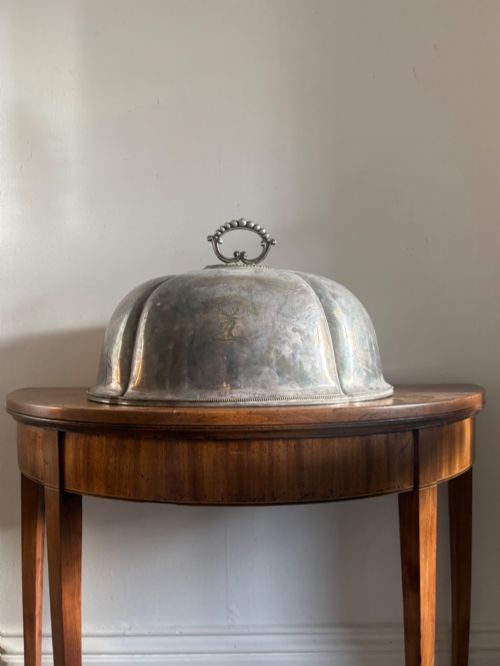
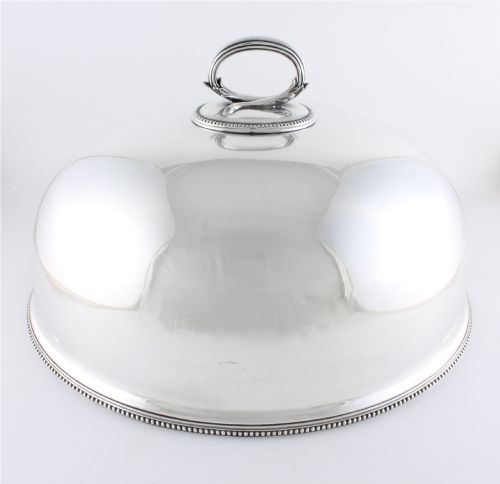
Metal meat domes and food covers utilise silver plate, Sheffield plate, or brass, shaped by hand or hammered over stakes.
Ceramic cheese and stilton domes employ majolica or porcelain, fired with colourful glazes and moulded with relief decoration.
Antique Table Dome Retail Price Guide 2026
Typical asking prices for table dome among the pieces listed under this phrase on Sellingantiques today, from the lower quarter to the upper quarter. They describe what is for sale here now, not the wider market.
The listings show materials ranging from clear glass and majolica ceramic to silver plate and brass.
Assessing quality in domed objects
The clarity and weight of the glass dictate the visual appeal of a display dome, where thicker, distortion-free glass represents superior production.
For metal domes, the crispness of chased or engraved detailing and the retention of the original silver plating mark the distinction between standard and finer pieces.
Ceramic versions depend on the depth of the glaze and the precision of the moulding, separating basic kitchenware from exhibition-quality display items.
Roberts Cadman·Henry Wilkinson·Stuart Crystal·Leroy Paris·Thwaites of London
The Antique Table Dome Glossary
- Glass Dome
- A transparent, bell-shaped cover used to protect clocks, wax flowers, and ornaments from dust.
- Meat Dome
- A large metal cover placed over meat platters on the dining table to retain heat and keep food warm.
- Majolica
- A type of earthenware coated with an opaque tin-glaze and painted with bright metallic oxide colours.
- Sheffield Plate
- A fused composite material made by melting a thin sheet of silver onto a thicker copper base.
- Ormolu
- Gilded bronze mounts applied to clocks, decorative boxes, and furniture during the nineteenth century.
Antique Table Dome: Frequently Asked Questions
What is an antique table dome used for?
These glass or metal covers served multiple practical and decorative purposes in historic homes. Glass versions protected delicate ornaments, clocks, and wax models from dust.
Metal and ceramic versions kept food warm at the dining table or stored specialised items like cheese and butter.
How do I clean an antique glass dome?
Historic glass requires gentle handling to preserve the delicate material and prevent accidental scratching. Use a soft, lint-free cloth with lukewarm water and mild soap.
Avoid harsh chemical cleaners that might damage the surface or any attached wooden bases.
Are all glass domes mouth-blown?
Most antique glass domes were produced using traditional mouth-blowing techniques. This process creates distinct characteristics such as tiny air bubbles and minor thickness variations.
Machine-made glass appeared later and lacks these organic irregularities.
Can I use a meat dome on a modern table?
These metal covers fit comfortably into contemporary dining settings as serving pieces or decorative centrepieces. They add historical character to a sideboard or dining table.
Ensure the metal surface is properly cleaned and dried after any contact with food.