




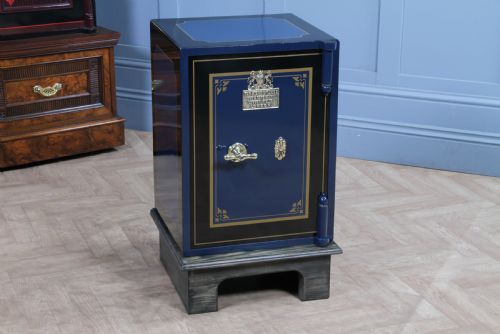
Antique Table Coffer
An antique table coffer is a sturdy storage chest adapted for surface utility, offering timeless character and practical storage.
Antique Table Coffer
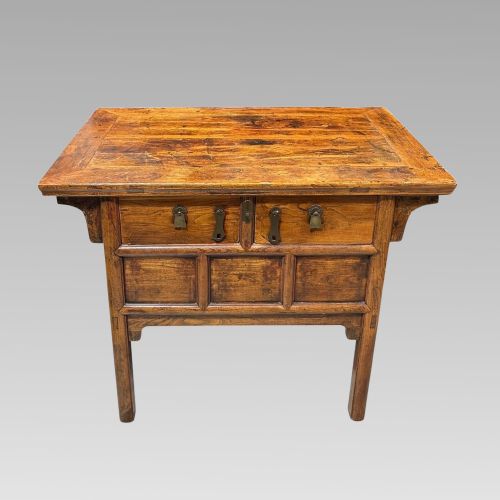
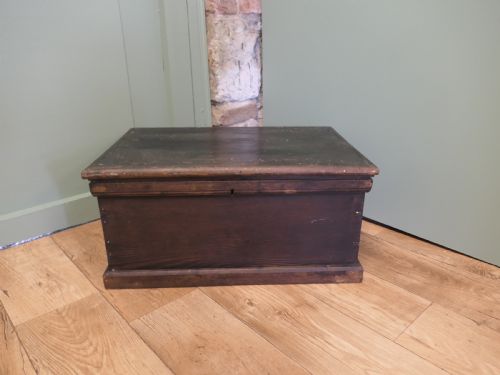
When you search for an antique table coffer, you are looking at sturdy wooden chests and boxes that double as functional surfaces. These pieces bridge the gap between traditional storage receptacles and domestic furniture.
The versions you are most likely to meet on this page span several centuries, with prominent examples originating from the seventeenth, eighteenth, and nineteenth centuries. They often appear alongside related forms like oak bible boxes, camphor wood trunks, and hall benches.
Originating from diverse traditions including English country workshops, continental European makers, and far-eastern export routes, these items display distinct regional construction traits. Their versatility allows them to function naturally as coffee tables or occasional surfaces in modern interiors.
Materials and construction methods
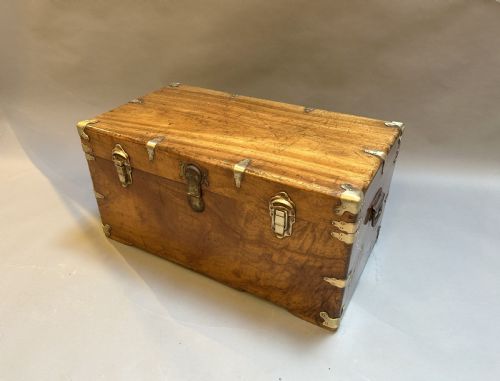
Timbers dictate the fundamental character of these pieces, with solid oak appearing frequently alongside versatile pine, richly figured walnut, and exotic camphor wood. Carpenters selected these hardwoods and softwoods for their structural resilience and ability to endure decades of daily use.
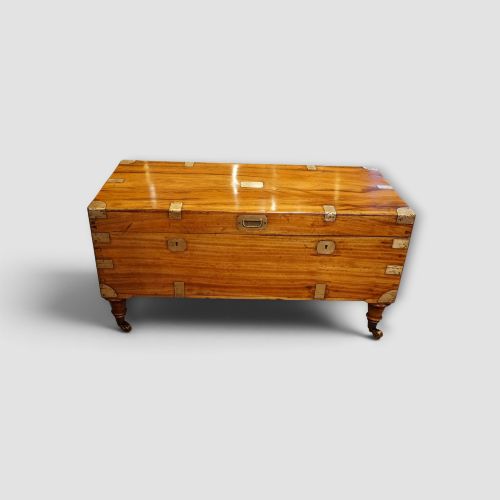
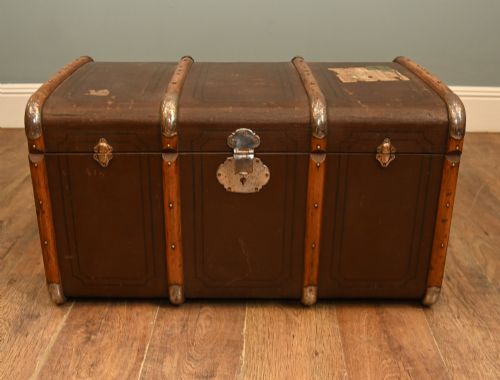
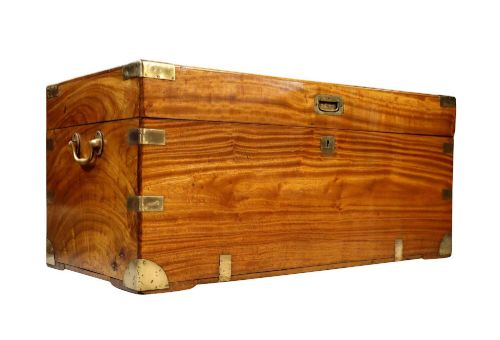
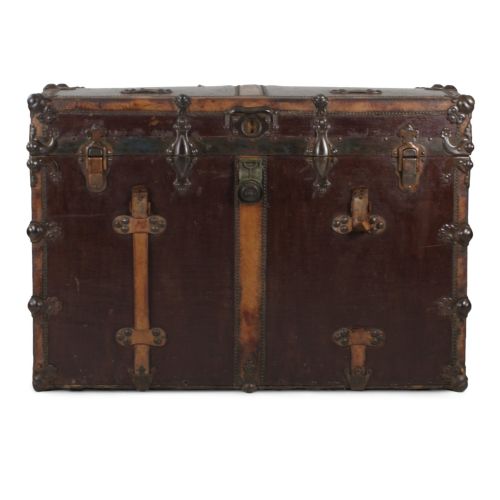
Metal reinforcement defines many examples, utilising brass corners, iron straps, and secure hinges to protect edges during transit or heavy domestic handling. Leather and metal bindings also provide both structural integrity and decorative contrast against the timber surfaces.
Antique Table Coffer Retail Price Guide 2026
Typical asking prices for table coffer among the pieces listed under this phrase on Sellingantiques today, from the lower quarter to the upper quarter. They describe what is for sale here now, not the wider market.
Materials documented across the inventory include brass, iron, and leather accents applied to storage trunks and benches.
Distinctions in craftsmanship
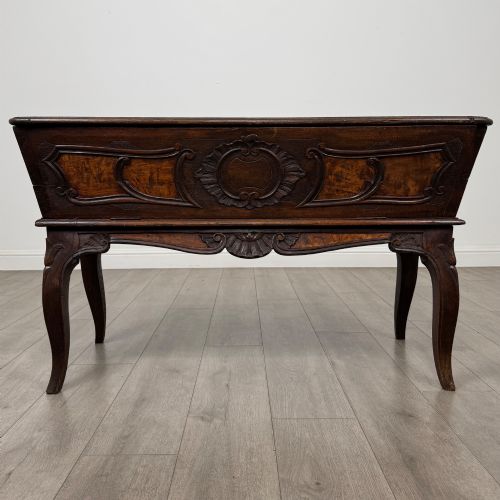
The calibre of an antique table coffer rests in the integrity of its joinery and the selection of its timber. Superior examples exhibit precise panel fitting and thoughtful grain alignment, reflecting the skill of the original cabinetmaker.
Original hardware, untouched surface patination, and the retention of internal compartments elevate certain pieces above standard utilitarian boxes. Conversely, heavy later alterations or unsympathetic repairs diminish the historical cohesion of a piece.
The Antique Table Coffer Glossary
- Coffer
- A large wooden chest traditionally used for storing valuables, linen, or documents. They often feature hinged lids and robust framing.
- Camphor wood
- An aromatic timber frequently utilised in campaign trunks and export chests. Its natural scent repels insects.
- Campaign trunk
- A portable storage chest constructed for military travel. These pieces typically incorporate brass corners and recessed carrying handles.
- Mule chest
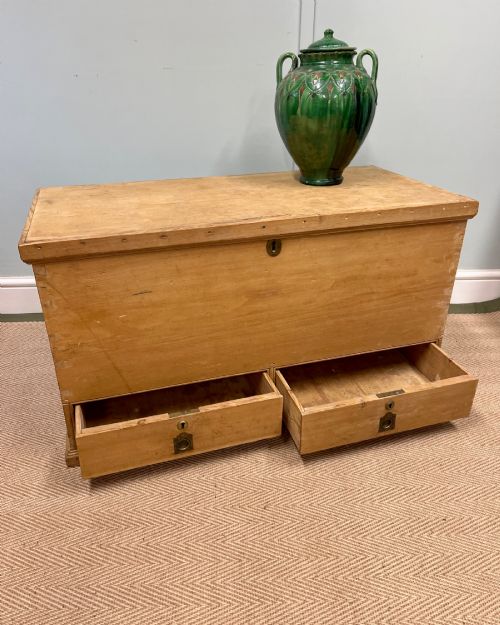
- A storage chest featuring one or more drawers beneath the main lifting compartment. They emerged in domestic interiors during the seventeenth and eighteenth centuries.
- Bible box
- A small, sloping-lidded box designed to hold sacred texts and writing implements. They frequently rest upon tables or serve as portable desks.
Antique Table Coffer: Frequently Asked Questions
What is an antique table coffer?
An antique table coffer is a traditional storage chest that has been adapted or designed to serve as a low table surface. These pieces combine deep internal storage compartments with flat tops suitable for everyday domestic use.
They reflect historical woodworking traditions and offer versatile placement options in contemporary living spaces as coffee tables or hall surfaces.
How were these chests used historically?
Historically, these wooden chests stored valuable household goods, textiles, documents, and personal belongings safely away from damp floors and pests. Sturdy construction allowed them to double as seating or transport containers during travel.
Over time, many lower or wider examples transitioned naturally into surface furniture within living rooms, hallways, and bedrooms.
How do I care for a wooden coffer?
Preserving these wooden surfaces requires maintaining a stable indoor environment away from direct heat sources and excessive moisture. Regular dusting with a soft cloth helps protect the historical finish and natural patination.
Applying occasional appropriate wax feeds the timber without building up unwanted residues or altering the appearance of the original surface.
How can I tell the period of a chest?
Dating a chest involves examining the construction techniques, tool marks, joinery methods, and the type of timber utilised. Hand-cut dovetails, pegged mortise and tenon joints, and wrought iron or brass hardware offer key clues to the era of manufacture.
Comparing the overall proportions, decorative carving styles, and locking mechanisms with documented historical examples further refines the estimated age.