

Antique Table Burner
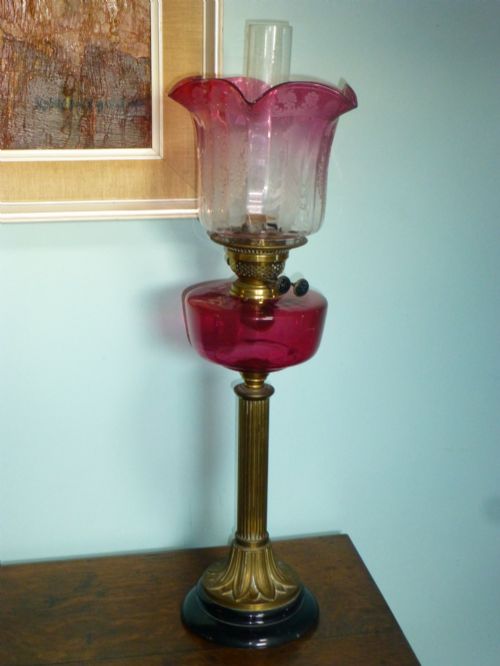
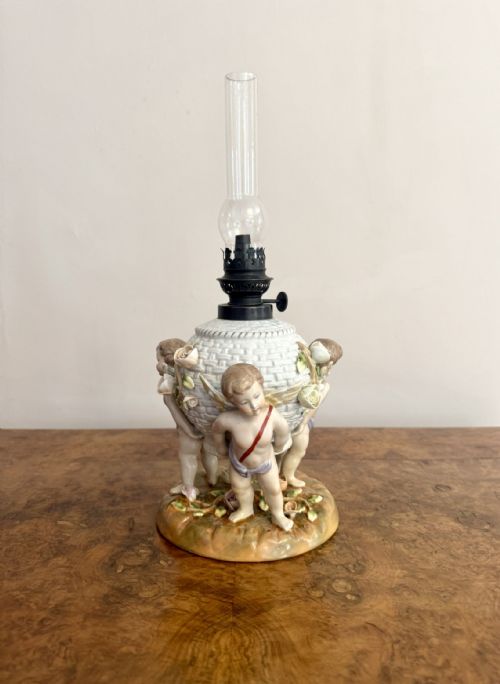
An antique table burner brings warmth and period glow to a room, most commonly found as a Victorian or Edwardian oil lamp.
Antique Table Burner
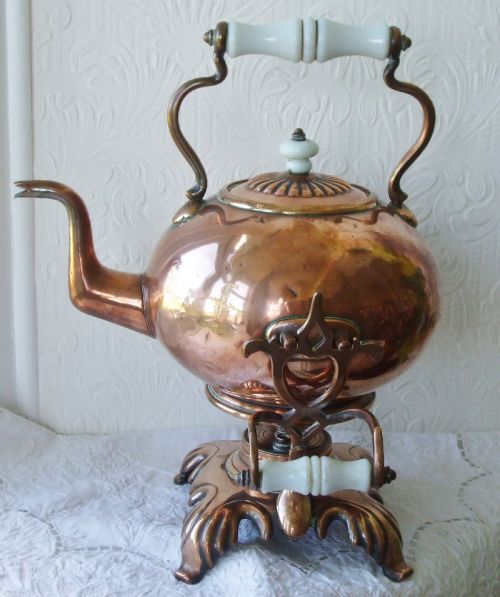
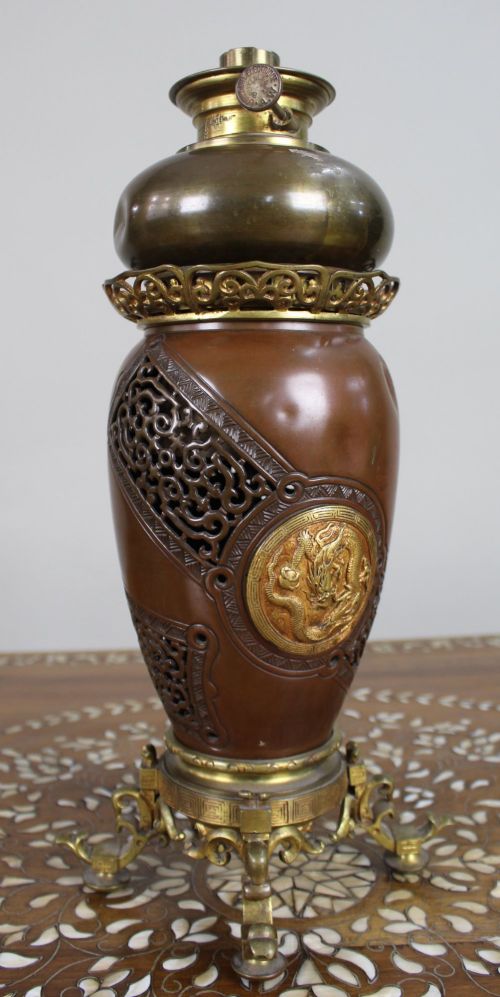
When you search for an antique table burner, you encounter domestic lighting and heating vessels designed for tabletop use. The selection spans the nineteenth century through the Edwardian era, taking the form of oil lamps, spirit kettles, food warmers, and censers. You meet tall column lamps, figural bases, and handled vessels made to sit securely on dining or drawing room surfaces.
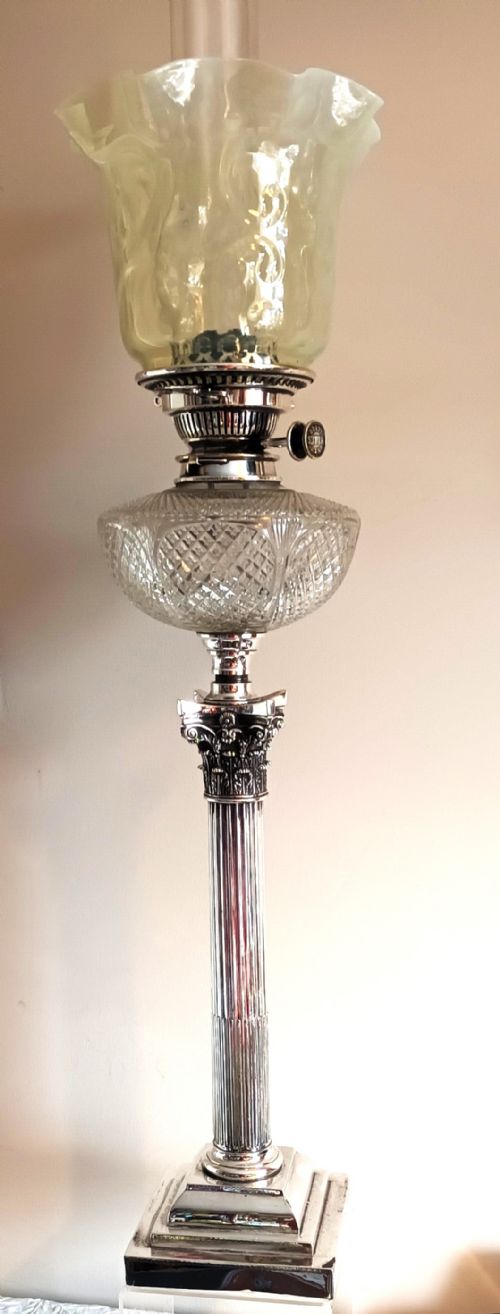
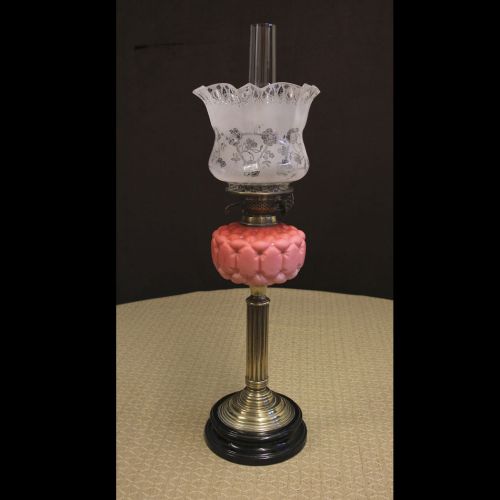
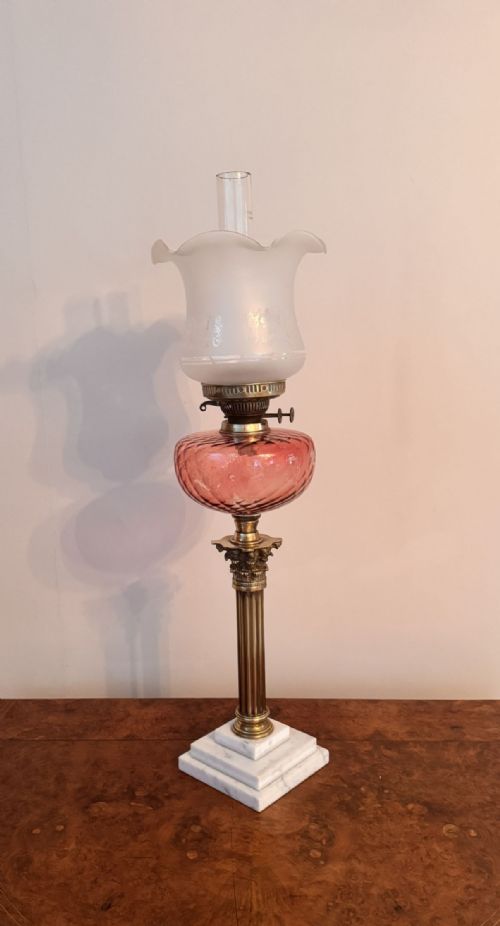
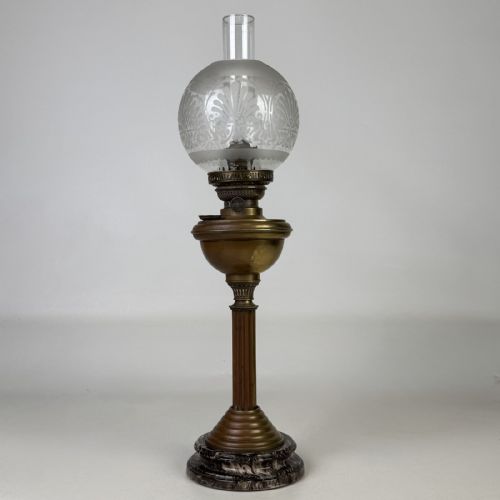
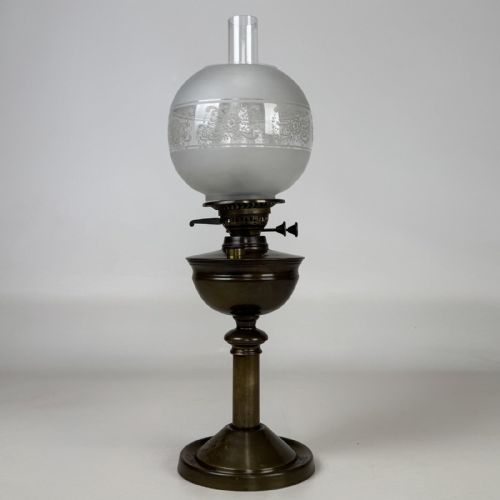
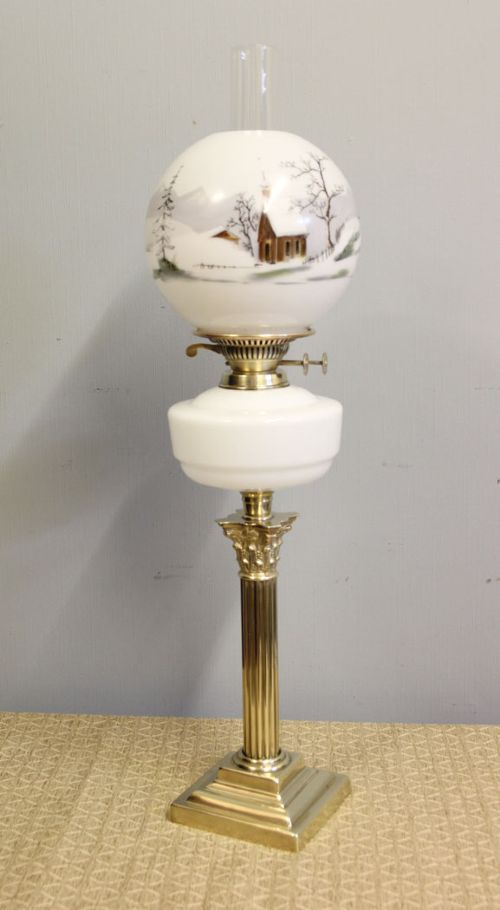
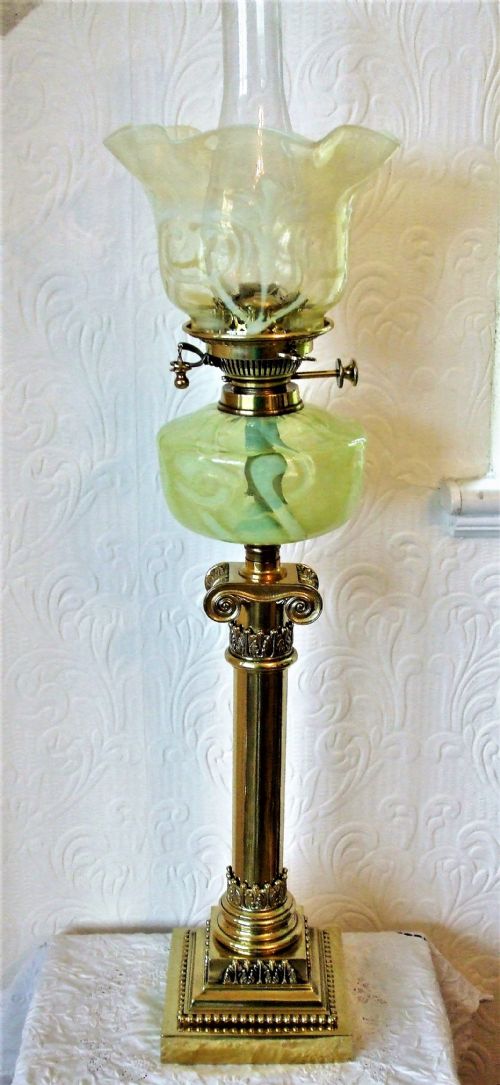
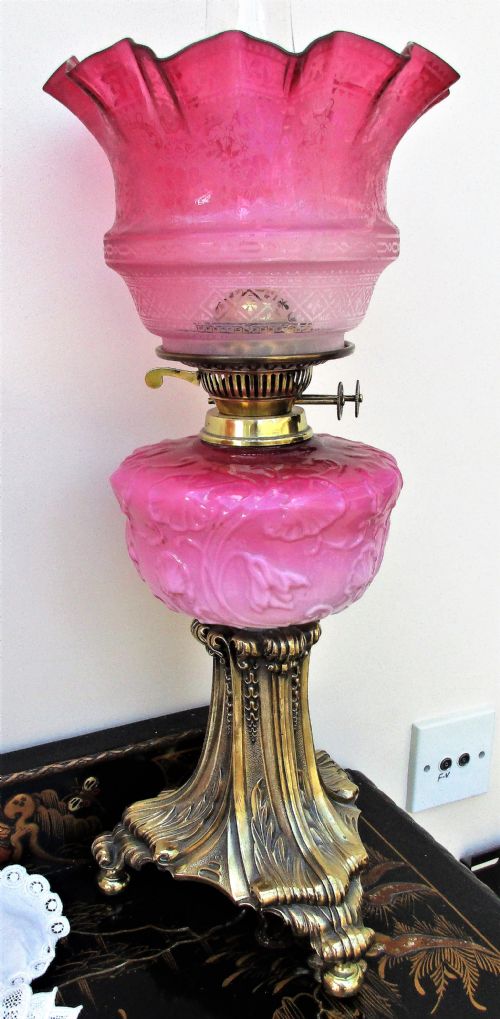
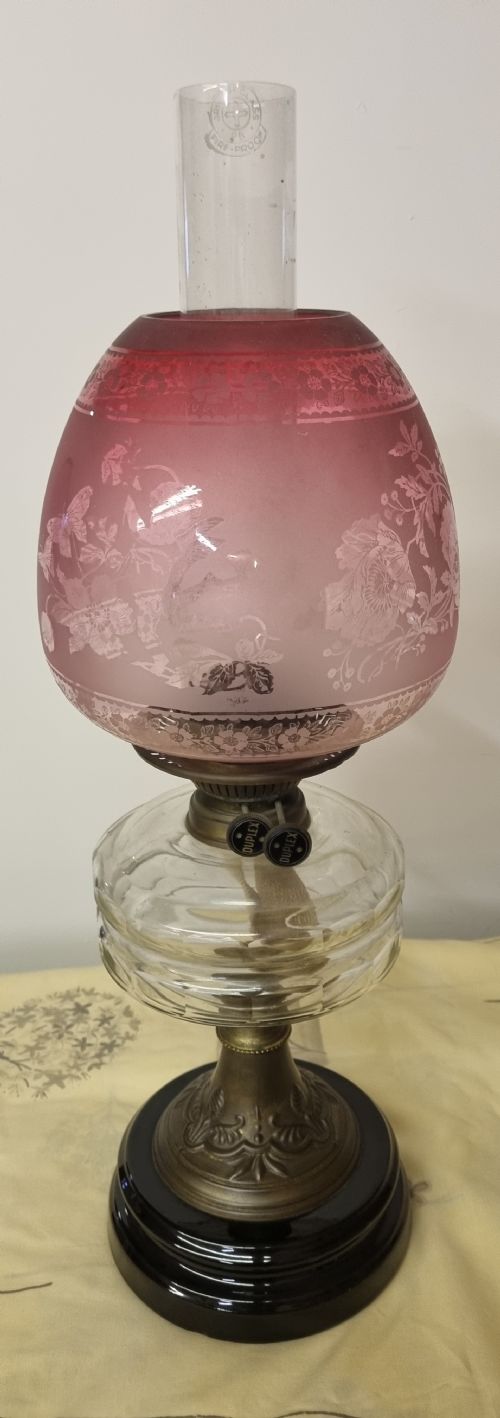
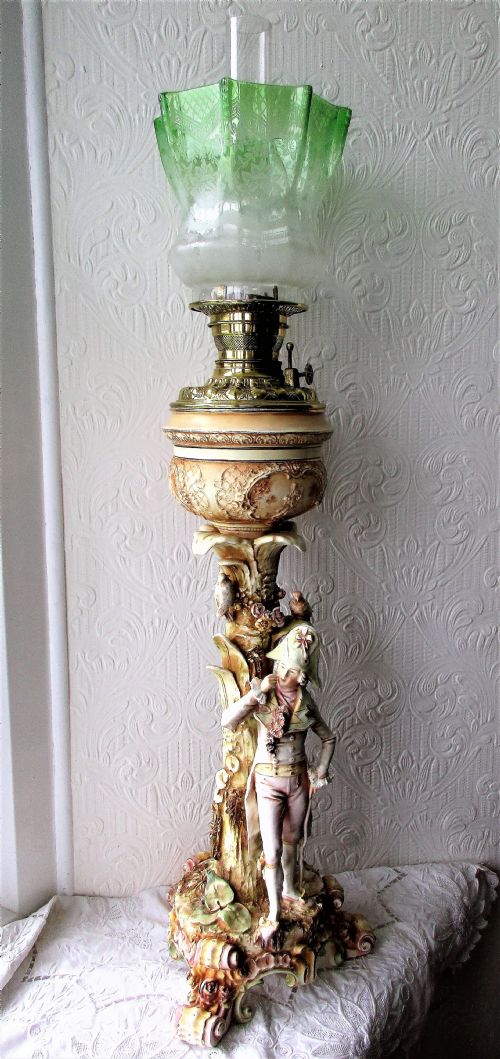
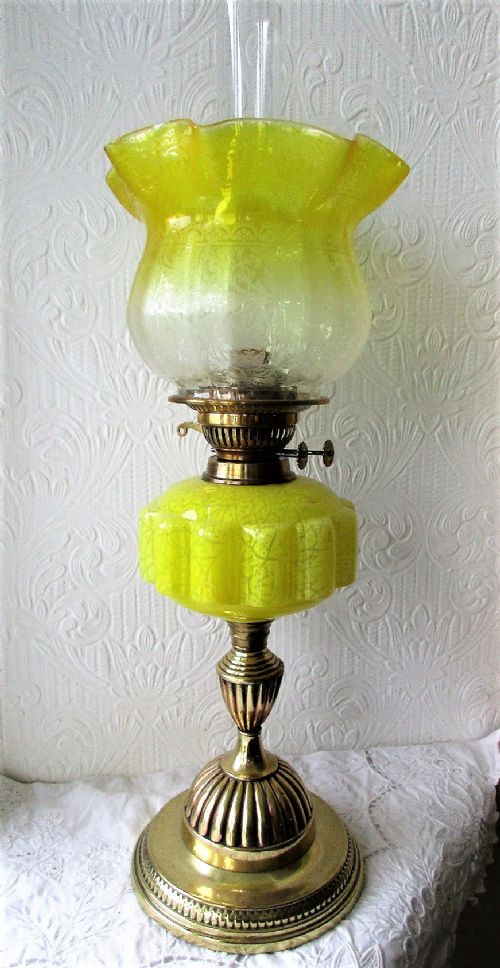
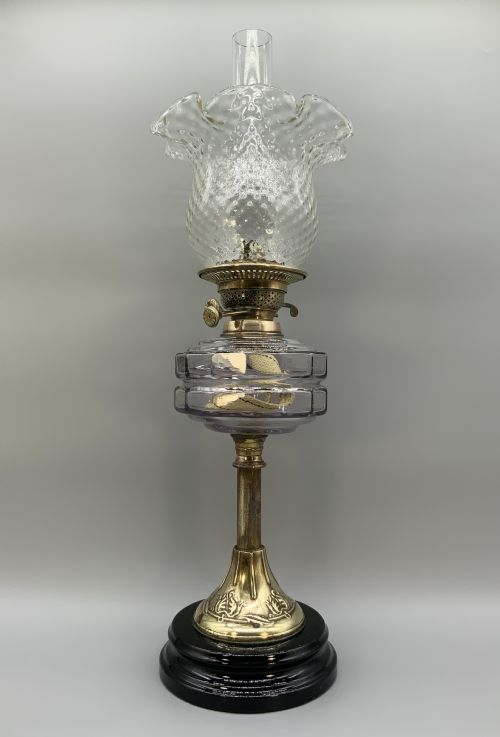
The version you are most likely to meet on this page is the Victorian or Edwardian oil lamp, frequently styled with a brass column and a coloured glass shade. These pieces combine utilitarian fuel storage with decorative glass and metalwork, reflecting the domestic interiors of the period. Alongside lighting, you encounter silver plated and ceramic spirit kettles complete with their original burners for keeping water hot at the table.
Materials and construction
Makers utilised cast and spun brass for columns and mounts, often pairing the metalwork with ceramic bodies or detailed porcelain figures. Many examples incorporate glass fonts and hand-blown shades, utilising cranberry, opaline, or frosted glass to diffuse the light.
Fuel mechanisms rely on engineered brass burners, including duplex systems and specialised designs by makers like Hinks. Spirit kettles and food warmers combine silver plating or ceramic bodies with dedicated under-burners to maintain steady heat.
Antique Table Burner Retail Price Guide 2026
Typical asking prices for table burner among the pieces listed under this phrase on Sellingantiques today, from the lower quarter to the upper quarter. They describe what is for sale here now, not the wider market.
Listings feature nineteenth century and Edwardian pieces in brass, cranberry glass, porcelain, and silver plate.
Quality variations
Quality rests in the weight of the metal casting and the crispness of the architectural detailing, such as Corinthian column fluting or figural modelling in porcelain. Superior examples feature heavier brass components and well-balanced proportions that prevent tipping.
The glass elements further distinguish standard production from finer work, seen in the depth of colour in cranberry glass and the hand-finished etching on tulip shades. Original matched burners and signed mechanisms elevate the integrity of the piece.
Hinks·Taylor Tunnicliff·Wild and Wessel·Sitzendorf
The Antique Table Burner Glossary
- Duplex burner
- A twin-wick burner mechanism that produces a brighter flame than single-wick designs. It usually employs two flat wicks operated by a shared thumbwheel.
- Font
- The reservoir container that holds the lamp oil or paraffin beneath the burner. Fonts appear in clear glass, coloured glass, ceramic, and brass.
- Spirit kettle
- A small water kettle suspended above a small spirit burner on a metal stand. These vessels kept water hot for tea service at the table.
- Censer
- An incense burner designed for burning aromatic substances. They often stand on tripod feet and derive from East Asian decorative traditions.
- Opaline glass
- An opaque or translucent pale glass popular in Victorian lighting. It diffuses light softly while adding colour to the room.
Antique Table Burner: Frequently Asked Questions
How do I operate an antique oil lamp burner?
Operating an antique oil lamp involves filling the font with a suitable lamp oil and allowing the cotton wick to saturate thoroughly before lighting. Adjust the thumbwheel to raise the wick just enough to produce an even flame without smoking.
Keep the glass chimney in place to stabilise the draft and protect the flame. Trim the charred edge of the wick straight across before each use to maintain an even light.
What is a spirit kettle used for?
A spirit kettle is a tabletop vessel designed to keep water hot during tea service or dining without needing a trip to the kitchen. The attached burner uses methylated spirits to maintain a gentle simmer beneath the kettle.
These pieces sit on metal stands equipped with swings or pivots so the kettle can tilt for pouring. They combine practical hospitality with ornamental metalwork.
How do I date a brass table burner?
Dating a brass table burner involves examining the mechanical parts, stylistic cues, and manufacturing marks stamped onto the burner wheels. Victorian pieces often display classical revival motifs like Corinthian columns, while Edwardian versions lean towards simpler, lighter proportions.
Patent names and maker stamps on the brass winding mechanism provide a reliable manufacturing window. Glass shade styles and colours also correspond to specific decades within the nineteenth and early twentieth centuries.
Can I still burn oil in these lamps?
Many collectors choose to wire these lamps for electricity to use them safely as daily table lighting without handling fuel. Converting a lamp typically involves running a cord through the existing central column without altering the exterior metalwork.
If you prefer to burn oil, inspect the font for hairline cracks and ensure the burner mechanism fits tightly. Modern paraffin-based lamp oil burns cleanly and reduces odours indoors.