



Antique Table Brush
These antique table brush and related dressing pieces bring hands-on utility and period character to daily routines.
Antique Table Brush
An antique table brush typically appears alongside dressing table sets, shaving sets, vanity sets, and crumb trays from various periods. These domestic objects reflect the grooming and dining habits of past decades.
Visitors browsing this selection will encounter items spanning the eighteenth, nineteenth, and twentieth centuries, including pieces produced during the Edwardian era, Art Deco period, and Art Nouveau movement.
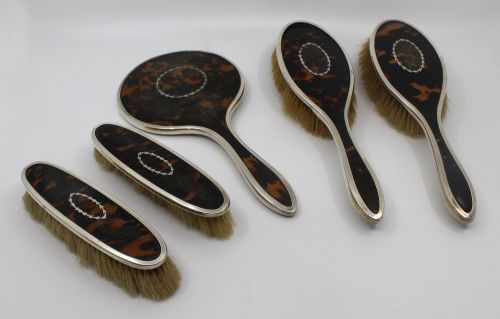
Material variety is a defining characteristic of this group, incorporating sterling silver, natural bristle, carved wood, mother of pearl, and faux tortoiseshell. Such pieces frequently originate from British assay offices and international workshops.
How they were made
Metal components utilise sterling silver and pewter, shaped into crumb trays, frames, and brush backs. Silversmiths applied techniques such as guilloche enamel and hallmark stamping to finish the metal surfaces.
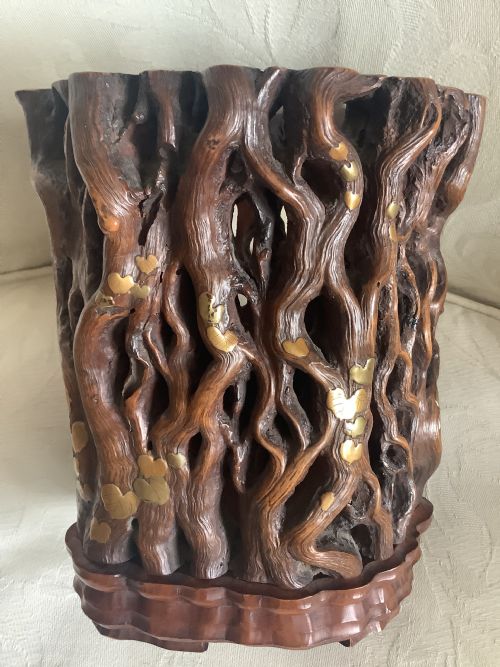
Organic materials like natural bristle, carved wood, bamboo, and mother of pearl form the structural and functional elements. Artisans carved hardwood and bamboo to create deep vessels and applied natural bristles securely to brush bases.
Antique Table Brush Retail Price Guide 2026
Typical asking prices for table brush among the pieces listed under this phrase on Sellingantiques today, from the lower quarter to the upper quarter. They describe what is for sale here now, not the wider market.
Scholars historically washed their ink brushes in compressed ceramic vessels that look remarkably like miniature petrified pumpkins.
What varies in quality
Quality rests in the crispness of the carving on wooden vessels and the precision of the metalwork on silver mounts. Finer examples display intact natural bristles and tightly secured inlays without loose fittings.
The sophistication of the decorative style marks the distinction between standard utility items and exceptional studio pieces. Superior items feature detailed guilloche enamel work or intricate oriental carving.
Asprey and Co·Orivit
The Antique Table Brush Glossary
- Guilloche enamel
- A decorative technique involving precise mechanical patterns engraved beneath translucent enamel layers. This finish appears frequently on twentieth-century dressing table items.
- Natural bristle
- Animal hair utilised historically for the working fibres of clothes and table brushes. These durable bristles secured firmly into wooden or silver bases.
- Faux tortoiseshell
- A manufactured material designed to imitate genuine hawksbill shell, commonly utilised in vanity sets. It offers rich amber and brown tones.
- Meiji Period
- A Japanese historical era associated with intricate metalwork and carved brush pot lamps. Items from this period demonstrate advanced craftsmanship.
- Qing Dynasty
- A Chinese imperial period noted for hard wood and iron rust-glazed brush washers. Pieces from this era show traditional scholar studio forms.
Antique Table Brush: Frequently Asked Questions
How were table brushes used?
Dressing table brushes served personal grooming needs, such as maintaining hair and clothing during daily routines. Crumb trays and table brushes cleared dining surfaces after meals.
Scholar studio items, such as brush pots and washers, held writing implements or rinsed ink brushes in traditional studies.
How do I clean silver brushes?
Silver backs require gentle cleaning with a specialised silver cloth to preserve hallmarks and decorative details. Keep moisture away from natural bristles and glued joints during maintenance.
Store these objects in stable environments away from direct sunlight to protect organic elements like faux tortoiseshell and velvet.
How do I date these items?
Silver components often feature assay marks and date letters that indicate the exact year and city of manufacture. Stylistic indicators like Art Deco geometric lines or Art Nouveau organic curves also help place objects in specific eras.