





Antique Swirl Ring
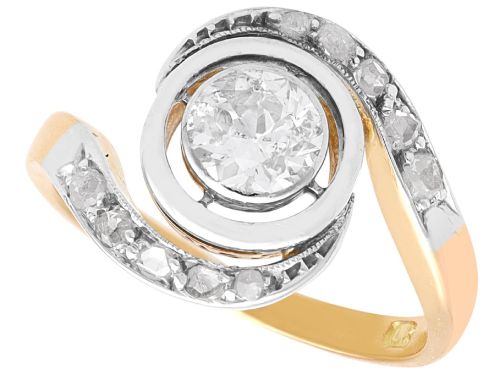
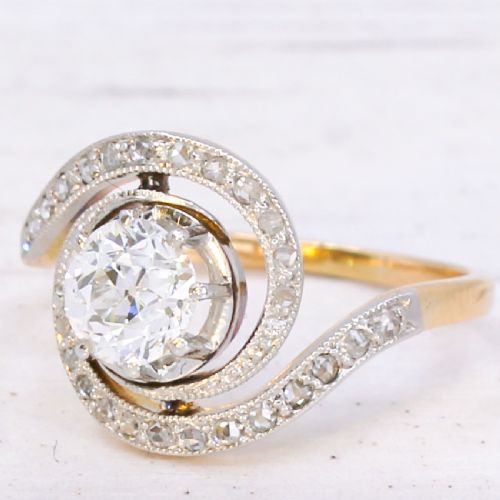
An antique swirl ring wraps the finger in dynamic curves of precious metal and sparkling old cut diamonds.
Antique Swirl Ring
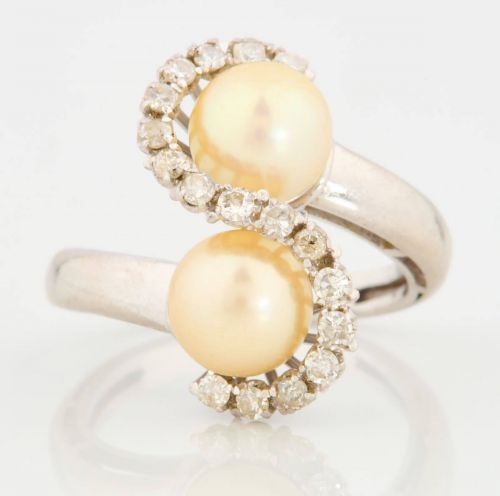
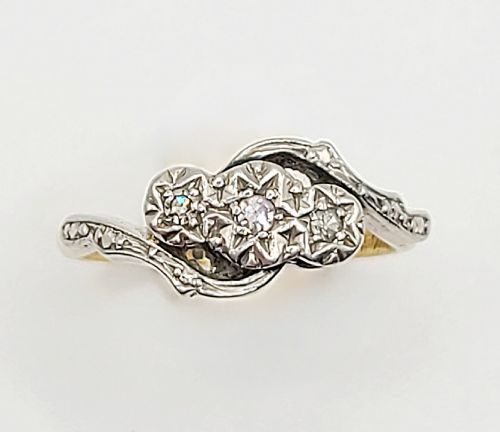
An antique swirl ring presents a fluid, curving design that winds across the finger, bringing movement to gemstone settings. These pieces bring together curved bands, spiral clusters, and dynamic turns of precious metal that define an antique swirl ring.
The pieces on this page span the Edwardian era, the Art Nouveau period, and the 1920s to 1960s. Collectors encounter tourbillon rings, spiral clusters, and swirlover designs featuring old cut diamonds, pearls, rubies, and garnets.
Makers shaped these rings in yellow gold, 18ct white gold, and platinum. Each era contributes its distinct geometry, from flowing organic lines to sharp geometric turns.
How they were made
Goldsmiths worked with 18ct gold, yellow gold, 18ct white gold, and platinum to form these sweeping bands. Platinum mounting became widespread during the Edwardian period and the 1920s, allowing for delicate claw and bezel settings that secured old cut diamonds.
Craftsmen set old cut, rose cut, and transitional cut diamonds alongside pearls, rubies, and garnets. The stones follow the curving lines of the metal, requiring precise hand-setting to maintain the fluid motion of the design.
Antique Swirl Ring Retail Price Guide 2026
Typical asking prices for swirl ring among the pieces listed under this phrase on Sellingantiques today, from the lower quarter to the upper quarter. They describe what is for sale here now, not the wider market.
What varies in quality
The fineness of the metalwork and the precision of the stone setting determine the standing of each piece. Stronger examples maintain crisp lines in the platinum or gold curves without thinning along the shoulders.
The character and cut of the central diamonds or accompanying pearls elevate the work. Original settings that securely hold old cut stones without modern alterations represent the highest grade of craftsmanship.
The Antique Swirl Ring Glossary
- Old cut diamond
- A diamond faceted by hand before modern machinery, featuring a smaller table and high crown that catch candlelight warmly.
- Tourbillon ring
- A circular or swirling design that creates a vortex effect of rotating stones and metal around a central point.
- Platinum
- A dense, durable white metal favoured in Edwardian and Art Deco jewellery for holding delicate gemstone settings securely.
- Rose cut diamond
- A vintage stone cut with a flat base and a domed crown of triangular facets resembling an unopened rosebud.
- Spiral cluster
- A gemstone arrangement where stones follow a winding path outward from a central point rather than resting in a traditional halo.
Antique Swirl Ring: Frequently Asked Questions
How do I clean an antique swirl ring?
Use warm water, mild washing up liquid, and a very soft brush to gently clean around the stones and curving metal. Avoid harsh chemical dips, particularly with pearls and softer gems.
Dry the piece thoroughly with a lint-free cloth. Periodic checks by a jeweller ensure the delicate claws remain tight.
Can an antique swirl ring be resized?
Many of these rings can be adjusted by a skilled jeweller, depending on the complexity of the band and shoulders. Rings with continuous swirling metal require careful work to avoid disrupting the pattern.
Consult a specialist who works with vintage platinum and gold settings. They will assess whether the band can take a new size safely.
What periods do these rings come from?
The selections span the Edwardian and Art Nouveau eras, moving through the Art Deco period into the mid-twentieth century. Each decade brings distinct metal choices, from yellow gold beginnings to platinum mountings.
Stylistic shifts reflect the changing tastes from organic curving lines to geometric precision. Dating relies on hallmarks, materials, and cutting styles.
How do I wear a swirl ring daily?
Wear the ring with care, removing it during heavy manual work, gardening, or sports to protect the prongs and softer stones like pearls. Pairing it with plain bands prevents rubbing against the curving edges.
Store the piece individually in a lined box to keep the old cut diamonds from scratching other jewellery.