




Antique Swirl Ring Gold
An antique swirl ring gold brings sweeping lines and dynamic curves to the finger, offering a distinct departure from standard geometric bands.
Antique Swirl Ring Gold
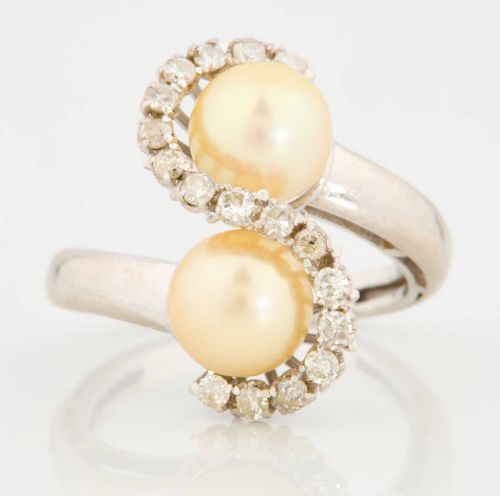
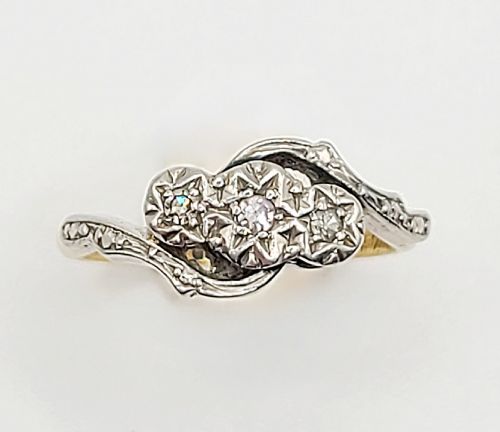
An antique swirl ring gold piece combines fluid motion with precious metals, capturing dynamic movement across the finger through spiral, cluster, and swirlover designs. Buyers examining an antique swirl ring gold selection encounter varied configurations, from subtle curving shoulders to prominent central spirals that wrap around the finger.
The objects span multiple decades and aesthetic movements, originating from Edwardian workshops through to the mid-century period. Pieces include solitaire arrangements framed by sweeping metal, trilogy formations set within spiralling shoulders, and multi-stone clusters that trace curving trajectories.
Most examples showcase the transition of styles across distinct eras, featuring delicate Edwardian scrolling alongside bolder geometric turns from the Art Deco years. The selection encompasses French craftsmanship alongside British pieces, uniting diverse regional approaches under the overarching theme of curving metal and secure stone settings.
Materials and construction methods
Goldsmiths utilise a combination of 18ct yellow gold, 18ct white gold, and platinum to achieve both structural strength and contrasting colour profiles. Platinum often secures diamonds in crisp claw or millegrain settings, while yellow or white gold forms the curving shank and spiralling body of the band.
Gemstone selection relies on old cut, transitional cut, and rose cut diamonds, frequently paired with pearls and rubies to accentuate the sweeping contours. Stones are flush-set, grain-set, or raised in clusters to follow the natural arc of the metalwork without interrupting the fluid silhouette.
Listings feature pieces spanning the Edwardian era through the 1950s and 1960s, employing yellow gold, white gold, and platinum.
Distinctions in construction and design
Superior examples demonstrate seamless integration between the supporting metal and the central stones, where the curves appear natural rather than forced. The weight and gauge of the 18ct gold or platinum band provide substantial durability, preventing distortion along the delicate swirl points.
Execution of the metalwork defines the upper tier, particularly in hand-forged millegrain edges and precise flush-setting that keeps stones secure within tight spirals. Lesser pieces exhibit heavier, less refined casting where the dynamic motion of the swirl becomes rigid or overly thick.
The Antique Swirl Ring Gold Glossary
- Old cut diamond
- A hand-faceted diamond shape common in antique jewellery, featuring a small table, high crown, and large open culet that produces a softer candlelit sparkle. These stones provide the organic warmth seen in Edwardian and early twentieth-century rings.
- Millegrain
- A decorative technique involving a row of tiny raised metal beads along the edges of a setting, creating a soft textured border. This detail appears frequently on platinum and white gold sections of period rings.
- Trilogy ring
- A ring set with three principal gemstones, often symbolising the past, present, and future. In swirl designs, the flanking stones curve inward to cradle the central gem.
- Rose cut diamond
- A vintage diamond cut characterised by a flat base and a domed crown covered in triangular facets, resembling an unopened rosebud. This cut offers a subtle, translucent shimmer rather than modern brilliance.
- Solitaire
- A ring featuring a single prominent gemstone mounted on a metal band. When combined with a swirl motif, the shoulders sweep dynamically toward this central stone.
Antique Swirl Ring Gold: Frequently Asked Questions
How do I clean an antique gold swirl ring?
Clean these delicate pieces using warm water, mild washing-up liquid, and a soft-bristled brush to remove everyday debris from beneath the settings. Avoid harsh chemical dips, ultrasonic cleaners, and abrasive cloths, as these can loosen pearls or damage aged metalwork.
Pat the piece completely dry with a soft lint-free cloth after washing. Store the ring individually in a fabric-lined box to prevent the gold and platinum from scratching against other items.
Can antique swirl rings be resized easily?
Resizing depends entirely on the construction of the band and how the swirl motif extends down the shoulders. If the spiral pattern wraps heavily around the entire circumference, altering the size without disrupting the design requires skilled laser welding.
Take the ring to a specialist jeweller who works regularly with period pieces. They can assess whether the band has enough plain shank remaining at the back to adjust the size safely.
How do I tell Edwardian from Art Deco swirl rings?
Edwardian swirl rings typically display organic, flowing lines inspired by nature, featuring delicate millegrain work, yellow gold bands, and softer platinum highlights. The overall aesthetic feels light, airy, and lace-like.
Art Deco examples introduce sharper geometry, bolder platinum settings, and more pronounced architectural curves. They often utilise white gold or platinum extensively to create stark colour contrasts against the central diamonds.