

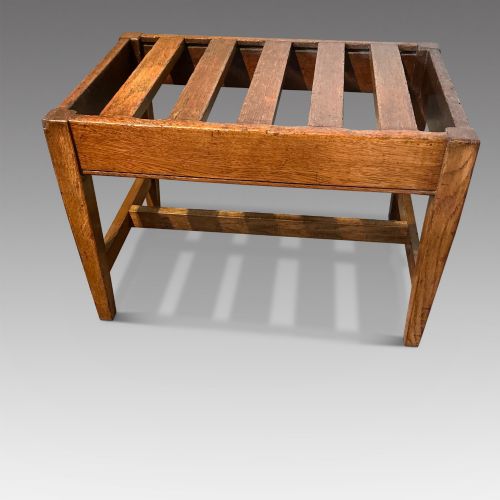

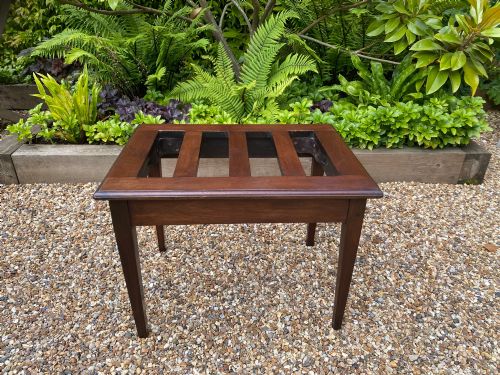
Antique Suitcase Rack
An antique suitcase rack solves the modern bedroom clutter problem with genuine period utility and sturdy timber construction.
Antique Suitcase Rack
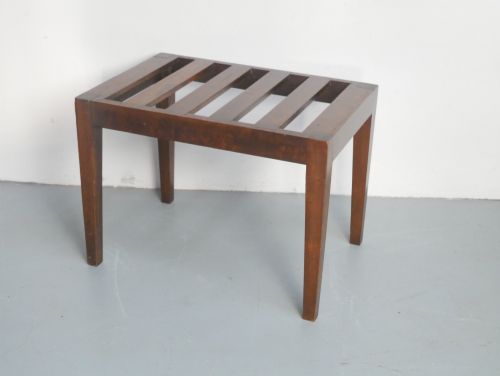
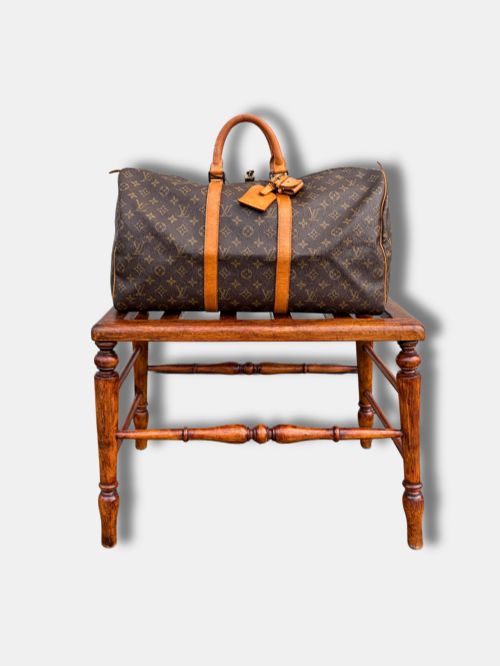
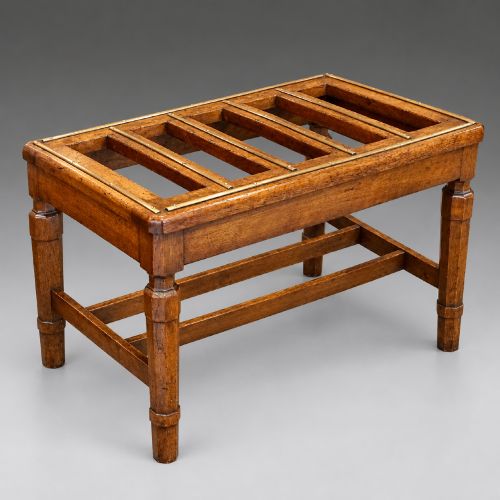
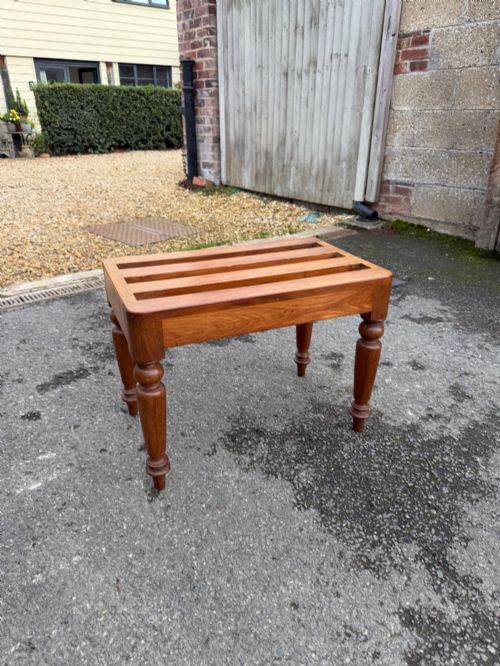
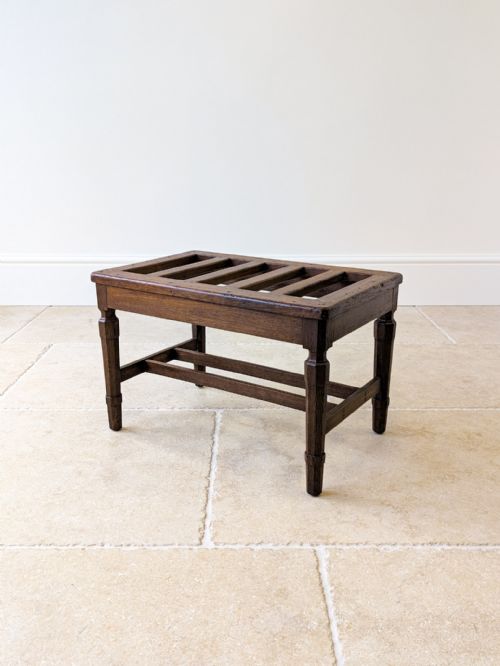
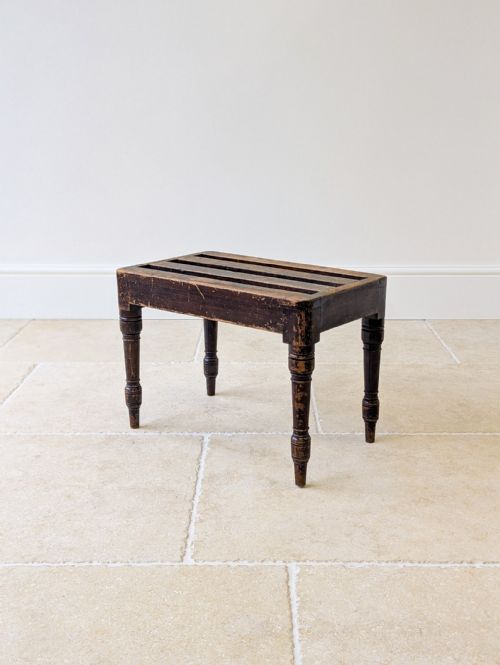
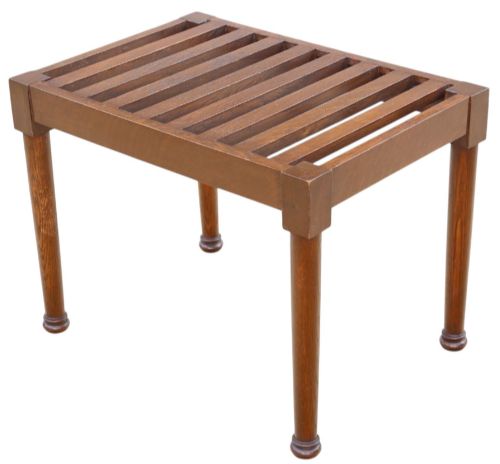
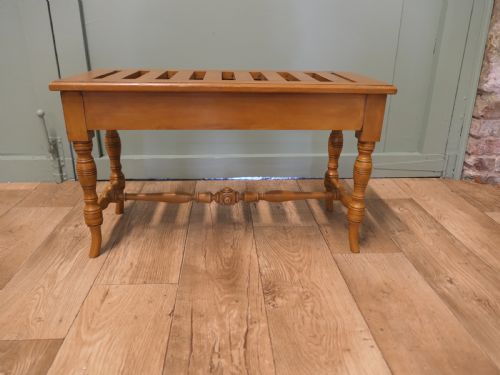
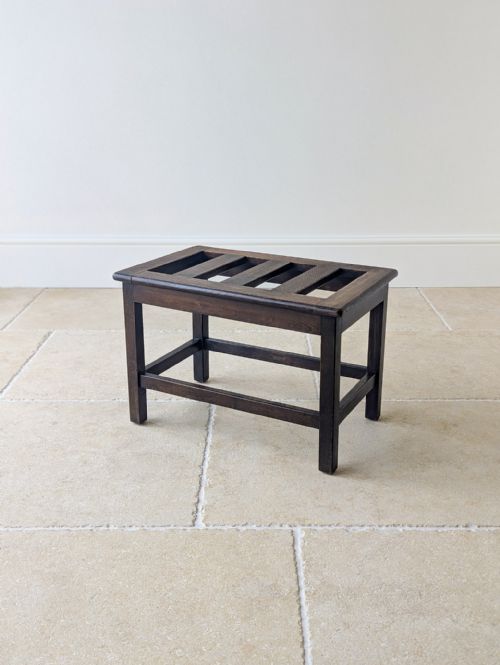
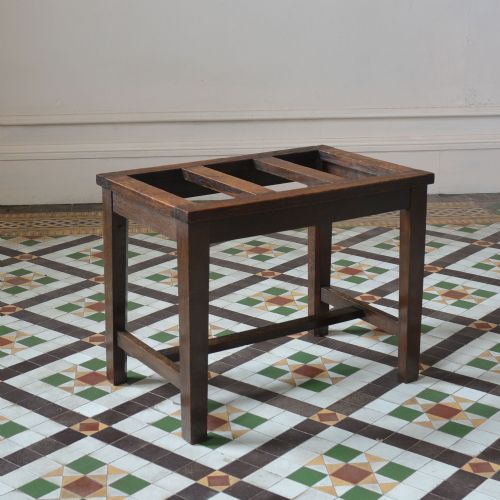
An antique suitcase rack, also known by makers as a luggage stand, provides an elevated platform for packing bags or holding guest cases. These practical furnishings appear primarily in Edwardian and Victorian forms, spanning the nineteenth and early twentieth centuries.
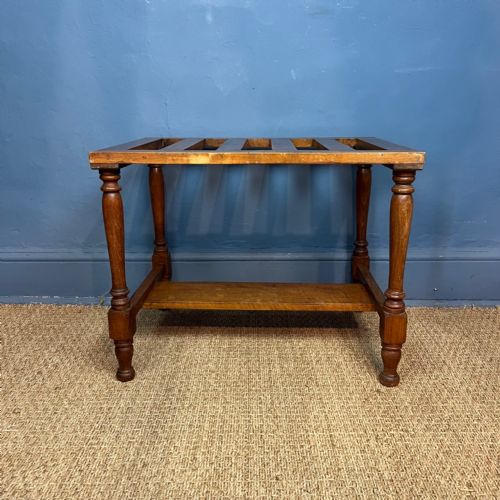
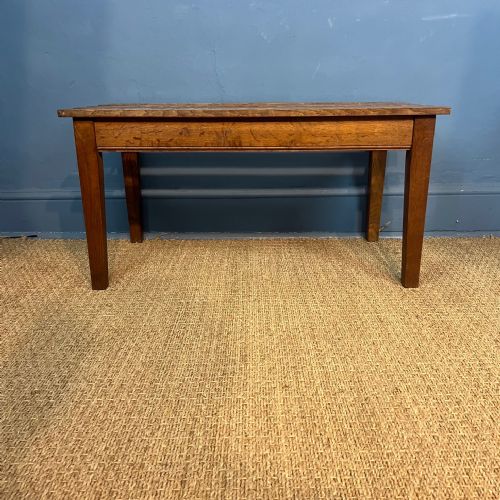
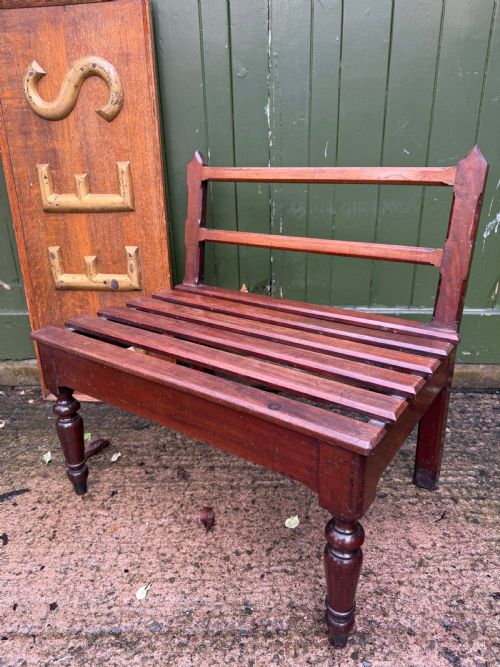
The pieces listed here lean heavily toward solid timber frames, often rendered in oak or mahogany. Buyers frequently encounter Edwardian oak examples alongside mid-nineteenth-century mahogany country-house variations with raised rear upstand supports.
Originating from domestic guest bedrooms and hotels such as West End establishments, these stands combine straightforward utility with period craftsmanship. They range from simple folding beech frames to substantial ash and yew wood constructions.
Materials and Construction Methods
Makers utilised hardwoods like oak, mahogany, walnut, and beech to build sturdy folding or fixed frames that could support heavy travel trunks. Brass hardware frequently appears on hinges and joint reinforcements, while iron and painted pine surface occasionally in industrial or utilitarian contexts.
Joinery on these stands relies on traditional methods to withstand the weight of packed luggage. Many examples incorporate sloped or raked rear upstands to keep bags from sliding against bedroom walls.
Antique Suitcase Rack Retail Price Guide 2026
Typical asking prices for suitcase rack among the pieces listed under this phrase on Sellingantiques today, from the lower quarter to the upper quarter. They describe what is for sale here now, not the wider market.
Listings feature woods including oak, mahogany, walnut, beech, ash, yew, and pine, alongside iron and brass hardware.
Judging the Build and Timber
Quality rests on the selection of timber and the integrity of the frame construction. Denser woods like walnut and figured mahogany, along with carved details on Edwardian oak, separate standard utility items from superior pieces.
Makers' marks or hotel provenance elevate certain items, showing through crisp maker stamps on the woodwork or structural evidence of heavy-duty commercial deployment in West End hotels.
Brown and Lamont·Beatty Bros Fergus Canada·Waring and Gillow
The Antique Suitcase Rack Glossary
- Upstand
- A raised barrier at the rear of a luggage stand. This feature prevents suitcases from scuffing walls during packing.
- Luggage stand
- A low folding or fixed table designed to hold a travelling case at a convenient height. These pieces were standard bedroom furniture in domestic and hotel settings.
- Arts and Crafts
- A design movement prioritising honest construction and visible material qualities. Pieces from this style often display unpretentious oak frames.
- Country house
- A descriptive term for furnishings designed for large domestic estates. These objects typically feature generous proportions and robust hardwood construction.
Antique Suitcase Rack: Frequently Asked Questions
How were antique suitcase racks used?
These racks were placed in guest bedrooms so visitors could unpack trunks and suitcases without bending down to the floor. Hotels also utilised them in guest quarters for daily convenience.
Today, they serve the exact same purpose in modern homes or act as handy bedroom furniture for holding folded blankets.
Where should I put a luggage rack?
They fit naturally at the foot of a bed or inside a spare bedroom. Their compact footprint makes them useful in narrow dressing areas.
In living spaces, some people repurpose them as low display tables or tray stands for books and plants.
How do I date an antique luggage stand?
Dating relies on timber choices, leg profiles, and structural joinery details. Victorian pieces often use heavy mahogany or ash, while Edwardian versions frequently feature lighter oak.
Maker stamps or branded hotel marks also help narrow down the exact decade of manufacture.
Are these stands strong enough for heavy bags?
Most antique stands were built from solid hardwoods like oak and mahogany specifically to bear the weight of heavy travel trunks. Their traditional joinery gives them surprising load-bearing strength.
Checking the stability of the folding mechanism or frame joints ensures the piece remains ready for everyday use.