
Antique Style Oak Furniture
These pieces of antique style oak furniture bring traditional British craft and sturdy timber into modern interiors.
Antique Style Oak Furniture
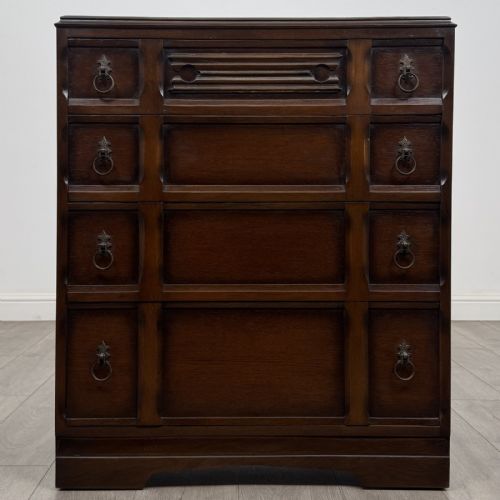
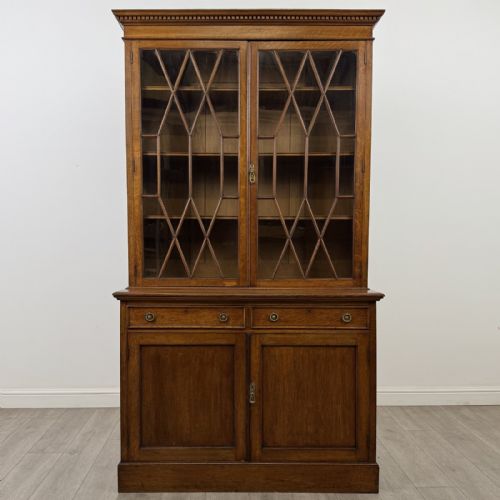
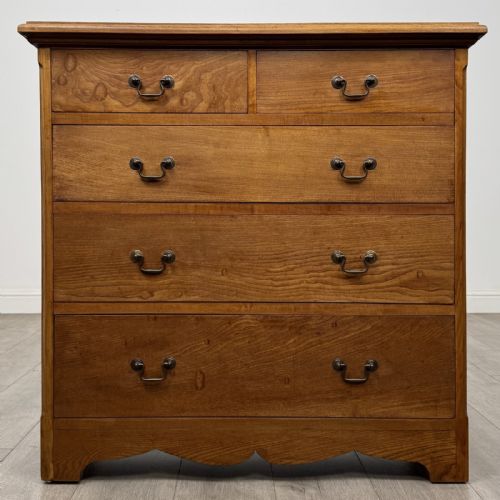
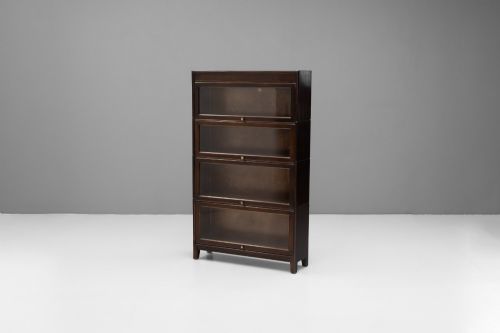
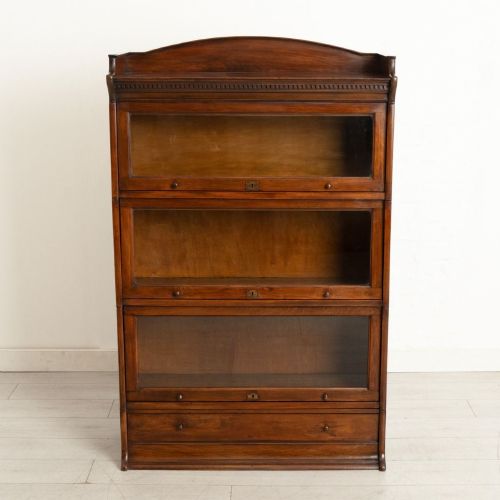
When buyers search for antique style oak furniture, they encounter a broad selection spanning several centuries of cabinet-making traditions, from early panelled coffers to later revival dining sets. The items on this page range from solid oak chests of drawers and refectory dining tables to smaller side tables, bookcases, and benches.
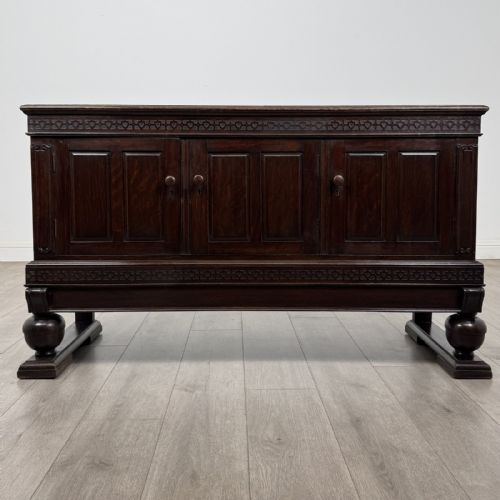
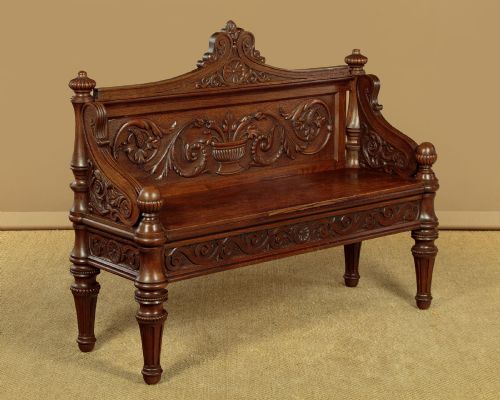
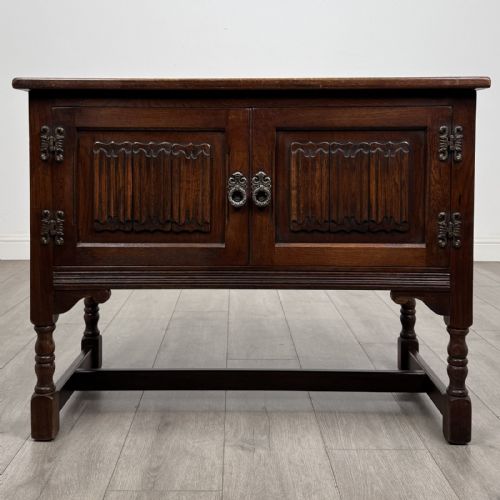
The most common pieces met here belong to the Edwardian period and the early twentieth century, alongside specific revival movements that deliberately copied earlier eras. Makers drew inspiration from Jacobean, Charles II, and Gothic styles, producing heavy oak benches, sideboards, and dressers that mimic centuries-old joinery.
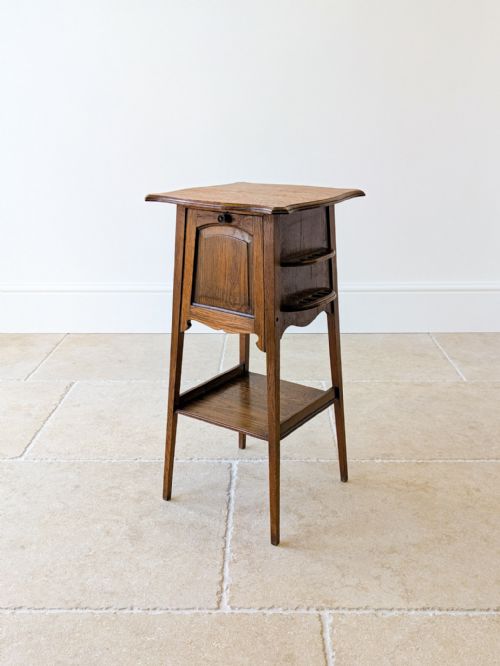
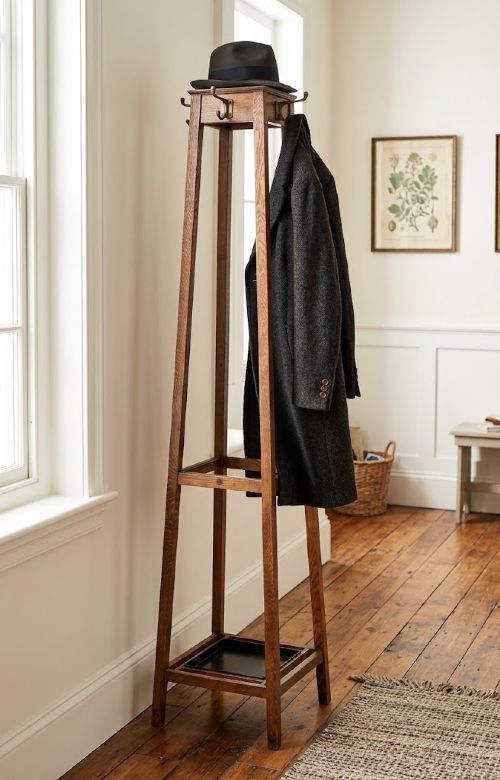
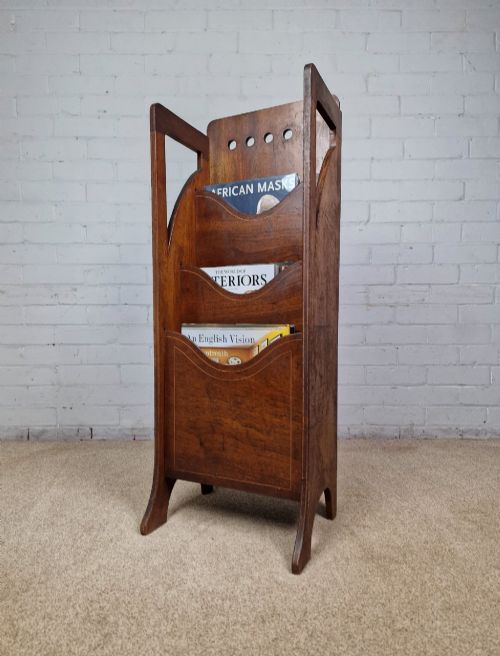
Alongside formal dining furniture and large cabinets, the selection includes specialised items like music cabinets, umbrella stands, monks benches, and prayer desks. These domestic and ecclesiastical forms demonstrate how versatile oak remained across different decades and social settings.
What varies in quality
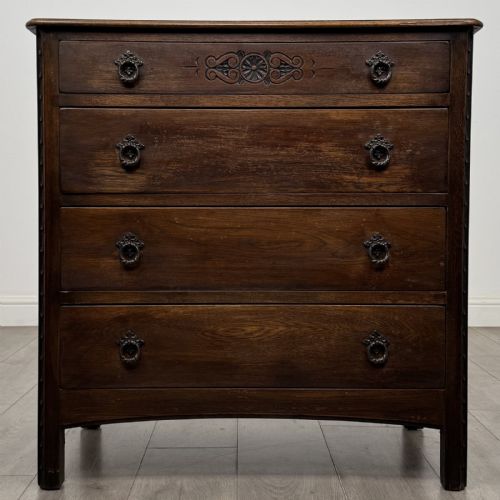
The standard of execution in antique style oak furniture depends largely on the depth of the carving and the fidelity of the revival style to its historical source. Pieces that utilise solid oak throughout, rather than veneered substitutes, demonstrate superior structural integrity and longevity.
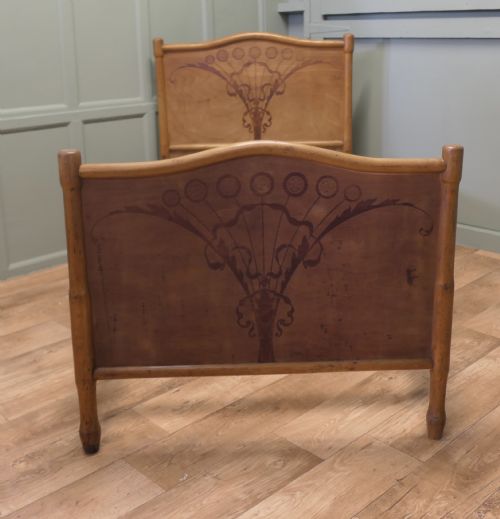
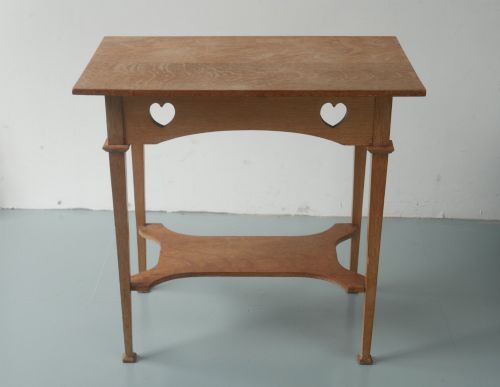
Proportion and balance distinguish finer workshop output from mass-produced items, particularly in revival sideboards, chests of drawers, and refectory tables. Thoughtful placement of grain patterns and cleanly executed joints elevate pieces designed by notable Arts and Crafts movements above standard commercial stock.
Materials paired with oak across these pieces include brass, iron, copper, glass, fabric, and rush seating.
GM Elwood for JS Henry·Liberty·Morris and Co
The Antique Style Oak Furniture Glossary
- Refectory table
- A long dining table traditionally used in monasteries and large halls, characterised by sturdy legs connected by a central stretcher. These sturdy tables form the centrepiece of many traditional dining sets.
- Cofer
- A heavy wooden chest used historically for storage, often constructed with thick oak planks and secured with iron bands. Medieval and early period examples display primitive board construction.
- Monks bench
- A multifunctional piece of furniture that converts from a bench with a solid back into a table by flipping the backrest forward. This clever dual-purpose form appears frequently in solid oak.
- Draw-leaf table
- A dining table equipped with sliding extension leaves hidden beneath the main top surface, allowing the table length to increase. Revival pieces often utilise this mechanism for modern dining flexibility.
- Trefoil
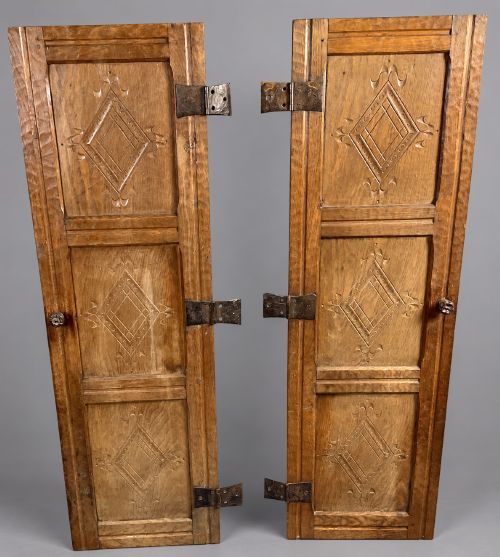
- A decorative three-lobed shape resembling a clover leaf, commonly pierced or carved into the wood of Gothic revival furniture. This motif appears on supports and panels of nineteenth-century benches.
Antique Style Oak Furniture: Frequently Asked Questions
How do I identify Jacobean style oak furniture?
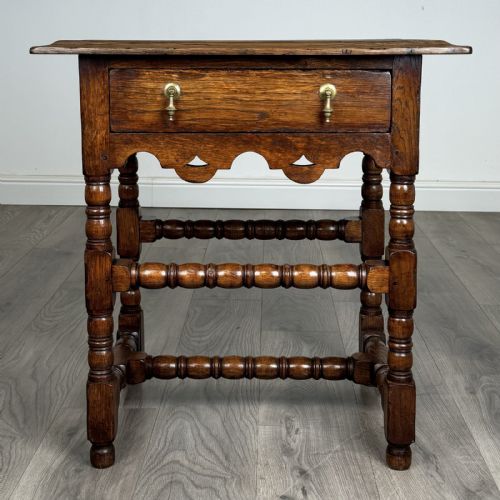
Jacobean style pieces feature heavy rectilinear proportions, geometric mouldings, and dark-stained oak surfaces reminiscent of seventeenth-century domestic interiors. They often incorporate panelled construction and heavy turnings on legs and stretchers.
Revival versions produced in the Edwardian era replicate these architectural elements with machine assistance while retaining the substantial weight and dark tone of the original period.
Where were Arts and Crafts oak cabinets used?
Arts and Crafts cabinets were designed for domestic living spaces, libraries, and music rooms, serving as practical storage for books, sheet music, or decorative objects. Their straightforward design emphasised utility and the natural grain of the timber.
These pieces typically avoided excessive ornamentation, relying instead on clean lines, visible joinery, and quality metal hardware such as brass handles.
What is limed oak furniture?
Limed oak is furniture treated with a white or pale pigment rubbed into the open grain of the wood to create a lighter, frosted appearance. This technique gained popularity during the early twentieth century for contemporary interior schemes.
The process highlights the natural texture of the oak while softening its traditional golden or dark brown colour.
How should I care for solid oak surfaces?
Solid oak benefits from periodic application of traditional beeswax to nourish the timber and maintain a soft lustre. Avoid placing oak items near direct heat sources or in fluctuating humidity to prevent the wood from splitting.
Dusting with a dry, soft cloth prevents particulate buildup without requiring harsh chemical cleaning agents.