

Antique Style Mantelpiece
An antique style mantelpiece brings architectural presence to a room, offering a structured focal point that frames a hearth with period character.
Antique Style Mantelpiece
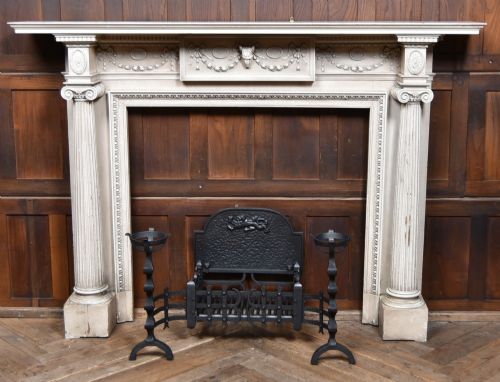
When searching for an antique style mantelpiece, buyers encounter architectural fire surrounds alongside decorative items designed to sit upon them. The selection includes pine and carved gesso pieces originating from the nineteenth century.
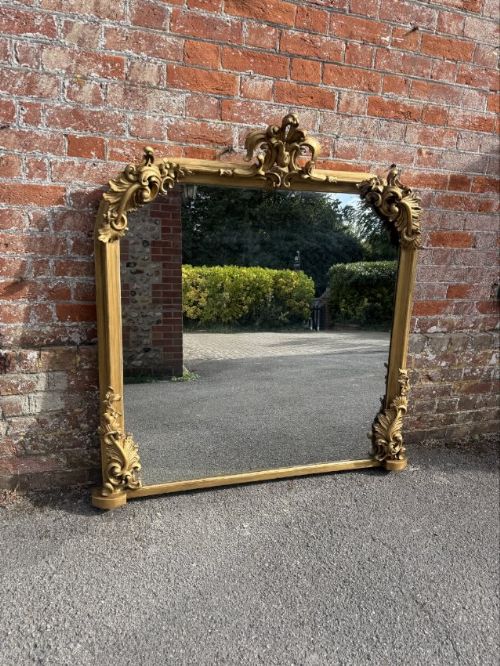
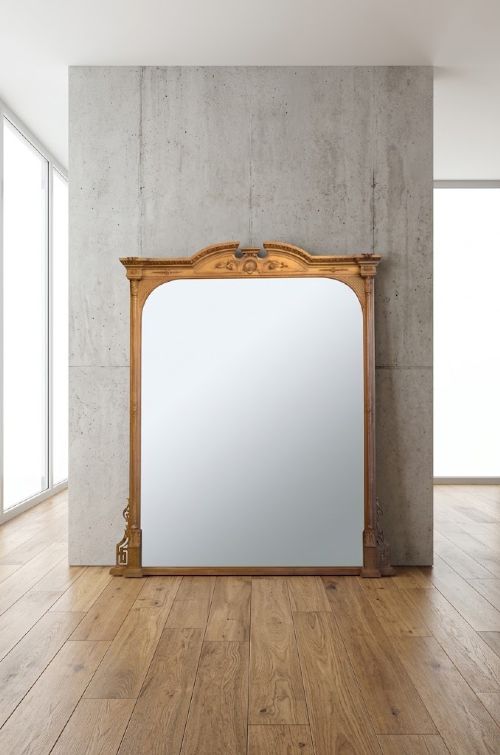
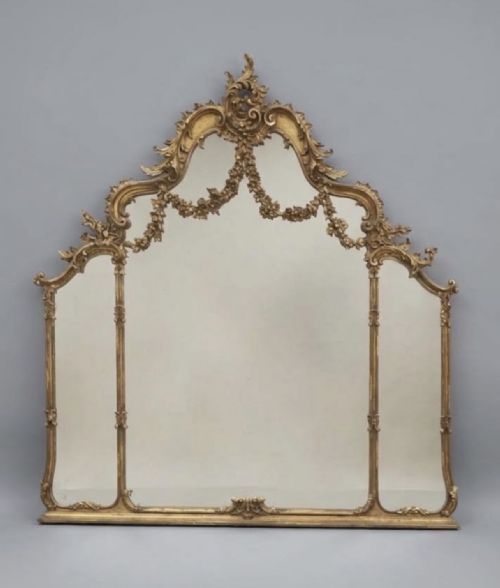
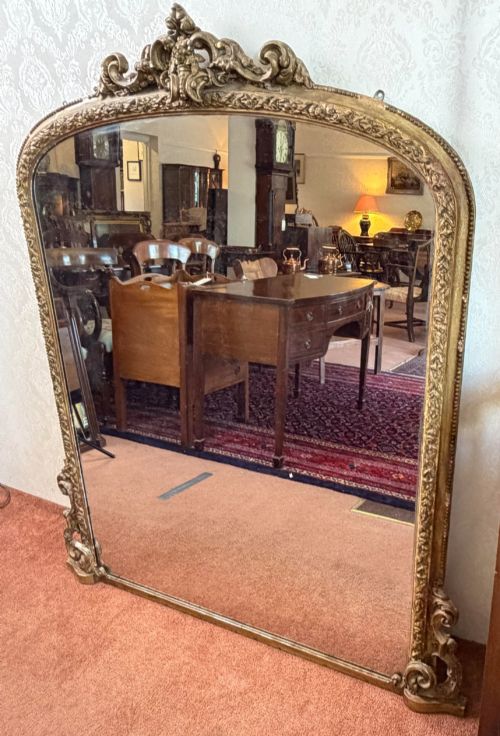
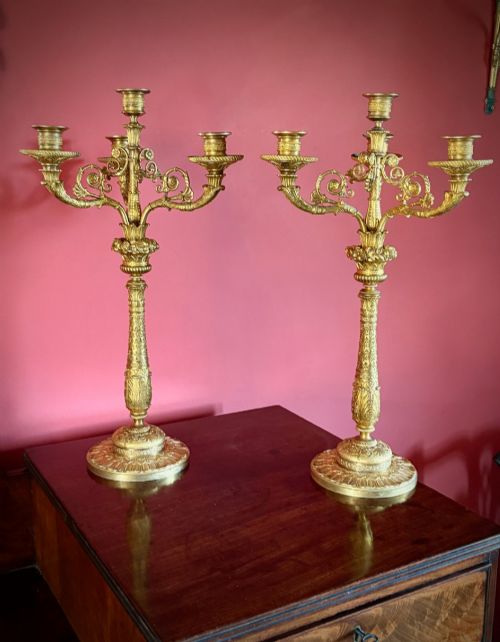
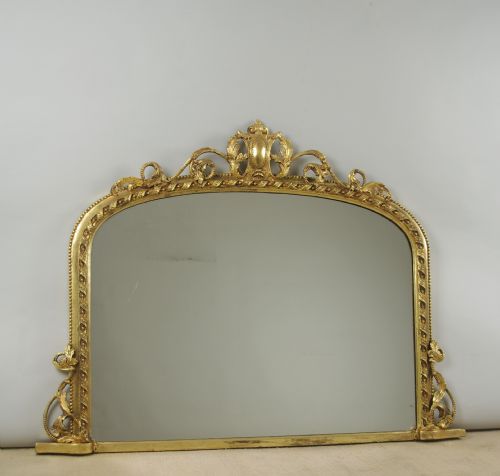
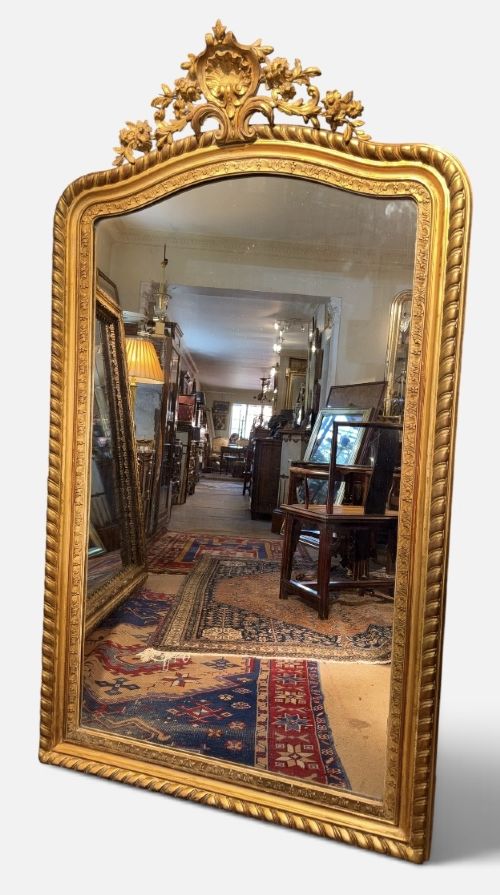
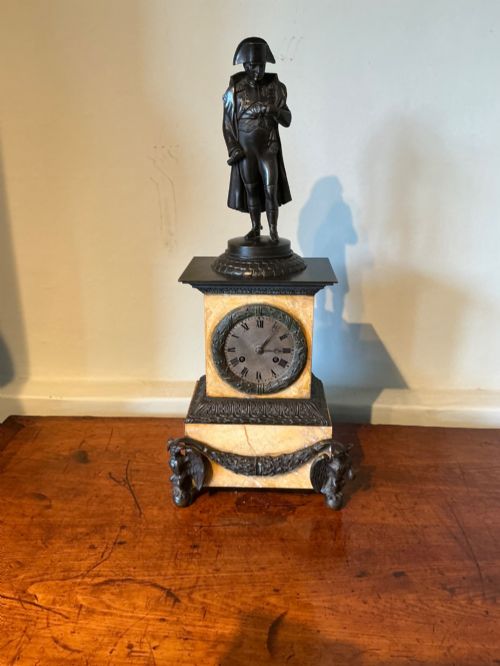
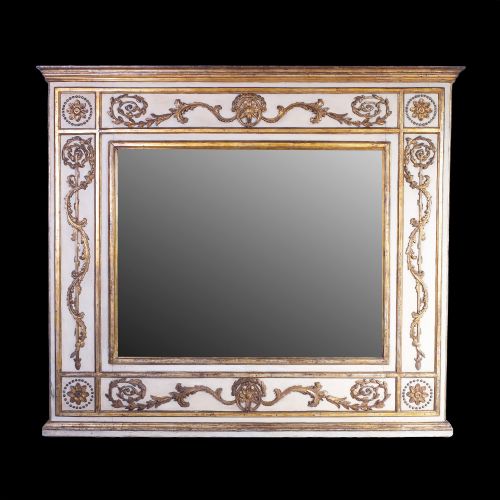
The objects associated with this search term extend beyond structural surrounds to include the mirrors, clocks, and candelabra traditionally placed on the mantel shelf. Overmantel mirrors in arched giltwood frames and painted pine fire surrounds dominate the forms available.
How they were made
Makers shaped structural mantelpieces from pine and timber, applying carved gesso layers to build up relief ornamentation before gilding or painting the surface. Architectural surrounds rely on timber joinery and hand-carved plaster work for their decorative impact.
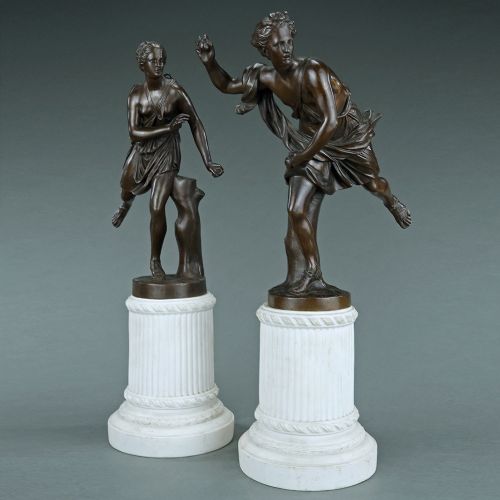
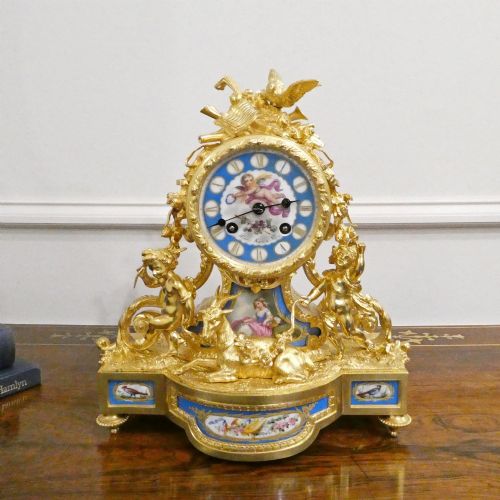
Decorative accessories incorporate cast bronze, ormolu, brass, and marble, combining metal casting with hand-chasing and porcelain enrichment. Clock movements and candelabra utilise cast metals finished with gilt or paint.
Listings feature pine and gesso mantelpieces alongside giltwood overmantel mirrors, ormolu clocks, and bronze candelabra spanning the nineteenth and early twentieth centuries.
What varies in quality
The depth and definition of the carved gesso and woodwork separate standard items from superior examples. Crisp execution in architectural mouldings indicates a higher grade of craftsmanship.
In metalwork accessories and clocks, the weight of the bronze or ormolu and the fineness of the chased details determine the standard. Hand-painted porcelain panels and well-engineered movements elevate the status of mantel clocks.
Barbedienne·Henry Marc·Thomas Hope·Viner·Japy Freres
The Antique Style Mantelpiece Glossary
- Gesso
- A plaster-like material applied to wood surfaces as a base for carving and gilding. It allows artisans to create sharp relief ornaments on mirror frames and mantelpieces.
- Ormolu
- Gilded bronze used widely for decorative mounts, clock cases, and candelabra during the eighteenth and nineteenth centuries. The technique involves applying a gold amalgam to a bronze base.
- Overmantel mirror
- A large mirror designed specifically to hang on the wall directly above a fireplace mantel. These pieces frequently feature arched tops and carved giltwood frames.
- Cassolette
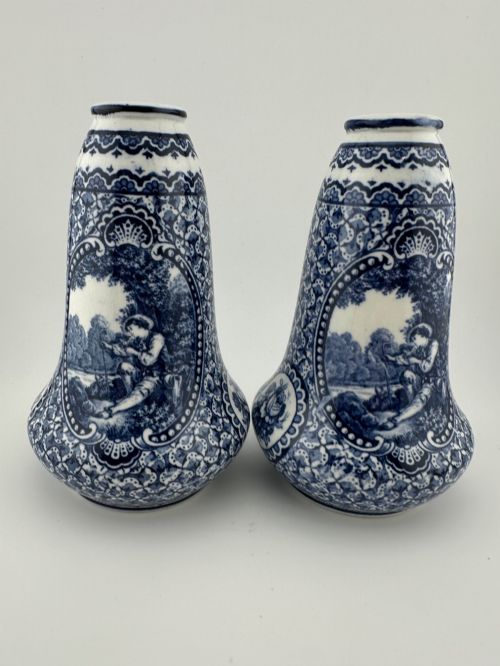
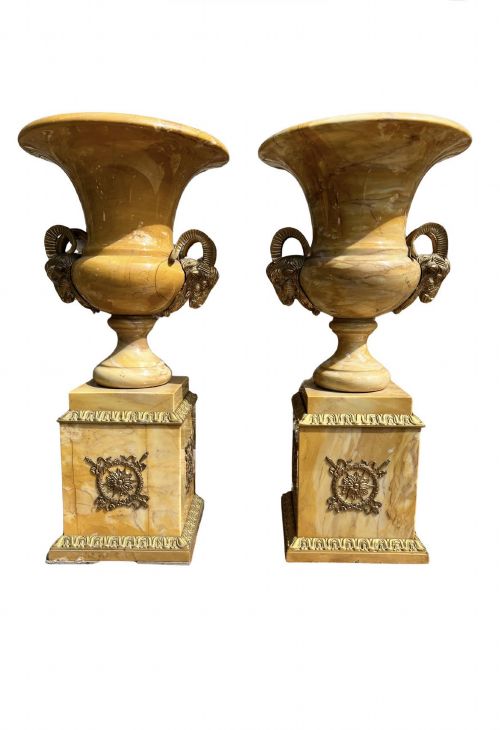
- A decorative vessel shaped like a vase, often featuring a reversible lid that functions as either a burner or a solid urn. They appear in pairs alongside mantel clocks.
- Garniture
- A set of matching decorative objects, typically consisting of a central clock flanked by vases or candelabra. These sets decorate mantel shelves.
Antique Style Mantelpiece: Frequently Asked Questions
What periods do these pieces span?
The items range from the early nineteenth century through the Victorian era and into the early twentieth century. Styles draw upon Regency, Neoclassical, and French Revival designs.
Craftsmen produced architectural surrounds and decorative objects that reflect these historical aesthetic revivals across multiple decades.
How do I style an overmantel mirror?
An overmantel mirror hangs directly above the fireplace to reflect light and create a sense of scale in a room. Pairing it with candlesticks or decorative urns completes the traditional arrangement.
Ensure the width of the mirror aligns harmoniously with the dimensions of the mantel shelf below it.
What materials were used for mantel clocks?
Makers constructed mantel clock cases from gilt bronze, ormolu, marble, and wood. Many incorporate painted porcelain panels and bronze figural elements.
Movements are housed within these decorative structures, which often form part of a garniture set.
How do I identify a Regency piece?
Regency items exhibit classical restraint influenced by ancient Greek and Roman design. Look for brass inlay, clean architectural lines, and classical motifs such as sphinxes.
Woods like mahogany and finishes in gilt brass are characteristic of this period.