



Antique Style Horology
Antique style horology brings together mechanical clocks and timepieces shaped by Victorian, Regency and French revival designs.
Antique Style Horology
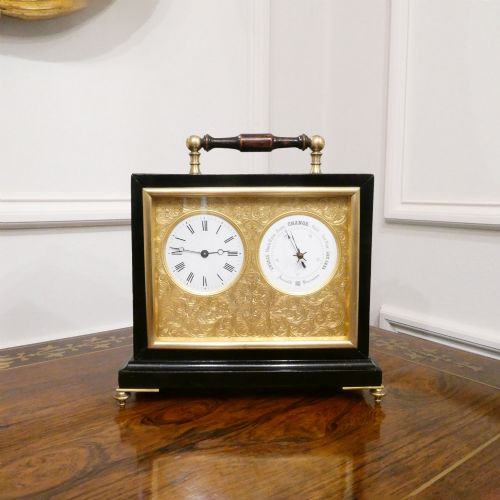
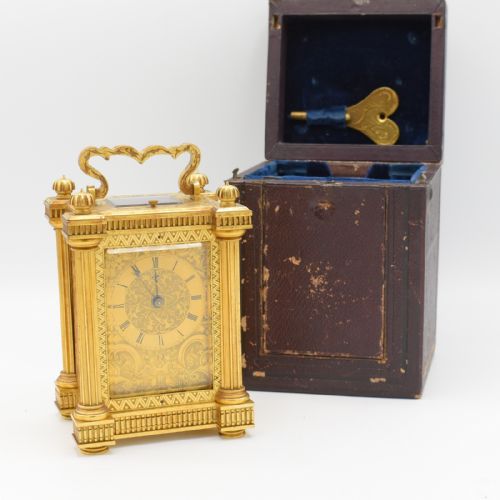
Antique style horology encompasses mantel clocks, wall clocks, carriage clocks and bracket clocks spanning the nineteenth century up to the nineteen-thirties.
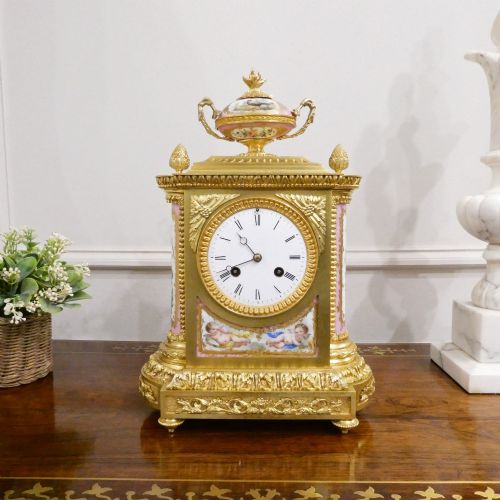
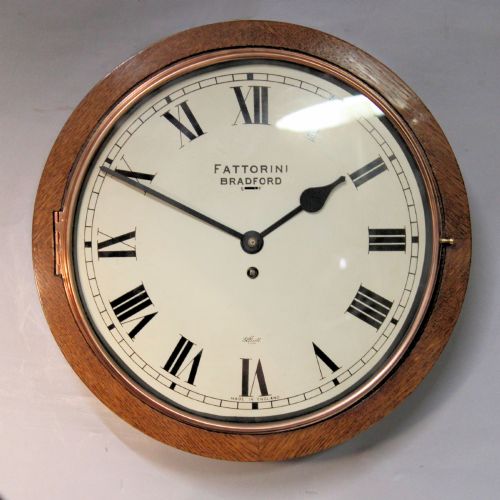
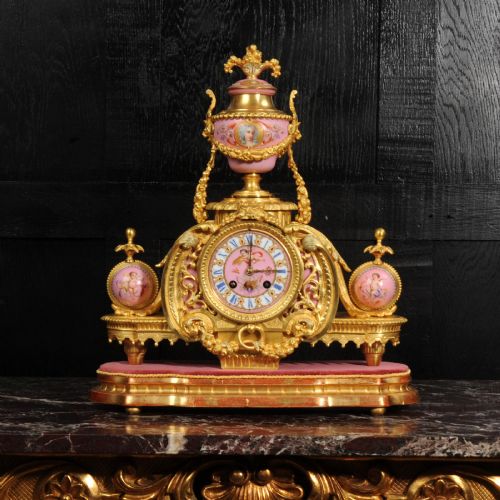
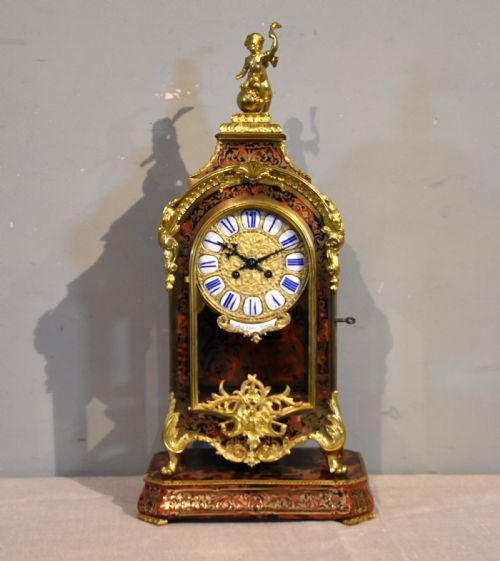
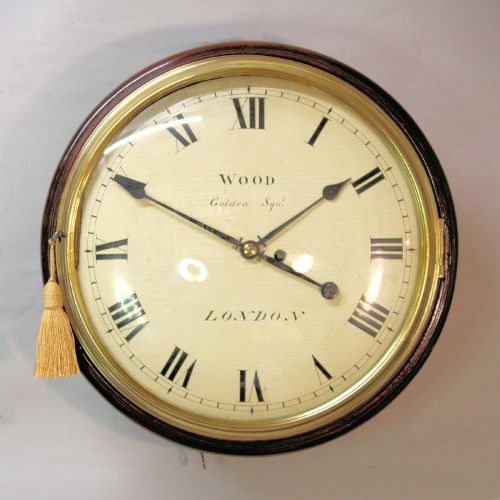
The most common pieces encountered on this page are French mantel clocks and English fusee dial clocks housed in wood, brass or gilt bronze.
Makers and retailers such as Dent, Mappin & Webb and John Barwise mark the English output, alongside prominent French workshops.
Materials and construction
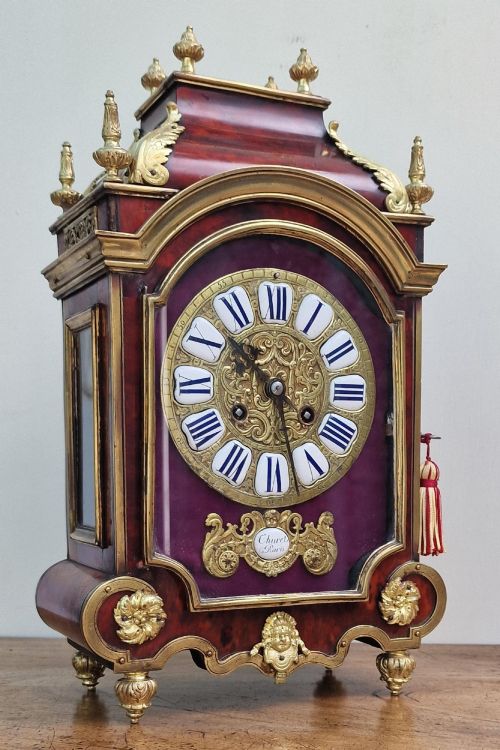
Cases utilise cabinet woods like mahogany, walnut and oak, often paired with cast brass, gilt bronze, ormolu and tortoiseshell veneer.
Dials feature painted enamel or metal numerals, while movements rely on mechanical escapements including fusee, lever and pinwheel systems.
Several carriage clocks are described as very heavy shop stock, possessing enough metal to anchor a modest sailing vessel.
Judging quality in timepieces
Quality rests upon the crispness of casting in ormolu and gilt bronze mounts, and the intricacy of marquetry such as Boulle work on tortoiseshell.
The sophistication of the mechanical movement, from simple eight-day platforms to quarter-striking twin fusee systems, dictates the standing of a piece.
Jean-Baptiste Delettrez·Achille Brocot·Mappin & Webb·John Barwise·Dent of London
The Antique Style Horology Glossary
- Fusee
- A conical pulley used in mechanical clocks to maintain an even pull on the gear train as the mainspring unwinds.
- Escapement
- The mechanism inside a clock that controls the release of power to regulate the movement of the hands.
- Ormolu
- Gilded bronze ornamentation popular on French mantel clocks from the eighteenth and nineteenth centuries.
- Boulle
- A form of marquetry employing brass inlaid into tortoiseshell, named after French cabinetmaker André-Charles Boulle.
- Bracket clock
- A portable table clock designed originally to sit upon a wall bracket or furniture surface.
Antique Style Horology: Frequently Asked Questions
How do I wind an antique clock?
Most mechanical timepieces utilise a specific winding key inserted into holes on the dial face. Care must be taken not to over-wind the mainspring.
Consult the escapement type and movement instructions before attempting to set the time or tension.
Where should I place a bracket clock?
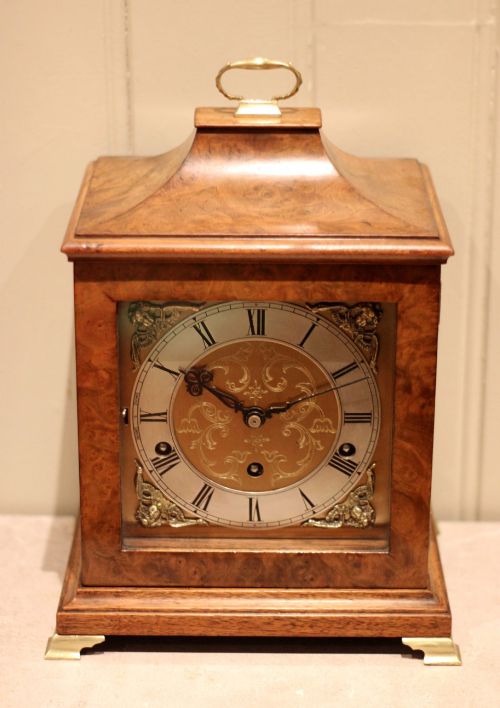
Bracket clocks need a stable, level surface away from direct sunlight and draughts. Wooden cases respond poorly to rapid temperature shifts.
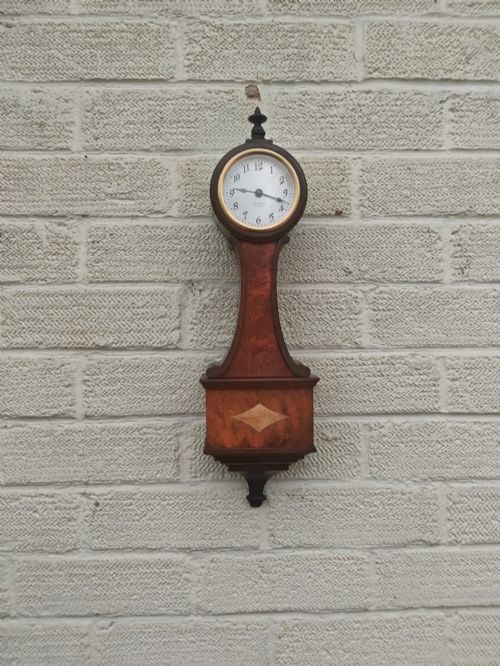
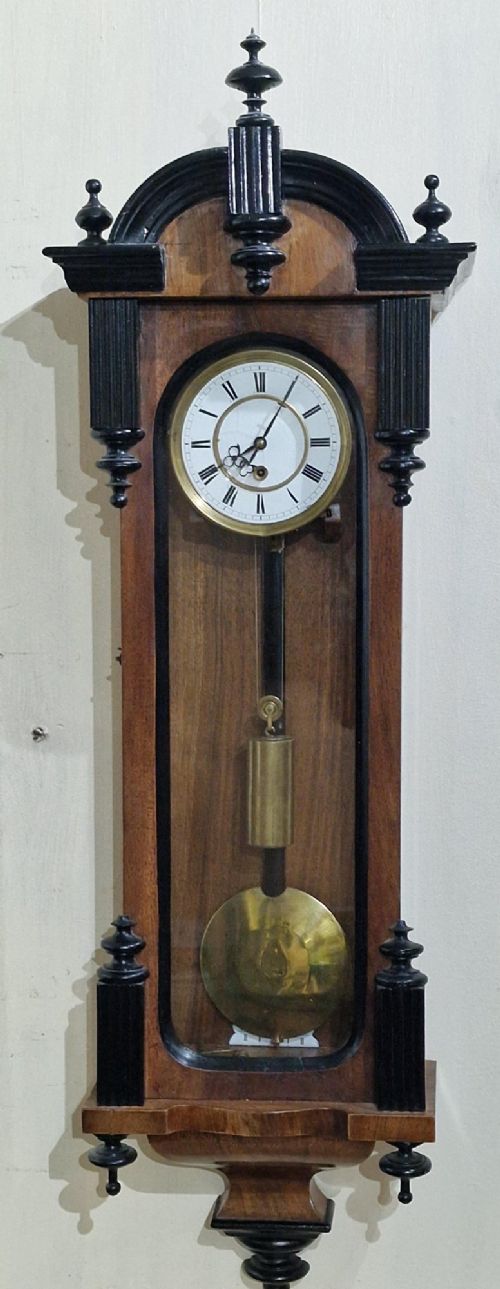
Wall clocks require secure fixings into solid masonry or stud work to support the weight of the timber and brass movement.
How do I tell a French clock from an English one?
French pieces frequently employ ornate gilt bronze, ormolu, and porcelain panels in styles such as Rococo Revival or Louis XVI. Movement construction and signature placement on the backplate also differ.
English examples often favour wooden cases in mahogany, walnut or oak with fusee movements produced in London or provincial workshops.