
Antique Style Hall Table
When you search for an antique style hall table, you are looking at narrow console tables, side tables and lowboys designed to sit against a passage wall.
Antique Style Hall Table
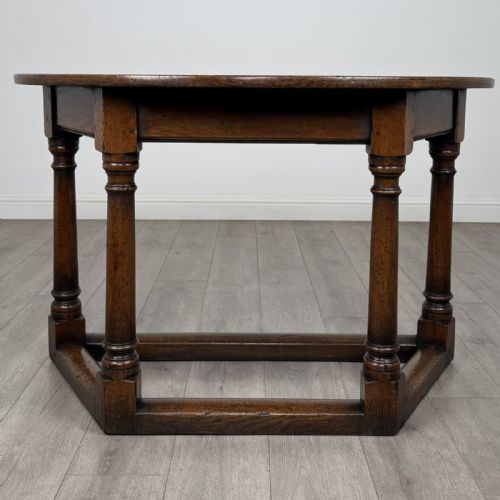
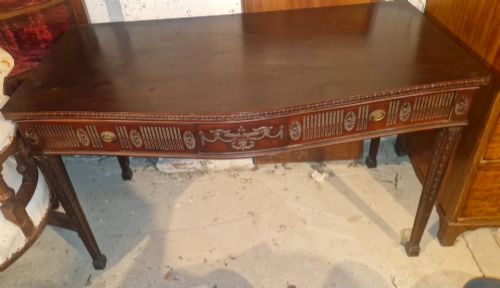
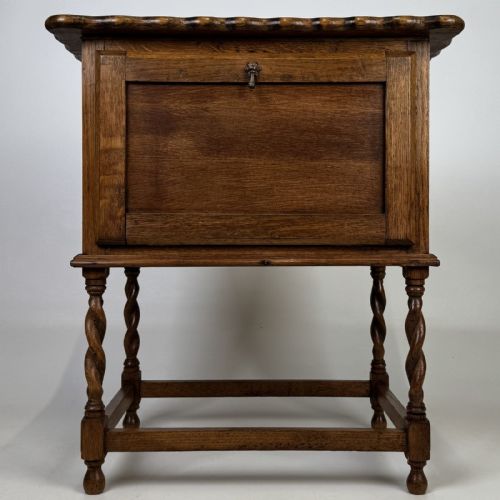
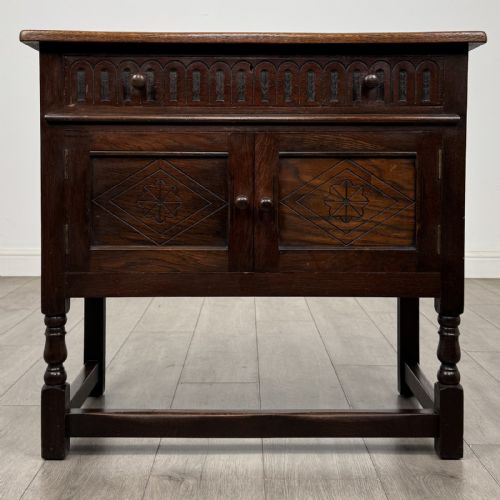
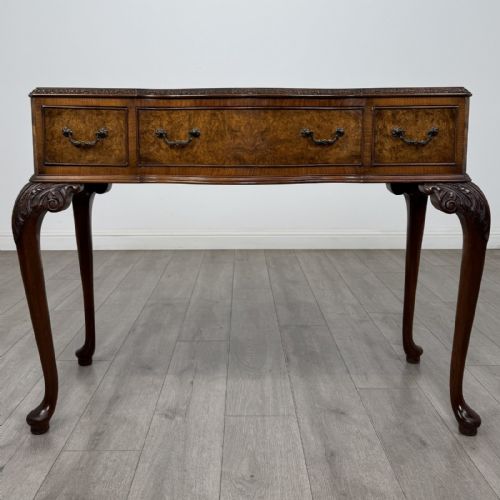
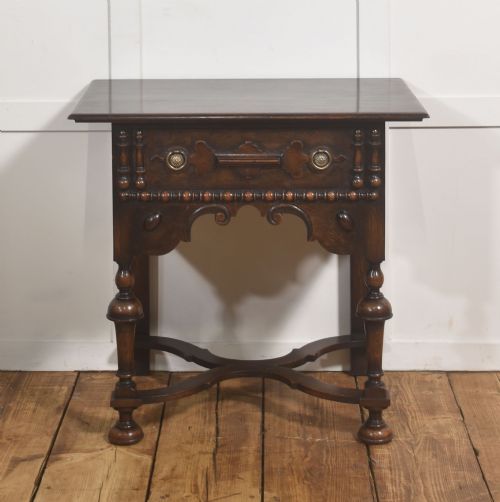
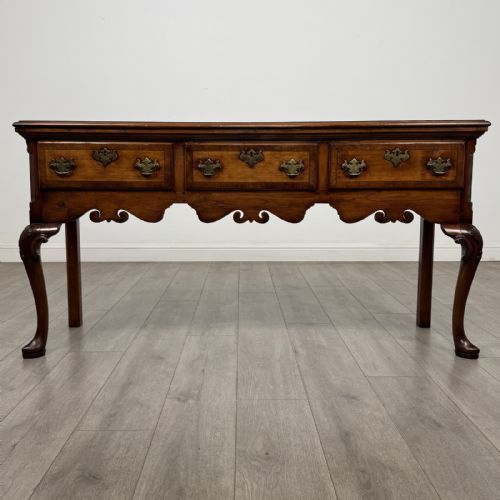
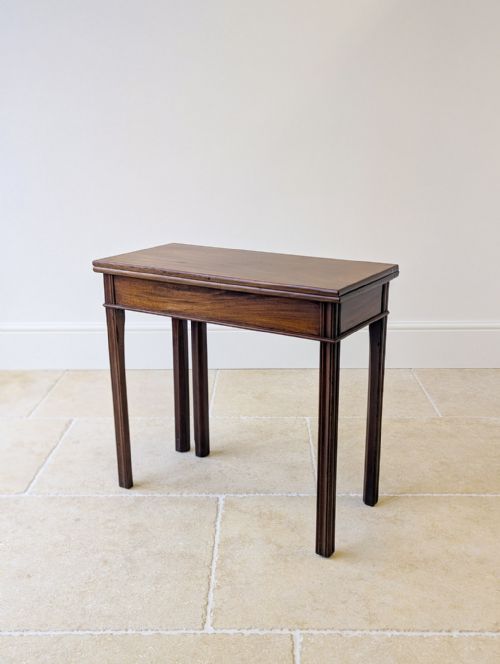
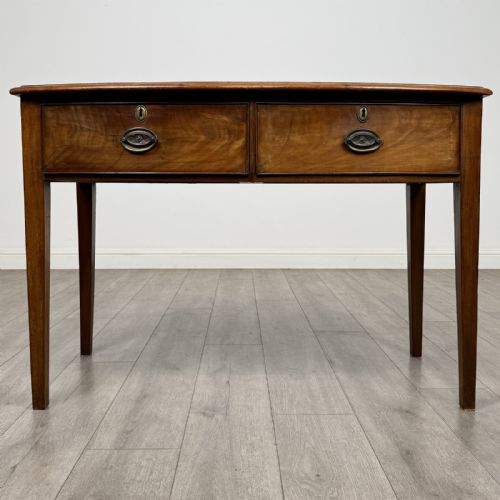
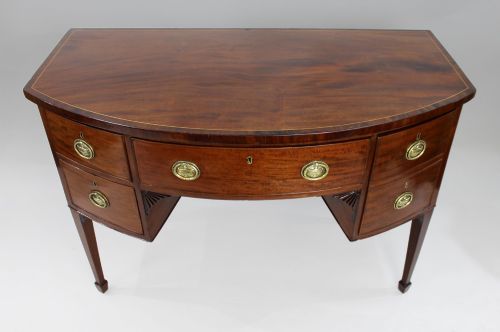
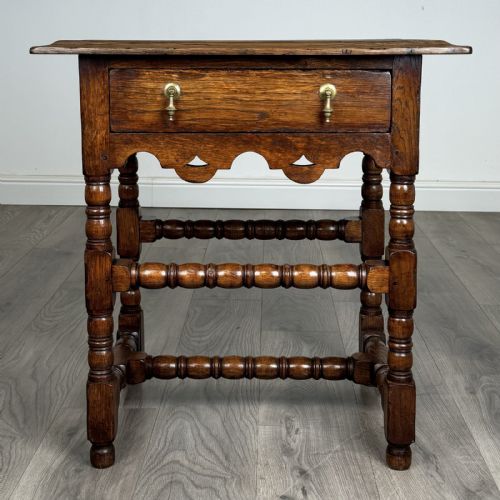
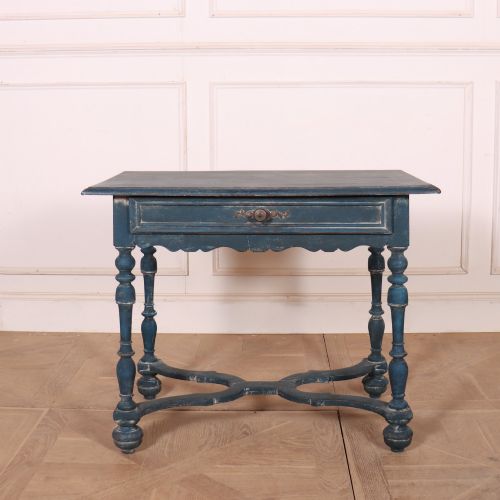
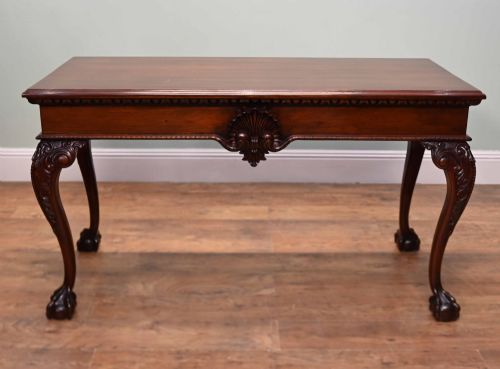
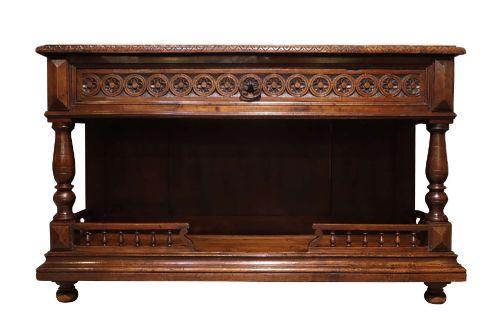
An antique style hall table encompasses narrow console tables, side tables, and lowboys designed to stand against passage walls without blocking movement. These pieces trace their lineage through Georgian, Victorian, and Edwardian periods, frequently adopting earlier motifs like Jacobean, Queen Anne, or Gothic revival styles. You will often encounter oak or mahogany versions shaped as demi-lune consoles, narrow writing tables, or compact dresser bases suited for narrow entryways.
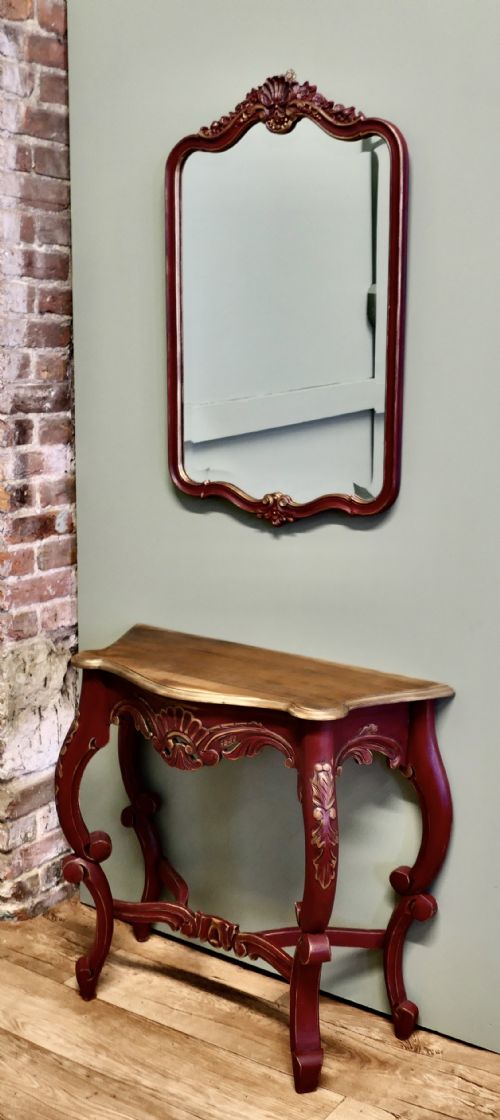
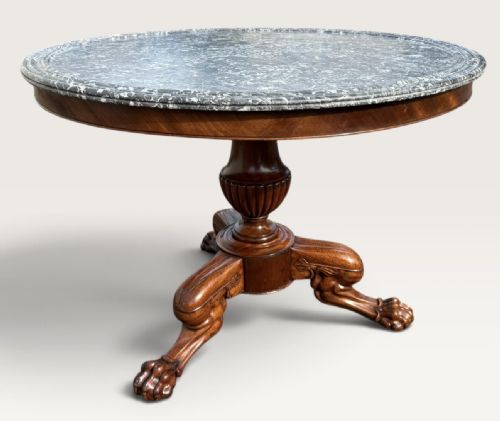
The selection ranges from sturdy English country oak furniture to refined mahogany pieces featuring neoclassical carving or French giltwood flourishes. Many items date from the late nineteenth and early twentieth centuries while mimicking older seventeenth and eighteenth-century forms. Console tables with marble tops and carved wooden bases appear alongside simpler panelled oak side tables equipped with small drawers.
How they were made
Cabinetmakers utilised solid timbers like oak, mahogany, and walnut, often applying decorative burr walnut veneers or painted finishes to the primary surfaces. Frames were joined using traditional methods, while tabletops frequently incorporated contrasting materials such as inset marble or polished wood.
Carving was executed by hand, producing neoclassical motifs, Gothic tracery, or simple moulded edges depending on the designated style. Giltwood bases received layered gesso and gold leaf applications, whereas everyday oak pieces relied on waxed or polished finishes to highlight the natural grain.
Some hall tables feature hidden drawers cunningly disguised within the carved frieze for secret correspondence.
What varies in quality
Quality rests in the selection of materials and the precision of the joinery rather than the mere age of the piece. Selected timbers like figured burr walnut or dense mahogany indicate a higher grade of manufacture, particularly when matched across tabletops and drawer fronts.
The crispness of hand-carved details and the stability of the structural frame distinguish finer examples from standard production. Well-executed joints, properly fitted drawers, and substantial marble slabs demonstrate superior workshop practices.
Gillows·Felix-Alfred Ternisien·Maple & Co
The Antique Style Hall Table Glossary
- Console table
- A table designed to be fixed against a wall, frequently supported by ornate legs or brackets at the front. These pieces often feature decorative marble tops.
- Demi-lune
- A half-moon shape characteristic of tabletops and commodes designed to sit flush against a wall. This profile saves floor space in narrow hallways.
- Lowboy
- A small oak or walnut table with drawers, resembling the lower section of a highboy or tall chest. They frequently serve as side tables or compact writing desks.
- Dresser base
- The lower cabinet component of a traditional kitchen or dining room dresser, often utilised as a sideboard or hall console. They typically incorporate drawers and cupboards.
- Giltwood
- Wood that has been coated with gold leaf or a gold-coloured metallic finish. This technique appears predominantly on decorative console tables and frames.
Antique Style Hall Table: Frequently Asked Questions
What is an antique style hall table?
These pieces are narrow side tables, console tables, or lowboys designed to furnish entrance halls and narrow passages.
They provide a convenient surface for post and keys while occupying minimal floor space against a wall.
How were hall tables used historically?
Historically, households placed these tables in hallways and reception rooms to display decorative items or hold writing materials.
Servants and residents used the drawers to store household documents and everyday items.
How do I style a hall table?
Pair the table with a hanging mirror or a piece of artwork that matches the period style, such as a carved mahogany or giltwood frame.
Keep the surface uncluttered by using a single ceramic bowl or a slender lamp to maintain the proportions of the narrow top.
How can I tell the period of a hall table?
Examine the primary timber, construction methods, and decorative motifs, comparing them against known styles from the Georgian, Victorian, and Edwardian eras.
Revival pieces often blend earlier structural forms with the machine-sawn timber characteristics of the late nineteenth or early twentieth century.