



Antique Style Hall Lanterns
Antique style hall lanterns cast a clear, welcoming light in entrance spaces while setting a formal tone from the threshold.
Antique Style Hall Lanterns
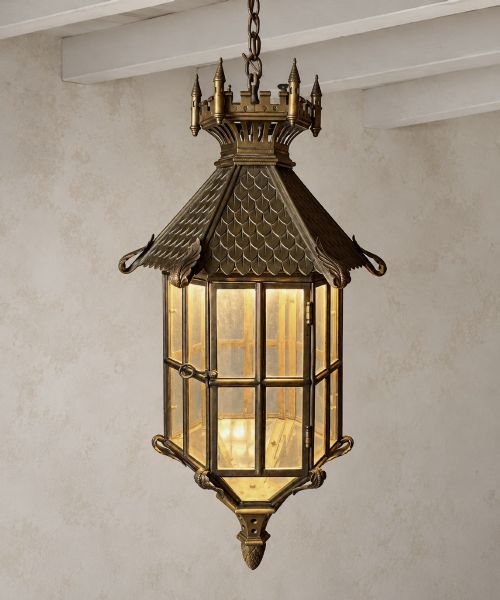
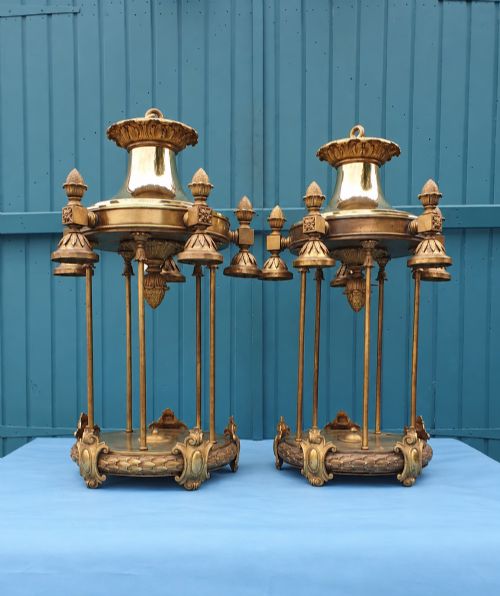
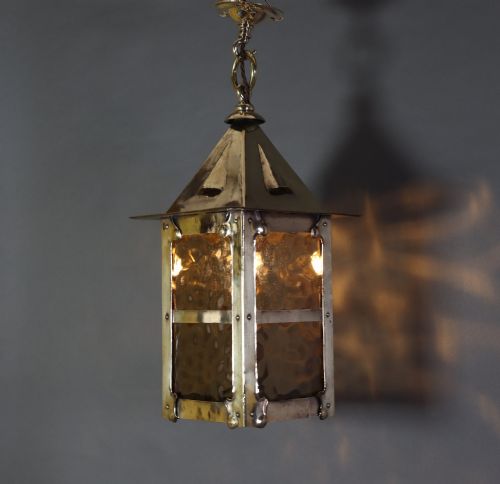
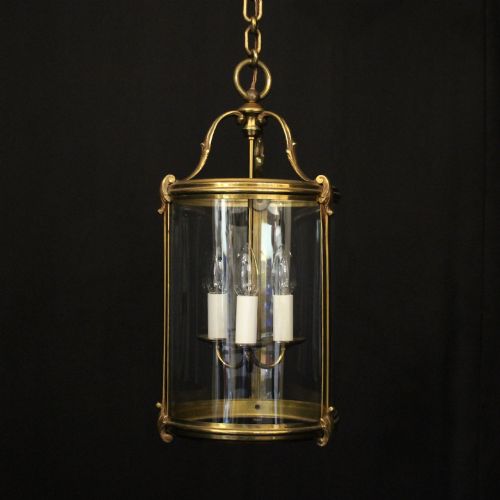
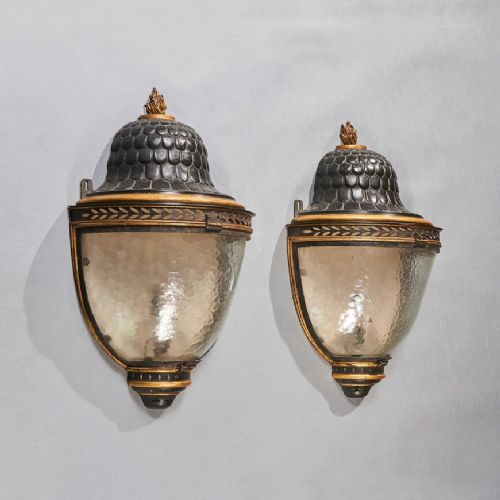
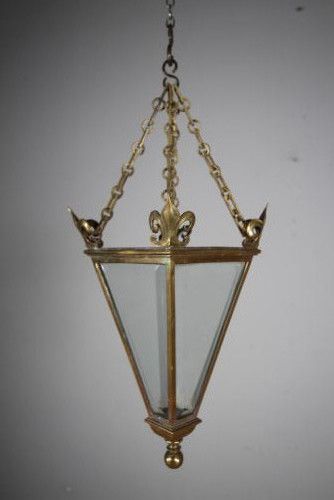
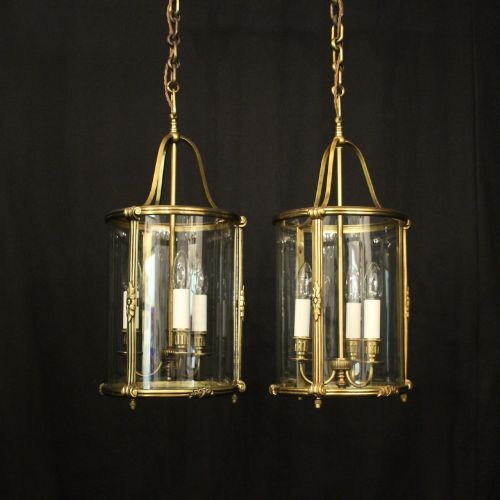
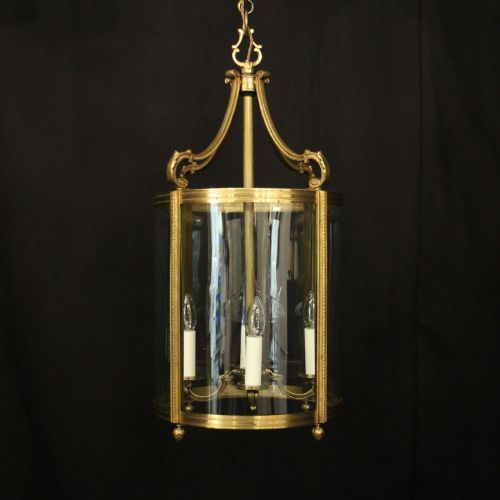
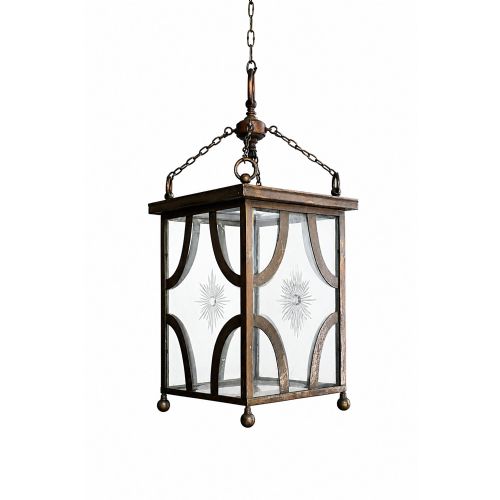
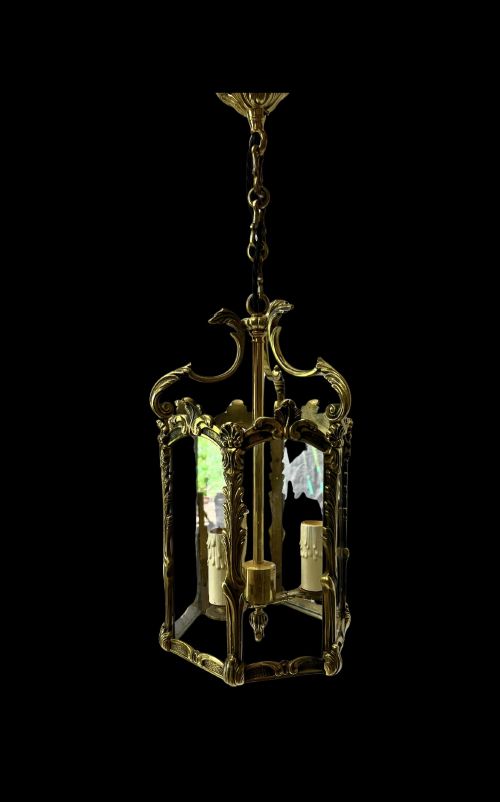
When you search for antique style hall lanterns, you encounter hanging and wall-mounted light fixtures designed to illuminate corridors and entrance spaces. These pieces draw on French Neoclassical, Gothic Revival, and Arts and Crafts traditions, spanning the nineteenth and early twentieth centuries. Most examples you meet here are French or English creations intended for high-ceilinged vestibules.
The forms range from simple hexagonal or convex glass cases to monumental gilt bronze and carved giltwood fixtures. Many incorporate multiple internal lights, suspended by chains or mounted directly as wall lanterns. The makers adapted historical designs from palaces like Versailles, translating grand architectural lighting into domestic proportions.
Materials and Construction
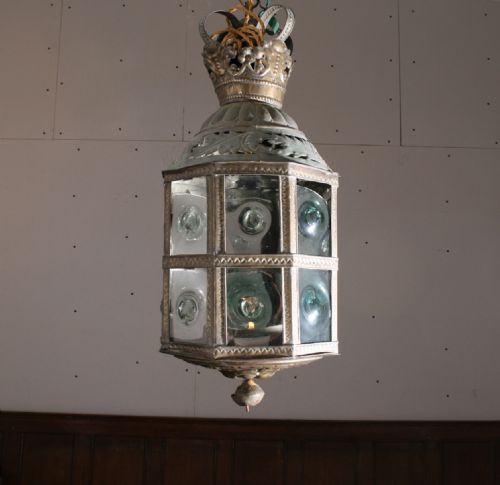
The construction of these lanterns relies on heavy cast metals combined with blown or moulded glass panels. Workshops utilised brass, bronze, steel, and wrought iron for the structural frames, frequently applying gilt finishes or parcel gilt details. Hand-blown bull's-eye glass and opaline glass panels were fitted into the metal frameworks to diffuse the internal illumination.
Joinery and assembly involved mechanical fixings, riveting, and careful soldering of metal mounts. Carved wooden examples, such as giltwood lanterns, required skilled carpentry beneath the gold leaf application. Later twentieth-century pieces adapted these traditional metalworking methods to accommodate electrical wiring.
Antique Style Hall Lanterns Retail Price Guide 2026
Typical asking prices for style hall lanterns among the pieces listed under this phrase on Sellingantiques today, from the lower quarter to the upper quarter. They describe what is for sale here now, not the wider market.
The listings span the nineteenth century through the 1930s, featuring glass, brass, gilt bronze, wrought iron, and giltwood materials.
Judging Quality and Execution
The distinction between ordinary and superior pieces rests on the crispness of the metal casting and the depth of the gilding. Finer lanterns display finely chased ormolu mounts and substantial gauge brass or bronze frames that hold their shape under tension. Lesser examples rely on thinner stamped metals and simpler surface treatments.
The glass quality also dictates the grade of the fixture, with heavy hand-blown convex panes requiring greater craft than flat, machine-cut glass. Provenance and adherence to specific historical models, such as designs after Pugin or Voysey, elevate the standing of a lantern.
Perry And Co·Pugin·Voysey
The Antique Style Hall Lanterns Glossary
- Convex lantern
- A fixture featuring curved glass panels that bulge outward, designed to scatter light more widely across a hallway. This form was especially popular in French lighting of the early twentieth century.
- Ormolu
- Gilt bronze mounted onto furniture and lighting fixtures to provide a rich, golden decorative surface. The technique involves applying a gold amalgam to bronze and firing it.
- Bull's-eye glass
- A circular pane of blown glass featuring a thick central pontil mark, creating concentric ripples that obscure direct views while refracting light. It adds texture to early lantern panels.
- Giltwood
- Timber that has been coated with a thin layer of gold leaf, often carved with elaborate baroque or classical motifs. It provides the appearance of solid gold at a lighter weight.
Antique Style Hall Lanterns: Frequently Asked Questions
Can these lanterns be used outdoors?
Most antique style hall lanterns were built for interior vestibules, porches, or interior hallways rather than exposed exterior weathering. Placing them outdoors subjects delicate gilt finishes, unsealed brass, and vintage wiring to moisture and temperature shifts.
Covered porch areas offer a middle ground if the fixture is protected from direct rain. Check the IP rating of the electrical components before considering any outdoor placement.
How do I clean gilt bronze frames?
Cleaning gilt bronze requires gentle dusting with a soft, dry brush to remove surface particles without disturbing the gold layer. Avoid using chemical metal polishes, as these abrasive cleaners strip away the historical gilt finish entirely.
If deeper cleaning is necessary, wipe the surface lightly with a damp cloth and dry it immediately. Preserving the natural patina remains preferable to achieving a bright, polished look.
What is the difference between French and English styles?
French lanterns from this selection frequently exhibit Rococo, Neoclassical, or Empire influences with heavy gilt bronze, ormolu, and convex glass. They lean toward decorative opulence and reference palace interiors like Versailles.
English variants often reflect Arts and Crafts, Gothic Revival, or Regency principles using brass, wrought iron, or japanned finishes. These tend to emphasise structural craftsmanship and simpler geometric lines.