
Antique Style Footstool
An antique style footstool brings historic form and period upholstery to a room, ranging from mahogany frames to buttoned leather.
Antique Style Footstool
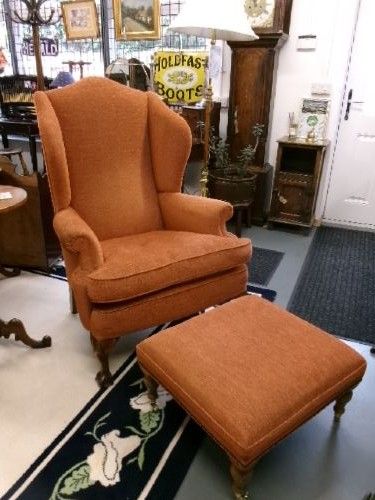
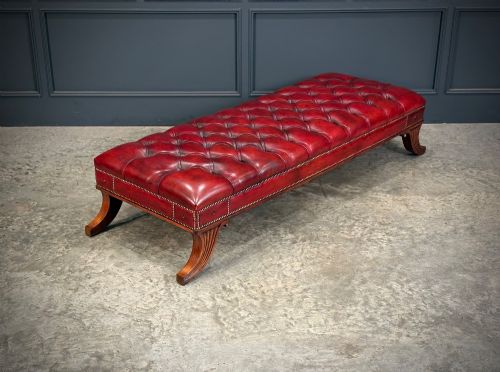
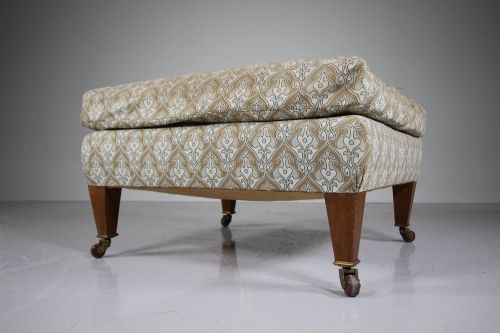
An antique style footstool is a low seating piece or rest designed for comfort, frequently appearing in forms like dressing table stools, long benches, and curule frames. When searching for an antique style footstool, buyers encounter pieces originating from the nineteenth and twentieth centuries alongside revival designs.
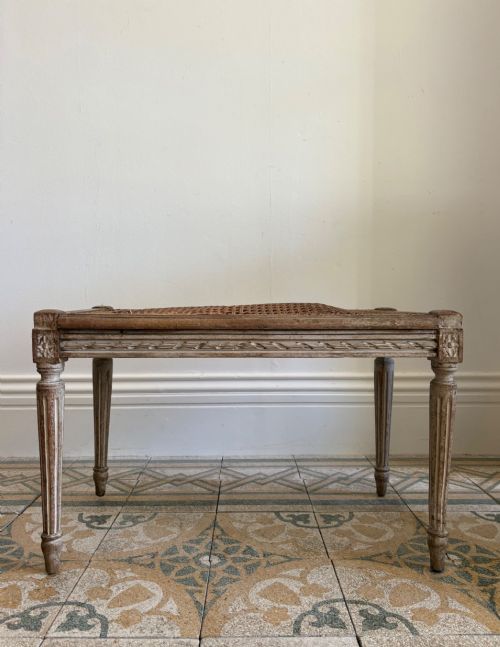
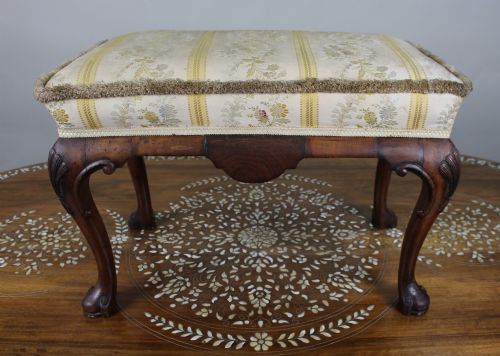
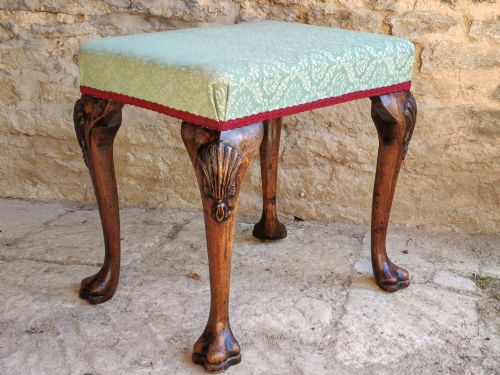
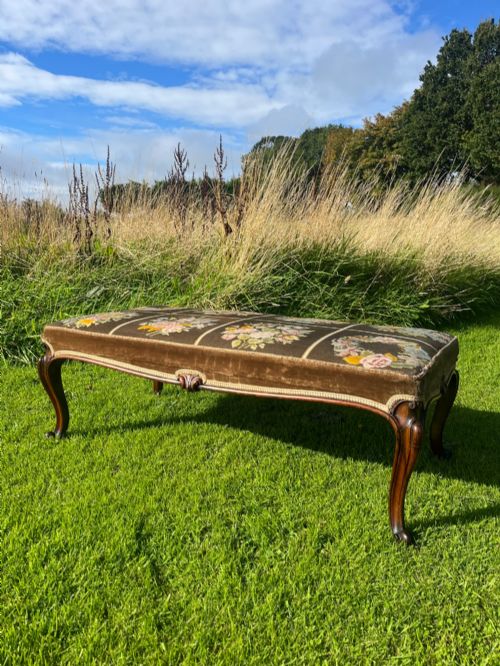
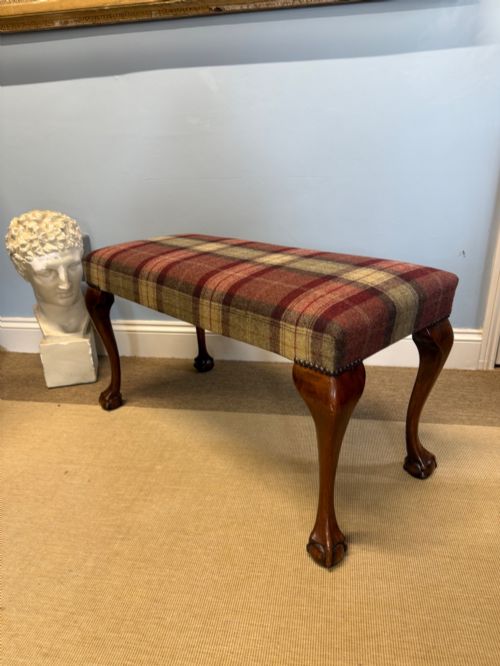
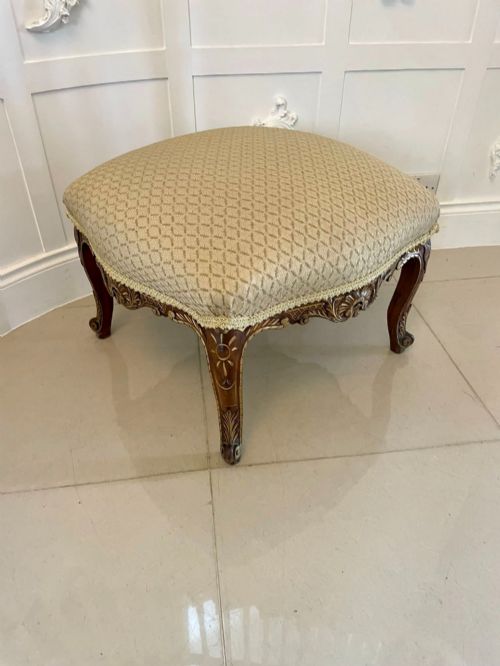
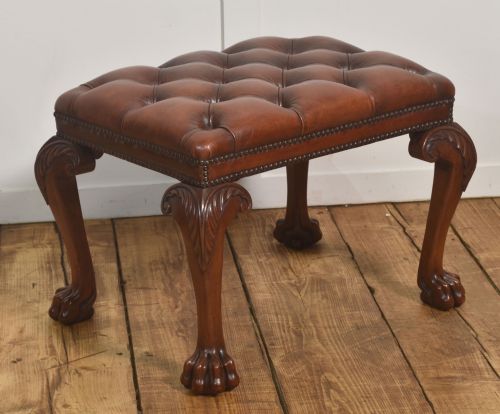
The selection includes walnut and mahogany frames, often echoing earlier periods such as Queen Anne, Chippendale, and Louis XV styles. Victorian examples with cabriole legs and buttoned upholstery appear regularly among the listed items.
Beyond standard footstools, the category encompasses larger dressing stools, X-frame designs, and matching pieces for armchairs. These items serve functional roles as seats or rests while carrying distinct period characteristics in their woodwork and textiles.
Materials and construction methods
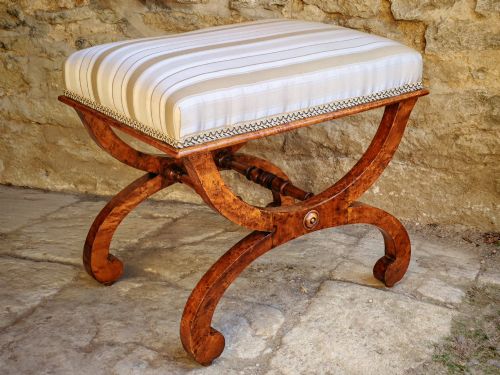
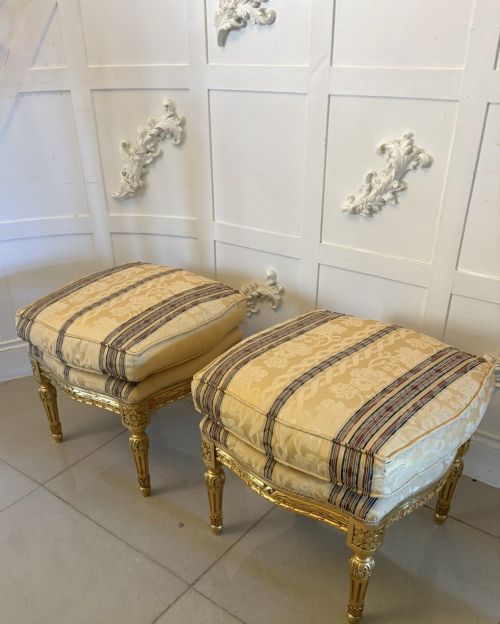
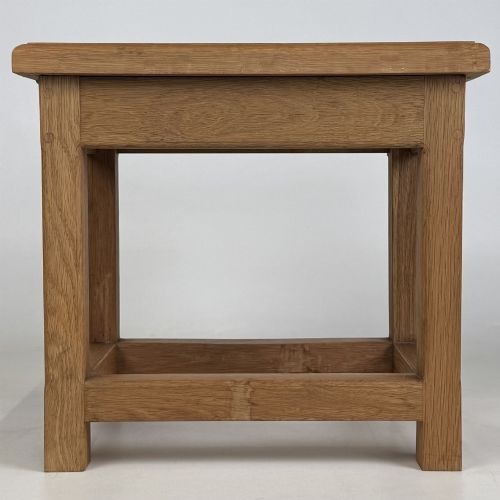
Makers shaped these frames primarily from solid timbers like mahogany, walnut, oak, and beech, frequently applying veneers such as burr maple or oyster veneer. Giltwood, painted finishes, and ebonisation also feature on decorative continental pieces from the nineteenth century.
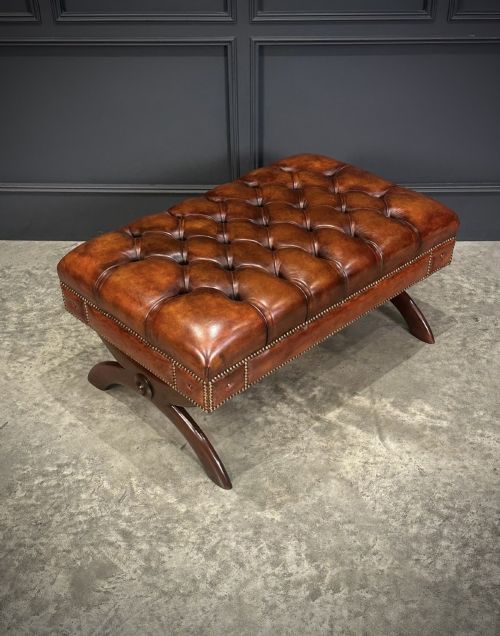
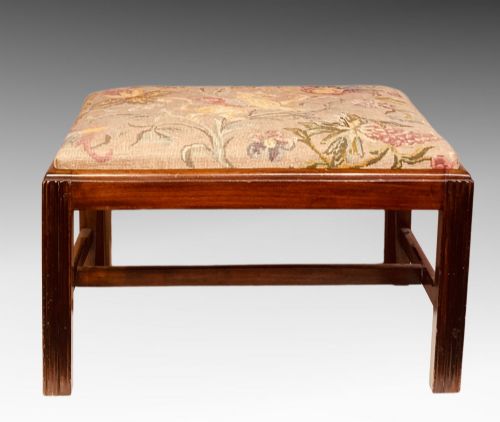
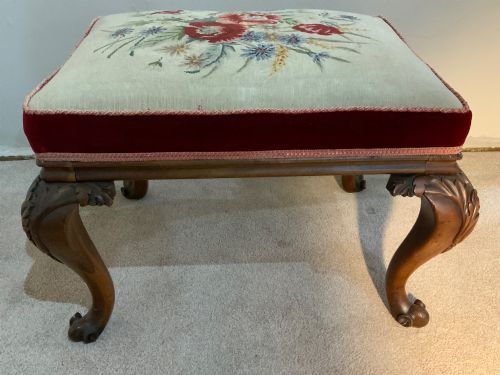
Upholstery techniques involve traditional stuffing and springing, finished with textiles including tapestries, velvet, fabric, and hand-dyed leather secured with buttoning. Brass details and carved motifs such as cabriole legs, stretchers, and scrolling foliage complete the structural work.
Listings feature mahogany, walnut, and oak frames paired with leather, tapestry, and brass across the nineteenth and twentieth centuries.
Distinctions in craftsmanship and condition
Quality rests in the crispness of the hand-carved woodwork and the structural integrity of the frame joints, particularly around leg attachments and cross stretchers. Finer pieces demonstrate substantial timber selection and meticulous joinery rather than superficial decoration.
The standard of upholstery and the preservation of original materials, whether hand-dyed leather, tapestry, or gilt surfaces, define the upper tier of pieces. Proportion and balance in revival styles separate standard workshop output from exceptional examples.
Miles & Edwards·Omersa For Liberty·Howard & sons
The Antique Style Footstool Glossary
- Cabriole leg
- A furniture leg that curves outward at the knee and tapers inward to an ankle, common in Queen Anne and walnut pieces.
- Curule
- An X-shaped frame design derived from ancient Roman magistrate seats, often seen on cross-frame stools.
- Stretcher
- A horizontal support connecting the legs of a stool to provide stability, sometimes seen in shaped or cross forms.
- Buttoned
- An upholstery technique where depressions are formed in the padding by stitches pulled tight and secured with buttons.
- Giltwood
- Timber coated with gold leaf or gold paint, frequently utilised on decorative French and continental pieces.
Antique Style Footstool: Frequently Asked Questions
What is a footstool used for?
These pieces served traditionally for resting feet while seated in armchairs or for dressing table seating in bedrooms.
Over time, larger versions also functioned as low benches or casual seats in salons and drawing rooms.
How do I identify a revival style?
Revival pieces borrow decorative motifs and silhouettes from earlier eras, such as Queen Anne cabriole legs or Chippendale carved mahogany.
Examining the construction methods, timber ageing, and secondary woods helps distinguish a nineteenth-century revival from an original eighteenth-century piece.
Are these stools upholstered originally?
Many pieces have received new upholstery over their lifespan to replace worn textiles, though some retain period fabrics or hand-dyed leather.
The underlying frame remains the primary historical component when evaluating age and origin.
Where were these pieces made?
The listings include English workshop pieces alongside French and Italian continental examples from various periods.
Regional preferences show in the choice of timbers, such as walnut for English Queen Anne styles and beech or giltwood for French salon items.