

Antique Style Entry Table
These antique style entry table designs combine period revival forms with durable hardwoods and marble surfaces to anchor a hallway.
Antique Style Entry Table
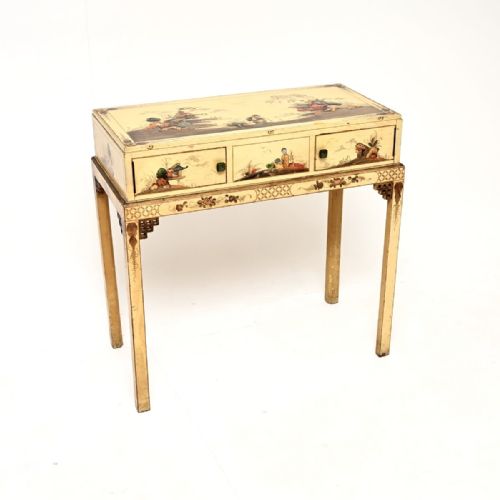
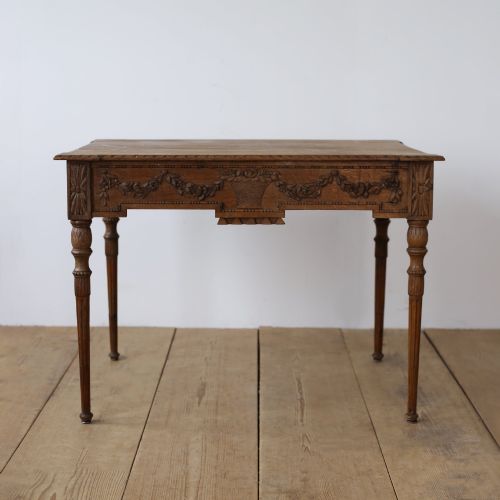
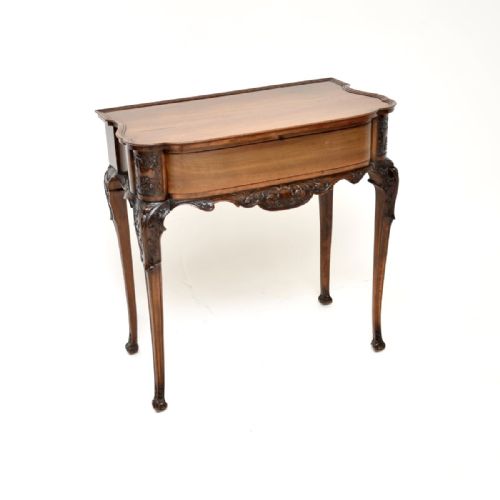
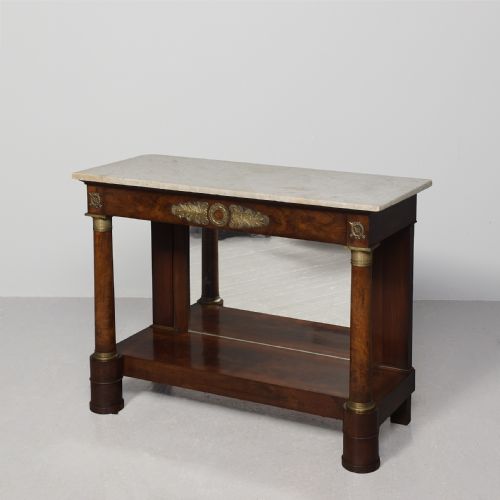
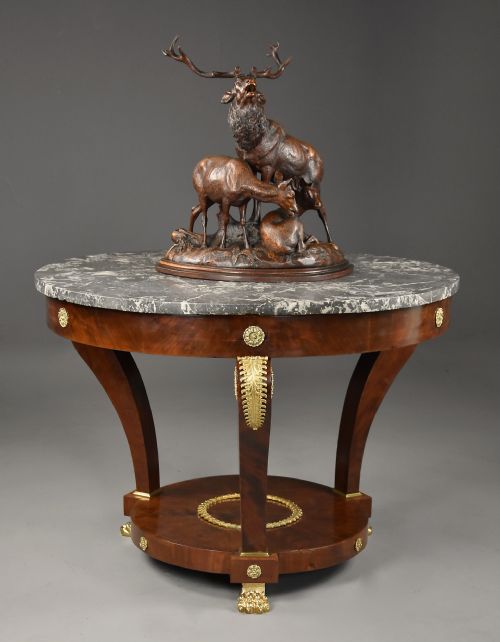
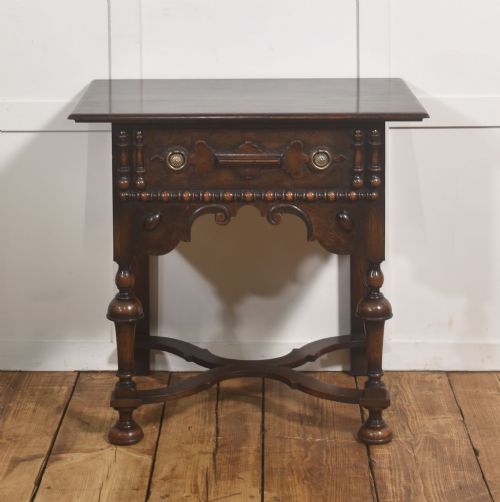
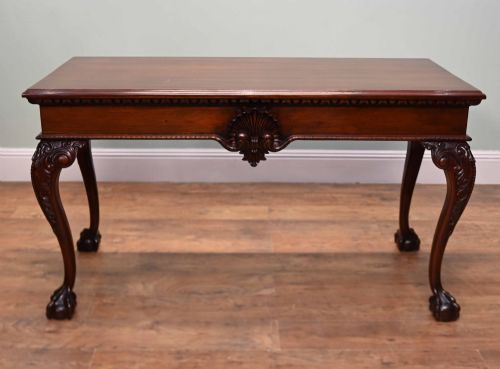
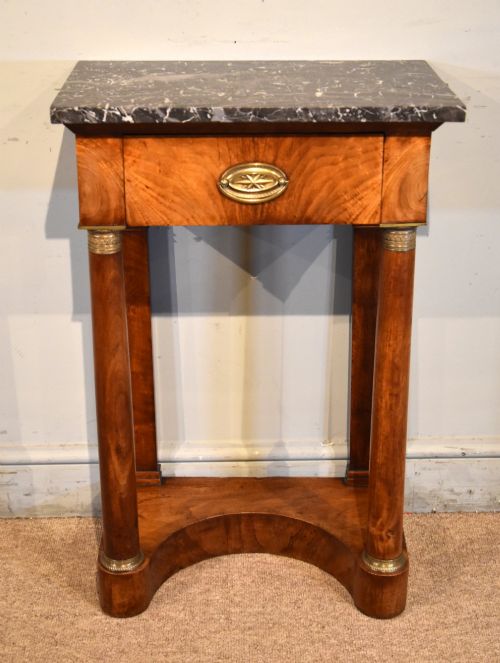
An antique style entry table serves as a functional surface in a hallway, vestibule or reception room, drawing upon historical forms such as the console, centre table or side table. When exploring an antique style entry table, buyers encounter pieces spanning from the eighteenth century through to the 1930s, including revival interpretations like Queen Anne, Georgian, and Jacobean styles alongside French Empire designs.
Materials and Construction
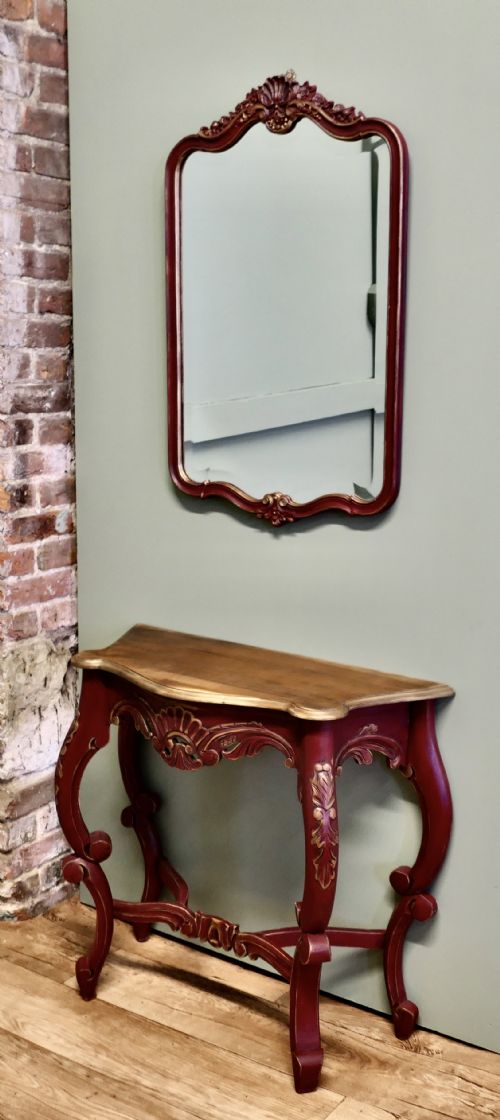
Cabinet makers utilised dense hardwoods such as mahogany, walnut, burr walnut, oak, and pitch pine to build the structural carcases and legs of these tables. Marquetry inlay, hand-carving, and painted or gilded finishes were applied to surface elements to achieve specific revival aesthetics.
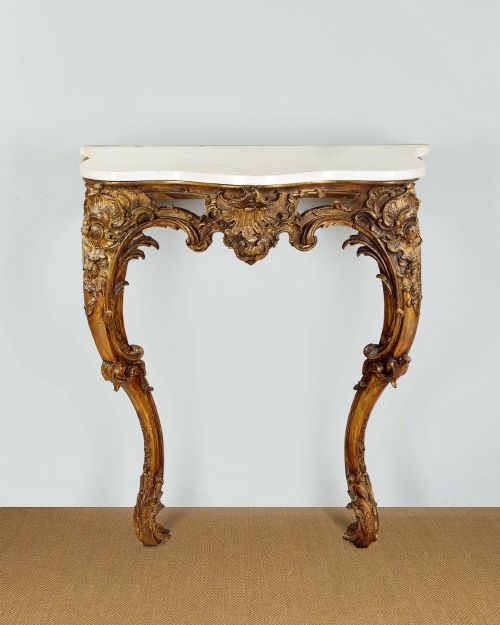
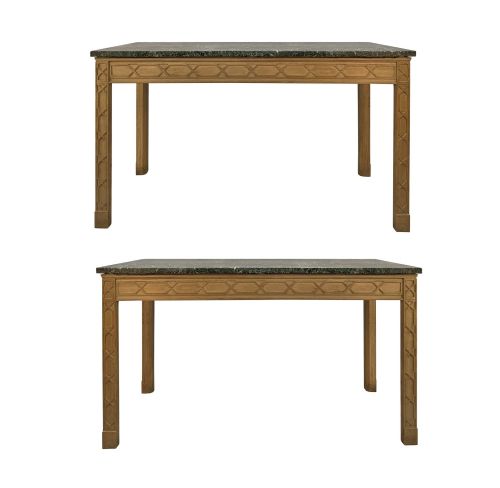
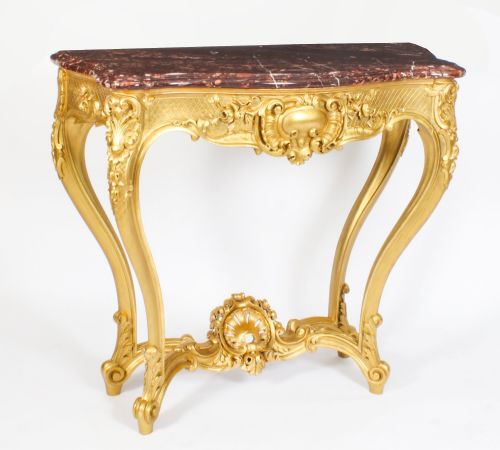
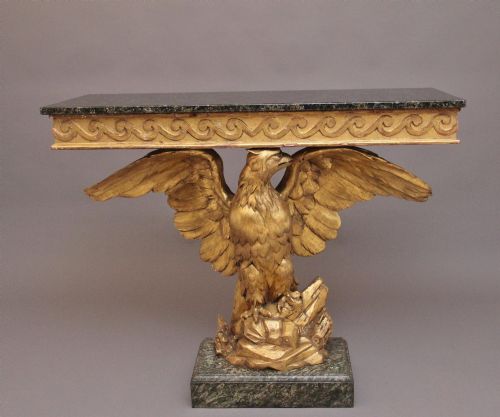
Heavy marble tops appear frequently, resting upon wooden frames secured with brackets or mouldings. Giltwood and painted finishes involved layered preparation over carved wood bases to support applied gold leaf or pigments.
Antique Style Entry Table Retail Price Guide 2026
Typical asking prices for style entry table among the pieces listed under this phrase on Sellingantiques today, from the lower quarter to the upper quarter. They describe what is for sale here now, not the wider market.
Listings feature woods such as mahogany, walnut, burr walnut, oak, and pitch pine, often paired with marble tops.
Assessing Quality and Execution
The distinction between standard examples and the finest pieces rests upon the precision of the hand-carving and the choice of timber veneer. Burr walnut and figured mahogany displays selected grain patterns that require expert matching across serpentine or demi-lune tops.
Structural integrity depends on the joinery within the frame and the weight distribution of heavy stone slabs. Superior examples integrate original marble tops that fit their rebates precisely alongside crisp, deep carving rather than shallow moulded decoration.
Maple and Co.·Epstein and Co
The Antique Style Entry Table Glossary
- Console table
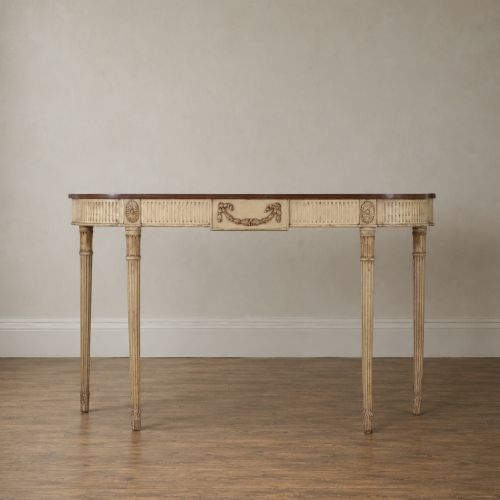
- A table designed to be fixed against a wall, frequently supported by front legs with the rear fastened to the masonry. They often feature decorative aprons and marble tops.
- Demi-lune
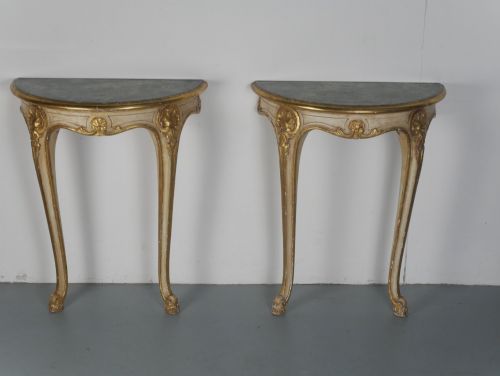
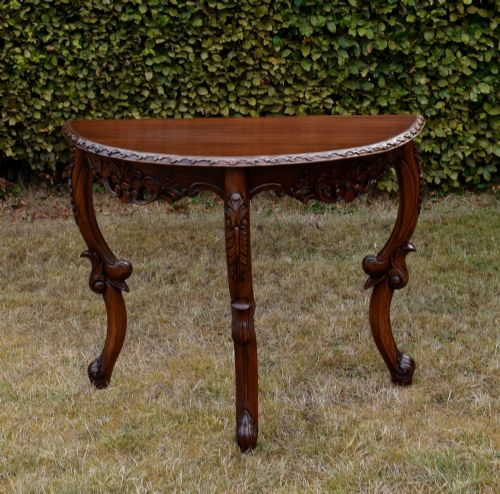
- A half-moon shape used for table tops and furniture fronts. This profile allows the table to stand tightly against a hallway wall while projecting outward in the centre.
- Giltwood
- Wood that has been coated with gold leaf or a gold-coloured metallic finish. It is typical of formal eighteenth and nineteenth-century decorative schemes.
- Parquetry
- Geometric wood mosaic work used for decorating tabletops and furniture surfaces. Artisans arrange contrasting veneers in patterns such as cubes or chevrons.
- Pier table
- A table designed specifically to stand against the wall space between two windows. They are commonly paired with tall wall mirrors.
Antique Style Entry Table: Frequently Asked Questions
What is a console table used for?
A console table provides a narrow surface in narrow spaces like hallways and entryways for displaying decorative objects or lighting.
Because they stand against walls without obstructing pathways, they serve as focal points upon entering a home.
How do I identify a revival style?
Revival pieces borrow decorative vocabulary from earlier eras, such as Queen Anne cabriole legs or Georgian carved mahogany mouldings.
Examining the construction methods and secondary timbers helps determine if a piece is eighteenth-century or a later nineteenth-century revival.
Are marble tops original?
Many console and centre tables were constructed specifically to carry heavy marble slabs as part of their initial design.
Checking the fit of the stone within the wooden frame and matching the wear patterns helps confirm its originality to the base.
Where should I place a demi-lune table?
A demi-lune table fits flat against a hallway or landing wall, offering a curved front that softens linear architectural spaces.
They pair well with hanging mirrors or artworks positioned directly above them.