
Antique Style Dress Ring
An antique style dress ring brings together historical periods like the Edwardian and Art Deco eras with precious stones and metals.
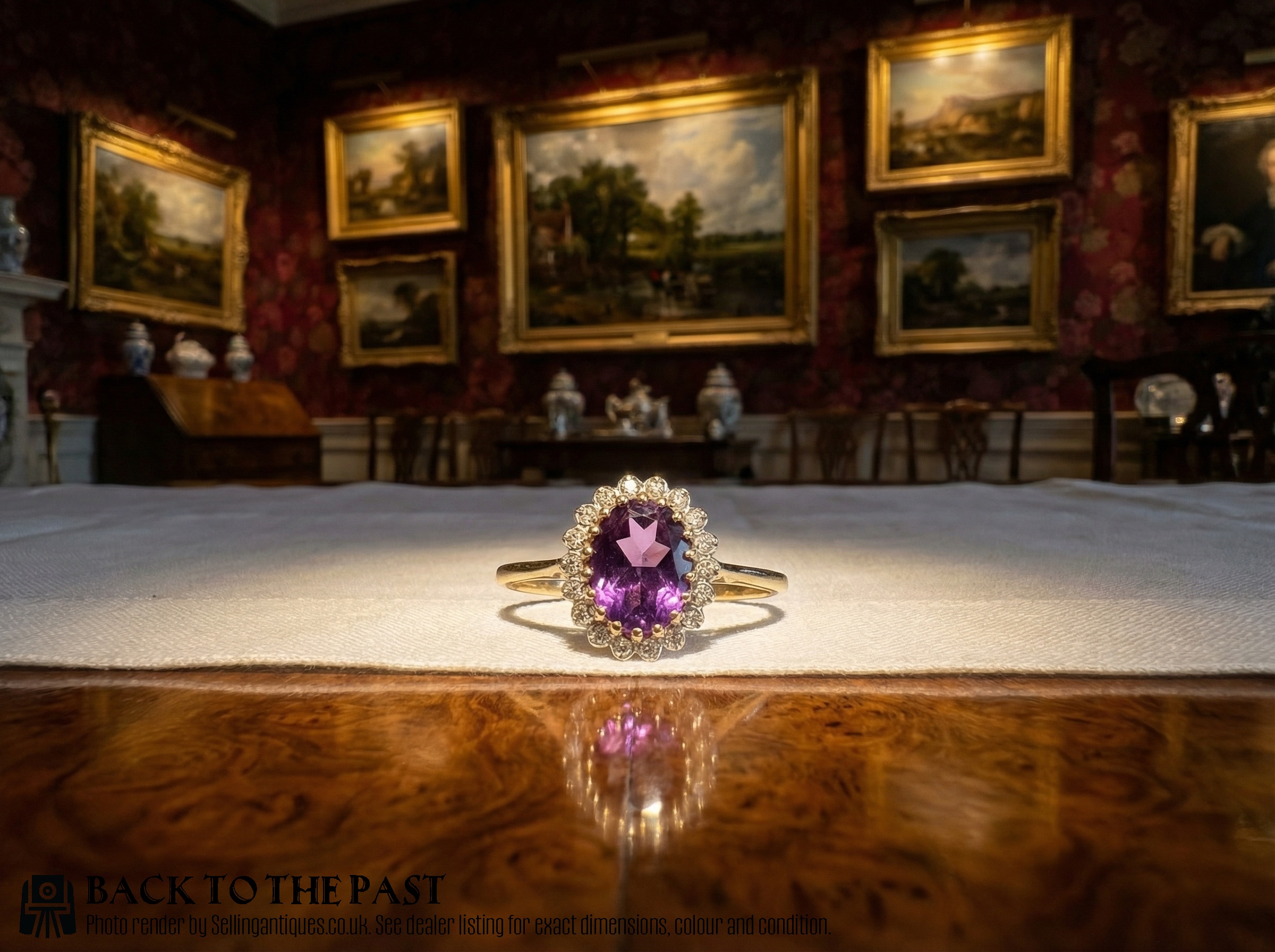
Antique Style Dress Ring
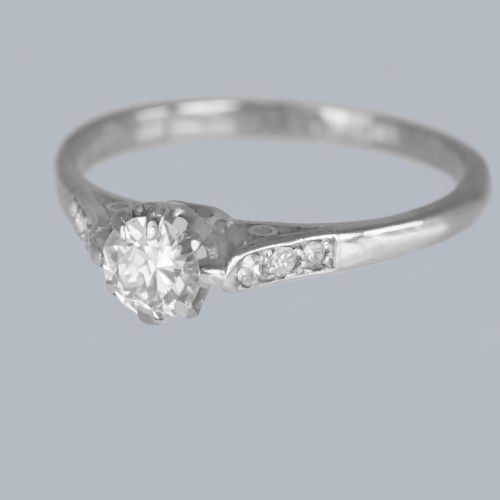
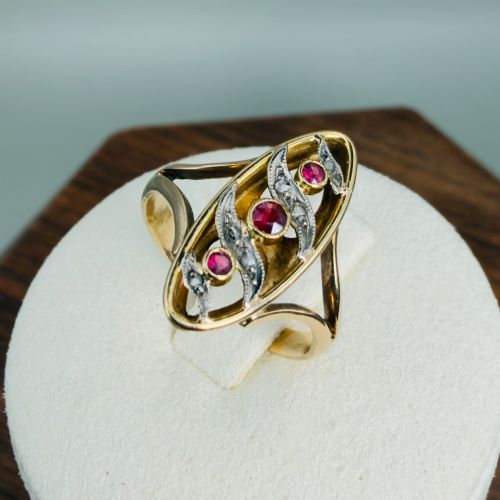
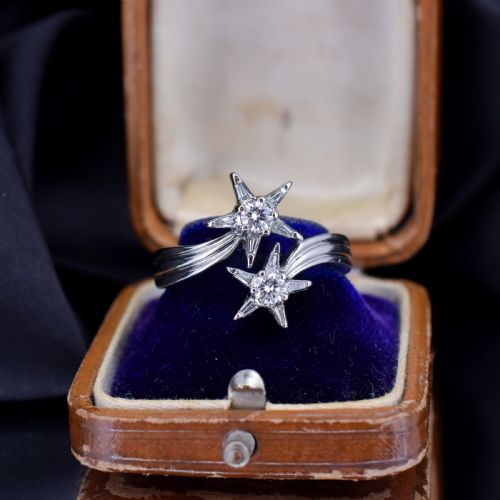
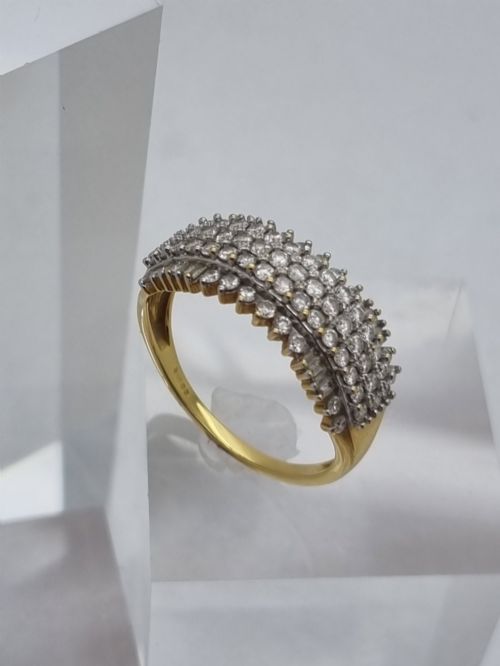
When you search for an antique style dress ring, you encounter pieces spanning from the nineteenth century through the mid-twentieth century, including Victorian, Edwardian, Art Deco and later vintage examples. These rings function primarily as decorative hand ornaments rather than traditional bands, often showcasing significant central gems framed by smaller stones.
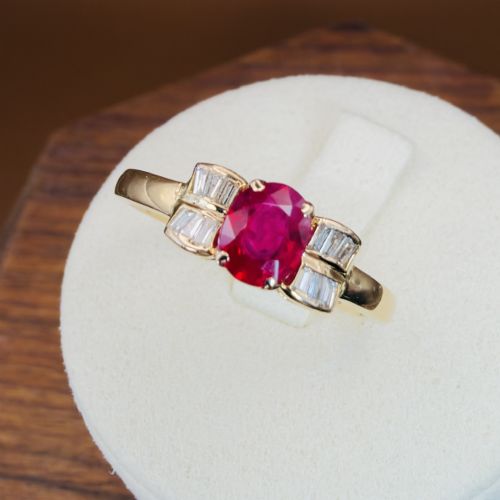
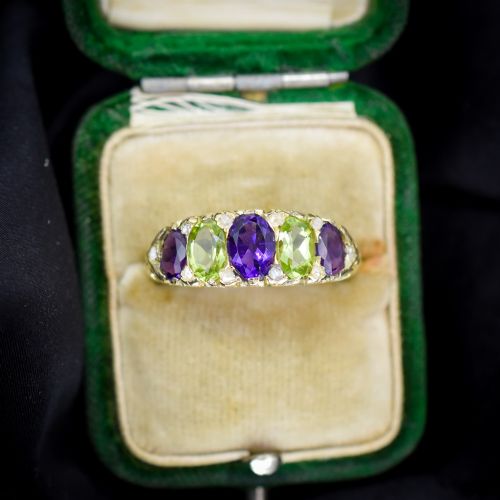
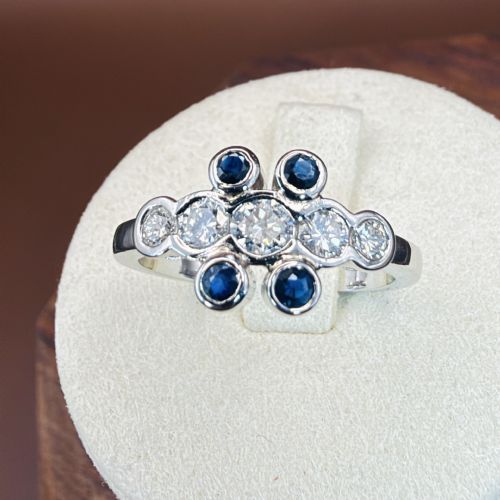
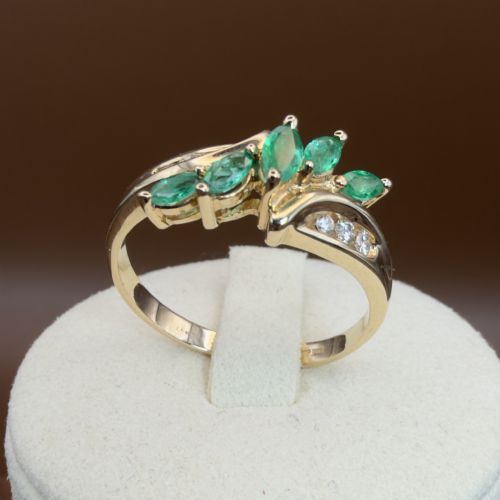
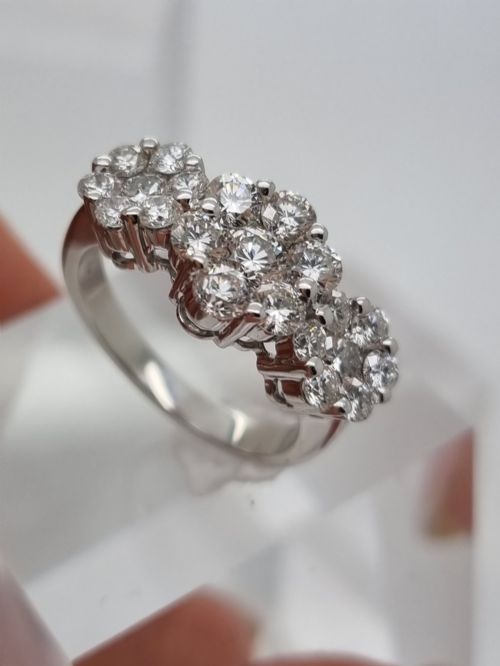
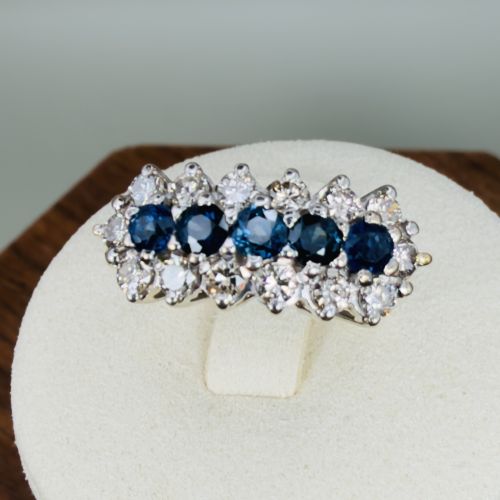
The selections on this page draw heavily from established historical designs, featuring cluster configurations, navette silhouettes, boat shapes and multi-stone settings. Yellow gold, white gold, platinum and rose gold serve as the primary foundations for these jewel varieties.
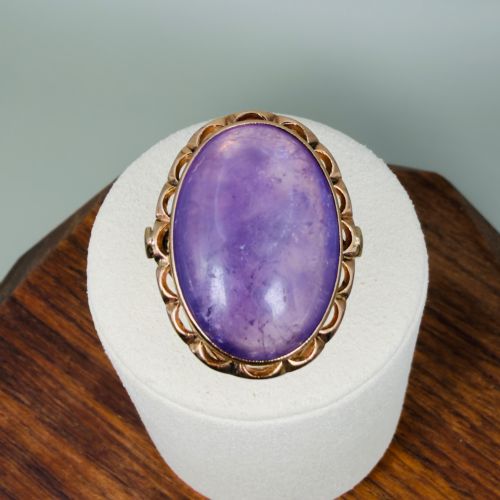
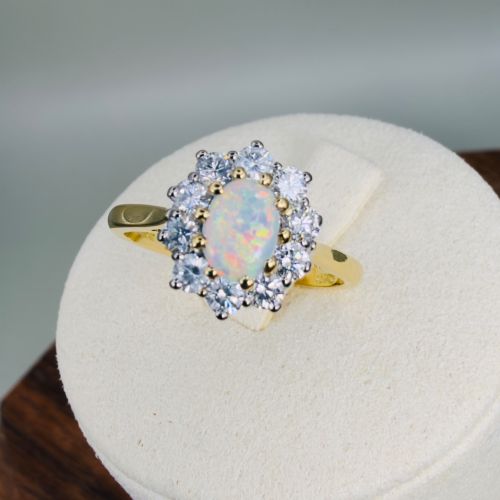
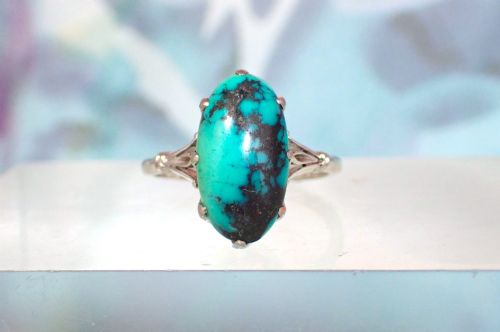
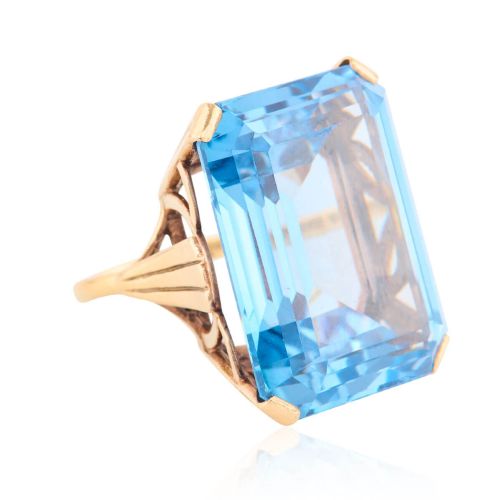
Diamond, sapphire, ruby, emerald and opal dominate the visible inventory, alongside less common stones like kunzite, lavender jade, turquoise and aquamarine. Buyers frequently meet cluster rings and diamond-set shoulder designs in daily browsing.
Materials and construction methods
Goldsmiths utilised 18ct yellow and white gold alongside platinum to mount precious stones securely while maintaining delicate visual lines. Stones such as old cut diamonds, marquis cut emeralds and cabochon opals were hand-set into intricate geometric and floral arrangements.
Techniques varied from traditional claw settings to flush and pave styles, often incorporating intricate gallery work beneath the gemstone surface. Silver also appears in combination with gold or as a primary metal in specific period pieces.
Antique Style Dress Ring Retail Price Guide 2026
Typical asking prices for style dress ring among the pieces listed under this phrase on Sellingantiques today, from the lower quarter to the upper quarter. They describe what is for sale here now, not the wider market.
Factors determining quality
The distinction between standard examples and superior pieces rests on the weight, clarity and cut of the primary gemstones, such as unheated sapphires or substantial old cut diamonds. Metalwork precision, including the integrity of the prongs and the symmetry of the cluster or navette framework, dictates the overall endurance and finish.
Provenance and originality play a role, where pieces retaining their original gem reports, untouched settings and clear hallmarks command greater attention from collectors.
The Antique Style Dress Ring Glossary
- Navette
- A boat-shaped or marquise-shaped setting that tapers to points at both ends. This silhouette stretches visually across the finger.
- Cluster ring
- A ring design featuring a central gemstone encircled by a cluster of smaller accent stones, typically diamonds.
- Old cut diamond
- A diamond cut by hand before modern machinery, characterised by a smaller table, higher crown and open culet.
- Cabochon
- A gemstone shaped and polished with a smooth, rounded convex surface rather than faceted edges.
- Trilogy ring
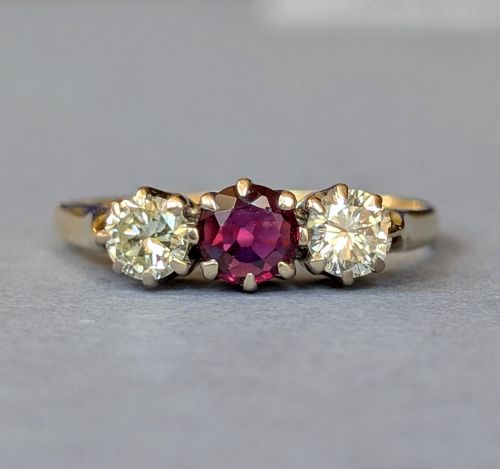
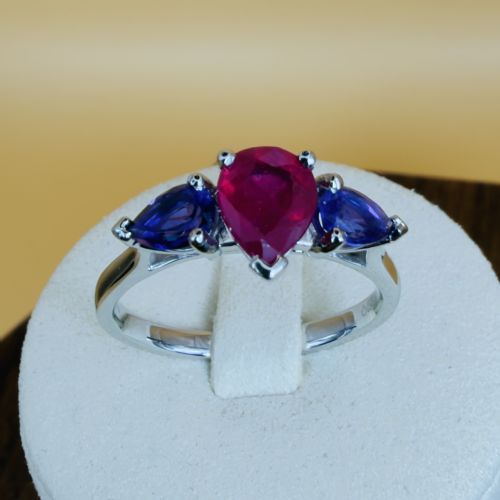
- A ring set with three stones representing the past, present and future, often consisting of diamonds or a combination of diamonds and coloured gems.
Antique Style Dress Ring: Frequently Asked Questions
How do I care for antique rings?
Clean these pieces gently with warm soapy water and a soft brush, avoiding harsh ultrasonic cleaners that might loosen delicate stones.
Store each ring separately in a fabric-lined box to prevent scratching between harder gems like diamonds and softer ones like opals.
Can I resize an old ring?
Most gold and platinum bands can be adjusted by a skilled jeweller, though intricate shoulder details or full eternity channels require careful handling.
Consult a specialist who understands antique settings to ensure the structural integrity remains intact during the adjustment process.
Are synthetic stones common?
Synthetic gemstones do appear in certain Edwardian and mid-century pieces, often created in laboratories during the early expansion of gem technology.
Independent gem reports frequently accompany these items to confirm whether the materials formed naturally in the earth.