


Antique Style Daybed
These antique style daybed pieces offer versatile lounging, spanning diverse periods from the eighteenth century to the twentieth.
Antique Style Daybed
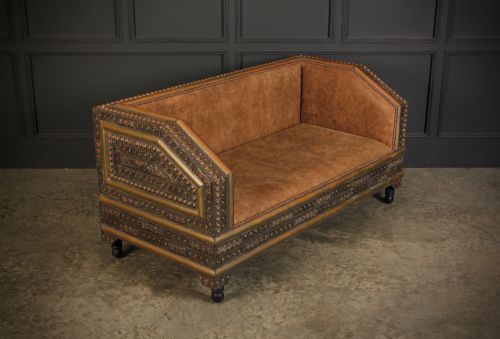
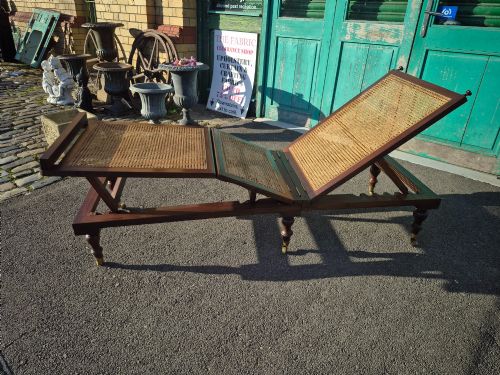
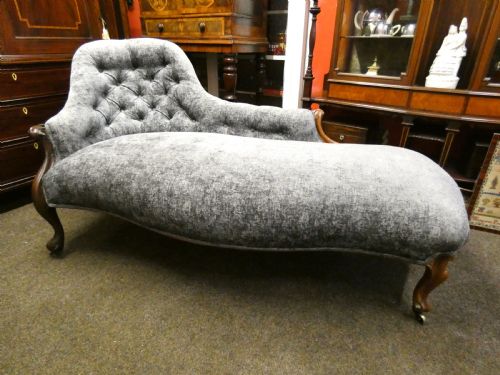
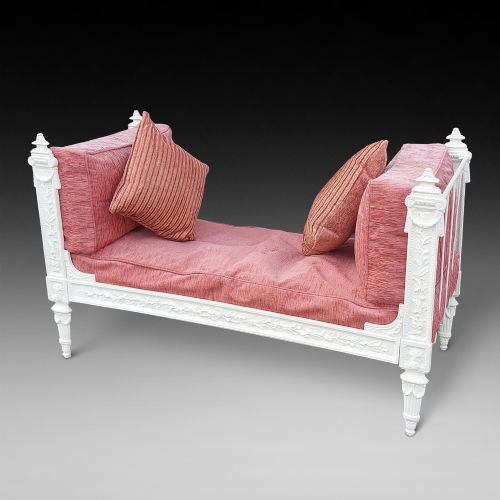
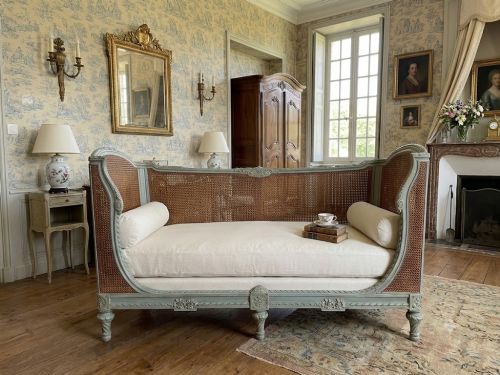
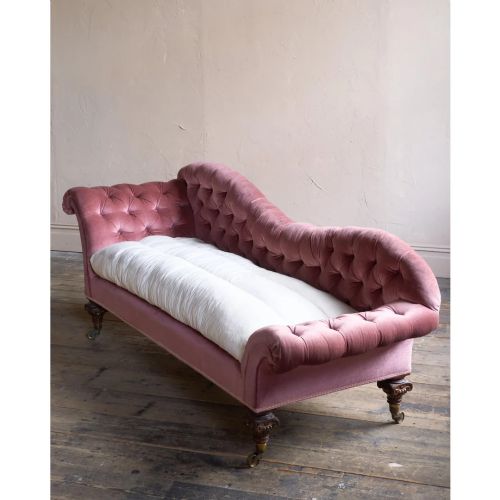
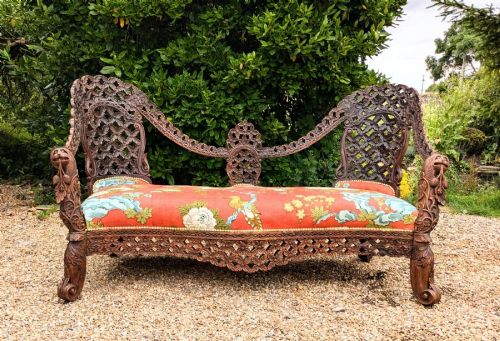
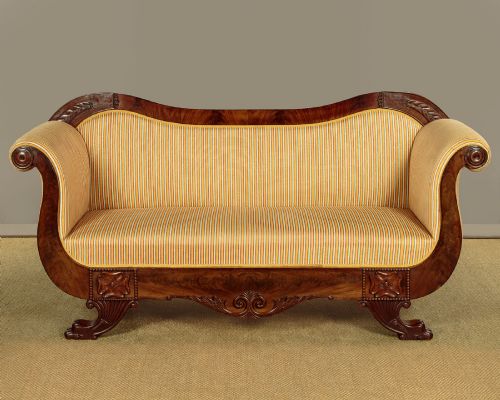
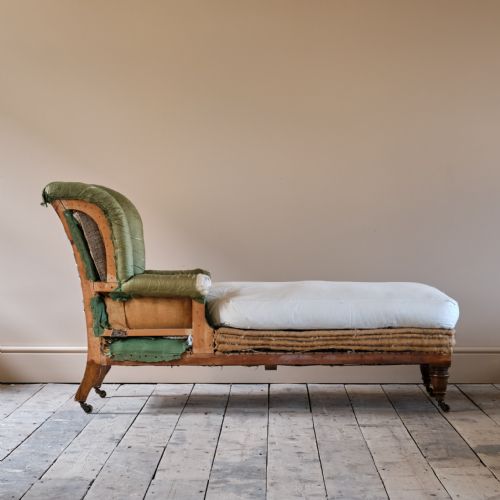
When you search for an antique style daybed, you encounter a varied selection of daybeds, chaise longues, and sofas designed for reclining or sitting. The examples on this page range from Regency scroll end couches and Victorian walnut chaise longues to French Louis XVI style painted cane day beds and Anglo-Indian hardwood sofas.
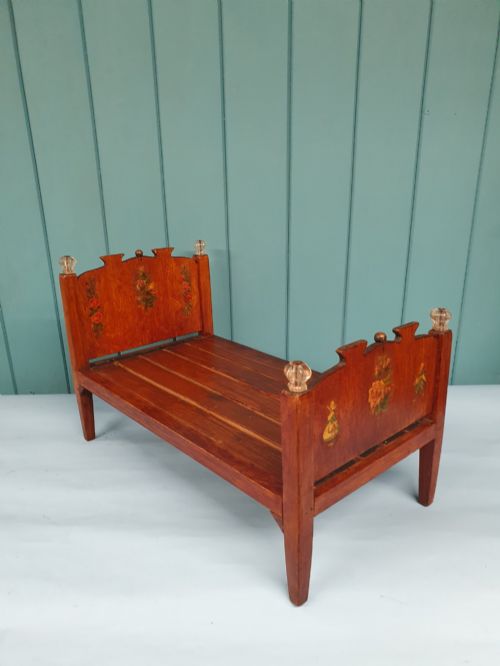
You will also find Swedish Gustavian settees, campaign style pieces, and miniature furniture such as dolls house beds. These items function as seating and day sleeping furniture, taking forms that cross between chairs and beds.
The category encompasses diverse cultural influences, including French, Italian, Chinese, and Islamic designs alongside British and Scandinavian styles. This variety reflects how different periods adapted the fundamental form for domestic lounging and reception rooms.
What varies in quality
The execution of carved detail and joinery distinguishes workshop output, separating standard production from finer cabinet work. Original painted or gilded surfaces hold greater integrity when preserved without heavy modern intervention.
The quality of materials, such as solid Rio rosewood, dense mahogany, or fine cane work, dictates the longevity and visual weight of the frame. Intricate additions like Boulle inlay or well-executed scroll ends indicate higher ambition in the design.
Upholstery execution and the preservation of original fabric or cane seating affect the overall authenticity of the piece. Consistency between the frame's period timber and its structural integrity determines its standing within the range.
Object forms on this page include miniature furniture, dolls house beds, and garden benches alongside full-scale daybeds and chaise longues.
Howard And Sons·Gillows·William Birch
The Antique Style Daybed Glossary
- Duchesse brisée
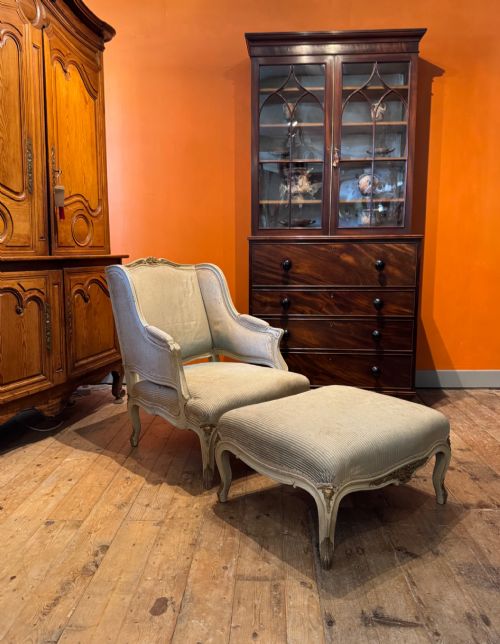
- A multi-part daybed consisting of a chair and a stool, or two chairs with a stool between them, designed for stretched-out lounging.
- Canapé
- A decorative sofa or settee with an upholstered seat and back, common in French seating traditions.
- Gustavian
- The Swedish neoclassical style characterised by restrained classical proportions, pale painted finishes, and simplified ornamentation.
- Scroll end
- A sweeping, upward-curving wooden arm or terminal found on the ends of couches and daybeds, popular during the Regency period.
Antique Style Daybed: Frequently Asked Questions
What is a daybed used for?
These pieces function primarily for daytime resting, reading, or informal lounging in drawing rooms and bedrooms. They combine the support of a chair back with the extended length of a bed.
Historically, they occupied prominent rooms where household members relaxed without retiring to a bedchamber. Today, they serve similar seating and occasional sleeping roles in studies or living spaces.
How do I identify a Regency daybed?
Regency examples frequently display prominent scroll ends, mahogany timbers, and classical architectural motifs inspired by ancient Greek and Roman design. Look for sweeping wooden terminals and clean structural lines.
Maker attributions or stylistic markers like ionic column legs often point to this early nineteenth-century period when classical revival styles dominated.
How do I care for cane seating?
Cane webbing requires gentle cleaning with a damp cloth to prevent the natural fibres from drying out and snapping. Avoid placing woven furniture near direct heat sources.
Maintaining moderate room humidity preserves the flexibility of the cane over decades of daily use.