



Vintage Recamier Sofa
A vintage recamier sofa brings architectural elegance and effortless lounging to a room, offering the graceful curve of a classic daybed.

Vintage Recamier Sofa
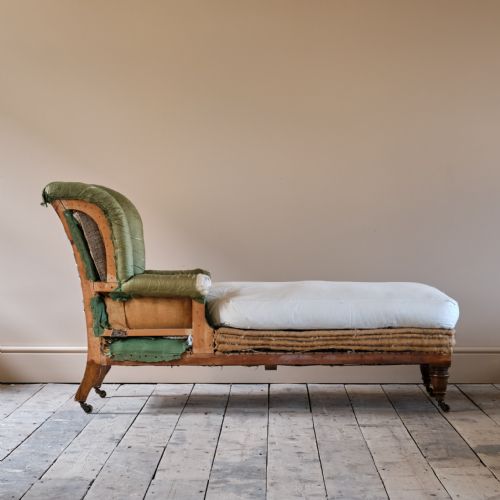
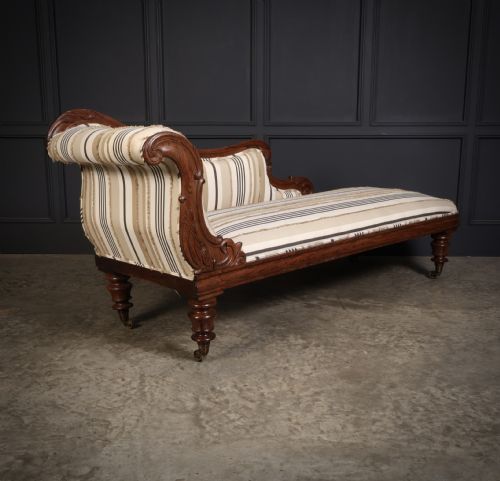
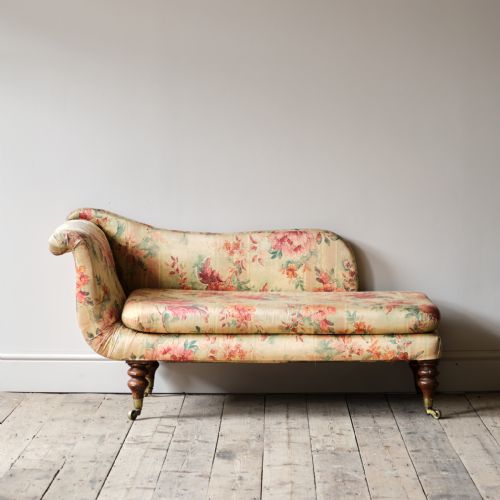
When you search for a vintage recamier sofa, you encounter sophisticated nineteenth-century daybeds and chaise longues designed for reclining in classical style. These elegant pieces combine the seat of a chair with the extended support of a bed, featuring characteristic scrolled or raised ends.
The selections on this page span several distinct periods, most notably the Regency and Victorian eras, alongside a striking twentieth-century surrealist example. You will find forms ranging from substantial mahogany frames to rosewood designs and decorative French daybeds.
These items serve as statement seating in drawing rooms, studies and grand bedrooms, functioning both as sculptural furniture and practical daybeds. The assortment reflects diverse historical interpretations of the classic recamier form, from strict revival styles to eccentric twentieth-century expressions.
How they were made
Cabinetmakers constructed these frames using dense hardwoods such as mahogany and rosewood, often accentuating the natural grain with polished finishes. Structural integrity relied on traditional joinery to support the asymmetrical load of a single raised end.
Upholstery methods involved durable foundations like hessian supporting layered stuffing before the final textile application. Finishing touches frequently incorporated brass details, while the primary coverings relied on rich textures including velvet, satin and custom fabric.
Some daybeds require serious contemplation before you even sit down.
What varies in quality
The distinction between standard examples and superior pieces rests upon the crispness of the timber carving and the architectural proportion of the scroll ends. Finer frames exhibit fluid lines that integrate seamlessly from the backrest into the primary seat rail.
Material selection dictates the upper tier of quality, where richly figured rosewood or dense mahogany denote a more ambitious commission. Furthermore, the ambition of the design - ranging from restrained Regency minimalism to exuberant Victorian or surrealist interpretation - separates ordinary production from exceptional craftsmanship.
The Vintage Recamier Sofa Glossary
- Chaise longue
- An upholstered chair that is long enough to support the user's legs, literally translating from French as long chair. This form serves as the primary archetype for the recamier.
- Regency
- A British design period spanning the early nineteenth century defined by neoclassical influences and archaeological motifs. Pieces from this era often display clean architectural lines and fine mahogany timbers.
- Hessian
- A coarse woven fabric typically utilised as internal foundation upholstery beneath the visible top textiles. It provides structural support for the internal stuffing.
- Surrealist
- An avant-garde artistic approach reflected in twentieth-century pieces that subvert traditional furniture design. Such items introduce unexpected psychological or dreamlike qualities to standard forms.
Vintage Recamier Sofa: Frequently Asked Questions
What is a recamier sofa?
A recamier sofa is a traditional daybed or chaise longue featuring one or two raised ends designed for reclining. The form derives its name from Madame Recamier, who was famously painted lounging upon such a piece.
These versatile items function as both seating and daytime resting places in domestic interiors. They bring a distinct classical silhouette to modern and traditional rooms alike.
How do I live with one?
Placing a recamier sofa in a room requires adequate floor space to allow the sweeping silhouette to command attention without blocking walkways. Position it against a primary wall or float it within a large space to highlight its sculptural profile.
Pair the piece with complementary reading lamps and soft textiles that respect its historical character. Ensure the upholstery is protected from direct sunlight to preserve delicate velvet and satin fabrics.
How do I date a piece?
Dating relies heavily on identifying the prevailing stylistic cues, such as neoclassical Regency lines or ornate Victorian flourishes. Timber choices also signal specific eras, with rich rosewood and dense mahogany predominating in nineteenth-century workshops.
Construction techniques, including joint types and internal webbing materials like hessian, offer further clues to a piece's age. Comparing decorative motifs against documented historical periods confirms the likely decade of manufacture.
Are these comfortable for sleeping?
These daybeds are designed primarily for daytime reclining and reading rather than overnight sleeping. The single raised end provides excellent support for the head and shoulders during short rests.
While some examples offer generous proportions, their primary purpose remains decorative lounging. Using them for permanent sleeping requires careful consideration of their fixed length and narrow width.