






Antique Style Canopy Bed
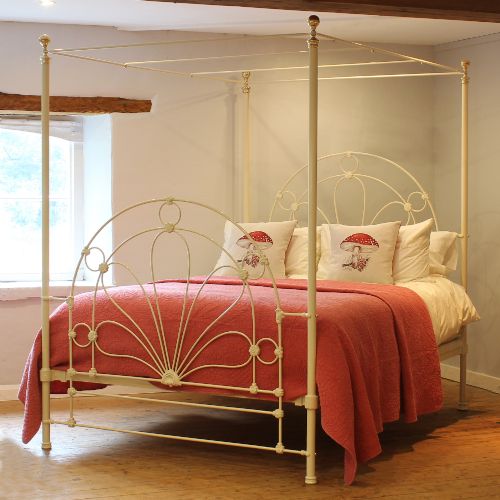
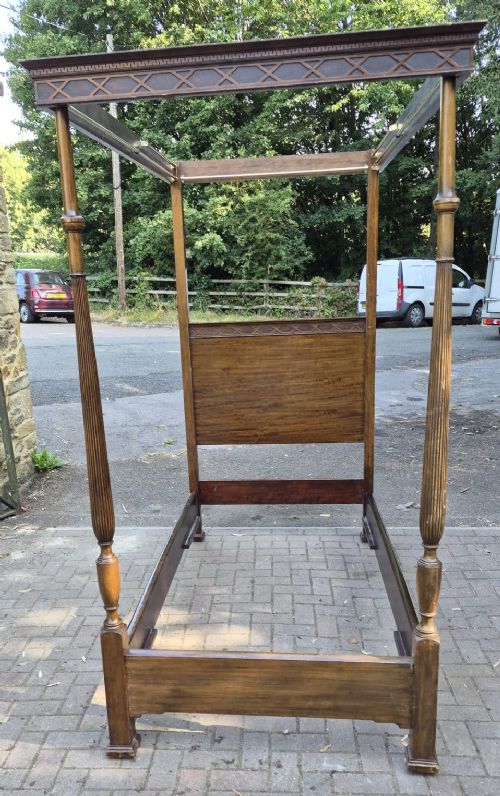
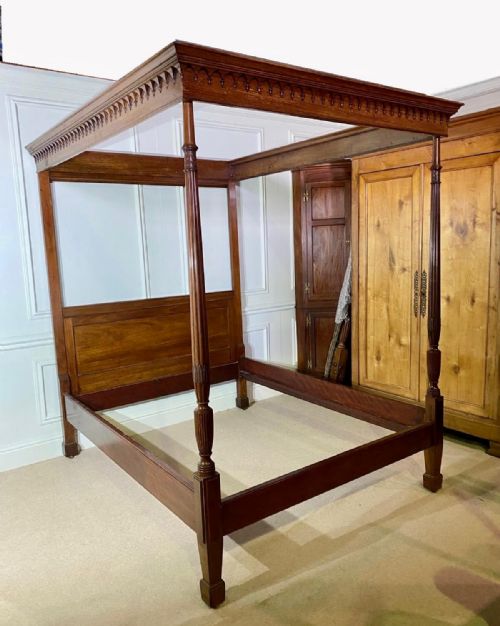
These antique style canopy bed designs bring dramatic vertical presence and rich historical woodwork into a bedroom.
Antique Style Canopy Bed
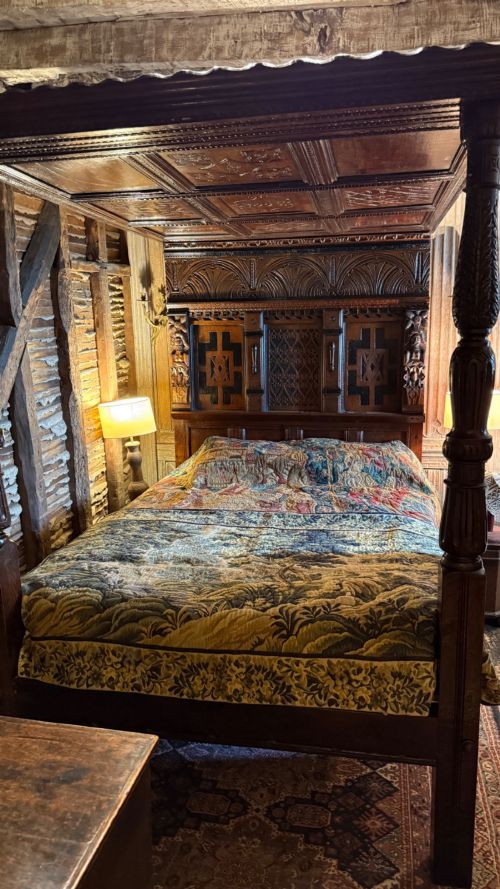
When you search for an antique style canopy bed, you find large wooden frames defined by upright posts and overhead testers. These grand sleeping quarters vary from early seventeenth-century English oak tester beds to later nineteenth-century mahogany and painted creations.
The selections available here range widely in proportion and regional influence, encompassing grand proportions like super king sizes alongside smaller domestic examples. You will encounter revival styles including Georgian, Jacobean, and Elizabethan alongside colonial interpretations.
The form also extends to specialised domestic items, including small-scale iterations made as pet furniture alongside full human-sized bedsteads. Each piece maintains the distinctive vertical architecture that defines the enduring appeal of the four poster.
How they were made
Construction relies heavily on sturdy hardwoods such as mahogany and oak, supplemented by pine and general timber framing. These heavy timbers require robust joinery to support the substantial weight of the overhead tester and hanging fabrics.
Many examples showcase intricate hand carving upon the structural posts and headboards, reflecting the decorative vocabulary of their respective periods. Surface treatments vary from natural polished timber finishes to painted applications and applied fabric textiles.
Antique Style Canopy Bed Retail Price Guide 2026
Typical asking prices for style canopy bed among the pieces listed under this phrase on Sellingantiques today, from the lower quarter to the upper quarter. They describe what is for sale here now, not the wider market.
Among the towering timber structures wait miniature four poster beds built specifically for pampered household pets.
What varies in quality
Quality rests primarily in the ambition of the timber work and the depth of the hand carving across the posts and cornices. Early seventeenth-century oak examples show different sculptural priorities compared to the refined lines of eighteenth-century Chippendale or Regency pieces.
Proportion and scale dictate the visual success of the piece, particularly how the vertical posts balance the mass of the tester above. The integrity of the original construction and the preservation of period surfaces determine the character of each bedstead.
Howard & Sons
The Antique Style Canopy Bed Glossary
- Four poster bed
- A bed with four vertical columns supporting an overhead tester frame. This design historically kept sleeping quarters warm and private with curtains.
- Half tester
- A wall-mounted or post-supported canopy that covers only the head portion of the bed rather than its entire length. It provides a lighter visual footprint than a full tester.
- Chippendale
- A mid-eighteenth-century English design style known for sophisticated cabinetmaking and classical motifs. Pieces from this tradition often display graceful proportions and detailed carving.
- Jacobean
- An early seventeenth-century English style characterised by robust oak construction and geometric panel carving. Furniture from this era emphasises solid weight and dark timber tones.
Antique Style Canopy Bed: Frequently Asked Questions
How do I fit a mattress?
Many historical frames were built to dimensions that differ from modern standard mattress sizes. You may need to arrange custom mattress manufacturing to fit the interior dimensions of antique rails.
Working with a specialist upholsterer ensures the base supports the mattress correctly without straining the antique wooden joinery.
Are tester beds difficult to assemble?
The assembly of a four poster bed requires patience and multiple pairs of hands to manage the heavy timber posts and overhead tester. Traditional peg and slot joints must be aligned precisely to ensure structural stability.
Professional installation is often recommended to protect the historic wood and ensure the frame stands completely square.
How do I hang canopy curtains?
Curtains attach to the interior wooden rails or iron rods of the tester using traditional ring ties or hooks. The choice of textile should complement the period of the woodwork, utilising appropriate weights of fabric.
Historical examples often used heavy woven draperies to retain warmth, while lighter cottons or silks suit later revival styles.
How do I care for antique wood?
Maintain the timber by dusting regularly with a soft, dry cloth and avoiding excessive moisture or direct sunlight. Periodic application of appropriate wax feeds the grain and preserves the historic finish.
Keep the bedstead away from direct heat sources to prevent the old hardwoods from drying out and splitting.