



Antique Style Art
These pieces brought together under antique style art span diverse periods from the seventeenth century to the mid twentieth, offering tangible history for daily use.
Antique Style Art
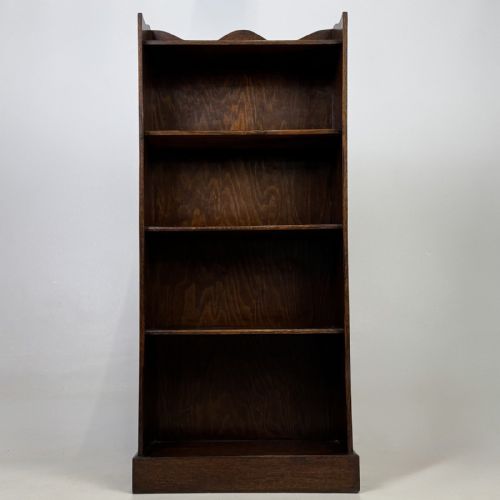
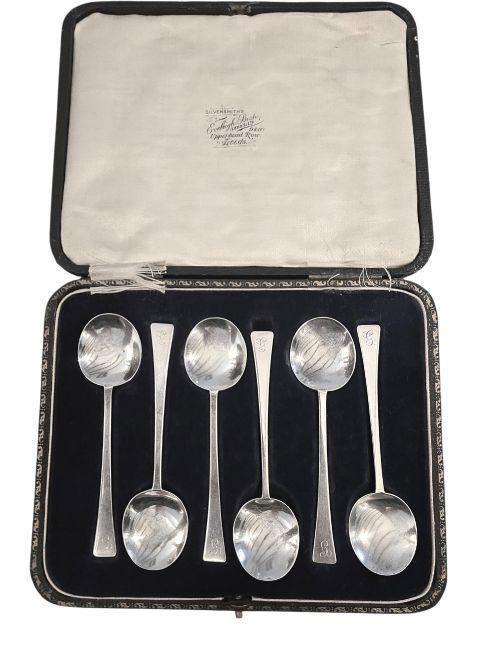
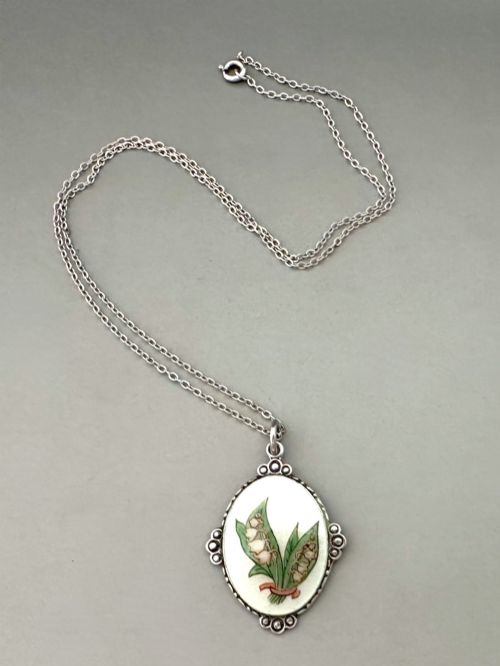
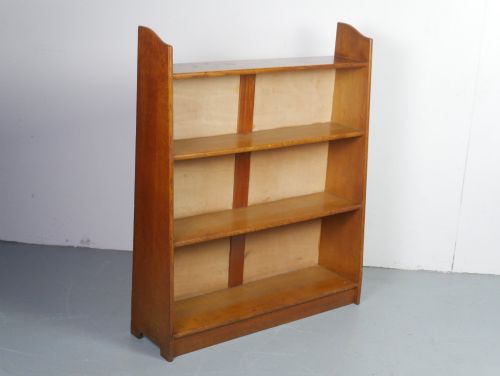
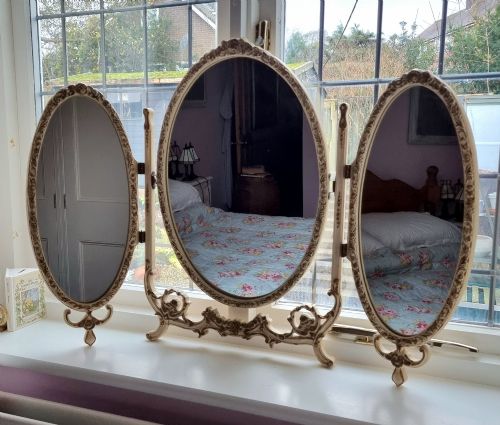
When browsing antique style art, collectors encounter a varied assortment of objects ranging from oil paintings and watercolours to furniture like oak bookcases, side tables, and wardrobes, alongside platinum and white gold diamond cluster rings.
The items span multiple periods including the seventeenth century, the nineteenth century, and twentieth-century decades up to the nineteen-sixties, reflecting broader historical aesthetics rather than a single unified movement.
Most commonly, buyers find pieces rooted in the Arts and Crafts movement, Art Deco design, and traditional portraiture or landscape painting, executed in media such as oil on canvas, carved oak, mahogany, and giltwood.
Materials and construction
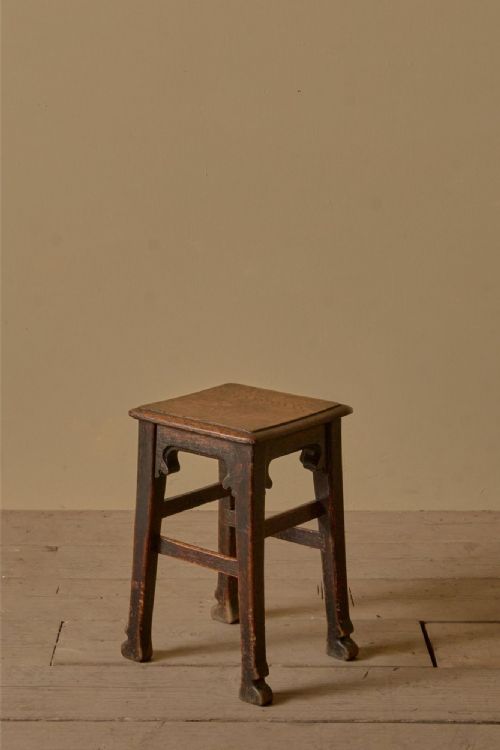
Furniture relies heavily on solid timbers like oak, mahogany, elm, and walnut, often featuring pegged joints, hand-carved detailing, and inlaid decoration that highlight traditional carpentry methods.
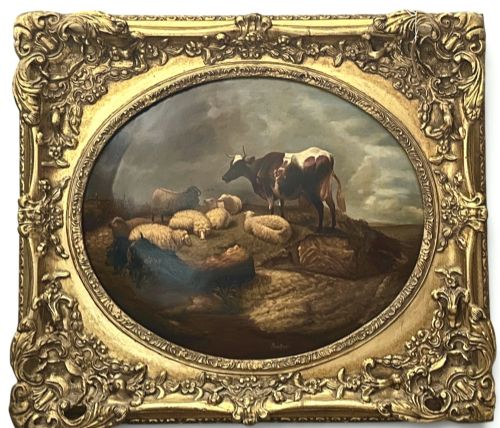
Paintings employ oil on canvas or watercolour on paper housed within deep giltwood and gesso picture frames, demonstrating traditional fine art techniques from various European schools.
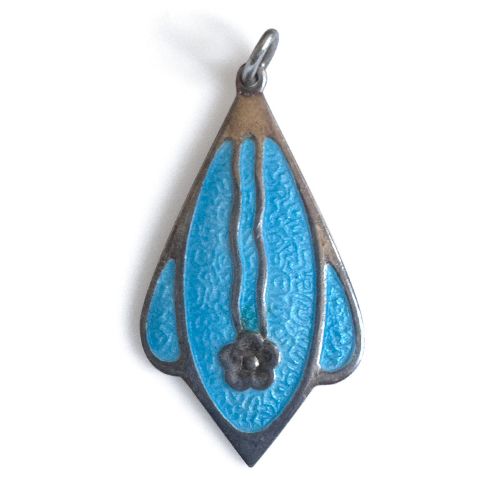
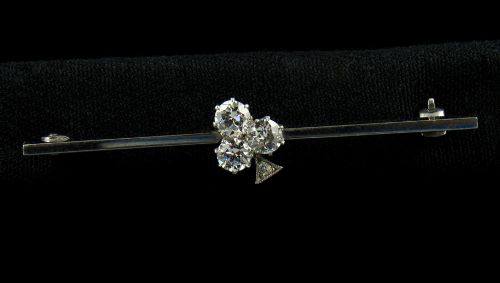
Jewellery pieces combine platinum or white gold settings with gemstones including diamonds, aquamarines, zircons, and pearls, reflecting precision metalwork from the early twentieth century.
Antique Style Art Retail Price Guide 2026
Typical asking prices for style art among the pieces listed under this phrase on Sellingantiques today, from the lower quarter to the upper quarter. They describe what is for sale here now, not the wider market.
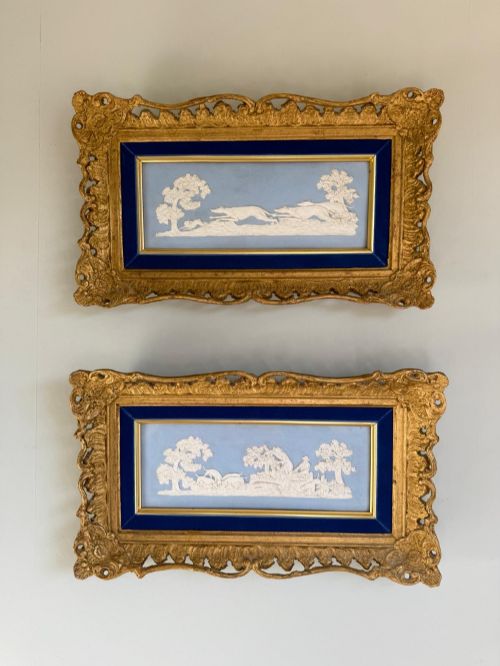
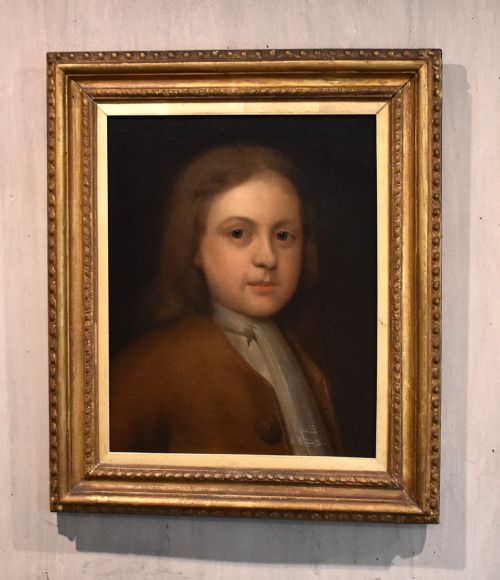
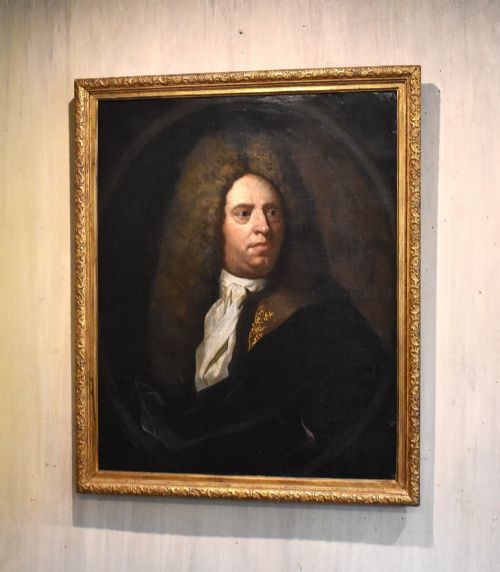
Racing pigeons and fairy revels quietly share wall space alongside solemn Renaissance portraits.
Distinctions in quality
The standard of craftsmanship shows clearly in the execution of carved elements, joinery methods, and the purity of materials used in both furniture and jewellery construction.
Fine art pieces are distinguished by the skill of the brushwork, the depth of composition, and whether the work originates from a known studio or skilled follower of established artists.
Preservation of original surfaces, such as the untouched grain of limed oak or the crisp detail on giltwood frames, separates exceptional examples from heavily altered items.
Shapland and Petter·Liberty and Co·Jacob and Joseph Kohn·Leonard Wyburd
The Antique Style Art Glossary
- Arts and Crafts
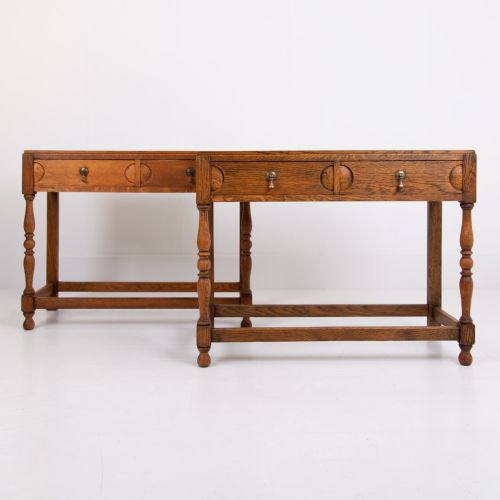
- A design movement prioritising traditional craftsmanship, simple forms, and natural materials over mass production. This aesthetic heavily influences many of the oak tables and wardrobes found in this category.
- Art Deco
- A style spanning the nineteen-twenties and nineteen-thirties characterised by sleek geometric shapes, streamlined forms, and modern materials. It appears frequently in platinum diamond rings and brass bed frames.
- Giltwood
- Timber that has been coated with a thin layer of gold leaf. It is commonly found on decorative nineteenth-century picture frames.
- Gesso
- A plaster-like mixture applied to wood surfaces as a base for painting or gilding. Elaborate picture frames rely on this technique to hold deep sculptural reliefs.
- Pegged joint
- A traditional method of securing mortise and tenon joints in furniture using wooden pins rather than metal nails. This technique is typical of sturdy oak tables and bookcases.
Antique Style Art: Frequently Asked Questions
How do I care for antique wooden furniture?
Keep wooden items away from direct heat sources and sudden humidity changes to prevent timber from splitting or warping.
Apply natural beeswax occasionally to nourish the grain and maintain a soft protective sheen without using modern silicone polishes.
What defines an Art Deco ring?
Art Deco rings typically feature geometric platinum or white gold settings with diamonds or coloured gemstones arranged in symmetrical patterns.
These pieces reflect the modernist design ethos of the nineteen-twenties and thirties, focusing on clean architectural lines.
How should I display antique oil paintings?
Position oil paintings away from direct sunlight to protect the pigments from fading over time. Ensure the wall brackets securely support the weight of the canvas and heavy giltwood frames.
How can I tell Arts and Crafts furniture apart?
Look for visible construction details like pegged joints, hand-carved motifs, and honest use of solid oak, elm, or walnut.
These domestic items reject excessive industrial ornamentation in favour of utility and robust vernacular craftsmanship.