

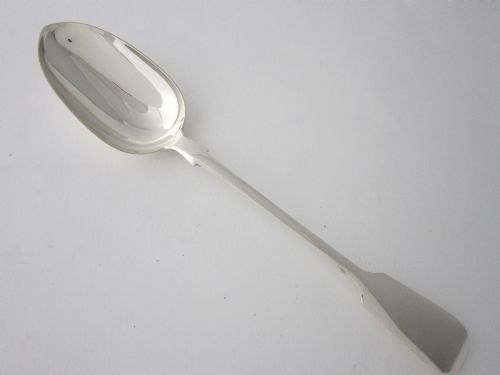


Antique Stuffing Spoon
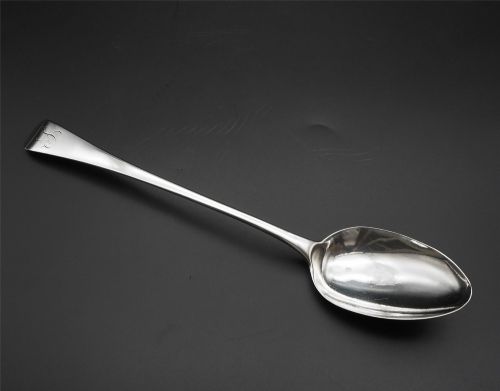
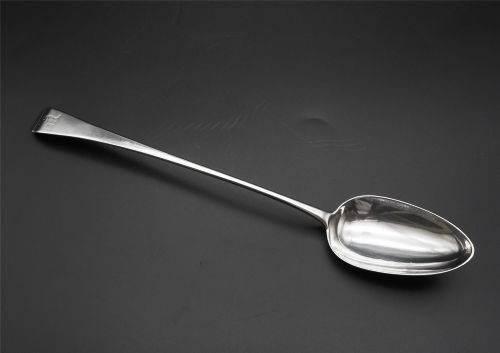
An antique stuffing spoon is a large, substantial piece of silver designed for the dining table, offering immediate historical presence.
Antique Stuffing Spoon
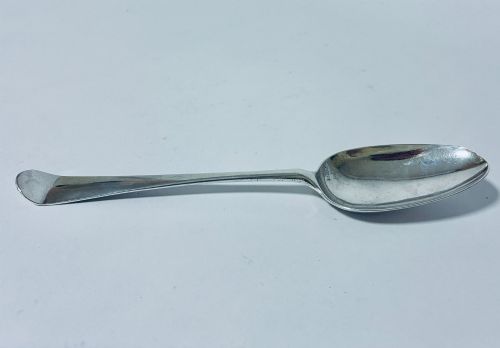
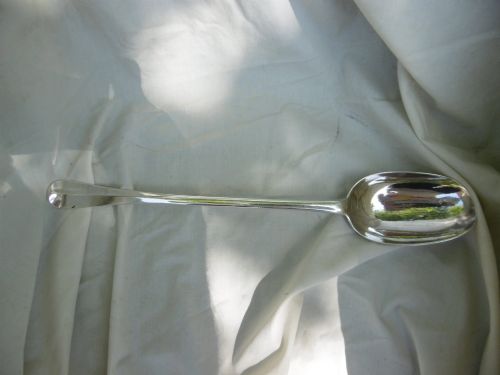
An antique stuffing spoon is a large serving implement, often catalogued interchangeably as a basting spoon or hash spoon. Buyers searching for an antique stuffing spoon will encounter substantial silver pieces primarily originating from the eighteenth and nineteenth centuries. Alongside these silver utensils, the listings also include nineteenth-century mahogany dining chairs sharing the period.
The associated dining chairs from the Regency and William IV periods feature balloon spoon backs and upholstered seats. While the dining chairs share a stylistic nomenclature, the core focus of the search remains the heavy silver serving spoons. Collectors find these spoons in distinct regional patterns such as the Fiddle pattern.
Materials and construction
The silver utensils are formed from sterling silver and standard silver, shaped through traditional smithing techniques. Makers hammered and shaped the metal to achieve lengths exceeding thirty centimetres while maintaining structural balance. Clear hallmarks stamped into the silver record the assay office, maker, and year of production.
The dining chairs utilise solid mahogany for their frames, combined with traditional upholstery fabric for the stuff-over seats. Woodworkers shaped the mahogany to form the curved balloon spoon backs characteristic of the Regency and William IV periods. These materials reflect the domestic craftsmanship of nineteenth-century workshops.
Antique Stuffing Spoon Retail Price Guide 2026
Typical asking prices for stuffing spoon among the pieces listed under this phrase on Sellingantiques today, from the lower quarter to the upper quarter. They describe what is for sale here now, not the wider market.
One eighteen-century Scottish silver hash spoon weighs a formidable quarter of a kilogram, built for serious kitchen business.
Distinctions in quality
Quality in these silver spoons rests upon the weight of the metal and the clarity of the maker marks. Heavier examples containing substantial grammage demonstrate superior domestic utility and higher grade manufacture. Crisp, legible hallmarks from respected regional or London assay offices elevate the standing of a piece.
Provenance and geographical origin also separate standard items from notable works. Scottish provincial pieces and well-documented makers command attention through their distinct regional characteristics and scarce survival rates. Condition of the bowl and terminal further defines the preservation of the object.
Andrew Archer·John Wilks·Robert Gordon·Alexander Henderson
The Antique Stuffing Spoon Glossary
- Basting spoon
- A large spoon used historically for spooning juices over roasting meat. It shares dimensions and form with the stuffing spoon.
- Hash spoon
- An alternative historical term for a large serving or stuffing spoon. These heavy implements were intended for hearty dishes.
- Fiddle pattern
- A nineteenth-century flatware design featuring a stem that widens gracefully near the terminal into a shape resembling a fiddle. It appears frequently on Victorian silver pieces.
- Hallmark
- An official stamp applied to precious metals indicating standard of purity, origin office, and year. These marks provide precise dating for silver spoons.
- Stuff over
- An upholstery technique where the fabric covers the chair frame entirely, concealing the wooden rails beneath. This method appears on Regency dining chairs.
Antique Stuffing Spoon: Frequently Asked Questions
What is an antique stuffing spoon used for?
These large silver implements served formal dining tables for portioning meat and vegetables during the eighteenth and nineteenth centuries. Their extended length kept the handler's hands safely away from hot serving dishes.
Today, collectors appreciate them primarily as display items or use them for modern serving duties at large gatherings. Their substantial weight and historic silver shine make them notable conversation pieces on a sideboard.
How do I know the date of a silver spoon?
Makers struck official hallmarks directly into the silver, which record the assay office and a specific date letter corresponding to the year of manufacture. Examining these punches allows for exact identification of the period.
In addition to hallmarks, stylistic indicators such as the Fiddle pattern or the specific shape of the bowl point toward Georgian or Victorian origins. Provincial pieces often carry maker marks that link them to specific regional silversmiths.
Are stuffing spoons and basting spoons the same thing?
Makers and dealers often use the terms interchangeably because both describe oversized silver spoons produced during the Georgian and Victorian periods. Their physical dimensions and capacities are practically identical.
Regional preferences and individual workshop ledgers determined whether a smith recorded a particular large utensil as a basting, hash, or stuffing spoon. Collectors generally treat these categories as a single group of dining silver.
Where were these silver spoons made?
British silversmiths produced the majority of these pieces, with specific workshops operating in London, Dublin, and Scottish provincial towns like Inverness. Each assay office maintained distinct standards and regulatory marks.
Scandinavia also contributed distinct silver serving pieces to the broader historical market. The variety of geographic origins reflects active regional trade and distinct local silversmithing traditions.