




Antique Study Tool
An antique study tool brings the solid timber and hand-tooled leather of nineteenth-century scholarship straight into a modern room.
Antique Study Tool
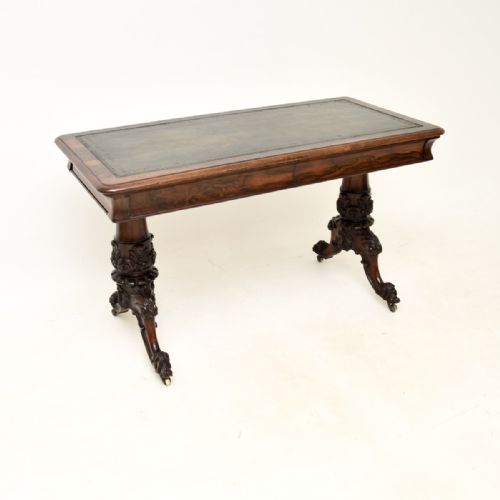
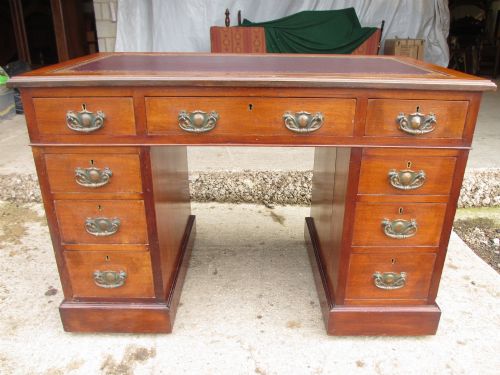
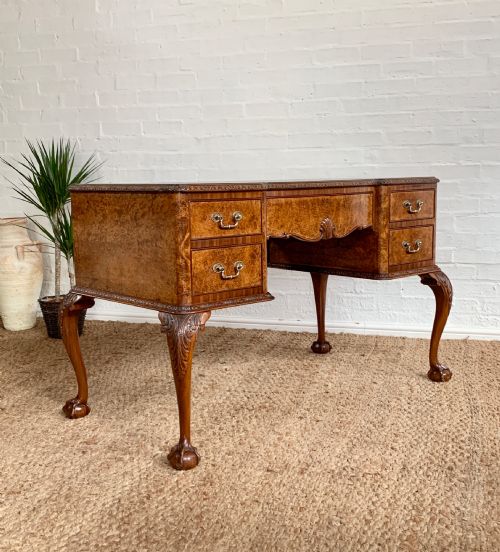
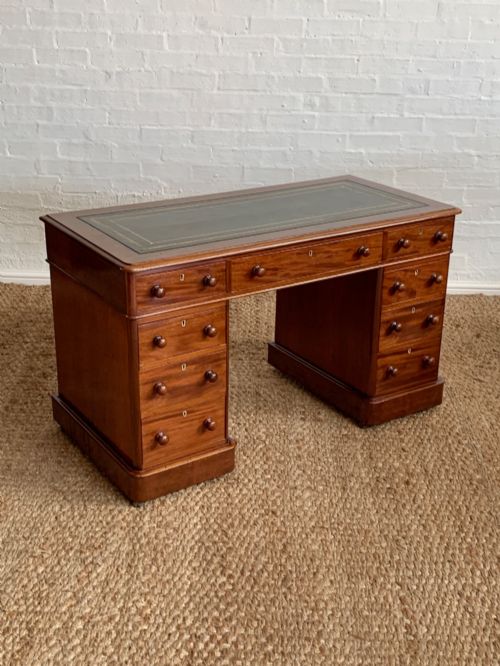
When you search for an antique study tool, you encounter a range of timber furniture and leather-topped writing surfaces designed for nineteenth-century work. The selection spans pedestal desks, kneehole desks, and compact ladies writing tables.
You are most likely to meet mahogany and walnut pieces originating from the Victorian and Edwardian periods. Alongside desks, the category encompasses smaller desk accessories, library steps, and nineteenth-century volumes.
The objects reflect the domestic and scholarly spaces of their eras, employing traditional forms like the freestanding writing table and the heavy pedestal desk. Each item represents a functional workspace built to last through generations of heavy use.
What varies in quality
The standard of a piece rests upon the selection of timber and the precision of the cabinet work in the drawers and framing. Higher quality items feature carefully matched grains and solid secondary woods inside the drawers rather than cheaper substitutes.
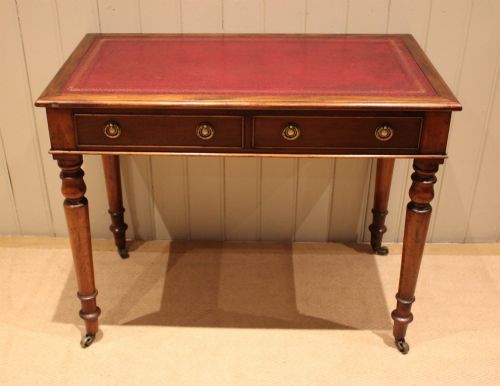
The execution of the leather top and its gold leaf tooling indicates the original grade of the furniture. Finer desks retain crisp, detailed tooling and well-preserved leather, while timber surfaces show depth of grain without heavy distortion or clumsy repairs.
Antique Study Tool Retail Price Guide 2026
Typical asking prices for study tool among the pieces listed under this phrase on Sellingantiques today, from the lower quarter to the upper quarter. They describe what is for sale here now, not the wider market.
Listings feature Victorian, Edwardian, and William IV periods, constructed in mahogany, walnut, oak, and rosewood with leather and brass details.
The Antique Study Tool Glossary
- Pedestal desk
- A large freestanding desk comprising two supporting banks of drawers beneath a single top. This form provides substantial storage and workspace.
- Kneehole desk
- A compact desk featuring a central recess for the sitter's legs, flanked by smaller drawers. It offers a neat footprint for smaller studies.
- Tooled leather
- Leather writing surfaces impressed with decorative patterns using heated brass tools, sometimes finished with gold leaf. This provides a durable and tactile writing plane.
- Library steps
- Portable wooden stairs used to reach high bookshelves in private libraries. They often feature folding mechanisms or integrated handrails.
- Writing table
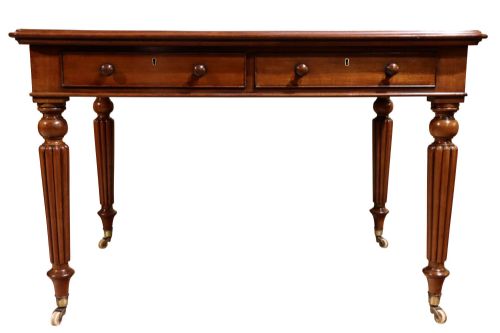
- A freestanding table designed primarily for correspondence rather than storage. These typically feature slender legs and one or more shallow drawers beneath the top.
Antique Study Tool: Frequently Asked Questions
What is an antique study tool?
An antique study tool refers to the furniture and accessories used for writing and reading during the nineteenth and early twentieth centuries. The category centres primarily on mahogany and walnut desks, tables, and leather-bound accessories.
These pieces were built for functional domestic and library use, combining heavy timber construction with specialised writing surfaces.
How do I date a Victorian desk?
Dating a Victorian desk involves examining the timber species, construction methods, and secondary woods used inside the drawers. Mahogany and walnut were dominant during the nineteenth century, with specific leg styles shifting from reeded designs to heavy pedestals.
Maker marks, where present, and the style of the brass hardware offer further clues to the specific decade of manufacture between eighteen fifty and nineteen hundred.
Where should I place a kneehole desk?
A kneehole desk fits well against a wall or floating in the centre of a room if the back is finished with the same attention as the front. Its compact footprint makes it suitable for smaller studies or bedrooms.
Ensure the room has adequate natural light falling across the leather writing surface to preserve the traditional arrangement of a Victorian study.
How do I care for leather desk inserts?
Leather desk inserts require gentle cleaning with a dry or slightly damp cloth to remove dust without stripping the natural oils. Avoid harsh chemical cleaners that can crack the leather or damage the gold leaf tooling.
Applying a specialist leather balsam periodically helps maintain the suppleness of the writing surface and preserves the blind tooling.