

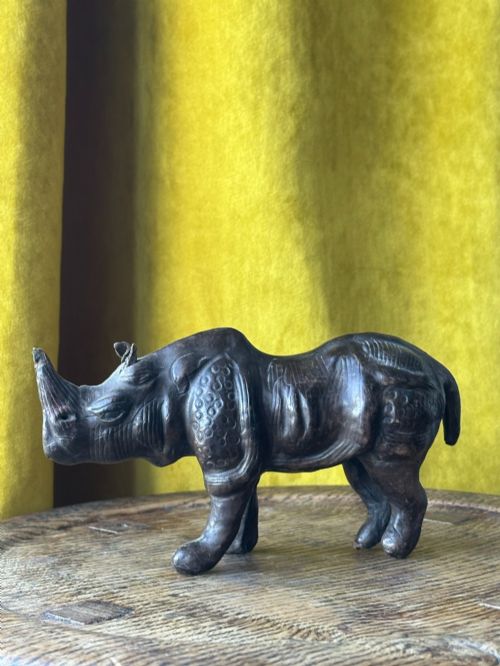


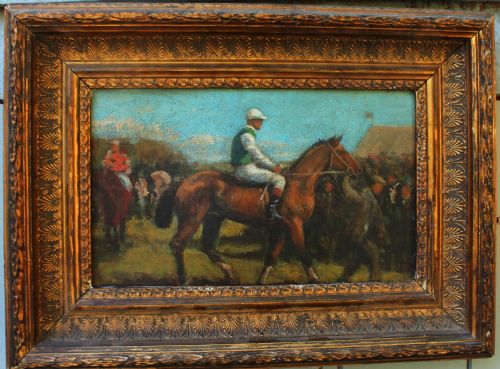


Antique Study Decor
Antique study decor brings character to a room through framed art, bookends, and globes that anchor a traditional interior.
Antique Study Decor
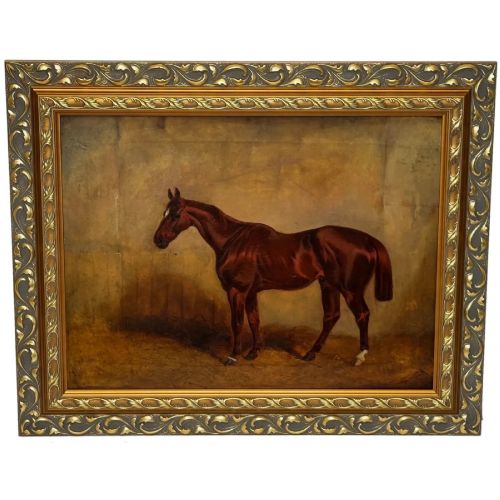
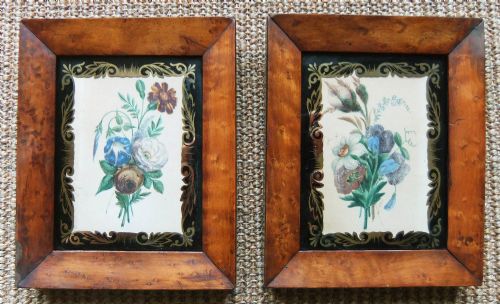
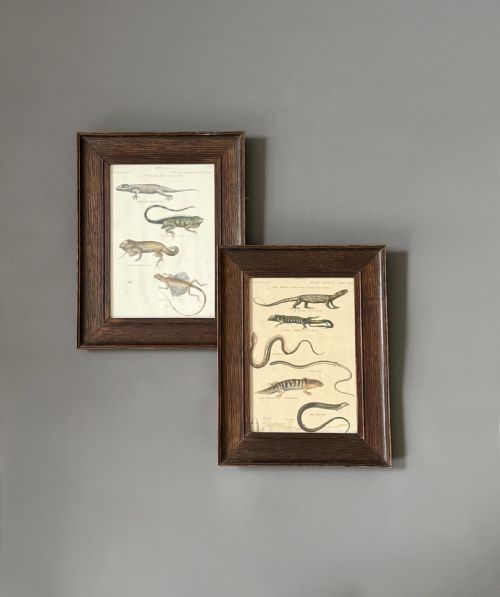
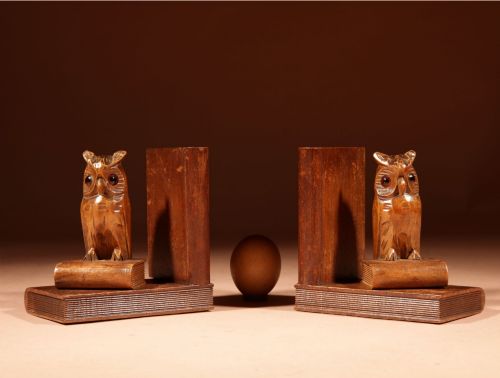
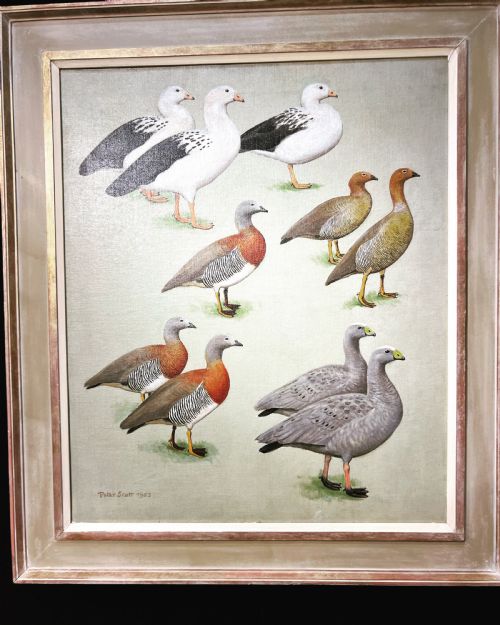
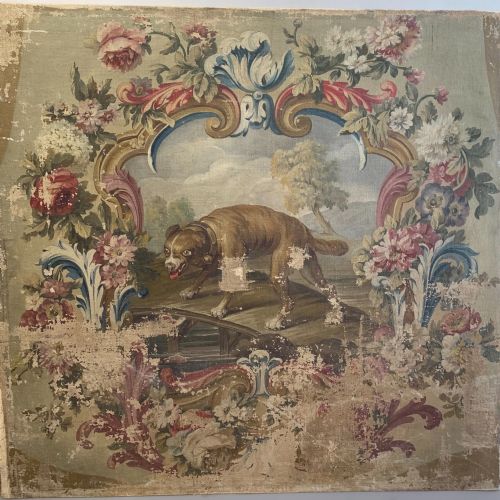
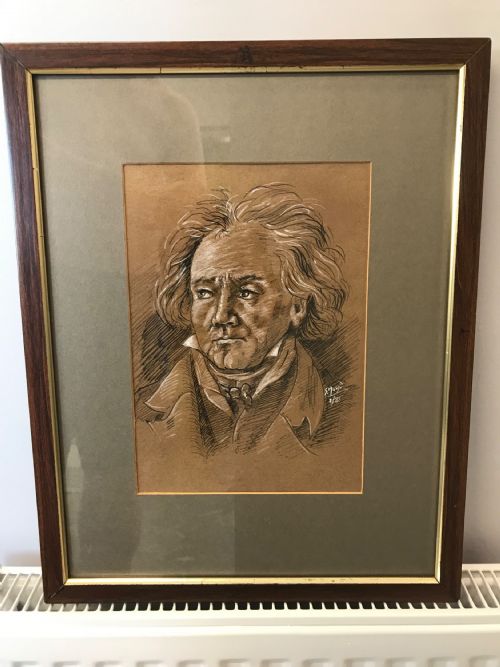
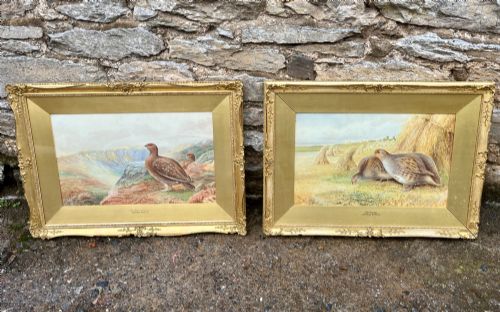
Antique study decor covers a focused range of scholarly and desktop items designed to ornament a library, office, or reading room. When searching for antique study decor, buyers encounter framed animal and botanical studies, hand-drawn portraits, oil paintings, and functional accessories like bookends and globes.
The selection on this page leans heavily towards works on paper, canvas, and carved wood or spelter. Pieces span from the nineteenth century through the mid-twentieth century, offering distinct representations of natural history, sporting art, and traditional imagery.
Materials and construction
The objects combine traditional artistic media with sturdy structural materials, utilising oil paint, pastel, ink, and watercolour on canvas or paper. Frames are frequently executed in wood or gilt wood, complementing the flat artwork.
Three-dimensional pieces rely on denser materials like carved wood, marble, alabaster, bronze, and spelter. These substances provide the necessary weight for desktop items such as bookends and globes.
A detached bronze nostril from a horse statue sits among the study accessories.
Quality and execution
Quality in these items rests on the precision of the draughtsmanship and the authority of the medium, whether in an ink wash portrait or an oil painting of sporting subjects. Finer examples display meticulous handling of detail in subjects like animal anatomy or botanical specimens.
The caliber of secondary materials also dictates the standard of a piece, distinguishing simple decorative items from those with superior framing, patination, or sculptural carving.
William Bird MD FLS·Sir Peter Markham Scott·Ludwig van Beethoven·George Rankin·Liberty & Co.·Alfred Munnings·Rowland Henry Hill·John Emms·W.E.Barrington-Browne·Feridah Francis Forbes Taylor·Evelyn Chester
The Antique Study Decor Glossary
- Spelter
- A zinc alloy frequently cast to imitate bronze in decorative sculptures and bookends. It provides a lighter and more accessible alternative to heavier metals.
- Gilt wood
- Wood that has been treated with a thin layer of gold leaf or gilt finish. This technique enhances picture frames and decorative mouldings.
- Gouache
- An opaque water-based paint used alongside ink or wash in detailed works on paper. It allows for solid highlights and dense colour application.
- Electrotype
- A copper-clad copy produced through an electrolytic process. It replicates the appearance of solid bronze or antique metalwork.
Antique Study Decor: Frequently Asked Questions
What items fit antique study decor?
Antique study decor includes framed prints, botanical and animal studies, oil paintings, globes, and carved bookends. These objects traditionally ornament desks, libraries, and reading rooms.
The selection draws from nineteenth and twentieth-century traditions, focusing on scholarly, natural history, and sporting subjects.
How do I choose bookends for a desk?
Desk bookends should offer sufficient weight to hold heavy volumes in place securely. Materials like marble, alabaster, spelter, and carved wood provide this necessary stability.
Matching the material to the rest of the room's fittings helps unify the desktop arrangement.
Are these globes suitable for navigation?
Antique globes serve primarily as decorative objects and historical artefacts rather than up-to-date navigational tools. Paper mache and terrestrial globes from the early twentieth century record past geographical boundaries.
They function best as visual centrepieces on a desk or shelf.
How are works on paper framed?
Works on paper such as engravings, watercolours, and pastel studies are typically protected behind glass within wooden or gilt frames. This framing shields delicate pigments and paper from dust and environmental wear.
Many retain period mounts that suit the era of the artwork.