



Antique Studio Desk
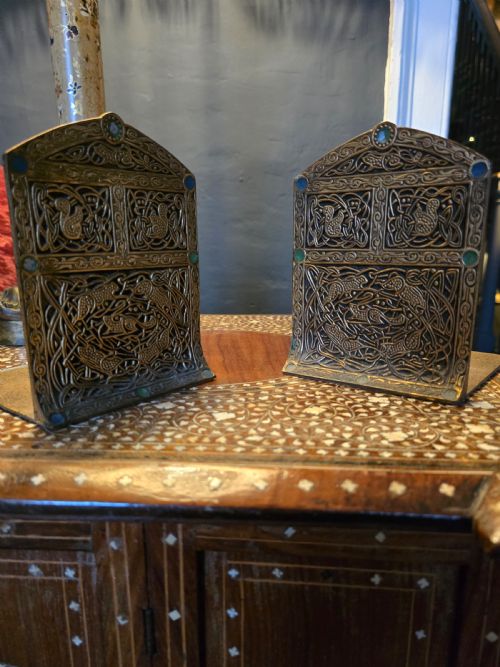
An antique studio desk setting brings together the implements of the scholar's table, from jade brush pots to bronze censers and bronze bookends.
Antique Studio Desk
When you look for an antique studio desk collection, you encounter scholar's objects and desk accessories originating from Chinese dynasties, English workshops, and American studios. The items span the sixteenth century through the Edwardian period and the early twentieth century.
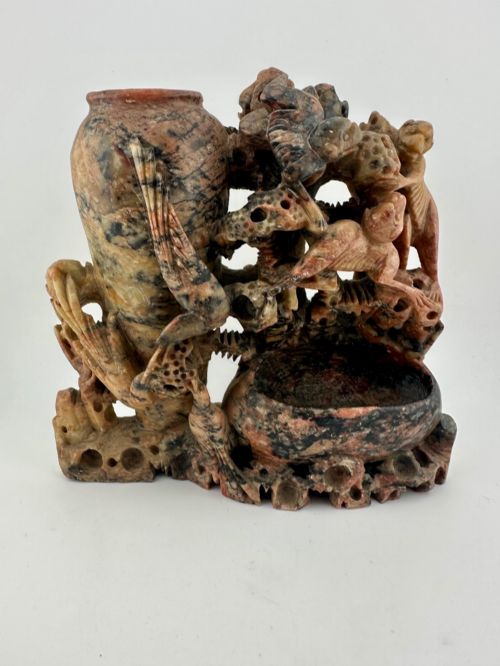
The forms on this page include brush pots, incense burners, brush washers, paperweights, bookends, and decorative bowls. Hardwood, bronze, porcelain, jade, and oak materials predominate among these desk pieces.
You find items designed for writing and scholarly pursuits, such as hardwood brush pots, porcelain water vessels, and bronze paperweights. Each object serves a functional role in a traditional study or workspace.
Materials and construction
Craftsmen utilised materials such as bronze, hardwood, celadon jade, porcelain, and buffalo horn to shape these desk accessories. Techniques involve solid casting, fire-gilding, hand carving, and blue and white glazing.
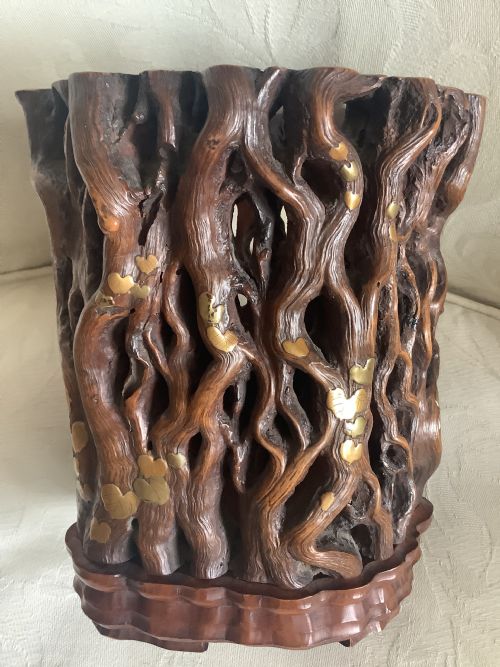
Makers shaped hard wood and boxwood into deeply carved brush pots and wrist rests. Metalworkers cast bronze into tripod censers and bookends, applying gold leaf and selective fire-gilding to the surfaces.
Antique Studio Desk Retail Price Guide 2026
Typical asking prices for studio desk among the pieces listed under this phrase on Sellingantiques today, from the lower quarter to the upper quarter. They describe what is for sale here now, not the wider market.
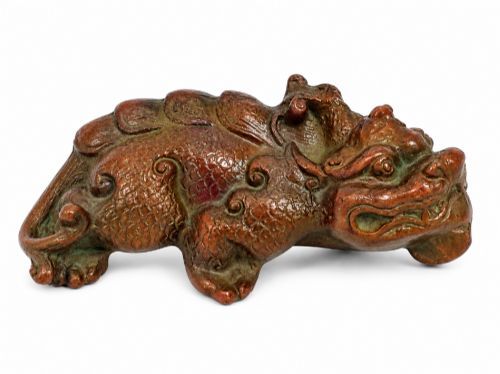
A reclining boy in bronze lies ready to hold down your papers.
Qualities of the pieces
The distinction between tiers rests on the crispness of the hand carving and the purity of the material, whether jade, hardwood, or cast bronze. Objects bearing maker marks or studio inscriptions command closer attention from collectors.
Proportion and material selection dictate the presence of an individual piece, from the depth of a carved bamboo brush pot to the weight of a solid-cast bronze paperweight.
Tiffany Studios·Roberson & Co·Sumida Gawa Pottery
The Antique Studio Desk Glossary
- Brush Pot
- A cylindrical vessel used in traditional studies to hold writing brushes upright when not in use. These items appear in materials such as hardwood, bamboo, porcelain, and jade.
- Tripod Censer
- A small incense burner supported by three feet, commonly cast in bronze for scholar's tables. They often feature studio marks on the base.
- Suiban
- A shallow ceramic basin used for floral arrangements or as a brush washer in East Asian contexts. Potters shape these vessels with glazed surfaces and figural ornaments.
- Celadon Jade
- A green-tinted nephrite jade prized for smooth textures and subtle tonal variations. Carvers shape this stone into small animal figures and water vessels.
- Scholar's Object
- An implement utilised by traditional scholars for writing, painting, and contemplation. These pieces include brush washers, wrist rests, and paperweights.
Antique Studio Desk: Frequently Asked Questions
What items belong on an antique studio desk?
A traditional setup incorporates scholarly implements such as brush pots, brush washers, paperweights, and incense burners. Desk lamps and bookends also form part of the arrangement.
These pieces reflect the functional requirements of writers and artists from the sixteenth to the early twentieth century.
How were bronze scholar's objects finished?
Makers employed techniques including solid-casting and selective fire-gilding to decorate bronze pieces. Artisans added gold leaf and cast specific studio marks into the base of the metal.
Such finishes enhanced the visual texture of censers and paperweights used on writing tables.
What materials did craftsmen use for brush pots?
Craftsmen carved brush pots from dense hardwoods, bamboo, boxwood, and jade. Potters also shaped them from porcelain with blue and white glazes or Famille Rose enamels.
Each material provided a distinct weight and surface texture suited to a scholar's workspace.
How do you identify period studio pieces?
Period identification relies on material characteristics, carving styles, and recorded signatures or studio marks. Objects from the Qing dynasty display distinct decorative motifs compared to Edwardian or Victorian English pieces.
Examining the manufacturing technique helps link an item to its era of origin.