

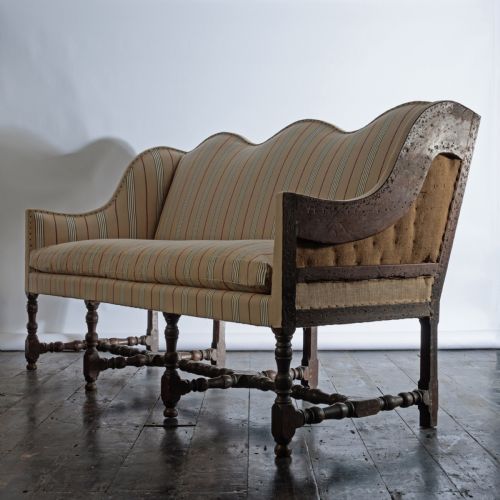


Antique Stripe Settee
An antique stripe settee brings enduring comfort and classic pattern to a room, offering a seating option that grounds a traditional interior.
Antique Stripe Settee
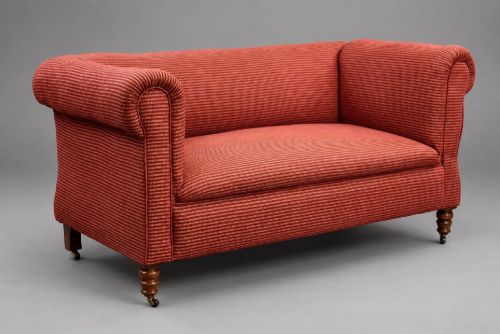
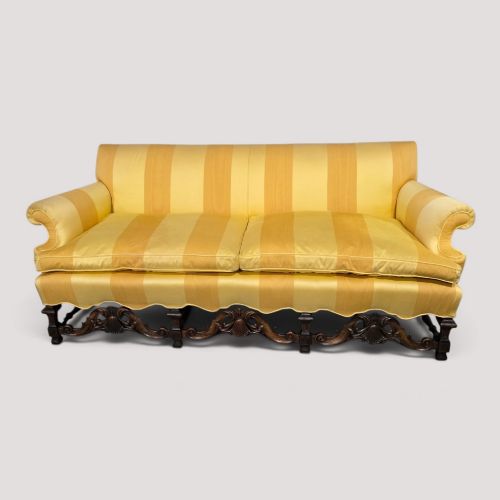
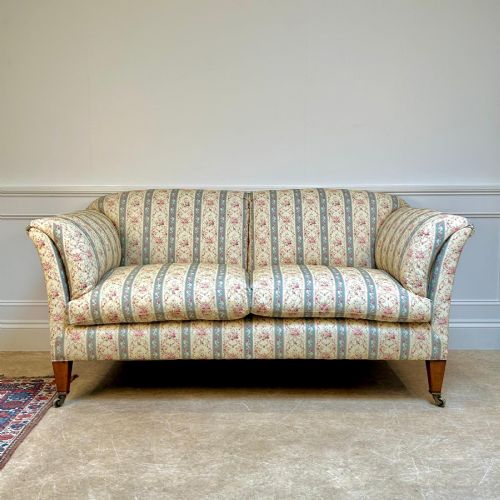
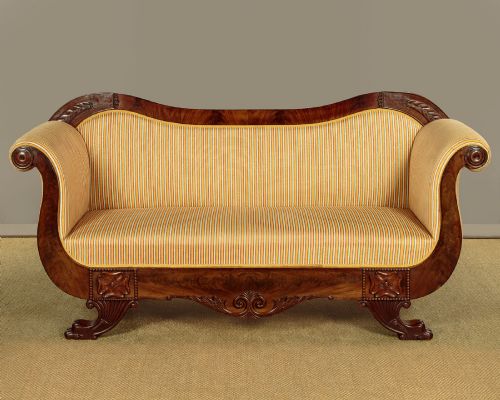
The antique stripe settee encompasses varied forms across centuries, ranging from early scroll ends to Edwardian salon seating. Buyers searching for an antique stripe settee encounter pieces spanning the seventeenth century up through the nineteen-thirties, with notable representation from the Regency period and the nineteenth century.
The framework often appears in mahogany, walnut, oak, fruitwood, or giltwood, dressed in textile, fabric, or velvet upholstery. Many examples display distinct regional styles, including Biedermeier, Baroque Revival, Chippendale Style, and French Empire influences.
How they were made
Construction relies on solid timber frames fashioned from hardwoods like mahogany, walnut, oak, and birch. Joinery techniques reflect the period of origin, supporting substantial upholstered bodies designed for daily use.
Surface ornamentation ranges from carved mahogany and inlaid satinwood to gilded finishes and painted details. Upholstery utilises traditional textiles, velvet, and ticking secured over padded foundations.
Antique Stripe Settee Retail Price Guide 2026
Typical asking prices for stripe settee among the pieces listed under this phrase on Sellingantiques today, from the lower quarter to the upper quarter. They describe what is for sale here now, not the wider market.
One notable settee hails directly from the ballroom of the RMS Queen Elizabeth ocean liner.
What varies in quality
The sophistication of the timber framing and the precision of the carving distinguish finer examples from simpler provincial pieces. Refined mouldings, symmetrical scroll ends, and intricate inlay work indicate a higher grade of craftsmanship.
The integrity of the structural frame and the execution of stylistic details, such as French Empire or Chippendale motifs, determine the piece's standing within its period.
Howard And Sons
The Antique Stripe Settee Glossary
- Scroll end
- A characteristic curving terminal found on the arms or ends of nineteenth-century couches. This silhouette defines many Regency and nineteenth-century designs.
- Giltwood
- Timber treated with gold leaf or a gold-coloured metallic finish. This decorative treatment appears frequently on continental European seating.
- Satinwood
- A durable, yellowish timber often used for decorative veneers and inlay work. It provides a bright contrast on Edwardian and turn-of-the-century frames.
- Wingback
- An upholstered seating form featuring protective wings attached to the back. Early examples provide shelter from drafts in period rooms.
- Directoire
- A transitional French style bridging Louis XVI and Empire aesthetics. Pieces from this design vocabulary prioritise clean lines and restrained classical decoration.
Antique Stripe Settee: Frequently Asked Questions
What is an antique stripe settee?
An antique stripe settee is a traditional upholstered seat featuring striped fabric, spanning periods from the seventeenth century to the nineteen-thirties.
These pieces include styles like Regency scroll ends, Edwardian salon settees, and French-influenced frames.
How were these settees used originally?
They served as formal seating in parlours, drawing rooms, and grand reception spaces.
Larger models accommodated multiple guests, while smaller versions functioned as window seats or salon furnishings.
How do I style a stripe settee today?
A stripe settee works well as a focal point in a living room, study, or bedroom.
Pair it with neutral walls to let the linear pattern and period woodwork stand out.
How can I tell the period of a settee?
Dating relies on identifying stylistic markers like Regency scroll arms, Edwardian inlay, or seventeenth-century proportions.
Wood types such as mahogany, walnut, and oak also offer clues to the era of manufacture.