






Antique Store Display
An antique store display brings the tangible presence of historic commerce straight into a room, offering functional storage and striking focal points.
Antique Store Display
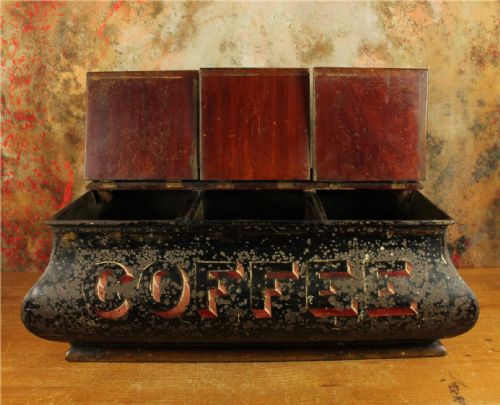
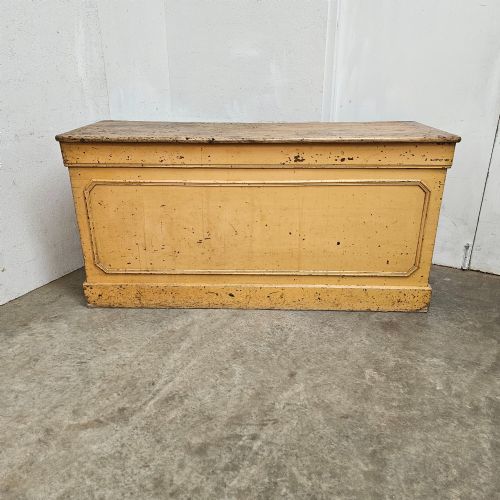
When you search for an antique store display, you encounter pieces engineered specifically for trade, ranging from modest countertop tins to substantial mahogany counters and haberdashery cabinets. These utilitarian survivors hail from periods such as the nineteenth century, the Edwardian era, and the 1920s, reflecting the practical needs of past shopkeepers.
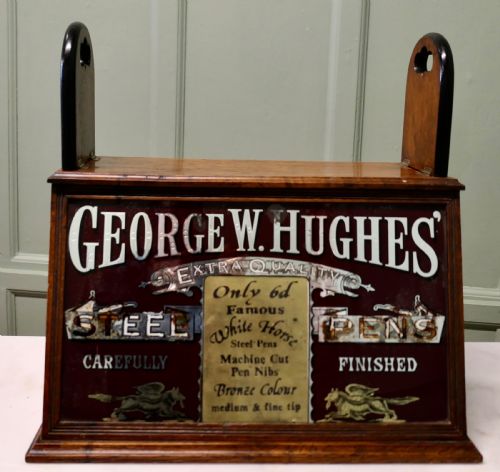
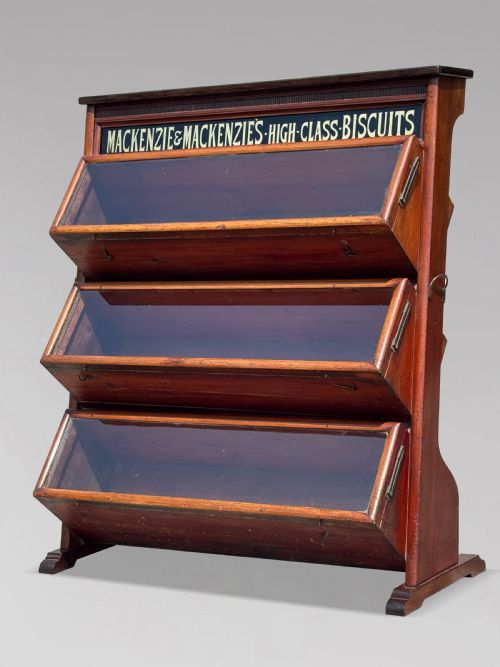
The selections available lean heavily toward functional furniture and advertising pieces, including display cabinets, shop counters, and trade signs. You will find forms constructed for specific goods, such as tobacco figures, biscuit display cabinets, and stationery cupboards.
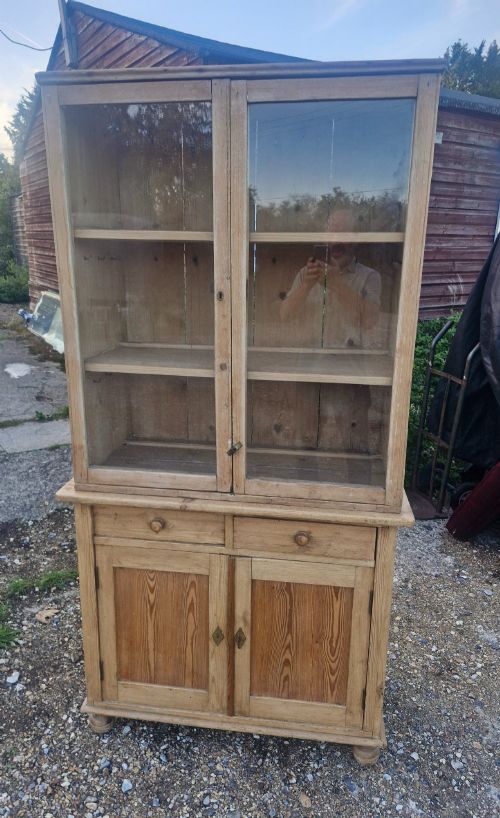
Origins vary across English, French, and American workshops, bringing distinct regional designs to light. A buyer navigates everything from brass-framed display counters to painted pine kitchen cupboards repurposed for modern interiors.
Materials and construction methods
Construction relies heavily on durable hardwoods like mahogany and oak, alongside softer pine and structural metals such as brass and iron. Woodwork often involves solid framing, dovetail joints, and glazed panels designed to protect merchandise while maintaining visibility.
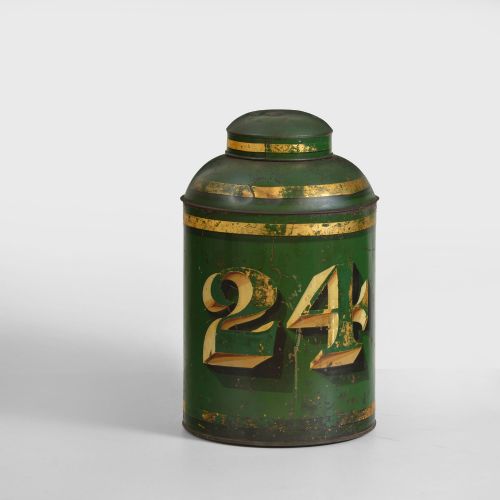
Surface treatments play a vital role, preserving original painted finishes, polished wood grains, and hand-lettered advertising details. Toleware tins and metal stands utilise painted iron and brass components built to endure heavy daily handling in busy shops.
Antique Store Display Retail Price Guide 2026
Typical asking prices for store display among the pieces listed under this phrase on Sellingantiques today, from the lower quarter to the upper quarter. They describe what is for sale here now, not the wider market.
A life-size composition fox terrier stands ready to guard your hallway, cast in advertising history from the 1920s.
Differentiating quality in commercial antiques
Quality rests upon the preservation of original elements, such as maker's signatures, authentic paint surfaces, and functional hardware like adjustable feet or original glass panes. Pieces retaining their intended trade markings or advertising details hold greater historical integrity.
The sophistication of the joinery and the selection of timber distinguish standard utility pieces from high-end commercial fittings. Solid mahogany counters and finely framed display cases demonstrate superior craftsmanship compared to basic pine storage boxes.
Gerwin & Co Birmingham·Saml. Elliott & Sons·Quincy Showcase Works Illinois
The Antique Store Display Glossary
- Toleware
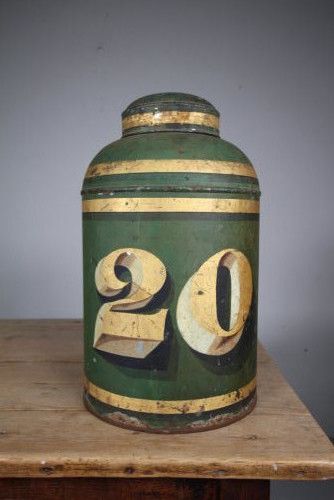
- Painted or enamelled metalware, frequently tin, produced for domestic and commercial use in the nineteenth century.
- Haberdashery cabinet
- A large multi-drawer storage unit, usually featuring glass-fronted or panelled drawers designed to organise small sewing goods and drapery.
- Shop counter
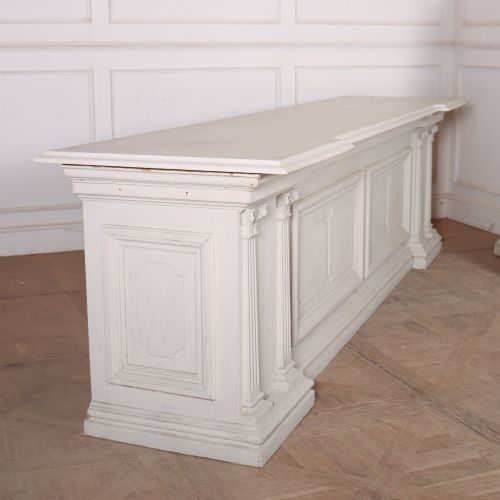
- A substantial waist-high retail fixture, often featuring glazed display sections or timber panelling, used to serve customers.
- Trade sign
- A painted or carved three-dimensional figure, board, or object displayed outside or inside a shop to advertise specific wares.
Antique Store Display: Frequently Asked Questions
How were shop counters used historically?
Shop counters served as the primary barrier and transaction surface between the merchant and the customer. They often incorporated display compartments on top to encourage impulse purchases.
Beneath the surface, shelving and drawers kept stock organised and within easy reach during busy trading hours.
What is a haberdashery cabinet?
A haberdashery cabinet is a specialised multi-drawer storage unit built for retail shops selling sewing notions, ribbons, and small garments. The numerous shallow drawers allowed merchants to sort varied items efficiently.
Many examples feature glass fronts to let customers view the contents without opening every drawer.
Are these display pieces suitable for modern homes?
These items integrate smoothly into contemporary spaces by providing practical storage combined with strong visual character. Bookcases, cabinets, and dressers adapt easily to domestic use while retaining their historic industrial charm.