

Antique Storage Ottoman Box
An antique storage ottoman box serves as a functional seat and a hidden compartment, bringing period craftsmanship directly into a living space.
Antique Storage Ottoman Box
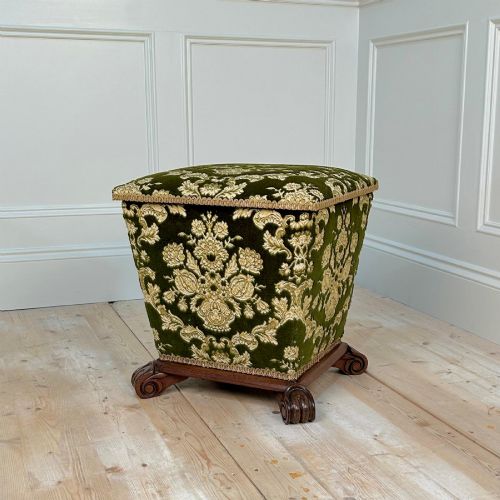
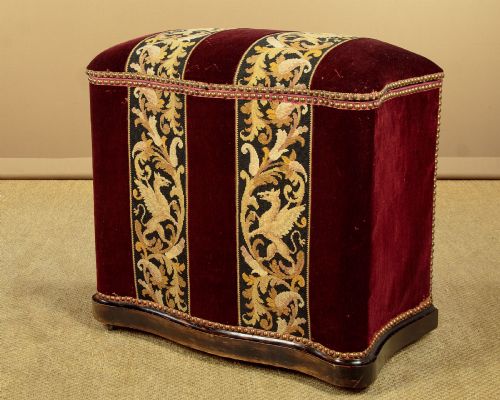
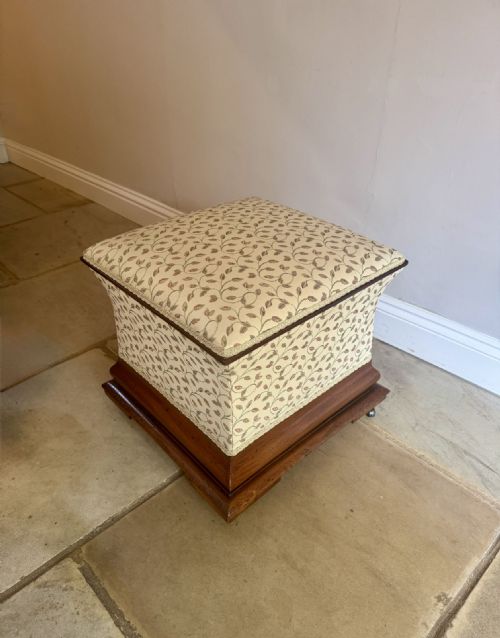
An antique storage ottoman box combines the practical utility of a chest or blanket box with the comfort of a cushioned seat. Buyers encounter pieces spanning the Regency, William IV, and Victorian eras, alongside rustic country examples.
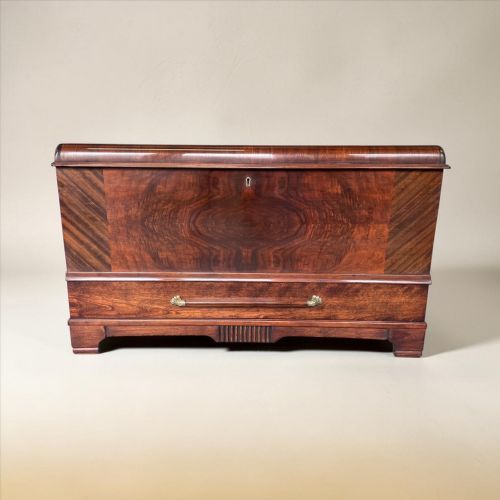
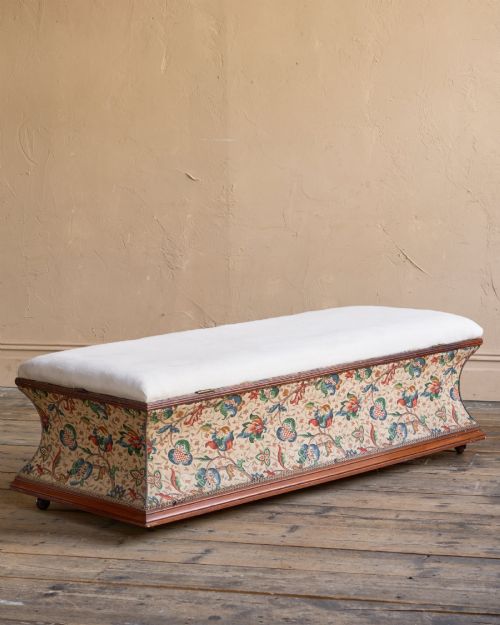
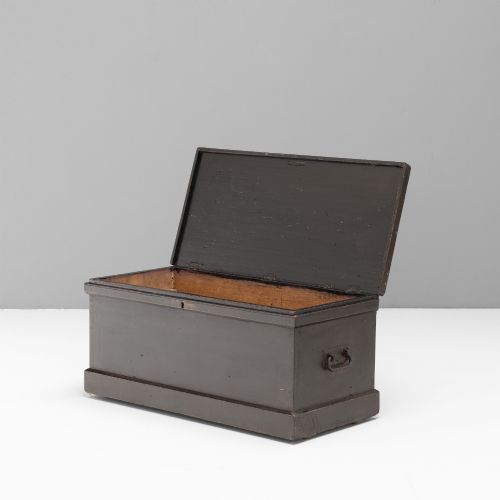
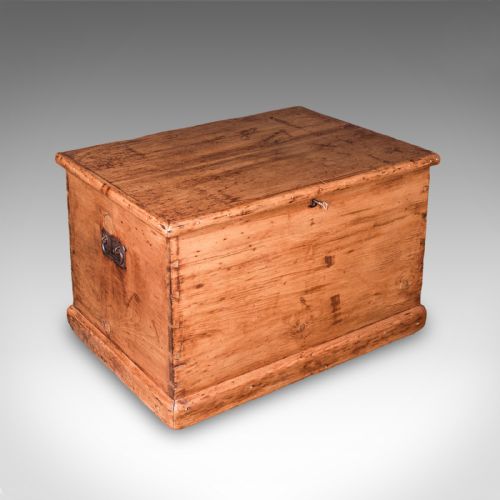
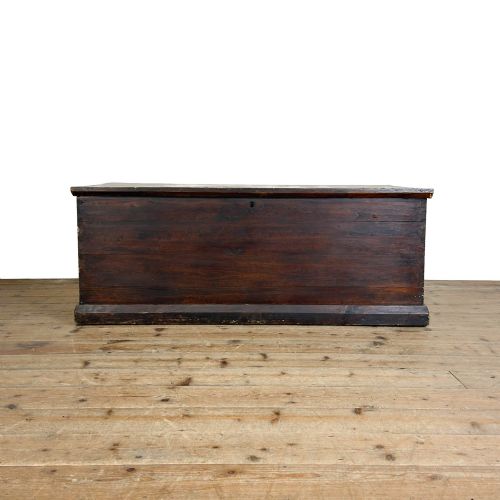
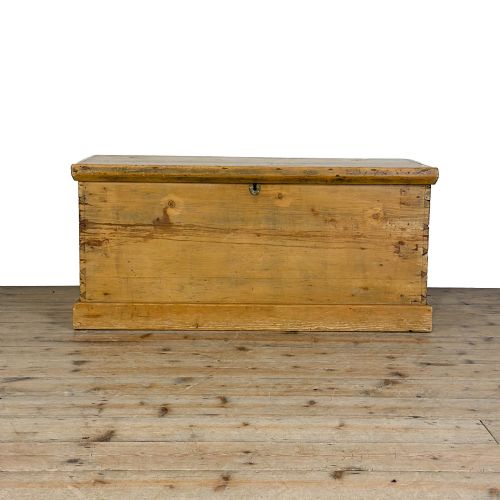
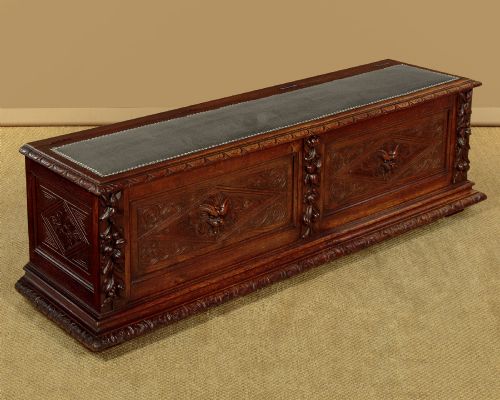
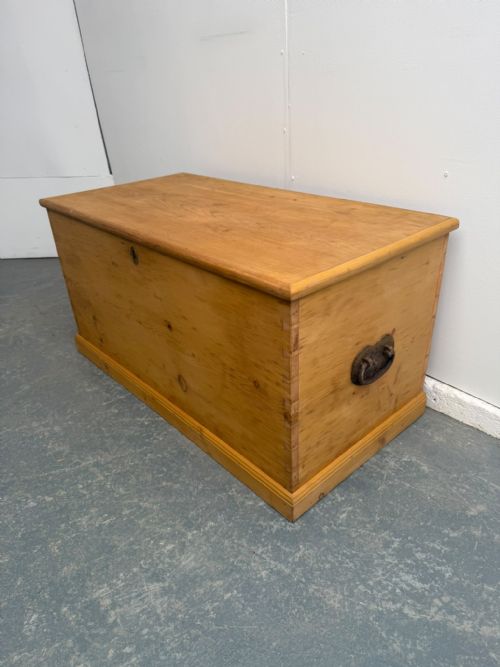
The selection ranges from grand mahogany sarcophagus forms and large leather country house pieces to simple stained or waxed pine trunks and specialised sewing box stools.
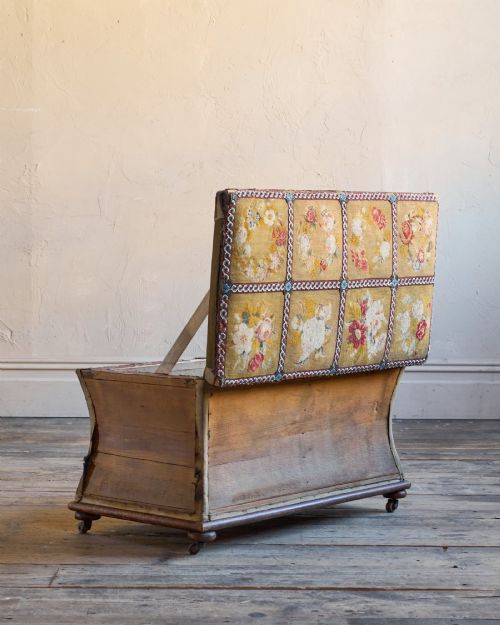
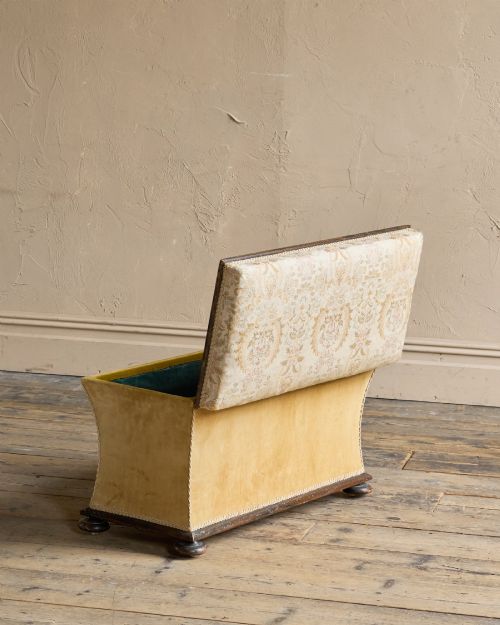
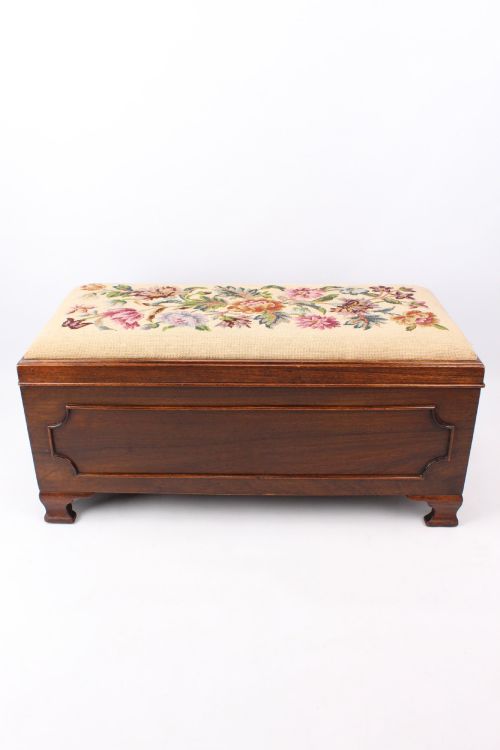
Many variants double as footstools or daybeds, utilising hinged or lift-off lids to reveal deep internal storage spaces originally designed for linen, blankets, or footwear.
Materials and construction
Cabinetmakers utilised robust timbers including mahogany, rosewood, birch, cherrywood, and pine, often combining solid woods with veneered surfaces or applied mouldings.
Upholstered lids and seats integrate traditional materials such as fabric, velvet, needlework, beadwork, and hand-dyed leather, frequently supported by internal webbing and stuffing.
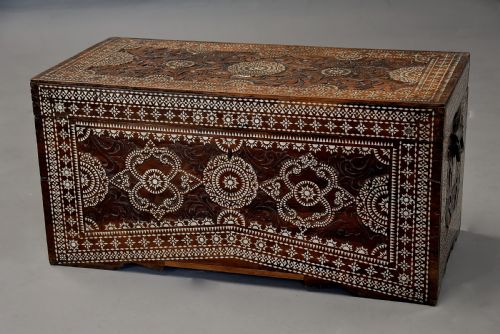
Decorative detailing ranges from brass hardware, iron accents, and lion's paw feet to intricate mother-of-pearl inlay on Middle Eastern and Syrian trunks.
Antique Storage Ottoman Box Retail Price Guide 2026
Typical asking prices for storage ottoman box among the pieces listed under this phrase on Sellingantiques today, from the lower quarter to the upper quarter. They describe what is for sale here now, not the wider market.
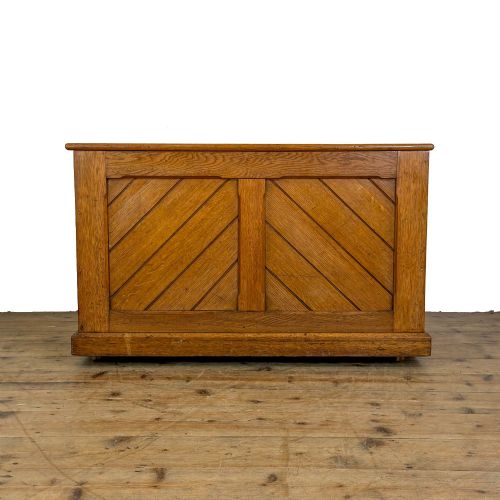
Storage forms on offer include sarcophagus boxes, mule chests, sewing stools, and large country house leather ottomans.
Judging the pieces
Quality rests heavily on the integrity of the timber frame, the choice of primary hardwoods like mahogany or rosewood over secondary softwoods, and the precision of the joinery.
The refinement of the upholstery work, the condition of original needlework or leather, and the presence of specialist decorative elements such as brass mounts or carved feet elevate a piece.
Hallett & Sons
The Antique Storage Ottoman Box Glossary
- Sarcophagus
- A box form characterised by a steep, swelling profile resembling a stone coffin, popular for large ottomans and workboxes during the Regency and Victorian periods.
- Mule chest
- A traditional storage chest featuring one or more drawers beneath the main lifting compartment, bridging the design gap between a standard blanket box and a chest of drawers.
- Workbox
- A small, fitted box or stool designed to hold sewing implements, threads, and needlework, often incorporating a hinged lid and internal compartments.
- Liberty fabric
- Textile designs produced by the historic London store, frequently utilised in upholstery to impart a distinct artistic or Arts and Crafts aesthetic.
Antique Storage Ottoman Box: Frequently Asked Questions
What is an antique storage ottoman box?
An antique storage ottoman box is a dual-purpose furnishing that combines a lidded chest with a padded top for seating or resting feet.
These pieces were constructed during the nineteenth century and earlier, utilising woods like mahogany, rosewood, and pine alongside upholstered elements.
How were these boxes used originally?
In period homes, these boxes served multiple practical functions for storing household textiles, blankets, sewing materials, and footwear.
Placed in bedrooms, living rooms, or hallways, they provided both concealed storage and convenient seating for dressing or resting.
How do I fit one into a modern room?
An ottoman box functions well at the foot of a bed, as a coffee table substitute in a living room, or as hallway seating.
The internal compartment provides practical storage for modern clutter while the upholstered top offers everyday utility.
How do I identify the period of a box?
Dating relies on observing the primary timber, hardware, foot style, and upholstery construction typical of eras like Regency, William IV, or Victorian.
Stylistic cues such as sarcophagus shapes, lion's paw feet, or specific fabric choices help establish the approximate decade of manufacture.