
Antique Stone Jewellery
Antique stone jewellery brings together coloured gems and precious metals from Victorian, Edwardian, and Art Deco periods for everyday wear.
Antique Stone Jewellery
Antique stone jewellery encompasses rings, earrings, pendants, necklaces, bracelets, and brooches set with diverse minerals. Pieces span from the Georgian era through Victorian, Edwardian, and Art Deco periods into the mid-century.
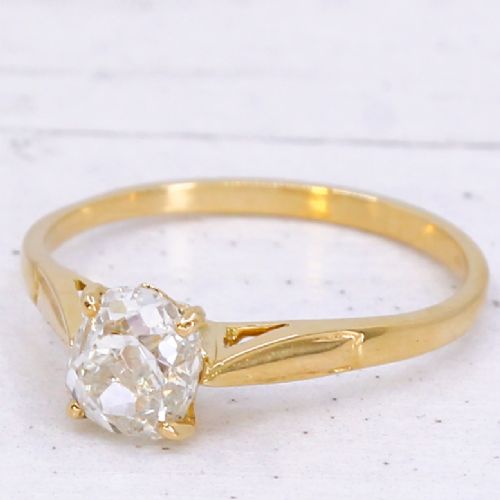
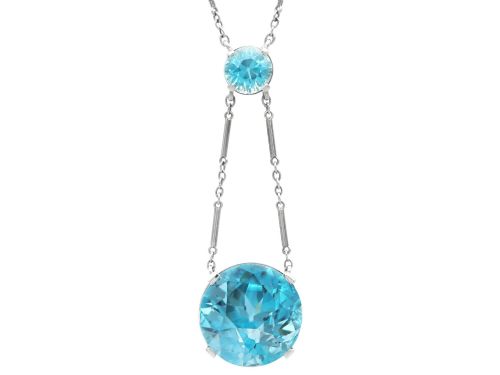
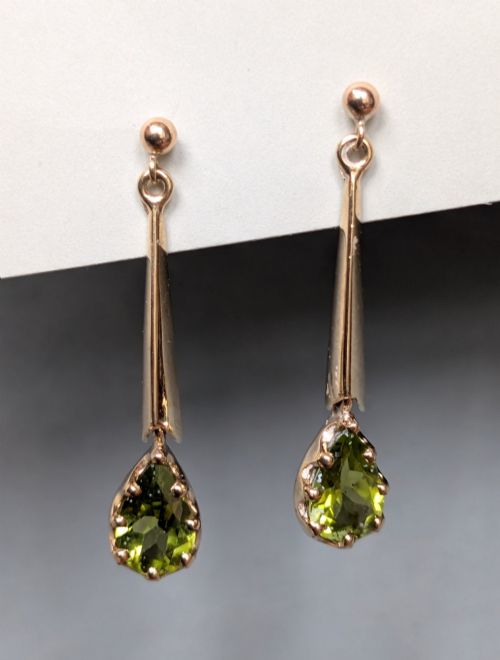
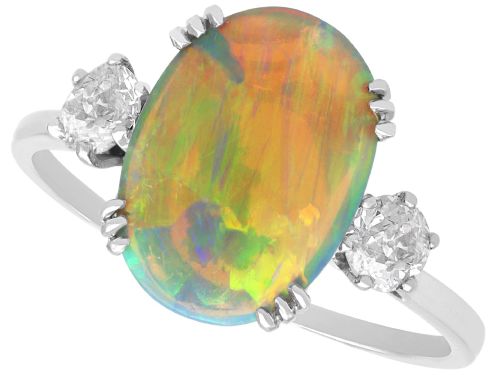
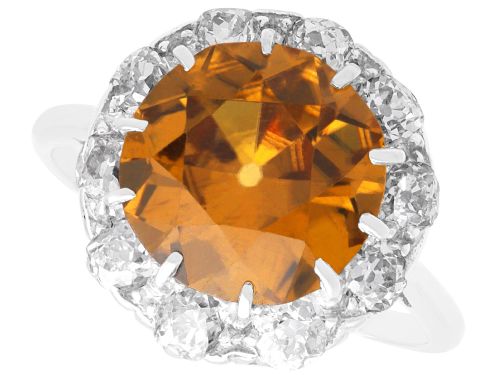
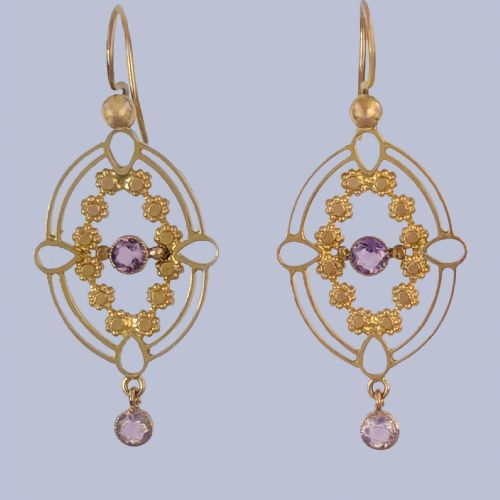
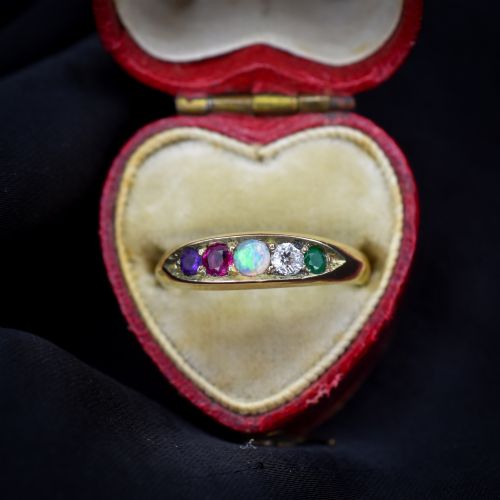
Rings and drop earrings dominate the selection, often featuring central gems like zircon, amethyst, opal, peridot, and sapphire. These items reflect the shifting aesthetic preferences of the nineteenth and twentieth centuries.
Victorian and Edwardian examples frequently utilise yellow gold settings for coloured stones, while later Art Deco pieces favour platinum and white gold for diamonds and contrasting mineral accents.
Materials and Technique
Goldsmiths employed 9ct and 18ct yellow, white, and rose gold alongside platinum to mount coloured stones and diamonds. Metal selection dictates the weight and structural integrity of each setting, from delicate openwork floral designs to robust cluster mounts.
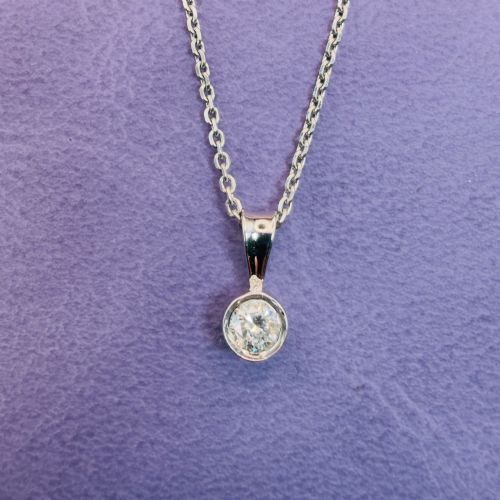
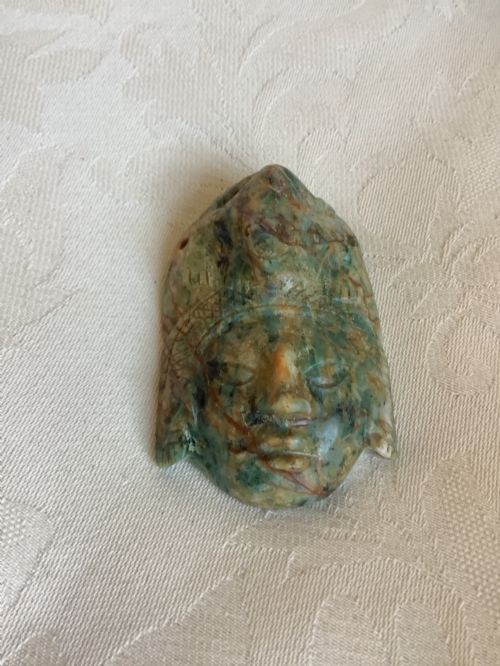
Cutting styles range from old-cut diamonds to faceted zircons, amethysts, and sapphires, complemented by carved jade and agates. Jewellers secured these minerals using collet, bezel, and prong settings tailored to the specific hardness and shape of each stone.
Current listings feature diverse mineral specimens including zircon, amethyst, opal, peridot, sapphire, and jade set across multiple decades.
Craftsmanship and Proportion
Superior items demonstrate precise gemstone calibration and secure claw or bezel work that harmonises with the metal framework. Lower tiers show less attention to the balance between stone weight and the supporting shank or pendant loop.
The choice of rarer mineral specimens and intricate detailing, such as openwork filigree or engraved gold work, separates standard production from exceptional examples. Original integration of stones within period mounts preserves the integrity of the piece.
The Antique Stone Jewellery Glossary
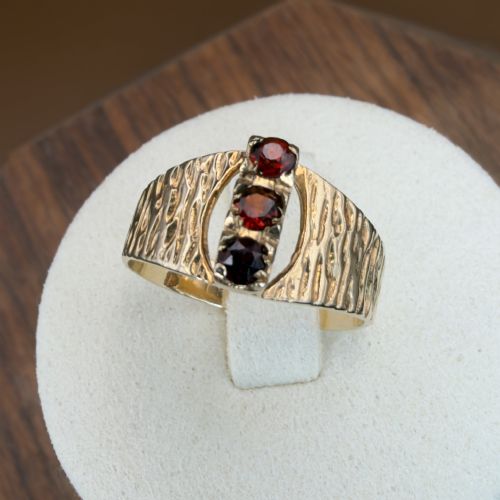
- Trilogy ring
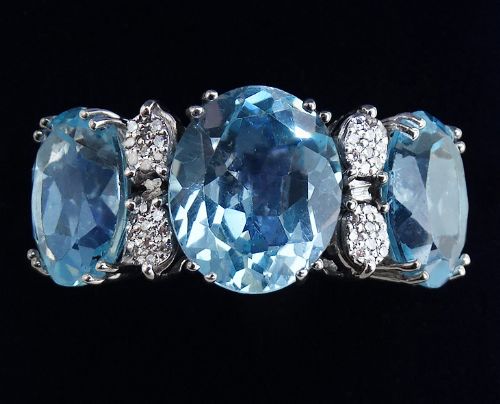
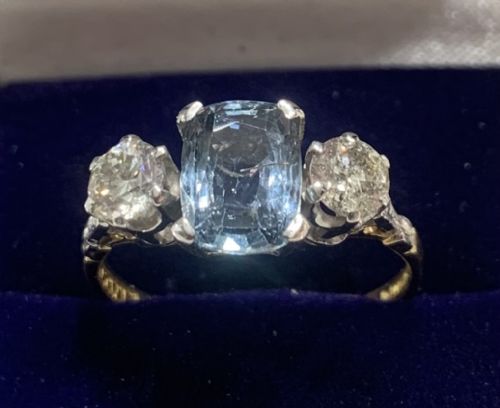
- A ring featuring three main gemstones set in a row, often symbolising past, present, and future. This configuration frequently pairs a central diamond or coloured stone with smaller side stones.
- Toi et Moi ring
- A two-stone ring design where twin gems sit side by side or in a twist setting, translating from French as you and me. The style represents intertwined relationship bonds.
- Boat ring
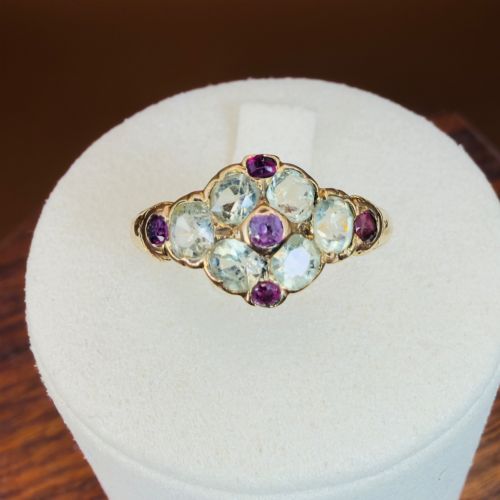
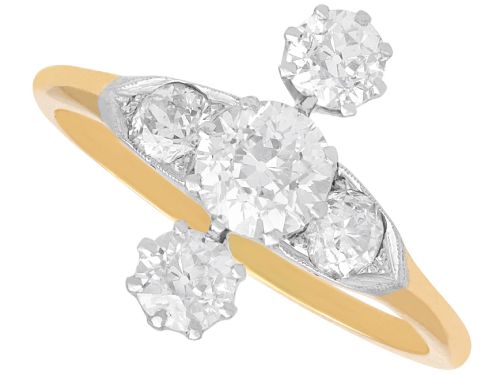
- A ring featuring an elongate, curved setting that resembles the hull of a ship, popular in Victorian jewellery. This shape allows multiple stones to sit snugly across the finger.
- Fringe necklace
- A necklace featuring dangling gemstone pendants or drops suspended at regular intervals along the chain. This construction creates movement and showcases graduated stone sizes.
- Watch key
- A winding mechanism for antique pocket watches, often fashioned into an ornate pendant charm set with hardstones like agate. These decorative items were suspended from chatelaines or chains.
Antique Stone Jewellery: Frequently Asked Questions
How do I care for antique stone jewellery?
Clean these items gently with a soft cloth and avoid harsh chemical dips, particularly when dealing with porous stones like opal or softer minerals like agate.
Store each piece separately in a lined box to prevent metal friction and stone scratching during periods of non-use.
Can I wear these rings every day?
Most sturdy gemstone and diamond rings handle daily wear if treated with reasonable care, though softer materials require extra attention.
Removing rings before heavy lifting, gardening, or swimming protects the historic metal settings and stone integrity over time.
What defines Edwardian jewellery style?
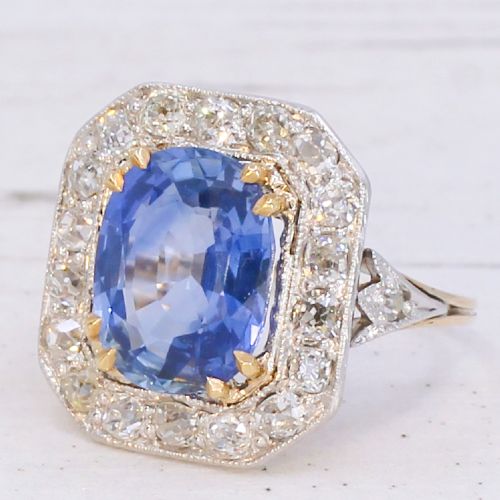
Edwardian pieces feature delicate platinum and gold openwork, often incorporating millegrain edges and lace-like motifs inspired by eighteenth-century aesthetics.
Diamonds and pale gemstones dominate this period, creating an airy, refined appearance distinct from heavier Victorian designs.
How do I identify Art Deco pieces?
Art Deco jewellery relies on geometric symmetry, bold lines, and strong colour contrasts using platinum paired with diamonds and vibrant stones.
This twentieth-century style marks a sharp departure from floral Edwardian motifs, favouring streamlined shapes and architectural precision.