




Antique Sterling Trophy
These antique sterling trophy pieces carry the weight of past victories, offering substance and silver-smithing history for the modern interior.
Antique Sterling Trophy
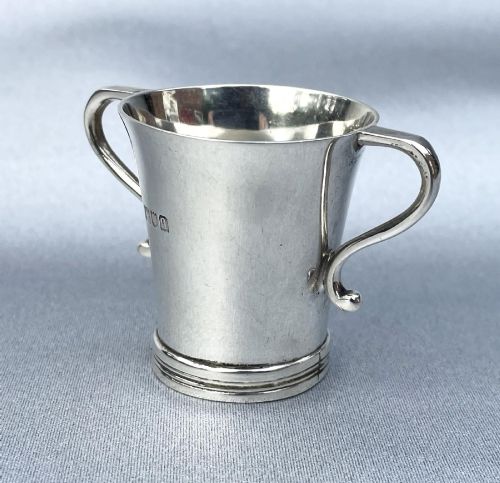
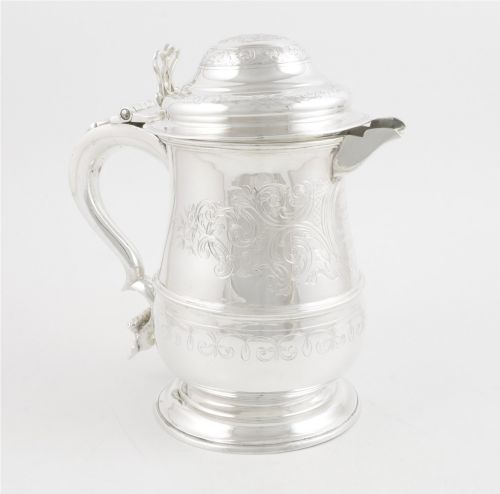
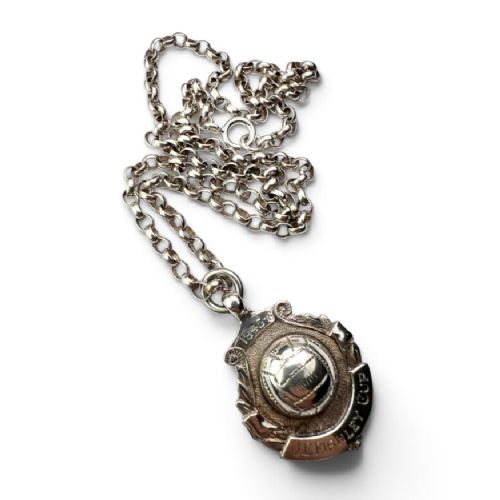
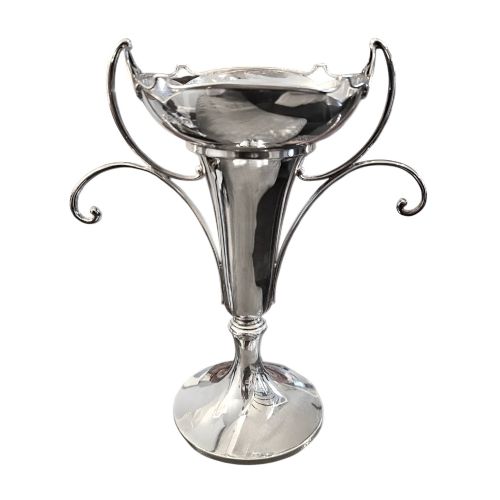
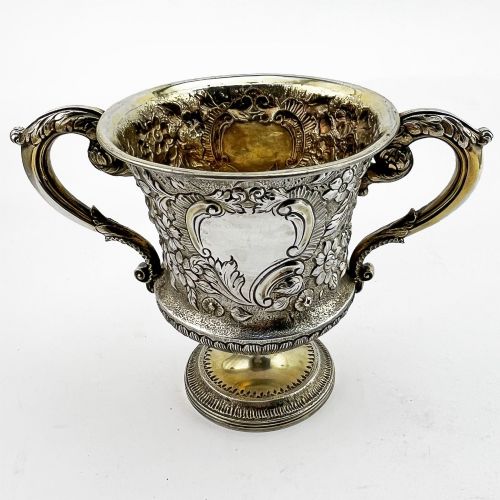
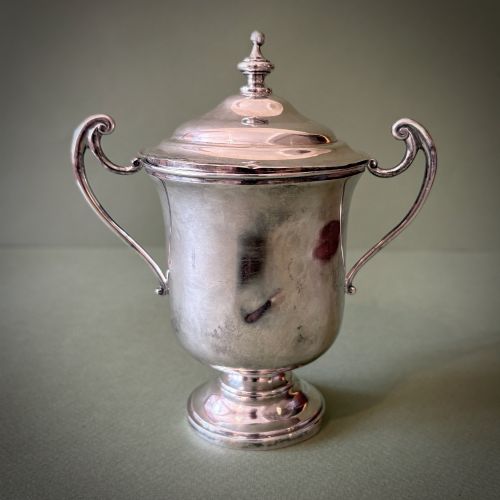
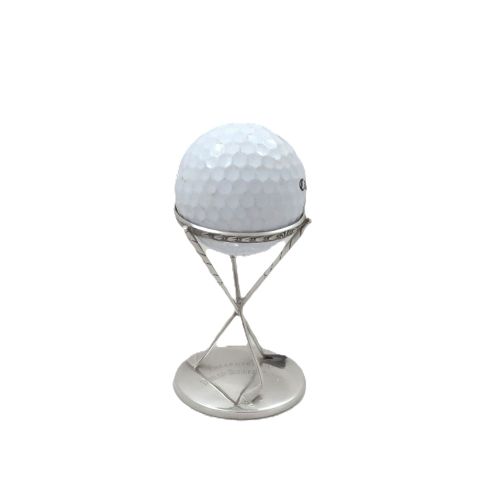
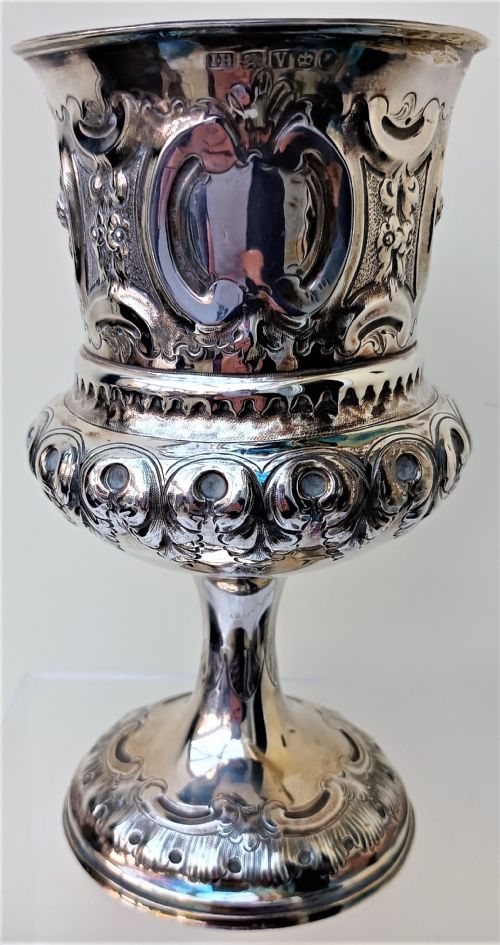
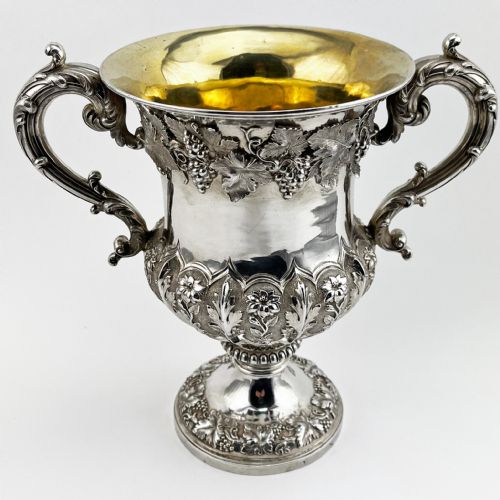
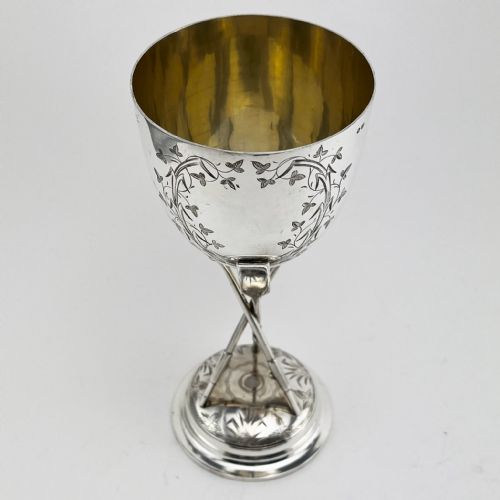
An antique sterling trophy encompasses heavy-gauge silver presentation cups, two-handled loving cups, chalices, and goblets originating from the Georgian, Victorian, and Edwardian eras. Buyers encounter everything from campana-shaped racing cups to golf ball stands and rowing goblets, forged for athletic and civic commemorations.
The pieces on this page lean heavily towards Victorian presentation pieces and 18th-century Irish cups, alongside specialised sporting objects like hunting trophies and cricket goblets. Forms range from simple single-handled vessels to substantial covered presentation cups resting on ebonised wood bases.
Materials and construction methods
Silversmiths utilised sterling silver as the primary medium, frequently enhancing interiors and details with gold gilt, vermeil, enamel, and rose gold highlights. Heavy-gauge metal was hammered, spun, or cast into robust vessels designed to endure decades of handling.
Decoration relied on skilled hand engraving, chased relief work, and applied cast mounts, creating crisp floral, foliate, and sporting motifs. Many vessels incorporate structural elements like ebonised wood plinths or internal liners to support their substantial weight.
Antique Sterling Trophy Retail Price Guide 2026
Typical asking prices for sterling trophy among the pieces listed under this phrase on Sellingantiques today, from the lower quarter to the upper quarter. They describe what is for sale here now, not the wider market.
Among the silver cups and vases sits an otter foot hunting trophy brooch from Devon, proving that Victorians commemorated truly eccentric sporting triumphs.
Distinctions in craftsmanship and origin
Quality rests upon the crispness of the hand engraving, the weight and gauge of the sterling silver, and the proportion of the form. Pieces featuring parcel gilding, enamel work, or complex twin handles demonstrate superior workshop ambition.
Provenance and origin heavily influence standing, with eighteenth-century Irish examples and signed pieces by notable silversmiths commanding particular attention. The integrity of the hallmarks and the preservation of original cast details further separate standard production from exceptional output.
Edward Souter Barnsley·James Deakin & Sons·Henry Tatton & Son·Joseph Rodgers & Sons·Thomas Sutton
The Antique Sterling Trophy Glossary
- Sterling silver
- A standard alloy consisting of ninety-two point five percent silver and seven point five percent other metals, usually copper, ensuring structural durability for presentation vessels.
- Campana cup
- A classical bell-shaped vessel with a flared rim and footed base, frequently utilised for Georgian and Victorian presentation pieces.
- Parcel gilt
- Silver objects that are partially gilded with gold on the interior or specific decorative highlights to create a striking two-tone contrast.
- Ebonised wood
- Timber treated to resemble ebony, commonly utilised for the bases and plinths that support heavy presentation trophies.
- Hallmark
- An official stamp applied by an assay office indicating the purity of the metal, the maker, and the year of manufacture.
Antique Sterling Trophy: Frequently Asked Questions
What were antique sterling trophy pieces used for?
These vessels were commissioned to celebrate victories in sports such as cricket, golf, rowing, and hunting, as well as civic and military achievements. Recipients displayed them proudly on sideboards and in cabinets.
Over time, many passed down through families or returned to the market, retaining their original commemorative inscriptions and armorial engravings.
How do I identify the date of a sterling trophy?
Dating relies on the assay office hallmarks stamped directly onto the silver surface. These official marks usually include a date letter corresponding to the exact year of testing.
Stylistic cues such as Victorian chased floral motifs or Georgian campana proportions also offer strong indications of the period.
Can I use these trophies for display at home?
These solid silver vessels make striking decorative focal points on tables, sideboards, or mantels. Their substantial weight and polished surfaces bring historical character to modern interiors.
Care should be taken with placement to avoid excessive moisture and direct sunlight, particularly on pieces featuring ebonised wood bases or delicate enamel.
What is the difference between a goblet and a trophy cup?
Goblets generally feature a single bowl raised on a stem and foot, designed for drinking or formal presentation. Trophy cups often incorporate two handles, greater scale, and sometimes a matching cover.
Both forms served similar commemorative functions, though twin-handled presentation cups typically marked more significant events.