

Antique Sterling Tongs
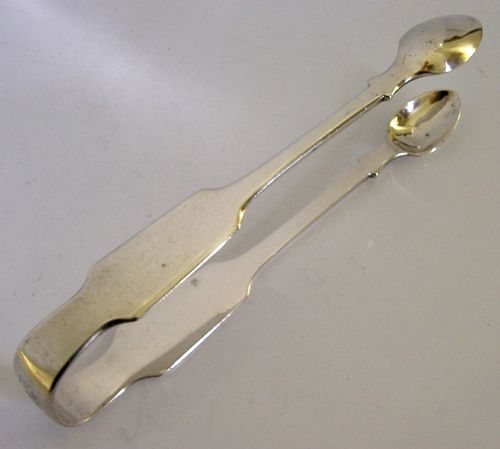
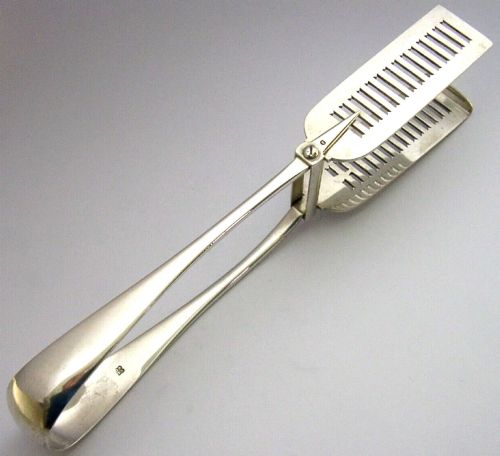
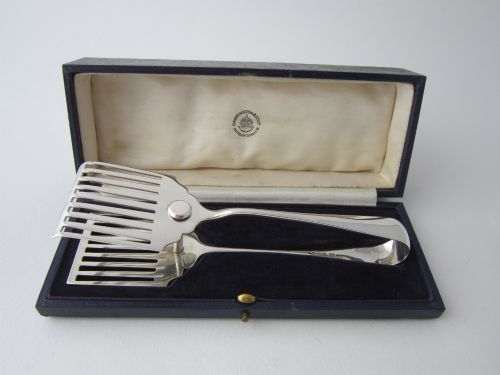
These antique sterling tongs bring practical elegance to the table, offering a refined way to handle sugar, pastries and asparagus.
Antique Sterling Tongs
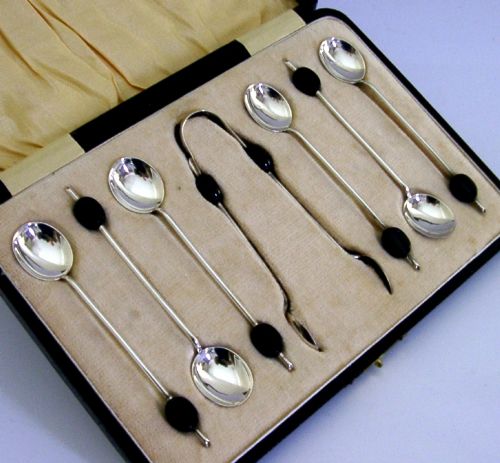
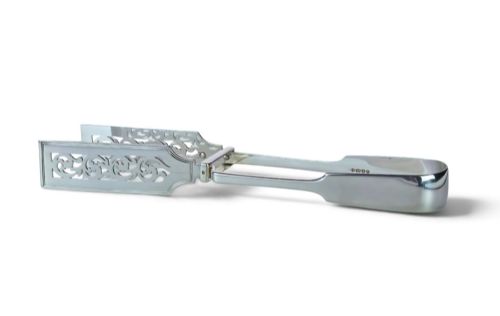
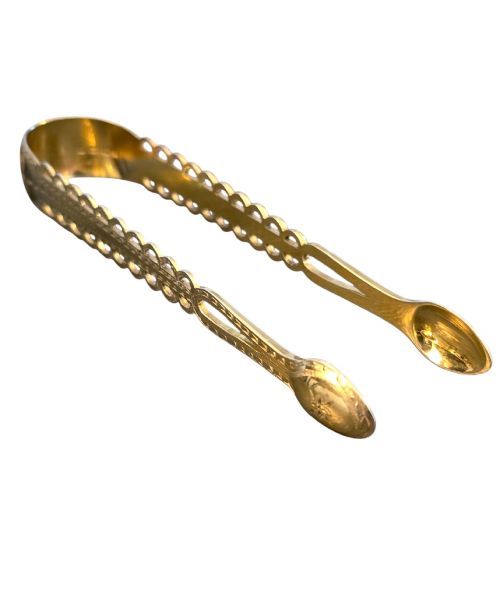
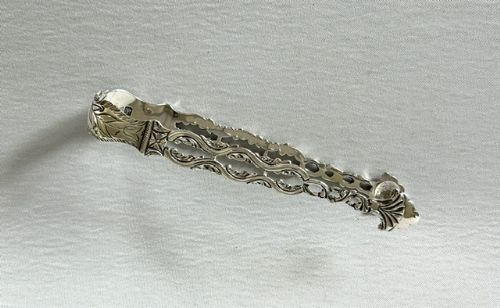
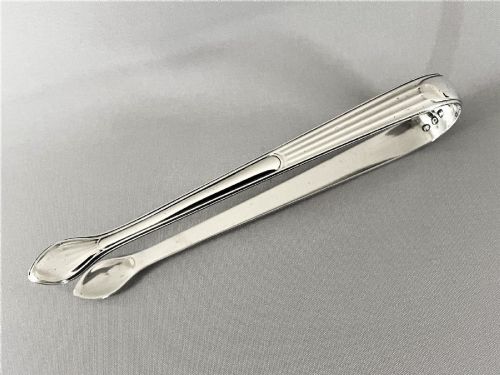
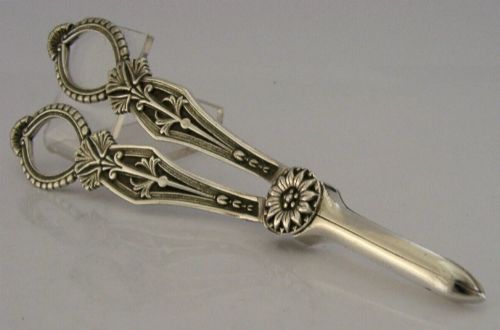
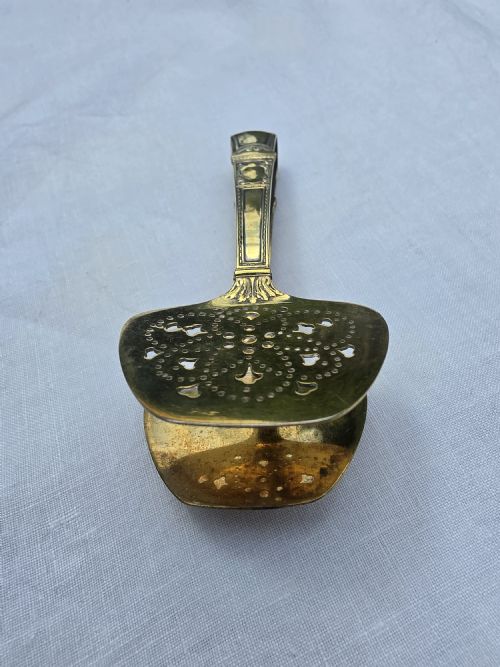
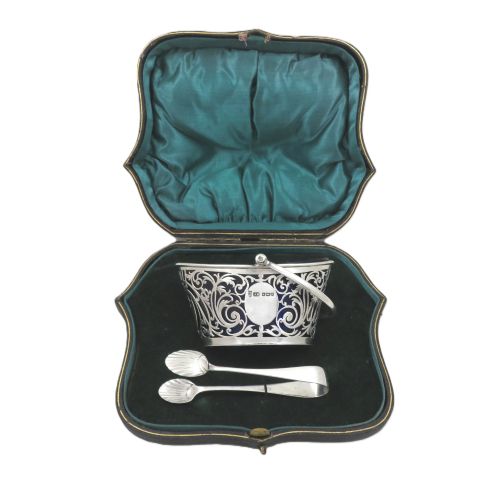
When you search for antique sterling tongs, you encounter an array of small domestic implements designed for formal dining and tea service. The selection spans distinct forms, including sugar tongs, sugar nips, serving tongs, and specialised utensils for asparagus.
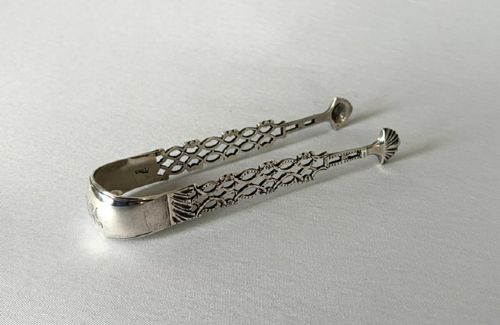
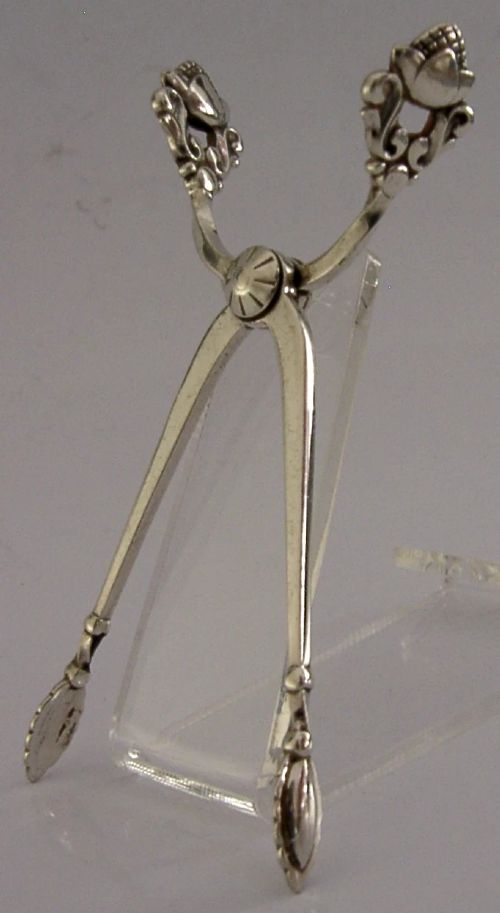
Sugar tongs dominate the pieces found on this page, reflecting their utility in Georgian, Victorian, and Edwardian households. Smaller nips and tea tongs share space with heavier serving pieces intended for larger dining tables.
Origins stretch from eighteenth-century provincial assay offices to twentieth-century workshops. Pieces appear in various regional styles, demonstrating the shifting tastes of British and international silversmiths across multiple centuries.
How they were made
Makers utilised sterling silver and silver-gilt, shaping the metal through traditional methods such as casting, piercing, and hand-forging. Pierced and cast examples from the eighteenth century show intricate openwork patterns created before assembly.
Spring arms on sugar tongs required careful tempering so the metal maintained its resilience through repeated compression. Later twentieth-century examples integrate modernist motifs while retaining standard silver fabrication techniques.
Antique Sterling Tongs Retail Price Guide 2026
Typical asking prices for sterling tongs among the pieces listed under this phrase on Sellingantiques today, from the lower quarter to the upper quarter. They describe what is for sale here now, not the wider market.
Periods represented span from the eighteenth century through the Victorian, Edwardian, and Art Deco eras up to the nineteen-sixties.
What varies in quality
Quality rests on the crispness of the casting, the balance of the spring action, and the preservation of original hallmarks. Sharp detail in chased foliage or pierced work distinguishes finer workshop production from standard domestic utility pieces.
Weight and gauge of the silver dictate the tactile feel in the hand. Substantial metal thickness prevents bending at the pivot point during use, separating robust serving implements from lighter, purely decorative items.
George William Adams·Bateman Family·Dee and Fargus·Tiffany and Company·Georg Jensen·Thomas Tookey·Wilkes Booth·John Walton·Garrard and Co·Francis Higgins·Robert Stebbings
The Antique Sterling Tongs Glossary
- Sugar nips
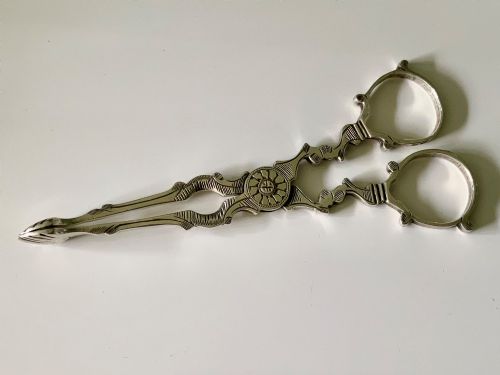
- Scissor-type implements with bowl-shaped ends used for sugar lumps before the widespread adoption of spring tongs.
- Silver-gilt
- Sterling silver that has been plated with a thin layer of gold on the surface, often seen on interior bowls of serving utensils.
- Assay office
- An official body that tested the purity of precious metals and stamped items with appropriate hallmarks, such as leopard heads or anchor symbols.
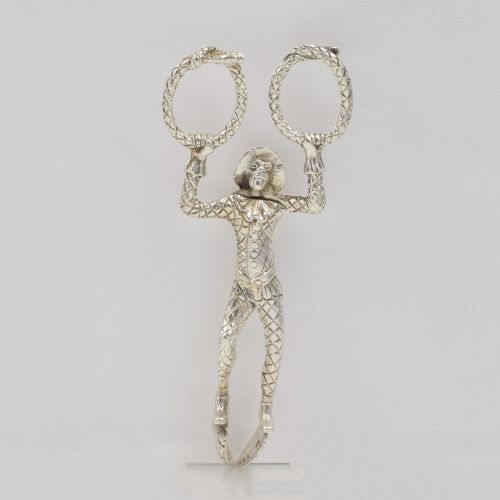
- Harlequin
- A term applied to novelty silver shaped into figurative or whimsical forms, such as monkeys or naturalistic foliage.
- Rat tail
- A strengthening tongue of metal running down the back of a spoon bowl or utensil joint, common in earlier pieces.
Antique Sterling Tongs: Frequently Asked Questions
What is the difference between sugar tongs and sugar nips?
Sugar nips operate on a scissor action with finger rings and small bowls for grasping individual lumps. Tongs utilise a single sprung piece of metal folded at the arch.
Spring tongs gradually replaced nips during the eighteenth century as tea table etiquette evolved.
How do I identify the date of sterling tongs?
British pieces carry hallmarks indicating the assay office, standard mark, and a specific date letter corresponding to the year of testing. Makers' marks offer further clues to the active period of production.
Style indicators such as Georgian bright-cut engraving or Art Deco geometry also help narrow down the decade.
Were these tongs used only for sugar?
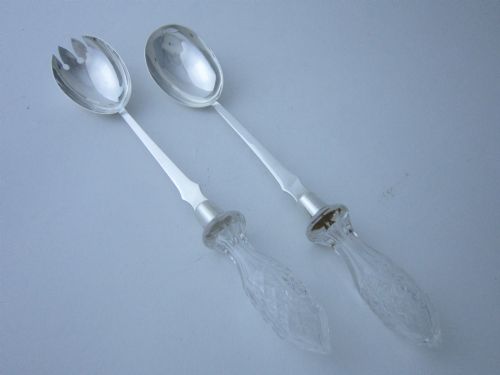
While sugar implements form the majority, silversmiths created specific designs for asparagus, pastries, ice, and salad. Larger serving tongs handled meats and broader dishes.
Heavier cast pieces often served multiple functions across the dining and drawing room.
How should I clean antique silver tongs?
Wash pieces gently in warm water using mild soap and a soft cloth to remove everyday residue. Avoid harsh abrasive dips that strip away the natural patination built up over centuries.
Store them dry in tarnish-resistant cloth to maintain the surface finish without excessive polishing.