





Antique Sterling Silver Tobacco Case
An antique sterling silver tobacco case carries the weight of pocket rituals from Georgian, Victorian, and Edwardian smoking culture.
Antique Sterling Silver Tobacco Case
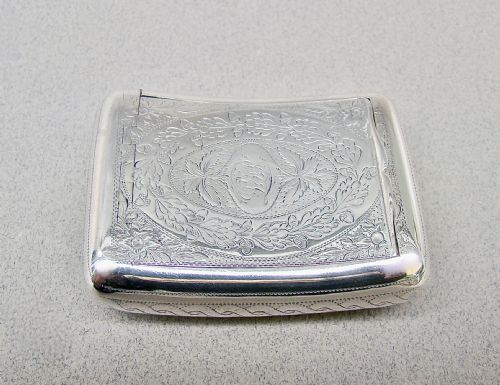
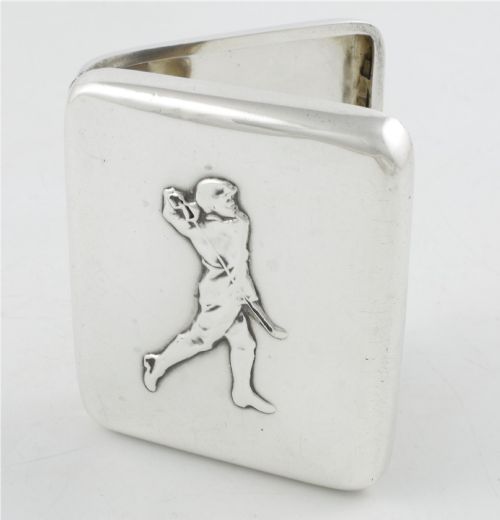
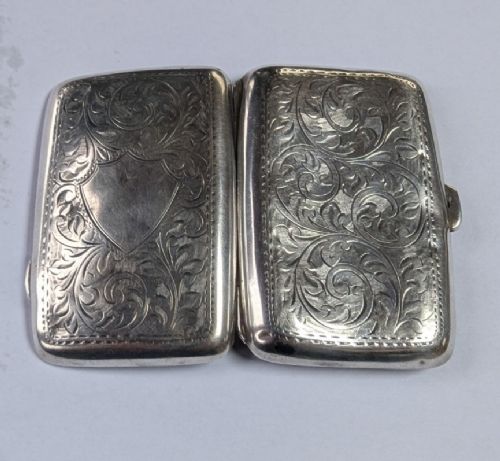
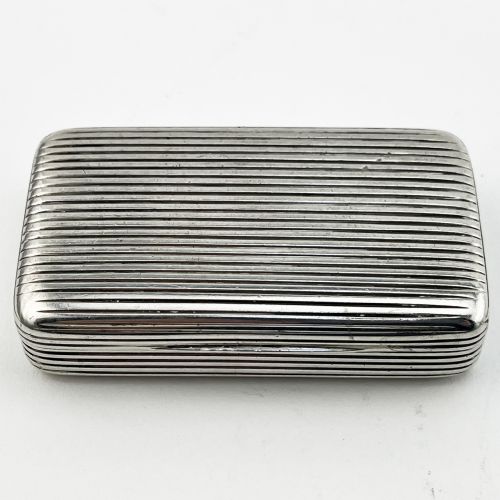
When you search for an antique sterling silver tobacco case, you encounter pocket receptacles designed for loose leaf, cigars, cigarettes, or snuff. The pieces on this page span Georgian, Victorian, Edwardian, and Art Deco periods, shifting in form from early pocket snuff boxes to later curved cigarette and cigar cases.
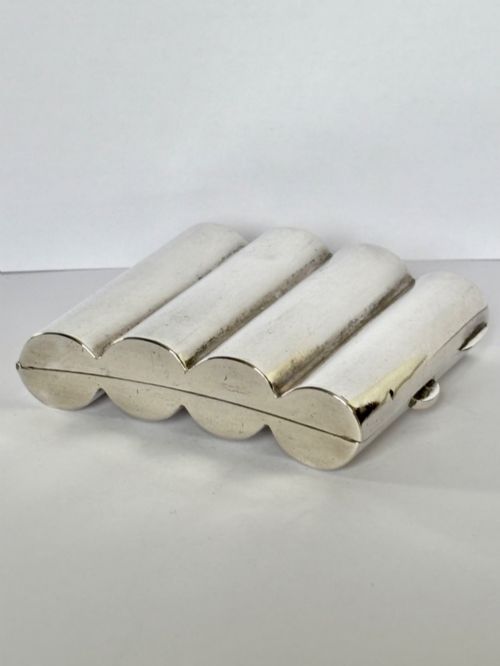
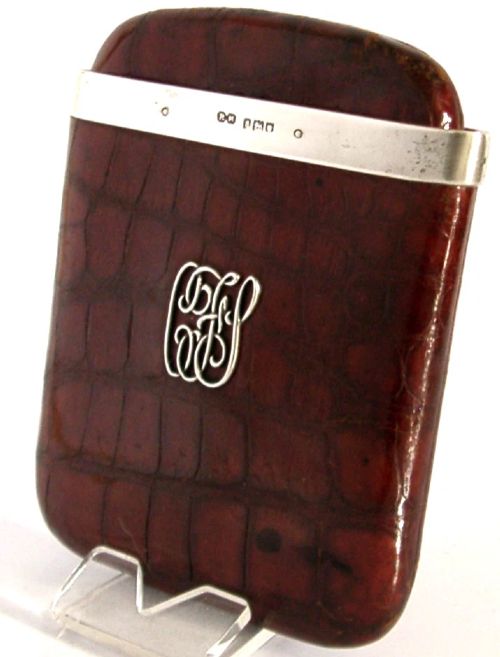
The assortment includes specialised formats such as double compartment boxes, vesta combinations, and multi-finger cigar tubes. Makers utilised solid sterling silver, silver gilt, and occasional coverings of crocodile leather to suit the preferences of the smoker.
Origins range from Georgian work by makers like Matthew Linwood and Edward Edwards through to later London and provincial pieces from the early twentieth century. Each object reflects the smoking habits and metalworking standards of its specific decade.
How they were made
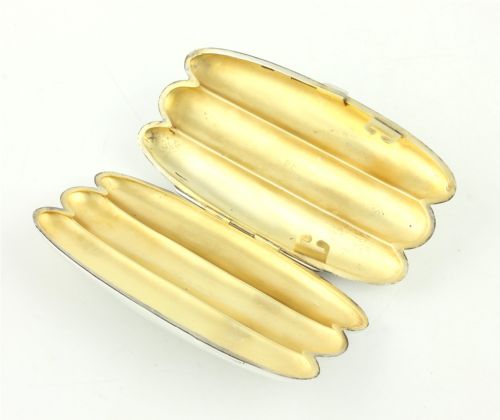
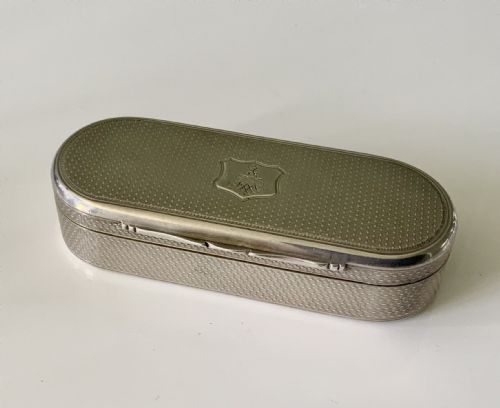
Silversmiths formed these cases using solid sterling silver, applying interior gold gilt to protect the metal from corrosive tobacco acids. Exterior surfaces frequently display engine turned patterns or chased rococo revival decoration pressed or engraved into the metal.
Certain luxury variants combine sterling silver frameworks with wrapped crocodile skin leather for tactile grip. Hinges, clasps, and curved body panels were meticulously engineered to ensure secure pocket closure and rigid protection for the contents.
Antique Sterling Silver Tobacco Case Retail Price Guide 2026
Typical asking prices for sterling silver tobacco case among the pieces listed under this phrase on Sellingantiques today, from the lower quarter to the upper quarter. They describe what is for sale here now, not the wider market.
Materials recorded across the inventory include sterling silver, silver gilt, and crocodile leather.
What varies in quality
Quality rests upon the crispness of engine turning, the depth of chased ornamentation, and the precision with which the lid closes against the body. Cases bearing clear hallmarks from recognised makers demonstrate superior provenance compared to unmarked or generic items.
Zimmerman·Sampson Mordan·Edward Edwards·Matthew Linwood
The Antique Sterling Silver Tobacco Case Glossary
- Sterling silver
- An alloy containing 92.5 percent silver by mass, forming the primary structural material for these cases.
- Silver gilt
- Sterling silver coated with a thin layer of gold on the interior to prevent tarnishing from tobacco leaf moisture.
- Engine turned
- A geometric surface decoration mechanically engraved into the metal using a rose engine lathe.
- Vesta
- A small pocket box designed to hold matches, occasionally incorporated into combination smoking accessories.
- Chased
- Metalwork decorated by hammering punches from the exterior to raise low relief pictorial or floral motifs.
Antique Sterling Silver Tobacco Case: Frequently Asked Questions
How do I date my case?
Examine the interior hallmarks stamped into the silver, which typically include a date letter, town mark, and standard sterling lion.
Matching these against historical assay office records reveals the exact year and city of manufacture.
Can I still carry tobacco in it?
These historical pieces accommodate modern loose tobacco, small cigars, or cigarettes if the internal dimensions permit.
Ensure the hinges and clasps remain secure to prevent loss during everyday pocket transport.
Why are some interiors gold?
The golden coating is silver gilt, applied to protect the sterling silver from the corrosive acids found in tobacco.
This technique also provided a more luxurious finish when the smoker opened the lid.
What caused the shift in box shapes?
Changes in smoking fashions dictated the form, moving from small pocket snuff boxes in the Georgian era to elongated cigar tubes and curved cigarette cases by the Victorian and Art Deco periods.
Manufacturers adapted their designs to match the preferred tobacco format of each decade.