

Antique Sterling Scoop
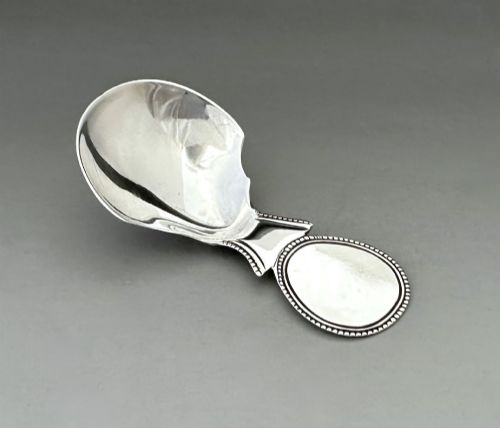
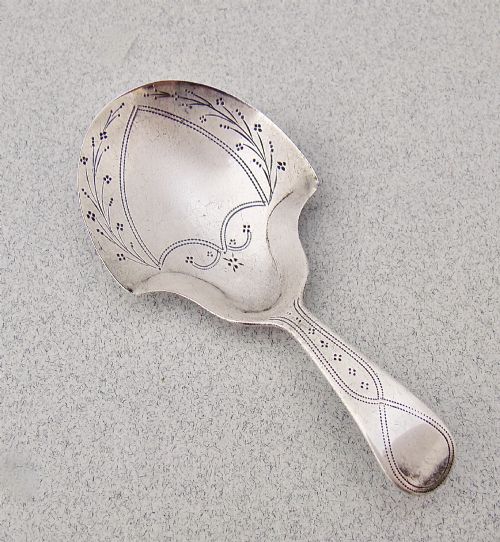
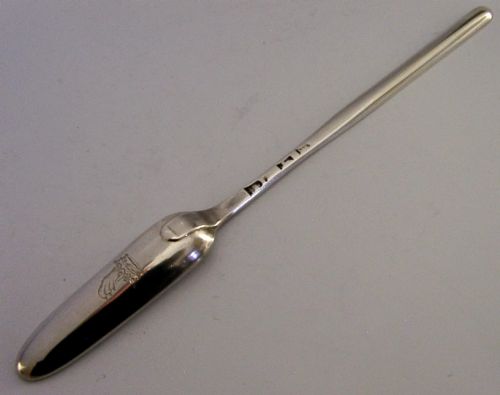
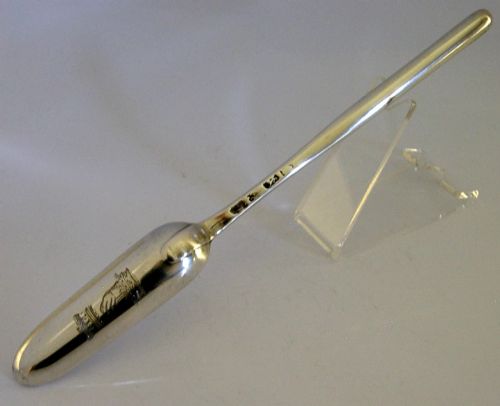
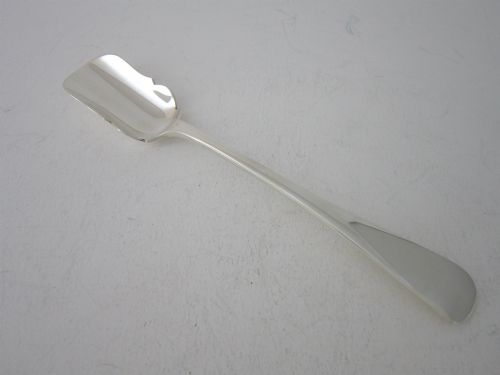
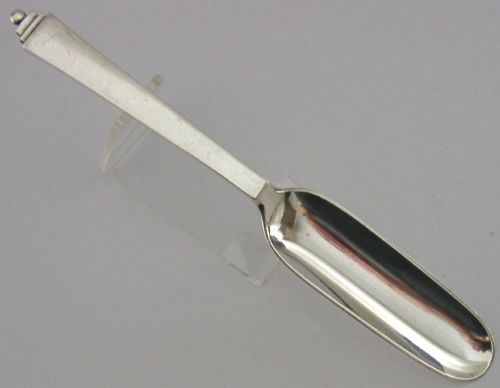
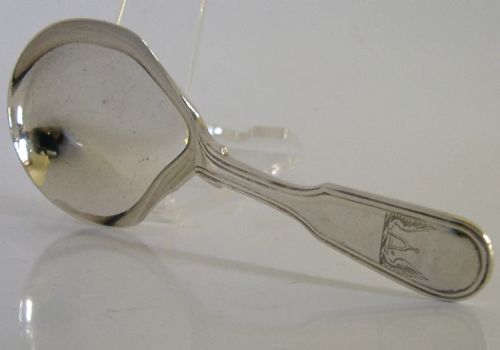
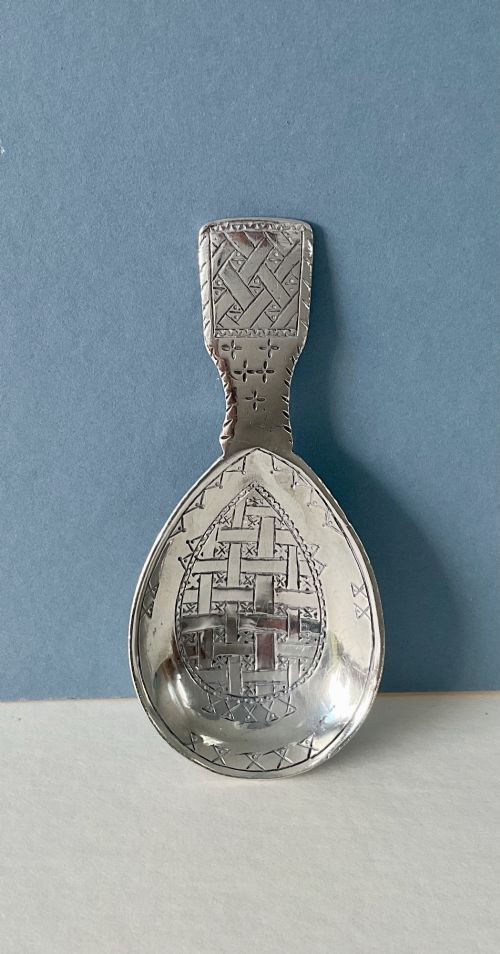
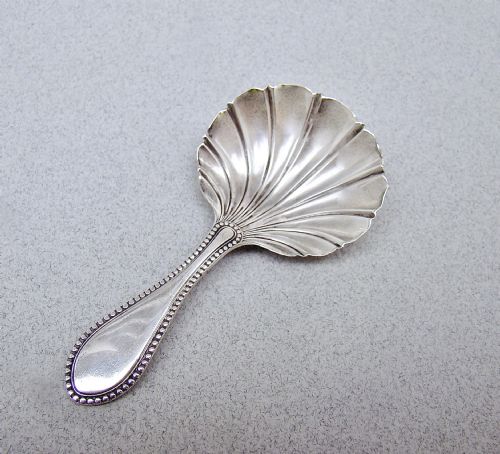
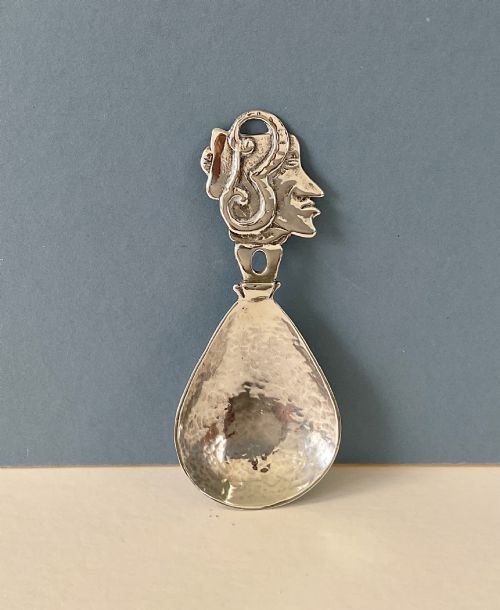
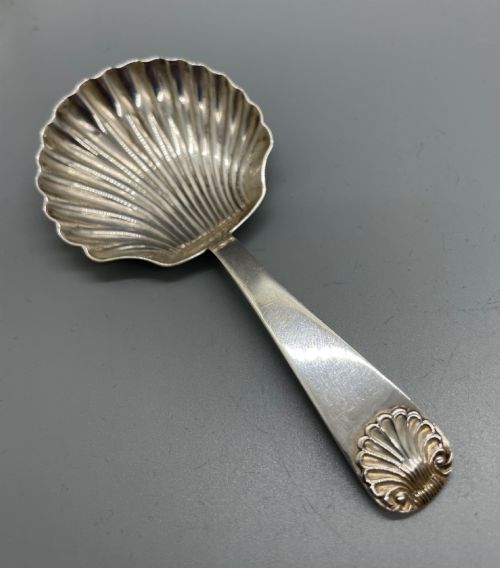
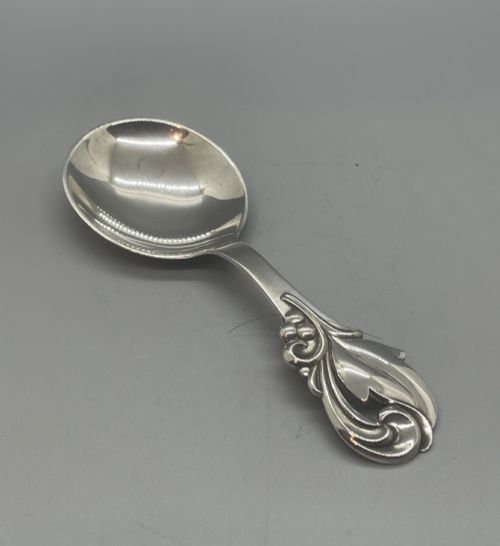
An antique sterling scoop is a tactile piece of silver heritage, usually taking the form of a caddy spoon or marrow scoop to serve tea or bone marrow.
Antique Sterling Scoop
When someone searches for an antique sterling scoop, they are examining small silver implements designed for specific domestic rituals like measuring dry tea leaves or extracting marrow. The selection spans the Georgian, Victorian, and Edwardian eras through to the mid-century modern period.
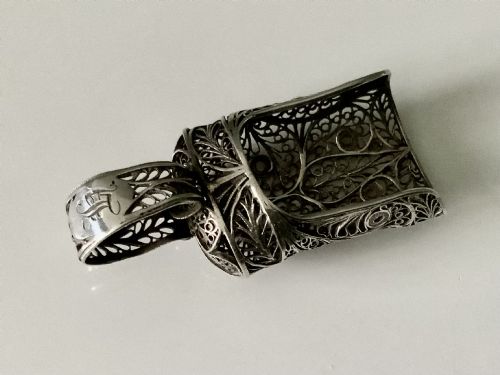
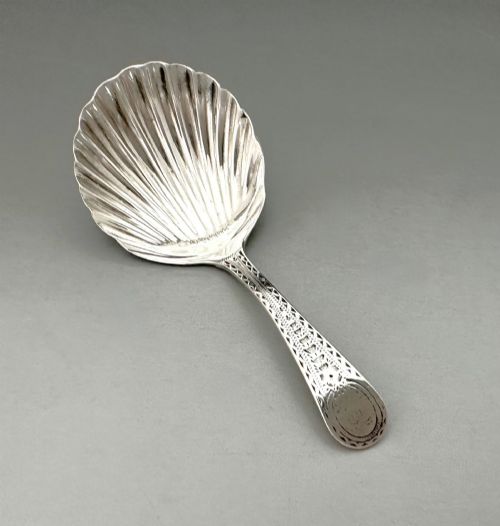
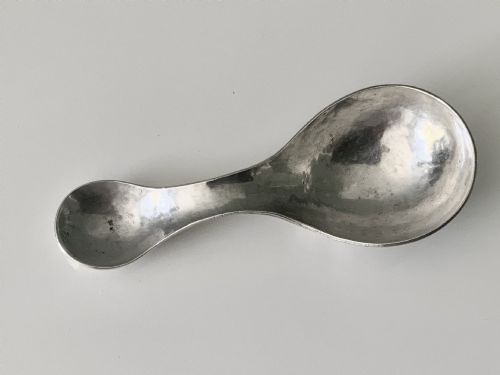
Caddy spoons dominate the assortment, often featuring shell-shaped bowls, jockey cap motifs, or pierced filigree work. Marrow scoops appear less frequently, offering a double-ended design with one narrow and one broader trough.
Origins stretch across English provincial assay offices, Dublin workshops, and Scandinavian design houses. Buyers meet everything from plain George III pieces to elaborate Arts and Crafts creations.
Materials and construction
Makers utilised sterling silver as the primary material, occasionally applying silver gilt, parcel-gilt finishes, or delicate silver wire work. Enamel panels and mother of pearl handles provide colour and textural contrast on select twentieth-century examples.
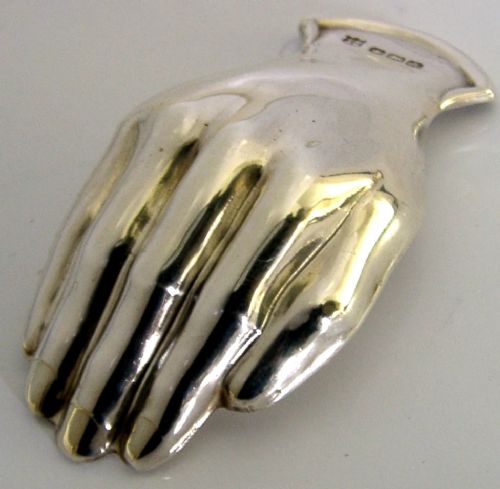
Techniques combine hand-hammering, die-stamping, and casting, followed by detailed hand engraving on the handles and bowls. Makers assembled multi-part items like novelty hand or cap spoons with soldered joints before submitting them for hallmarking.
Antique Sterling Scoop Retail Price Guide 2026
Typical asking prices for sterling scoop among the pieces listed under this phrase on Sellingantiques today, from the lower quarter to the upper quarter. They describe what is for sale here now, not the wider market.
Some nineteenth-century makers fashioned silver caddy spoons shaped precisely like tiny jockey caps, complete with peak and button.
Assessing craftsmanship and condition
The distinction between ordinary and exceptional pieces lies in the crispness of the stamp, the depth of the chasing, and the integrity of the original form. Heavy-gauge metal resists bending, whereas thinner silver loses definition across the bowl patterns over time.
Design ambition separates standard workshop output from master pieces, particularly in novelty forms or intricate filigree. Well-preserved hallmarks and legible maker marks confirm the provenance and original standard of the metal.
Joseph Willmore·Georg Jensen·Martin Hall And Co·John Walton·William Comyns·Edward Power·Jonathan Hayne·David Andersen·William Neale
The Antique Sterling Scoop Glossary
- Caddy spoon
- A small utensil specifically shaped for measuring loose tea leaves from a caddy into a pot. These items display immense variety in bowl design and handle decoration.
- Silver gilt
- Silver covered with a thin layer of gold on the surface. This technique imparts a rich golden warmth to the interior of bowls or decorative details.
- Filigree
- Delicate ornamental work consisting of fine silver wire twisted into openwork patterns. It requires high skill to solder without distorting the design.
- Hallmark
- An official stamp indicating the purity of the silver, the assay office, and the date letter. These marks allow collectors to trace the exact origin of a piece.
Antique Sterling Scoop: Frequently Asked Questions
What is a caddy spoon used for?
These small spoons measure loose tea leaves from storage containers into porcelain teapots. Their short handles allowed them to sit neatly inside or beside tea caddies.
Collectors prize them for their variety, as makers exercised considerable creative freedom in shaping the small bowls to resemble shells, leaves, or caps.
How do you use a marrow scoop?
The double-ended utensil extracts marrow from roasted animal bones during formal dining. The narrower trough reaches deep into long bones, while the wider scoop handles larger cavities.
Victorian and Georgian households used them regularly at the dining table before dining habits shifted.
How do I date an antique scoop?
Hallmarks stamped onto the back of the handle or bowl provide the most reliable dating evidence. British pieces carry assay office symbols, maker initials, and date letters that correspond to specific years.
Stylistic indicators, such as Georgian bright-cut engraving or Art Deco geometric lines, offer secondary clues when marks are worn.
Are these scoops safe to use daily?
Sterling silver handles everyday use well provided owners wash the pieces by hand in warm soapy water. Dishwashers damage antique surfaces and soften hand-engraved details.
Storing them away from rubber bands prevents tarnish, keeping the silver bright for regular service.