




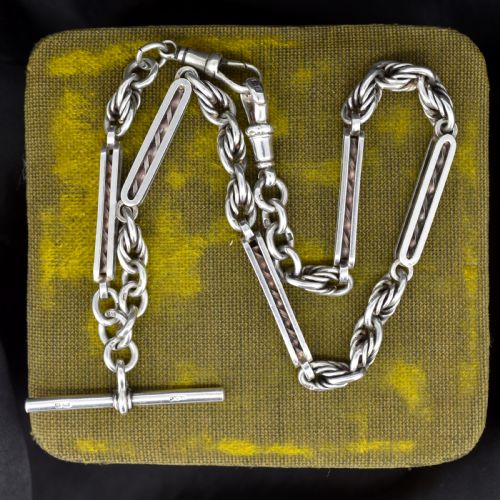
Antique Sterling Necklace
An antique sterling necklace brings substantial silver weight and period handwork to the collar, offering substantial links or delicate gem settings.
Antique Sterling Necklace
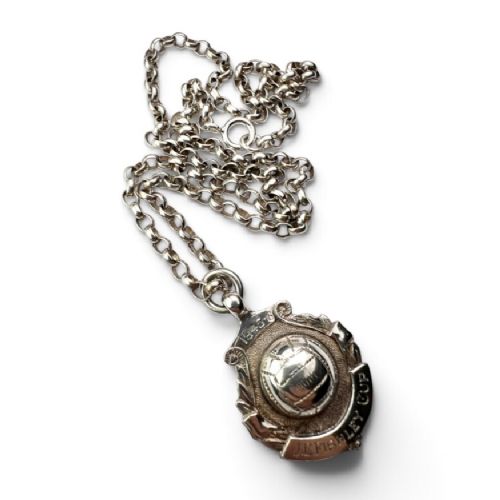
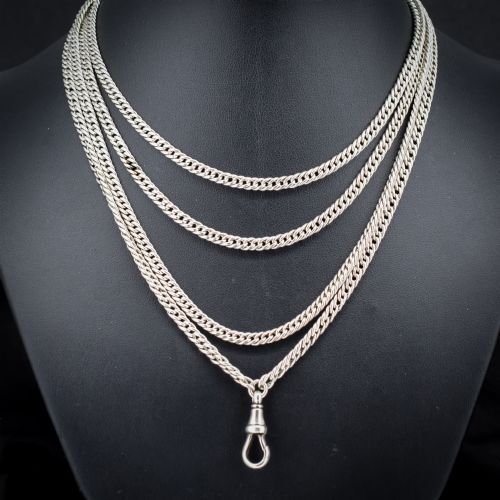
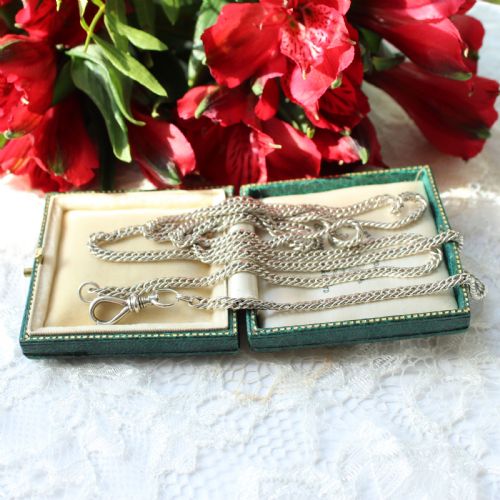
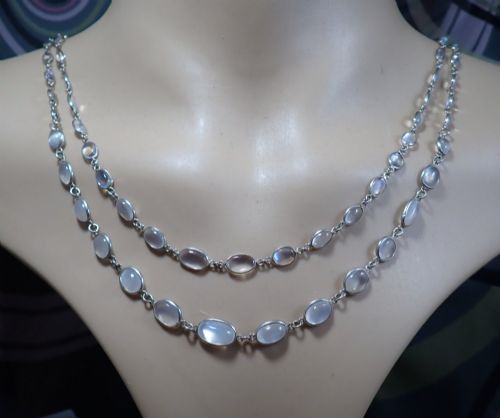
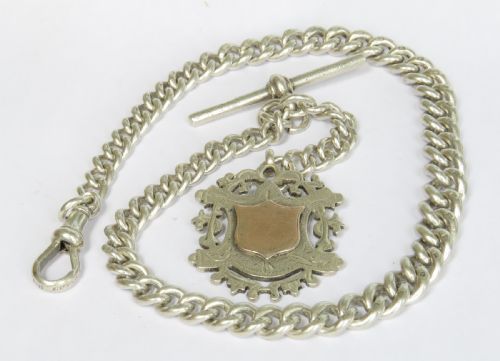
An antique sterling necklace encompasses long guard chains, heavy albert chains adapted for wear, and delicate gem-set pendants from the nineteenth and early twentieth centuries. Pieces range from forty-inch Victorian long guard chains to structured Arts and Crafts collars set with moonstones.
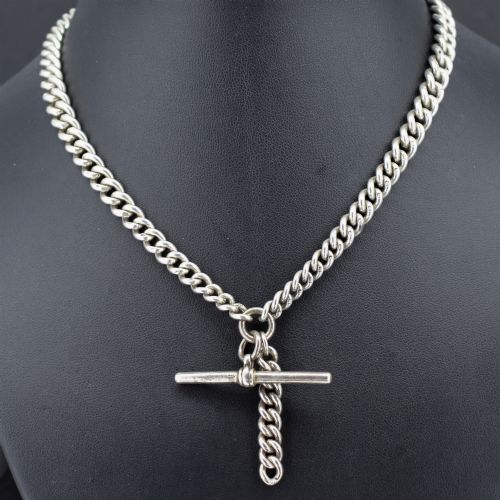
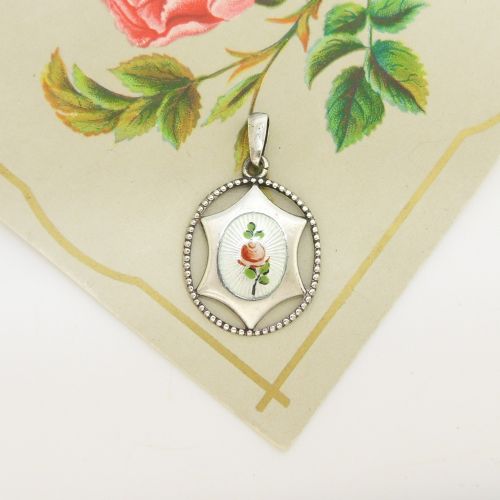
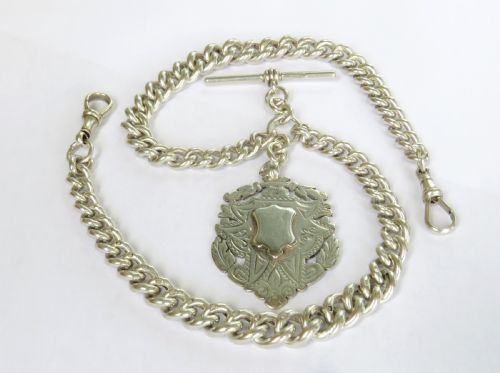
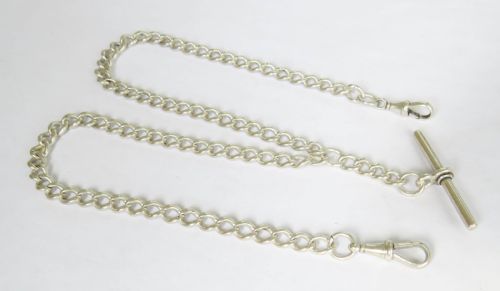
The most frequently encountered examples on this page are converted watch chains and pocket watch alberts alongside floral pendants. These functional items from the Victorian and Edwardian eras now serve primarily as decorative neckwear.
Makers and designers working within the Arts and Crafts and Art Nouveau movements created distinct silver work incorporating enamel, paste, and stones like amethyst. These varied forms reflect changing tastes from heavy nineteenth-century engineering to lighter twentieth-century modernism.
Materials and Technique
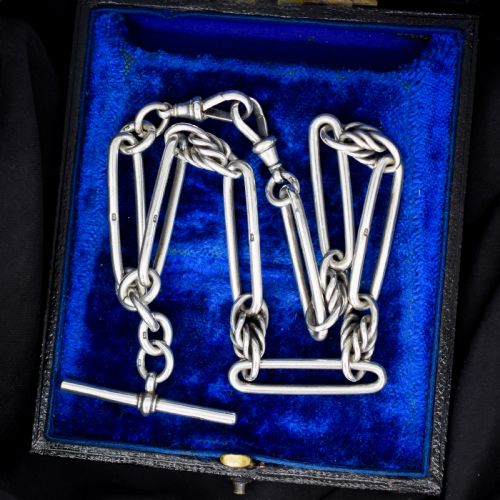
Makers utilised sterling silver and continental silver standards, shaping metal through hand-assembly of curb links, trombone links, and love knots. Many items feature solid construction with integral dog clips, T-bars, and screw-lock clasps.
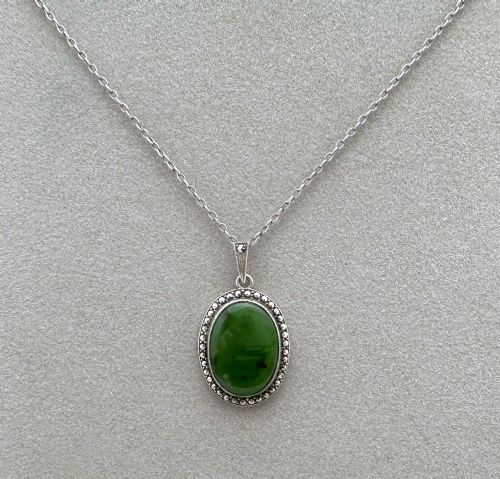
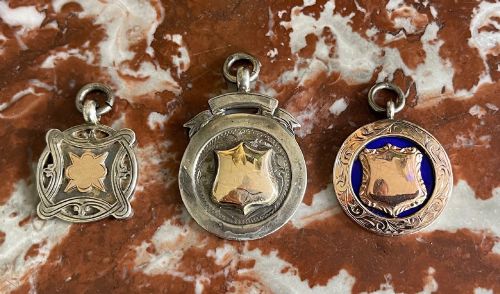
Decorative elements often include vitreous enamel applied in floral or geometric cells, alongside bezel settings for moonstones, amethysts, opals, and blister pearls. Filigree work and hand engraving add surface detail to lockets and coins.
Antique Sterling Necklace Retail Price Guide 2026
Typical asking prices for sterling necklace among the pieces listed under this phrase on Sellingantiques today, from the lower quarter to the upper quarter. They describe what is for sale here now, not the wider market.
The listings feature silver items spanning from the Victorian era through the Edwardian period and the 1930s.
Distinctions in Quality
The finest examples display crisp hallmarks, robust link gauge, and intact original clasps that operate smoothly without play. Superior silver work shows clean soldering joints and secure stone settings where bezels hold gems tightly.
Lesser items may exhibit heavy wear to engraved surfaces, replaced spring rings in place of original dog clips, or enamel loss within recessed cells. Maker attribution through stamps or documented design models elevates the standing of individual pieces.
Charles Horner·WH Haseler for Liberty and Co·George Hunt·Thomas L Mott·Dorrie Nossiter
The Antique Sterling Necklace Glossary
- Albert chain
- A heavy silver chain originally designed to secure a pocket watch to a waistcoat, frequently worn today as a necklace.
- Dog clip
- A spring-loaded swivel clasp commonly found on watch chains and long guard chains for securing pendants or fobs.
- T-bar
- A short transverse bar attached to a watch chain, historically passed through a buttonhole and now often positioned as a decorative pendant drop.
- Long guard chain
- An extra-long necklace, often exceeding fifty inches, designed to be worn doubled or tripled around the neck.
- Blister pearl
- A pearl that has grown attached to the inside shell of an oyster, creating a domed, hollow-backed shape favoured by Arts and Crafts jewellers.
Antique Sterling Necklace: Frequently Asked Questions
How do I wear a long guard chain?
These extended chains can be doubled or tripled around the neck to create layered lengths depending on personal preference. The built-in dog clips allow the attachment of lockets, seals, or pocket watch fobs.
Their substantial weight keeps them securely in place against the chest or collarbone without requiring additional fasteners.
What is an albert chain necklace?
An albert chain is a robust silver chain originally utilised by men in the nineteenth century to secure pocket watches. Today, collectors wear these sturdy link chains around the neck as statement pieces.
They often retain their original T-bars and swivel clips, which hang as decorative elements.
How do I identify Arts and Crafts silver?
Arts and Crafts pieces typically feature hand-hammered silver surfaces, visible construction marks, and bezel-set cabochon stones such as moonstones or opals. These items reject mass-produced machine stamping in favour of individual artistic expression.
Many examples from this movement bear workshop stamps or designer signatures on the reverse.