






Antique Sterling Letter Opener
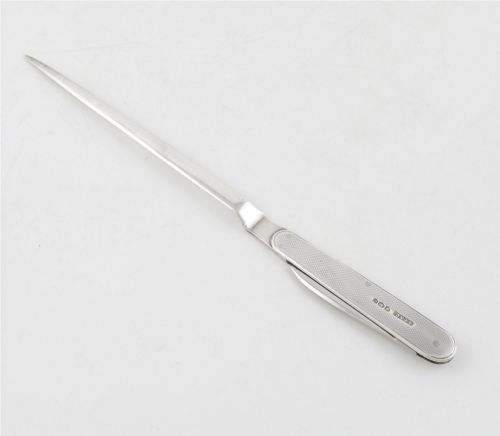
An antique sterling letter opener is a refined desk accessory designed to slice through envelopes with weight and distinction.
Antique Sterling Letter Opener
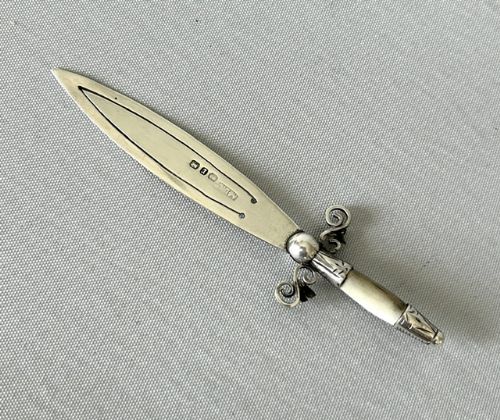
An antique sterling letter opener serves as a functional desktop tool that doubles as an expression of personal taste. These objects bridge the gap between utility and ornamentation, emerging from periods when correspondence demanded deliberate handling.
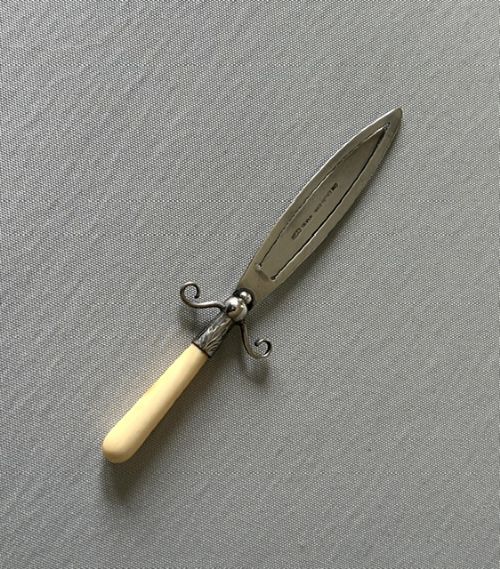
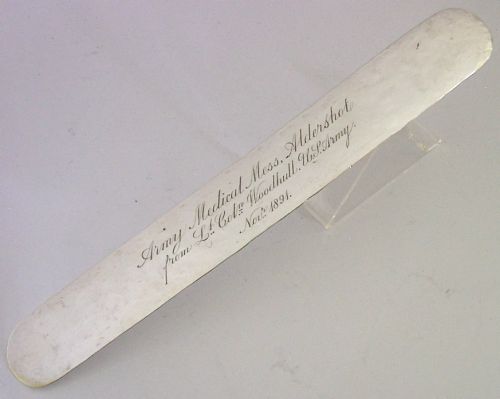
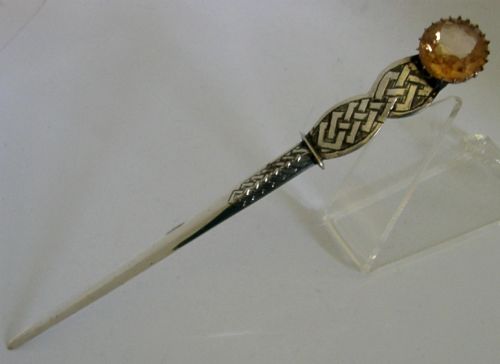
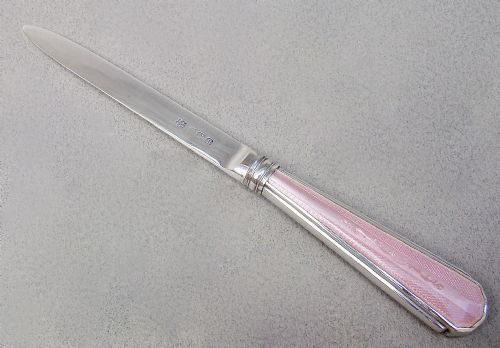
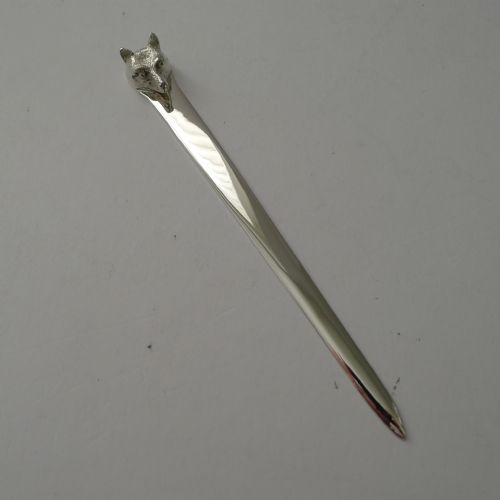
The pieces on this page span the Georgian, Victorian, and Edwardian eras, alongside later interwar decades like the Art Deco period. Buyers encounter everything from plain silver blades to elaborate page turners and novelty animal handles.
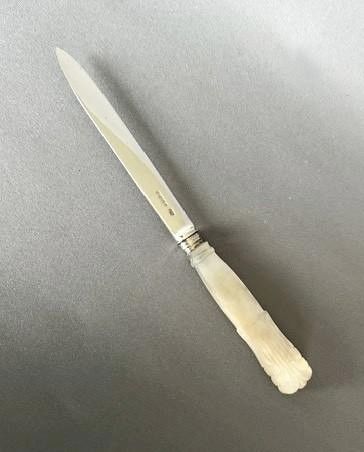
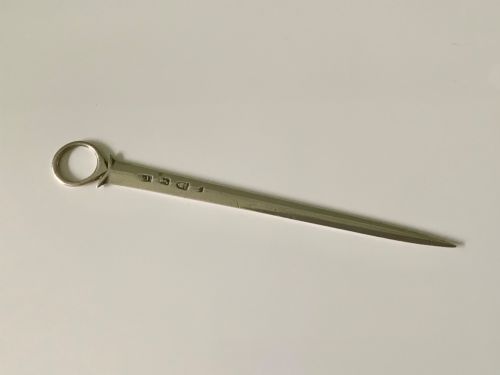
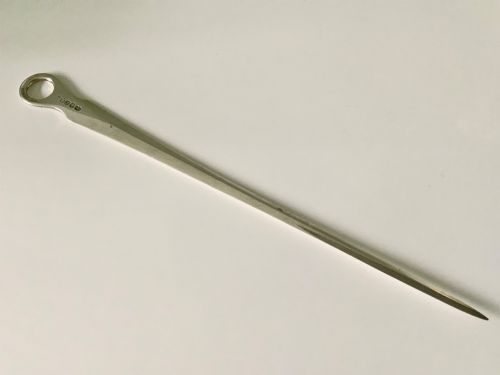
Certain examples combine silver with tortoiseshell, mother-of-pearl, enamel, or citrine stones, reflecting the diverse design priorities of their makers. Functional items such as meat skewers also appear among desk accessories due to shared metallurgical properties.
How they were made
Silversmiths shaped sterling silver through forging, casting, and hand-beating, often integrating steel blades for necessary rigidity. Handles frequently incorporate organic materials like mother-of-pearl and tortoiseshell, secured carefully to the silver shafts.
Enamelling techniques such as guilloché add colour and geometric pattern to the metalwork, while specialised chasing brings sculptural animal forms to life. Assay office marks stamped directly onto the silver record the year and place of creation.
Antique Sterling Letter Opener Retail Price Guide 2026
Typical asking prices for sterling letter opener among the pieces listed under this phrase on Sellingantiques today, from the lower quarter to the upper quarter. They describe what is for sale here now, not the wider market.
Several silversmiths could not resist turning desk tools into miniature greyhounds, ducks, and foxes.
What varies in quality
Quality rests in the weight of the metal and the precision of the hand-finishing, distinguishing mass-produced items from bespoke silversmith work. Superior pieces display crisp detailing on cast figural handles and seamless joins between mixed materials.
The presence of undamaged enamel, clear hallmarks, and undamaged organic inlays elevates a piece significantly. Maker attribution to notable firms adds historical weight and refinement to the object.
The Barker Brothers·Asprey·William Graeme·A Barrett Piccadilly London·Sampson Mordan Co
The Antique Sterling Letter Opener Glossary
- Sterling silver
- A silver alloy containing 92.5 percent pure silver and 7.5 percent other metals, usually copper, chosen for durability.
- Hallmark
- A series of official marks stamped on precious metals showing the maker, purity standard, assay office, and year of testing.
- Page turner
- A larger desk tool, often featuring an ivory, tortoiseshell, or silver blade, designed to separate uncut pages in books.
- Guilloché
- A decorative technique where a precise, intricate pattern is mechanically engraved into metal beneath a translucent layer of enamel.
- Assay office
- An organisation charged with testing the purity of precious metal items and applying official hallmarks.
Antique Sterling Letter Opener: Frequently Asked Questions
What is an antique letter opener?
An antique letter opener is a handheld blade used historically to slice open folded paper envelopes before mass-produced machine-glued envelopes became standard.
Craftsmen produced them in various metals and organic materials to sit upon writing desks as both tools and decorative art.
How were letter openers used?
Owners kept these implements on writing tables alongside inkwells and blotters to cleanly sever the folds of incoming correspondence.
They allowed the recipient to open letters without tearing the paper or damaging the contents inside.
How do I date a silver letter opener?
Dating relies heavily on the stamped hallmarks, which include specific letters corresponding to the year of assay at offices like London or Birmingham.
Stylistic cues such as Art Deco geometries or Victorian naturalism also help assign items to specific eras.
Are desk accessories collectible?
Desk accessories attract collectors due to their fine craftsmanship, use of precious materials, and connection to historical writing habits.
Novelty animal handles and pieces by known makers remain particularly sought after by enthusiasts.