

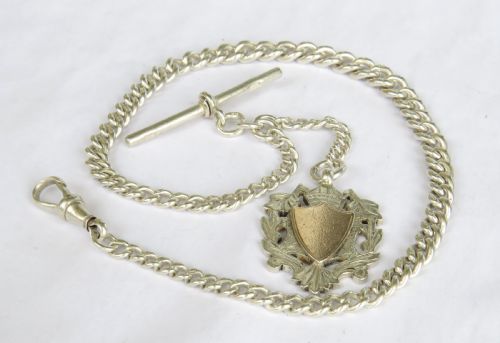


Antique Sterling Jewellery
These pieces of antique sterling jewellery combine the durable lustre of silver with the distinct decorative tastes of the Victorian, Edwardian, and Art Deco eras.
Antique Sterling Jewellery
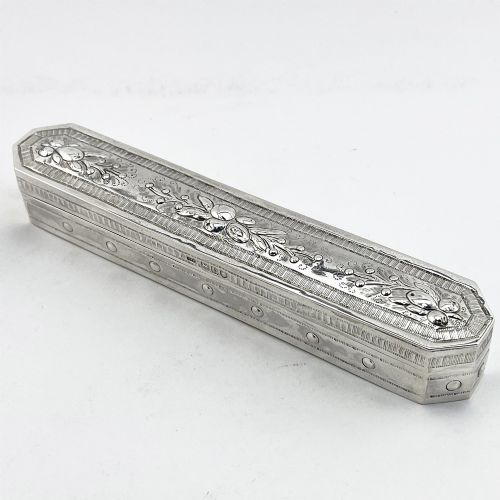
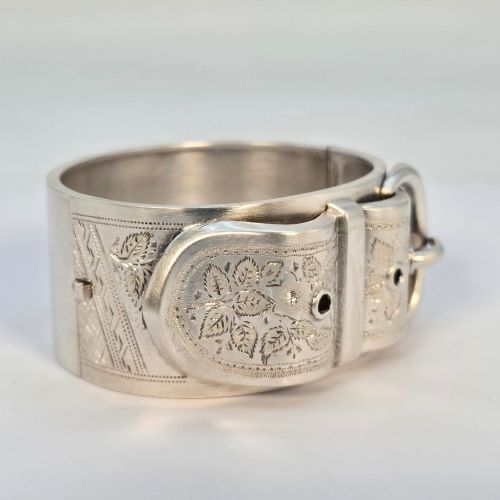
When you search for antique sterling jewellery, you encounter wearable items and small silver receptacles created across the late nineteenth and early twentieth centuries. The selection spans utilitarian watch chains, hinged bangles, and delicate pendants, alongside dressing table boxes designed to hold them.
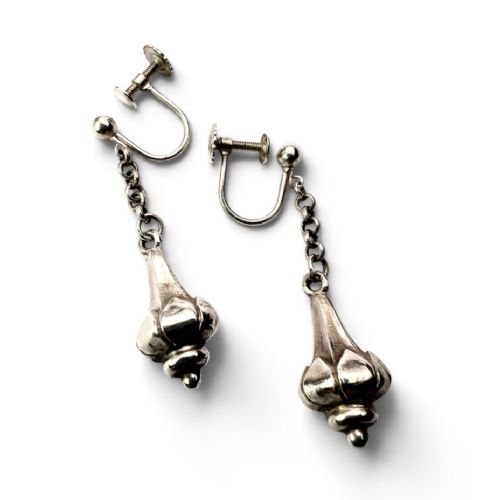
Victorian and Edwardian examples predominate, shifting through Arts and Crafts interpretations into geometric Art Deco styles. Buyers frequently find brooches, earrings, and substantial albert chains that reflect the diverse material culture of these periods.
Materials and construction
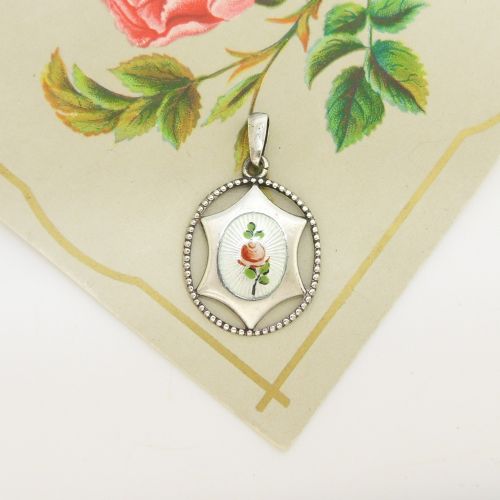
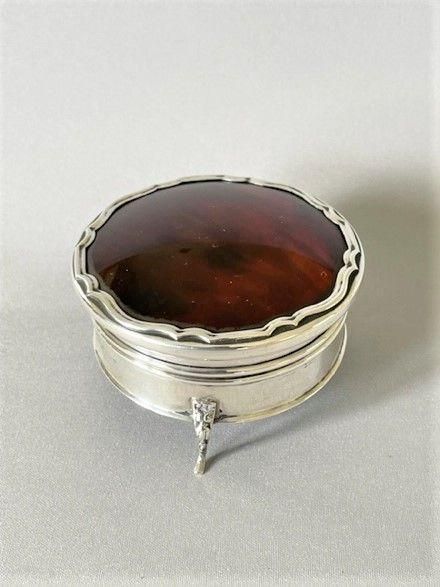
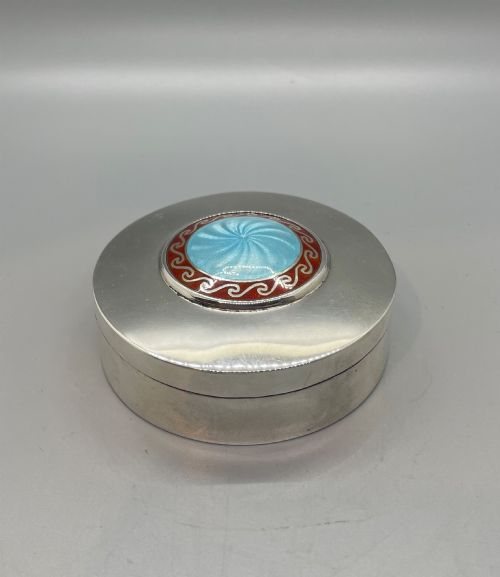
Silversmiths shaped solid sterling silver using traditional techniques such as stamping, filigree wirework, and heavy gauge casting. Many items incorporate vitreous enamel, tortoiseshell, and paste stones to introduce colour and texture.
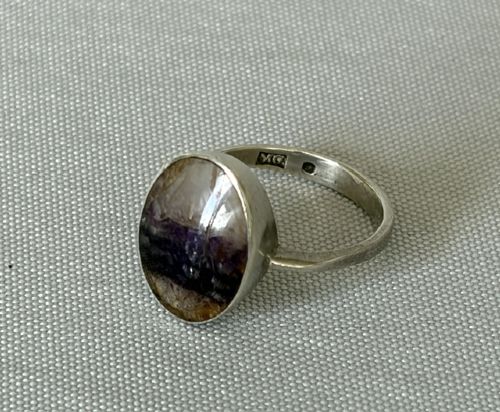
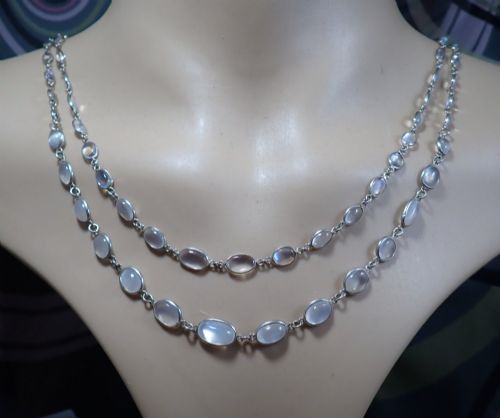
Makers integrated natural stones like moonstone, onyx, and jade, setting them securely within silver bezels. Hallmarks stamped directly into the metal record the assay office, year, and standard of silver.
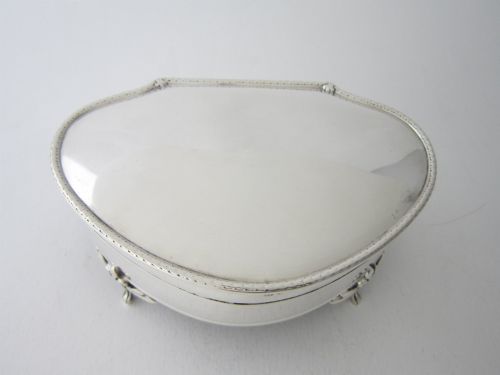
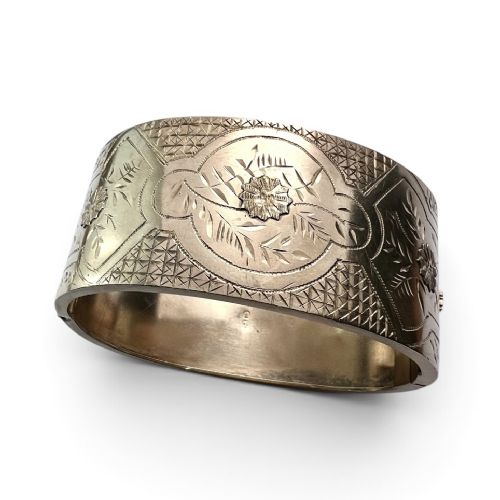
Object types range from pocket watch albert chains and hinged bangles to dressing table trinket boxes.
What defines quality
Superior examples demonstrate crisp definition in stamped motifs and secure, flush stone settings. The weight of the silver and the precision of hand-applied enamel separate utilitarian pieces from finer workshop productions.
The integrity of hinges on trinket boxes and the preservation of delicate applied elements determine the distinction between ordinary survival and exceptional craftsmanship.
Charles Horner·A H Darby & Son·Ollivant & Botsford·Mappin & Webb·H H Curtis
The Antique Sterling Jewellery Glossary
- Sterling silver
- An alloy composed of pure silver and other metals to increase durability while maintaining a bright metallic shine. This standard is denoted by specific hallmarks.
- Albert chain
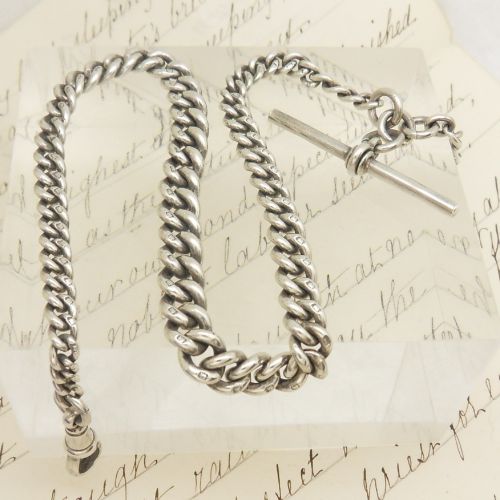
- A heavy pocket watch chain designed to be worn across a waistcoat or adapted as a necklace. These chains frequently incorporate ornamental fobs.
- Guilloche enamel
- A decorative technique where translucent enamel is layered over engine-turned metal. This process creates geometric patterns visible beneath the coloured glass.
- Paste
- Hand-cut and polished glass or lead crystal used to simulate gemstones in period jewellery. It offers high brilliance and precise facet work.
- Hallmark
- A series of official marks stamped on precious metals indicating the maker, purity standard, assay office, and year of testing.
Antique Sterling Jewellery: Frequently Asked Questions
How do I care for silver jewellery?
Store silver pieces in dry conditions away from direct sunlight to limit natural oxidation and tarnishing. Gentle cleaning with a soft cloth preserves the original surface finish without wearing down fine details.
Avoid harsh chemical dips, particularly on pieces containing enamel, tortoiseshell, or softer organic stones. Regular handling often maintains the natural lustre of frequently worn items.
Were watch chains meant to be worn as necklaces?
Victorian and Edwardian gentlemen originally wore albert chains across waistcoats to secure pocket watches and fobs. Contemporary buyers frequently repurpose these substantial sterling chains to wear around the neck.
Their robust links and secure T-bar clasps lend themselves well to modern adaptation as statement neckwear.
How can I date an unmarked silver box?
Examine the construction style, hinge type, and decorative motifs to narrow down the period of manufacture. Art Deco items display geometric symmetry, whereas Edwardian boxes often feature organic garlands and softer contours.
Matching the overall design vocabulary with known dated examples provides a reliable window of origin when official hallmarks are absent.
What is butterfly wing jewellery?
This decorative technique uses real iridescent butterfly wings placed beneath a convex glass dome to create vibrant blue and green backdrops. Silversmiths framed these miniature pictures within sterling silver mounts during the early twentieth century.
The resulting pieces capture the exotic visual tastes popular during the Art Deco period.