



Antique Sterling Figurine
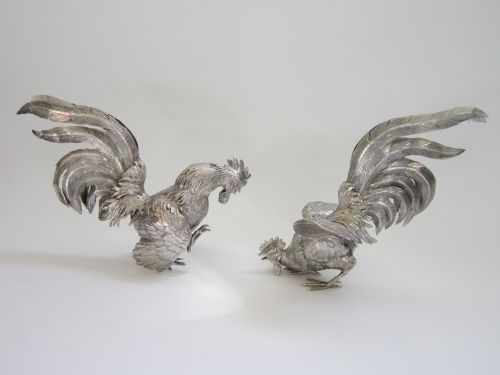
An antique sterling figurine brings miniature animals, birds and figures into domestic spaces through solid silver work.
Antique Sterling Figurine
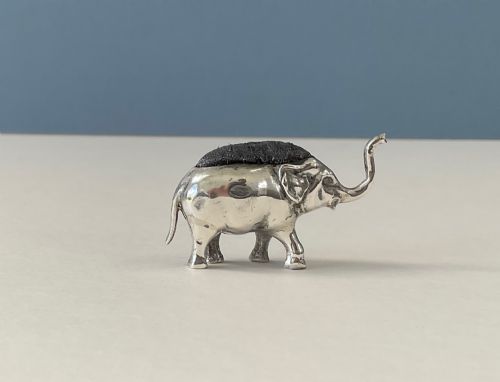
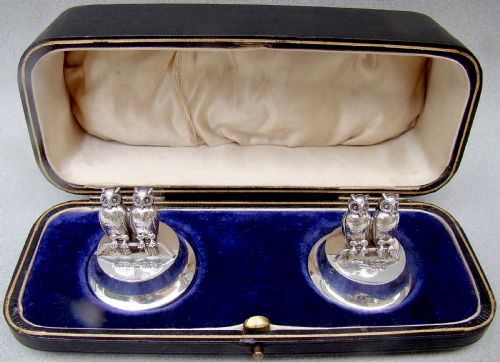
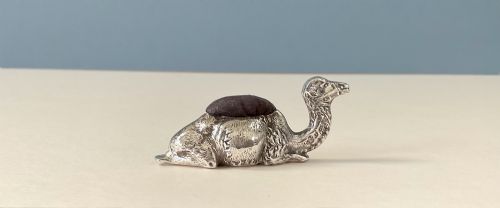
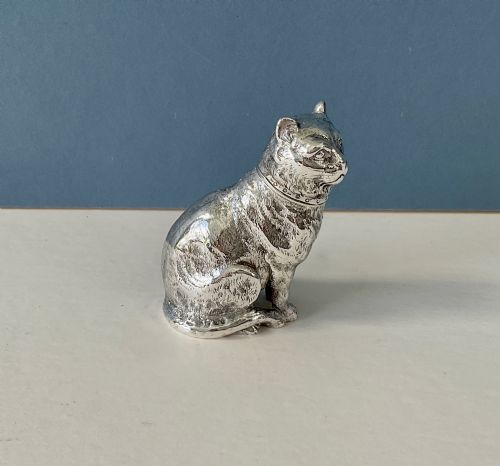
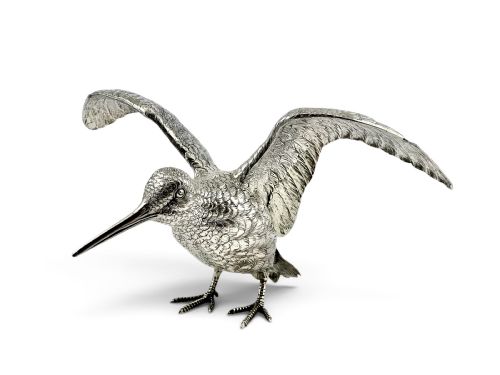
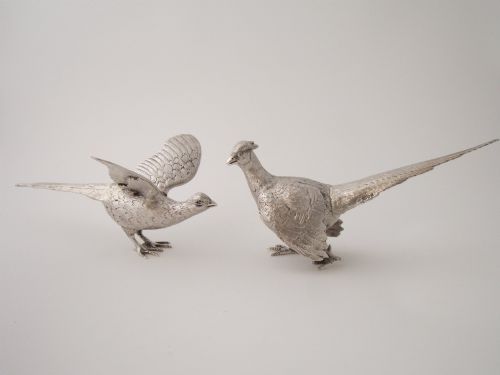
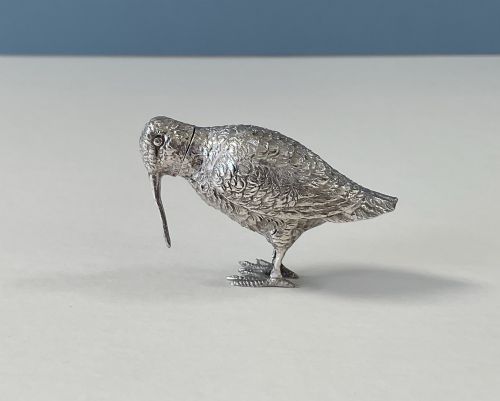
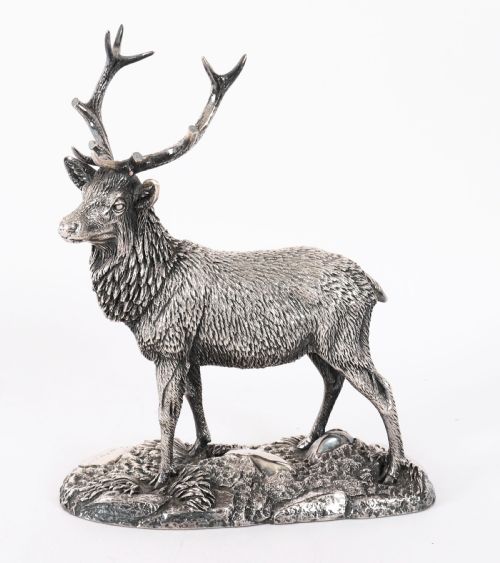
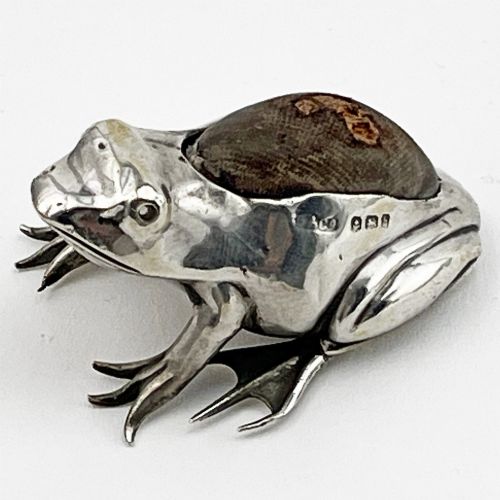
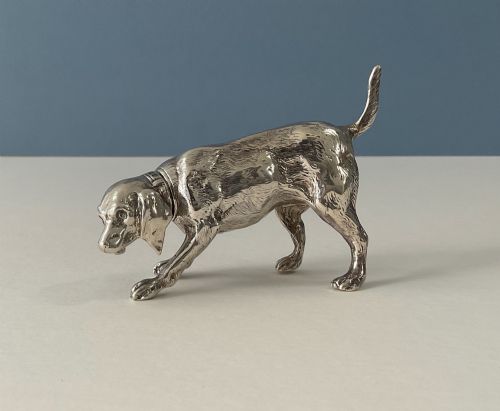
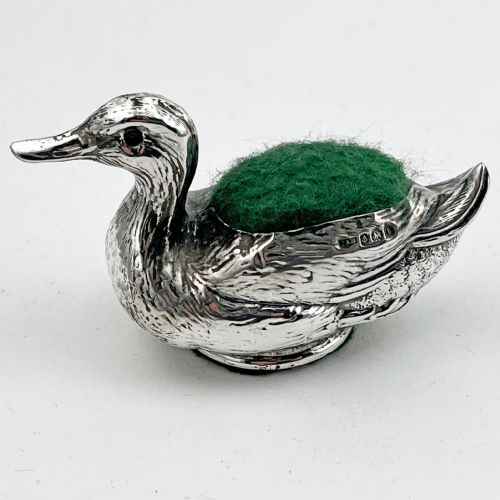
The objects frequently take utilitarian forms such as pin cushions backed with velvet, silk, or fabric, alongside pepper pots, condiment sets, menu holders, and pill boxes. Figures span seated camels, frogs, stags, foxes, and birds alongside soldiers, shepherds, and musicians.
Origins include English workshops in London and Birmingham alongside Continental European centres like Hanau and Germany, representing styles from Victorian novelty to animalier sculpture and German historicism.
Distinctions in craftsmanship and form
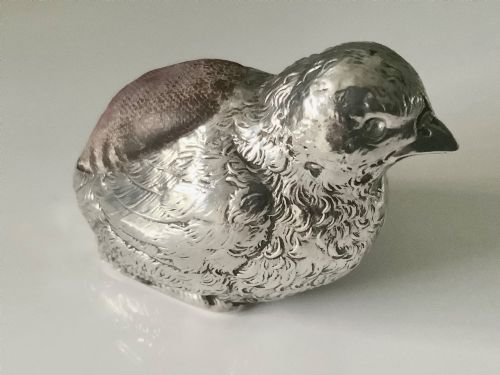
Quality rests upon the crispness of the chased detail across feathers, fur, and clothing folds, where superior pieces retain sharp definition without smoothing from polishing. Naturalistic proportions and expressive postures distinguish fine animalier modeling from rigid production.
The integrity of secondary materials, such as intact original velvet or silk within pin cushions and secure hinges on boxes, separates well-preserved examples from altered items.
Antique Sterling Figurine Retail Price Guide 2026
Typical asking prices for sterling figurine among the pieces listed under this phrase on Sellingantiques today, from the lower quarter to the upper quarter. They describe what is for sale here now, not the wider market.
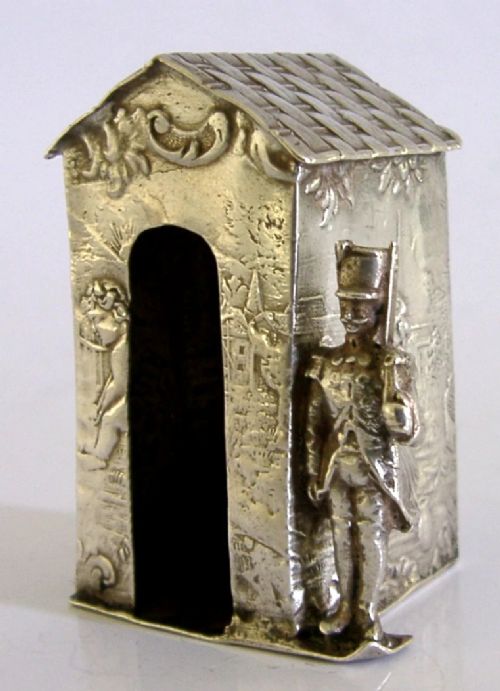
A tiny silver sentry guards his post inside a miniature toy soldier box from 1900.
Levi & Salaman·Tom Mackie·Berthold Muller·Edward & John Barnard·Boaz Moses·Thomas Johnson·Sampson Mordan & Co.
The Antique Sterling Figurine Glossary
- Animalier
- A style focusing on the realistic portrayal of animals, particularly common in Victorian and Edwardian silver sculptures. Sculptors captured subjects such as stags, birds, and dogs in natural motion.
- Novelty silver
- Silver items shaped as recognizable objects, animals, or figures with a secondary function such as a pin cushion, pepper pot, or pill box. These combine decorative sculpture with utilitarian domestic use.
- Sterling silver
- An alloy containing a high proportion of silver combined with other metals to ensure durability for domestic objects. British pieces carry hallmarks designating standard fineness.
- Pin cushion
- A sewing accessory featuring a textile pad mounted inside a silver base formed as an animal or shoe. Victorian and Edwardian examples utilised velvet, silk, or fabric.
- Chasing
- A metalworking technique where the artisan strikes the silver from the front with tools to push metal down and create surface relief and texture. This method defines fur, feathers, and clothing details on small figures.
Antique Sterling Figurine: Frequently Asked Questions
What is an antique sterling figurine used for?
These pieces served practical roles on desks, dressing tables, and dining rooms as pin cushions, pepper pots, menu holders, and pill boxes while doubling as decorative ornaments.
Over time, collectors shifted their focus toward displaying them as miniature sculptures rather than utilising their original domestic functions.
How do I date an antique silver figure?
Dating relies heavily on hallmarks stamped into the silver, which indicate the assay office, standard, and specific year of manufacture for British items.
Stylistic cues such as Edwardian novelty designs or Victorian animalier realism also help place the object within a specific period.
Are pin cushions common among these figures?
Pin cushions form a significant portion of the available silver objects, shaped as animals including ducks, pigs, bears, and frogs.
The textile pads inside these figures were intended for holding sewing pins on dressing tables.
Where were these silver figures made?
Production centres included English cities such as London and Birmingham, alongside Continental European hubs like Hanau in Germany.
Different regions employed distinct casting and marking traditions that reveal the origin of each piece.