



Antique Sterling Compote
These antique sterling compote pieces are elevated serving vessels and centrepiece bowls, bringing raised form and polished silver to a table.
Antique Sterling Compote
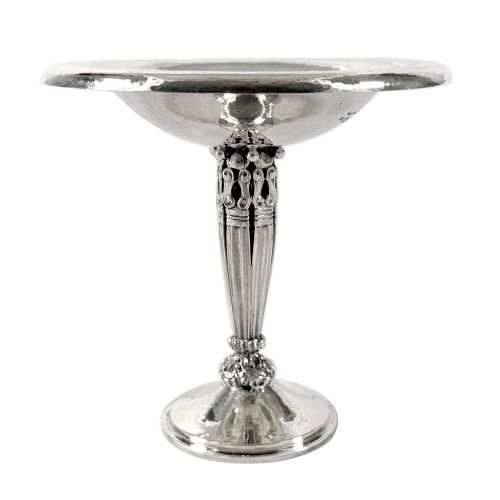
An antique sterling compote sits on a raised foot or pedestal, serving fruit, sweetmeats or serving as a grand centrepiece bowl. When searching for an antique sterling compote, a buyer encounters forms ranging from shallow tazzas to deep pedestal bowls.
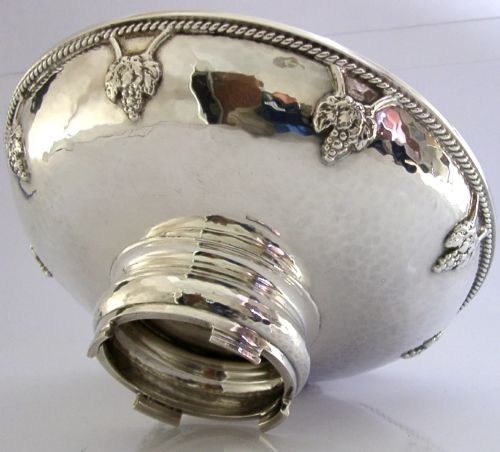
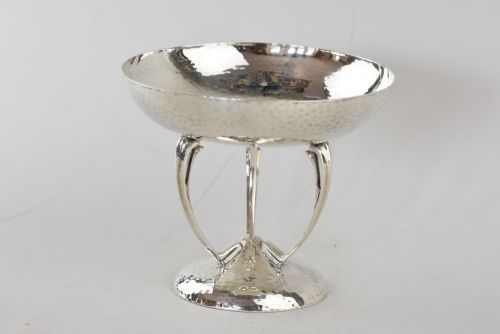
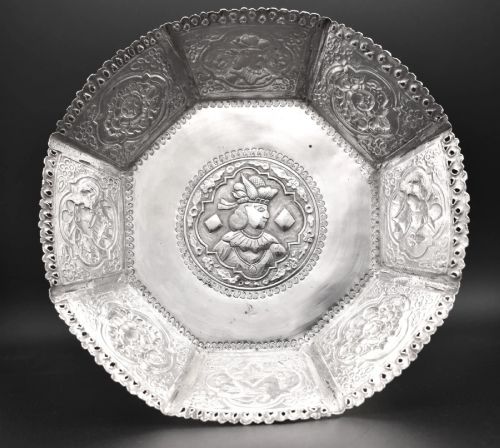
The pieces seen here span multiple centuries and stylistic revivals, from Georgian and Victorian eras through Edwardian elegance and Art Deco geometric lines. Origin locations vary widely, encompassing London, Sheffield, Edinburgh, Burma, and Spain.
Makers utilise varied techniques such as piercing, hammering, and repoussé work to decorate the surfaces of these elevated silver dishes. Many retain their original gilt interiors, adding a rich contrast of gold tone against polished silver.
Materials and construction
Silversmiths constructed these compotes primarily in sterling silver and standard silver, occasionally applying vermeil finish to interior surfaces. Hammered finishes show the direct hand of the craftsman, while cast pedestals provide sturdy support for the heavy bowls above.
Decorative detailing relies on specialised metalworking methods including intricate piercing, chased foliage, and high-relief repoussé work. Structural elements like three-legged frames and paired handles are securely joined to the main bowl body.
Antique Sterling Compote Retail Price Guide 2026
Typical asking prices for sterling compote among the pieces listed under this phrase on Sellingantiques today, from the lower quarter to the upper quarter. They describe what is for sale here now, not the wider market.
Listings feature works from the eighteenth century, nineteenth century, and early twentieth century, including Edwardian and Art Deco periods.
Evaluating quality and craftsmanship
Quality reveals itself in the crispness of chased detail and the structural balance of the pedestal foot. Master silversmiths achieved harmonious proportions between the height of the stem and the breadth of the bowl.
The weight of the silver and the precision of hand-pierced lattices distinguish standard production from exceptional workshops. Surface preservation matters greatly, ensuring repoussé relief work remains sharp and unflattened by centuries of polishing.
Goldsmiths and Silversmiths Company·Charles Boyton·Walker and Hall·James Dixon and Sons
The Antique Sterling Compote Glossary
- Tazza
- A shallow bowl or dish mounted on a stemmed foot, frequently used for serving fruit or small cakes at formal meals.
- Repoussé
- A metalworking technique where the silversmith hammers the design from the reverse side to create raised relief decoration on the front.
- Vermeil
- Sterling silver that has been plated with a thin layer of fine gold, creating a rich two-tone effect often seen inside antique bowls.
- Pierced
- Silver metal that has been cut through in decorative patterns to create openwork galleries or delicate geometric borders.
Antique Sterling Compote: Frequently Asked Questions
What is an antique sterling compote used for?
These elevated vessels traditionally held fruit, nuts, or sweetmeats on formal dining tables.
They also function as decorative centrepieces to draw the eye upwards in a room.
How do I identify an Edwardian compote?
Edwardian pieces often feature delicate pierced work or clean classical revival motifs dating from the early twentieth century.
Maker marks and town assay stamps provide precise confirmation of the manufacturing period.
How should I clean silver compotes?
Gentle washing with mild soap and warm water removes everyday dust and oils from the surface.
Specialist silver polish applied with a soft cloth maintains the shine without wearing away fine repoussé details.