
Antique Sterling Case
When you handle an antique sterling case, you hold a functional pocket or travel receptacle shaped from precious silver during the Victorian, Edwardian, or Art Deco eras.
Antique Sterling Case
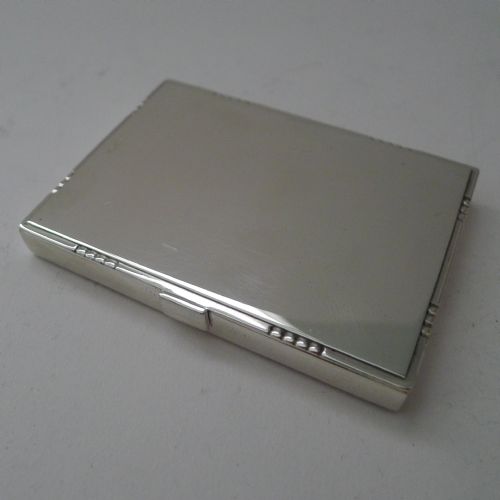
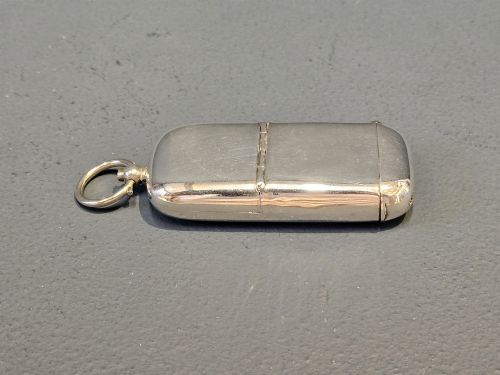
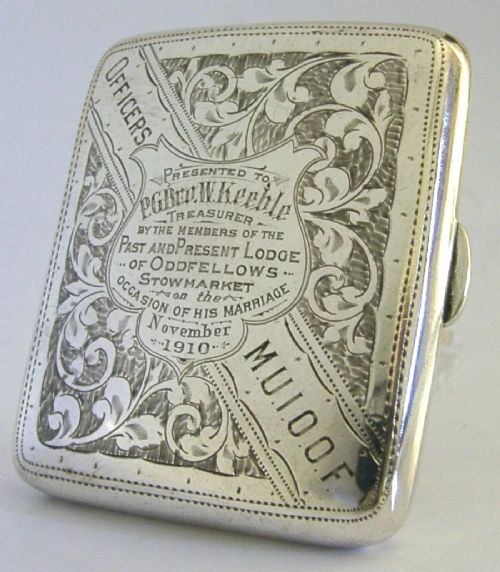
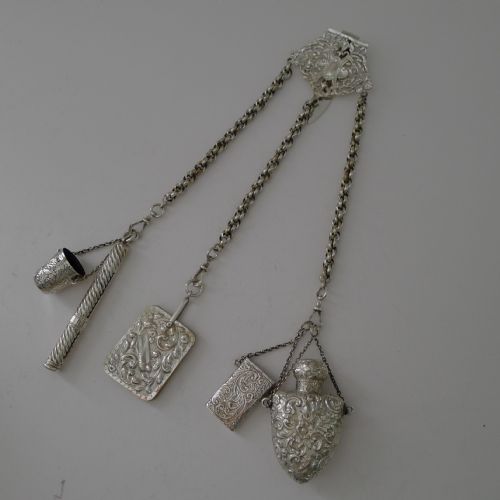
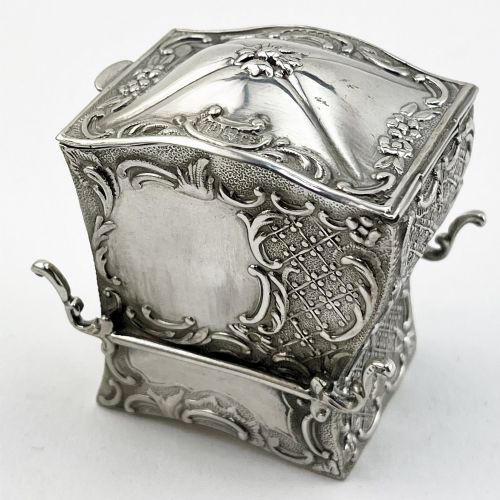
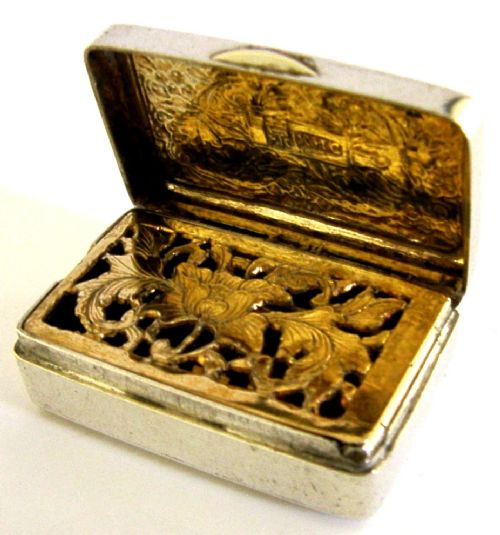
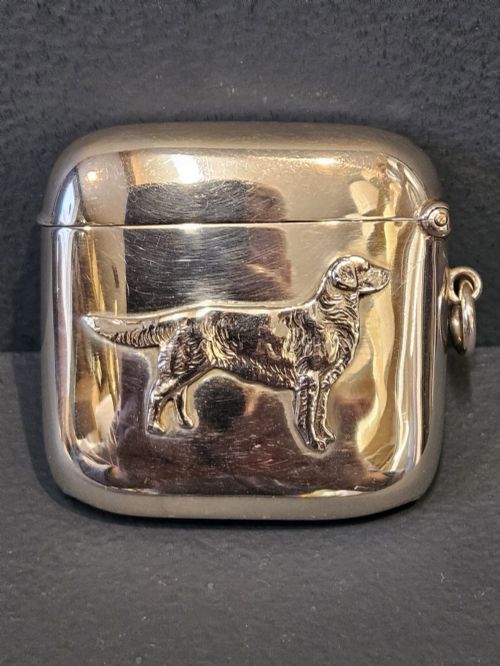
An antique sterling case encompasses small personal containers formed in solid silver, including vesta cases, sovereign holders, card cases, snuff boxes, and etuis designed for daily carriage. These items emerged across the nineteenth and twentieth centuries in styles spanning Late Victorian, Edwardian, and geometric Art Deco designs.
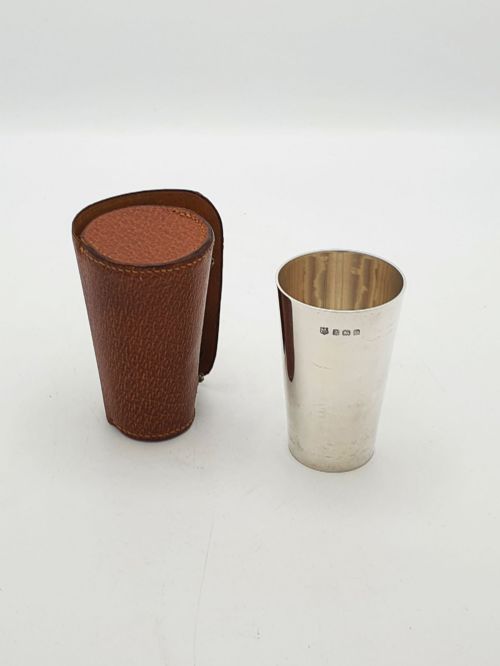
Most examples encountered on this page date from the late Victorian period through the nineteen-thirties, reflecting the high output of British silversmiths in cities like Birmingham, Sheffield, and London. Alongside pocket versions for matches and coins, the selection includes travel beaker sets and vanity boxes lined with velvet, satin, or silk.
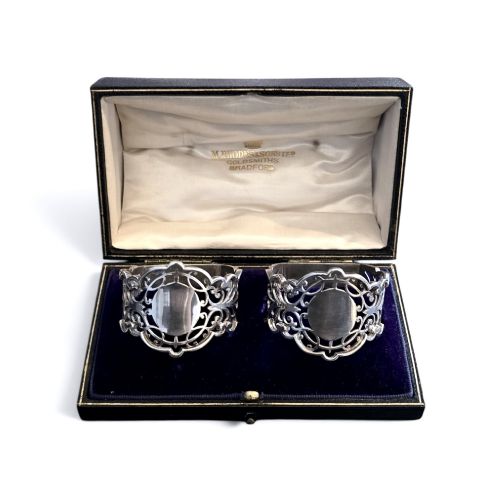
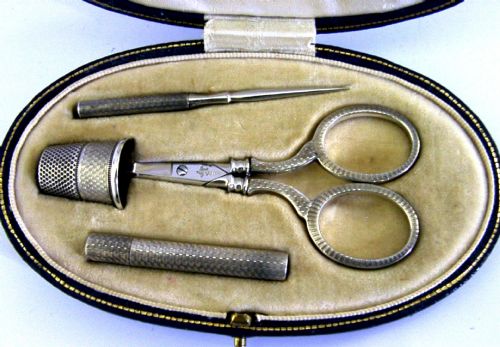
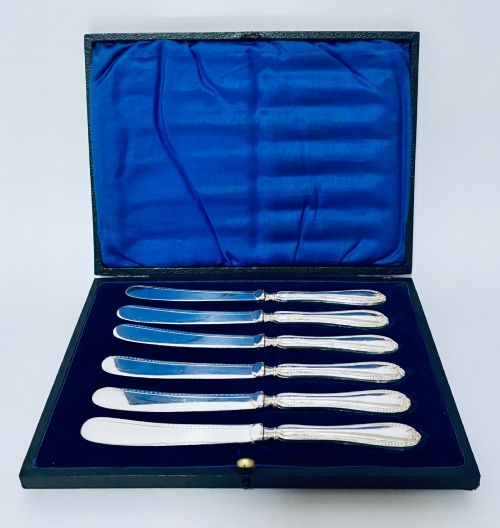
Makers often integrated compartments or spring-loaded lids to hold specific items such as banknotes, stamps, or sewing implements securely while travelling. The presence of original fitted leatherette or leather outer cases frequently accompanies these survival pieces, indicating their status as valued personal possessions.
How they were made
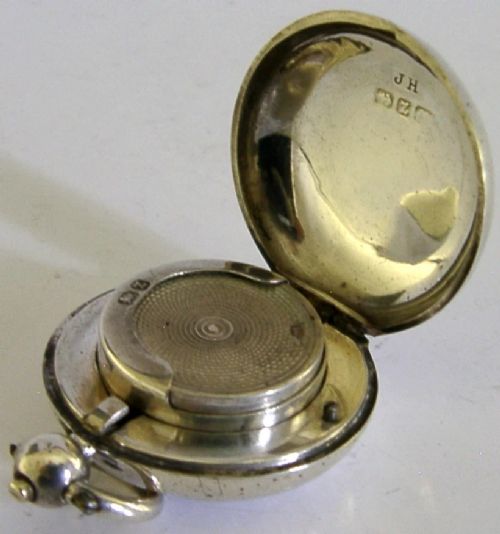
Silversmiths constructed these pieces primarily from solid sterling silver, often shaping the body through stamping, pressing, or hand-beating sheet metal over steel stakes. Hallmarks stamped directly into the metal record the assay office, city, and date letter of manufacture.
Internal components relied on hinged joints, tension springs, and secure clasps to withstand frequent opening in pockets or handbags. Many designs incorporate interior linings of silk, velvet, satin, or leather to cushion fragile contents like pocket watches or sewing needles.
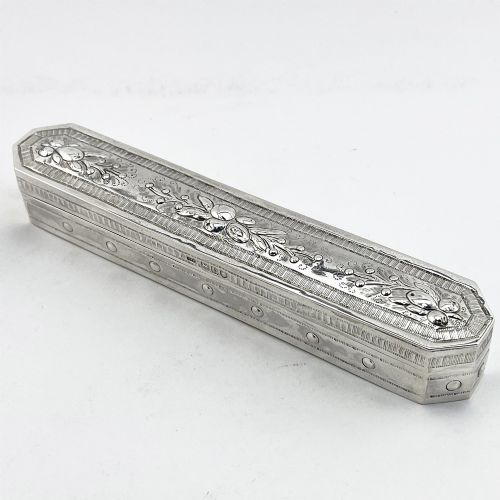
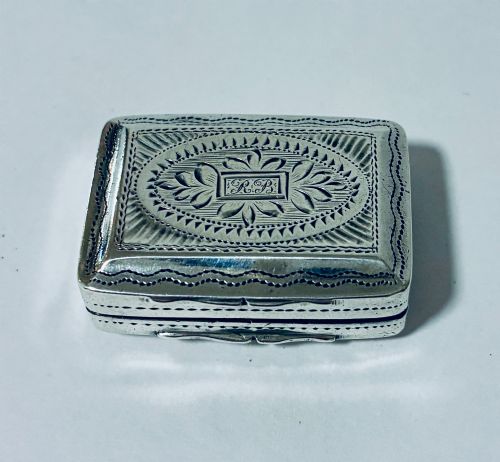
Surface ornamentation involved engine-turned geometric patterns, hand engraving, or applied enamel details fused directly to the silver base. Certain items combined silver with alternative textures, such as crocodile skin or gilt washes known as silver-gilt.
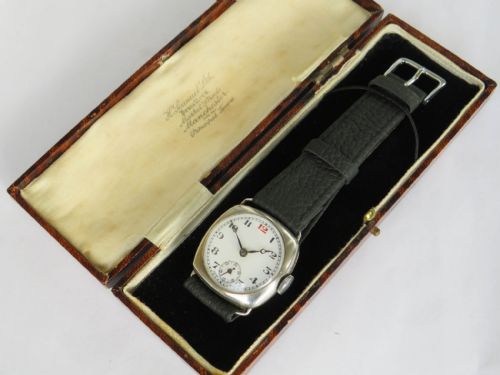
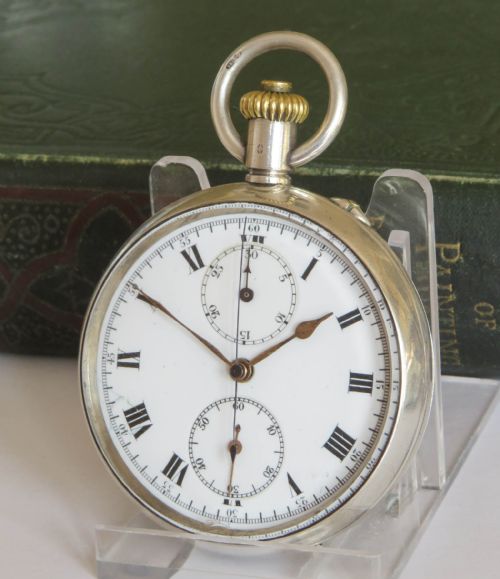
Listings feature Victorian, Edwardian, and Art Deco pieces in sterling silver, leather, enamel, and velvet.
What varies in quality
Quality rests in the weight of the silver gauge and the crispness of the chased or engraved decoration, where thicker metal resists everyday dents and preserves sharper lines. Superior pieces retain the original integrity of their hinges and snap firmly shut without slack.
The sophistication of the maker's mark and the presence of specialised internal fittings distinguish finer works from standard commercial production. Fitted cases featuring intact silk linings and original hinged leather outer boxes add another layer of craftsmanship.
Artistic collaboration elevates certain examples, particularly where coloured enamel, specialist motifs like animals, or work by noted design houses is present. The clarity and completeness of the full hallmarks provide immediate evidence of original standards.
Martin Hall And Co·William Comyns And Sons·Deakin And Francis·Aaron Lufkin Dennison·Henry Wilkinson·Levi And Salaman
The Antique Sterling Case Glossary
- Sterling silver
- An alloy consisting of ninety-two point five percent silver and seven point five percent other metals, usually copper, chosen for durability.
- Vesta case
- A small pocket container designed to hold matches, usually fitted with a striking stripe on the base.
- Sovereign case
- A circular pocket holder engineered to store gold sovereign coins securely on a spring-loaded mechanism.
- Etui
- A small ornamental case used for holding needles, scissors, and other sewing or writing implements.
- Silver-gilt
- Sterling silver that has been coated with a thin layer of gold on its surface.
- Hallmark
- A series of official marks stamped onto precious metal items to guarantee their standard of purity and origin.
Antique Sterling Case: Frequently Asked Questions
How do I clean my antique sterling case?
Use a soft microfibre cloth designed for precious metals to remove surface tarnish gently without abrasive polishes.
Avoid liquid dips on pieces with enamel, velvet linings, or leather components, as moisture damages these delicate materials.
Are these cases safe to carry in a pocket?
Most pieces were built precisely for pocket or handbag carriage during the Victorian and Edwardian periods.
Check that the spring latch closes firmly and securely before carrying valuable contents like coins or matches.
What do the different hallmark symbols mean?
British hallmarks typically include a maker's mark, a purity standard mark like the lion passant, an assay office symbol, and a date letter.
Reference tables help decode the specific letter to determine the exact year the silver was tested and entered the market.
Did these items always come with fitted boxes?
Many fine presentation pieces were sold in custom leatherette or leather cases lined with silk or velvet to protect the silver.
Survival of these original fitted boxes enhances the historical context of the piece but was not standard for every daily-use item.