


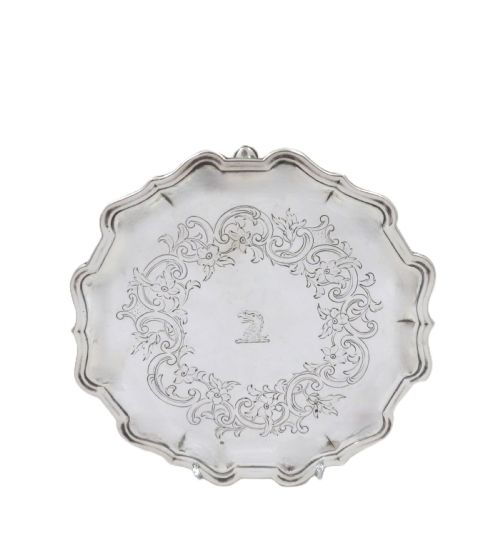


Antique Sterling Card Tray
These antique sterling card tray examples range from Georgian armorial pieces to Edwardian repoussé, offering a refined way to hold visiting cards or small trinkets.
Antique Sterling Card Tray
An antique sterling card tray is a small, portable metal plate designed to hold calling cards, resting on short feet or a flat base. The examples on this page span several centuries, with Georgian pieces sharing space with Victorian and Edwardian items.
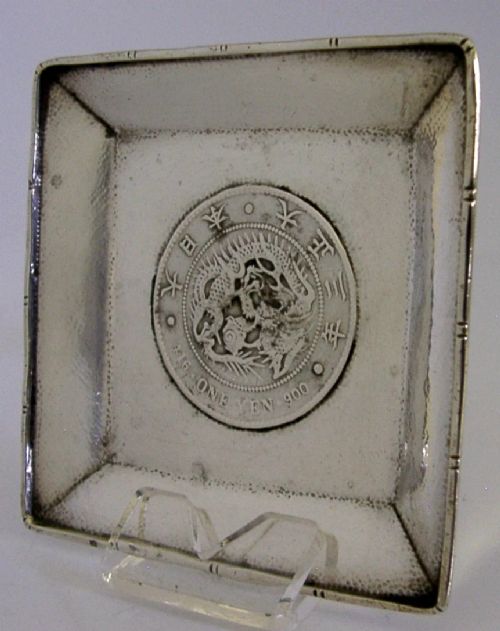
The form crosses paths with salvers, pin dishes, and small bowls. Georgian and Victorian workshops produced many of these items in solid sterling silver, while other variations include Chinese export pieces and guilloche enamel items from the early twentieth century.
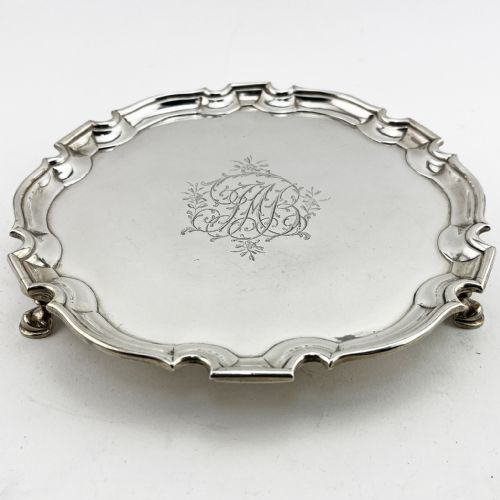
You will encounter pieces bearing heraldic crests alongside floral repoussé designs. The selection brings together British, Irish, European, and American makers in various regional styles.
How they were made
Silversmiths formed these trays primarily from sterling silver, shaping metal sheets by hand or utilising early mechanical presses for standard forms. Enamel found application on specific European pieces from the twentieth century.
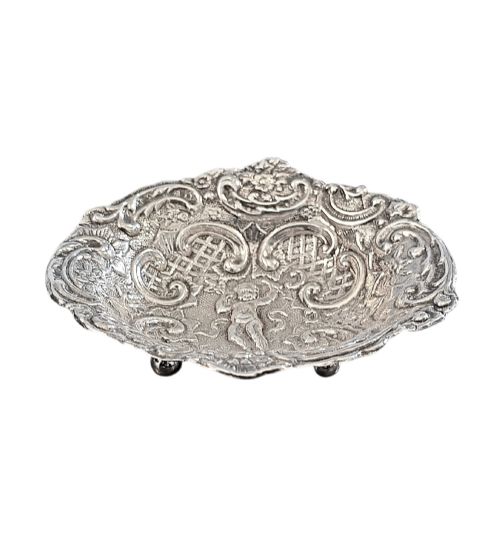
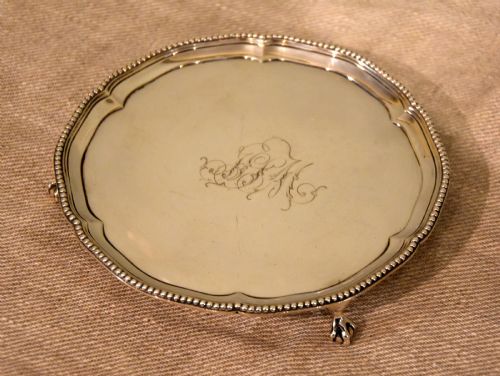
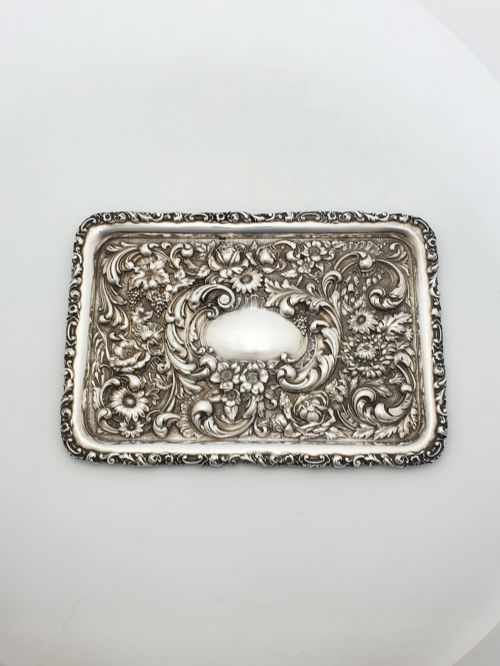
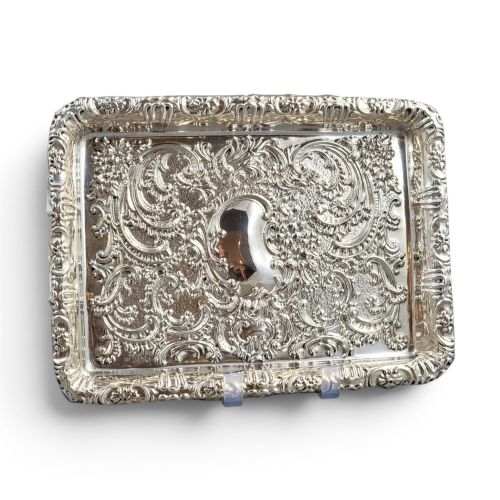
Decoration relied heavily on repoussé and chasing, where artisans hammered the metal from behind to raise floral and scroll patterns on the surface. Engraving techniques supplied armorial crests and personal ciphers.
Antique Sterling Card Tray Retail Price Guide 2026
Typical asking prices for sterling card tray among the pieces listed under this phrase on Sellingantiques today, from the lower quarter to the upper quarter. They describe what is for sale here now, not the wider market.
Listings feature items spanning the 18th century through the Edwardian period, executed in sterling silver, metal, and enamel.
What varies in quality
Quality rests on the crispness of the chased decoration and the weight of the silver used in the body. Trays with deep, hand-hammered floral repoussé display a higher standard of craftsmanship than plain pressed variants.
The clarity of the hallmarks stamped into the metal indicates the care taken during production and helps anchor the piece to a specific year and maker. Heraldic crests hand-engraved with fine detail elevate the distinction of the object.
Robert Abercromby·Robert Pringle & Sons·Tiffany & Co·Charles Boyton
The Antique Sterling Card Tray Glossary
- Repoussé
- A metalworking technique where the artisan hammers a pattern from the reverse side to create raised relief work on the front. This method defines the surface of many Edwardian trays.
- Hallmark
- A series of official marks stamped onto precious metals to guarantee the purity, origin, and year of manufacture. These stamps help identify London silversmiths and provincial makers.
- Salver
- A flat metal tray used for serving or presenting items, closely related in form to the smaller card tray. Larger examples often feature substantial cast feet.
- Armorial crest
- A heraldic design engraved onto the surface of the silver to denote a family lineage. Trays bearing these crests often originated as bespoke commissions.
- Guilloche enamel
- A decorative technique where transparent enamel covers a mechanically engraved metal background. This style appears on European items from the early twentieth century.
Antique Sterling Card Tray: Frequently Asked Questions
What is an antique sterling card tray?
An antique sterling card tray is a small silver salver or dish historically used in grand houses for holding visiting cards left by callers. These pieces were left in the hall to receive the names of guests.
Today, they serve as decorative items on a desk or dressing table, suitable for holding rings, cufflinks, or small trinkets.
How can I date my card tray?
Dating relies heavily on the hallmarks struck into the silver, which record the assay office, year letter, and maker's mark. These tiny stamped symbols provide a precise year or reign for British pieces.
Stylistic cues such as Georgian borders or Edwardian repoussé floral motifs also help narrow down the period of manufacture when marks are worn.
How do I care for antique silver?
Antique silver requires gentle cleaning with a soft cloth and proprietary silver polish formulated specifically for antiques. Regular, light dusting prevents tarnish from building up in the recessed areas of repoussé patterns.
Avoiding harsh abrasives ensures the preservation of the original hand-chased details and engraved crests over time.