



Antique Sterling Bookmark
These antique sterling bookmarks are solid silver page markers from the Victorian, Edwardian and early twentieth-century eras that bring a refined touch to reading.
Antique Sterling Bookmark
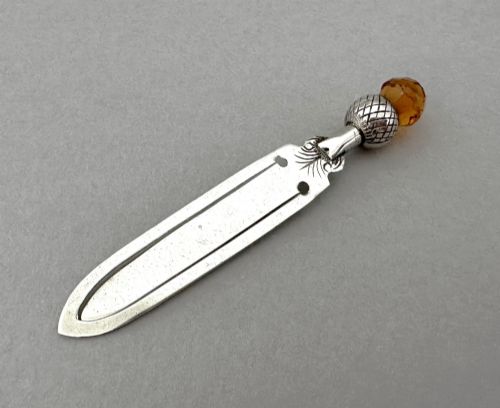
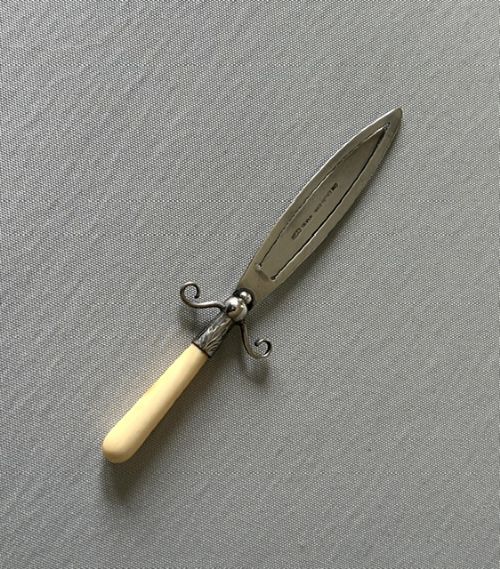
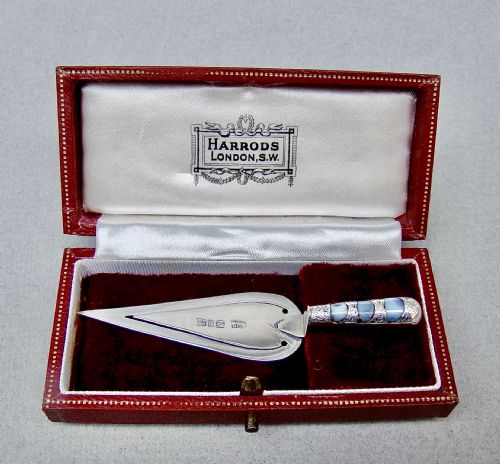
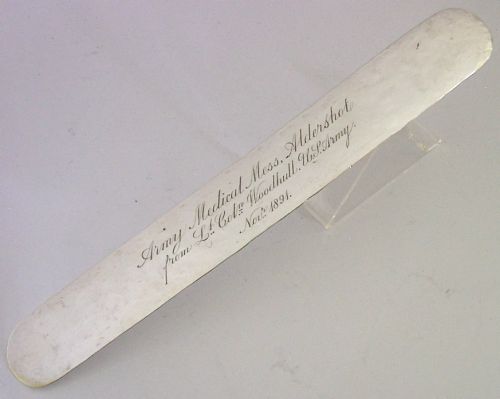
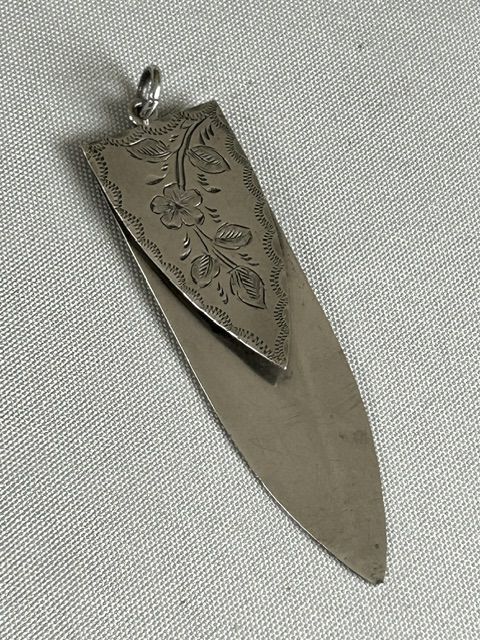
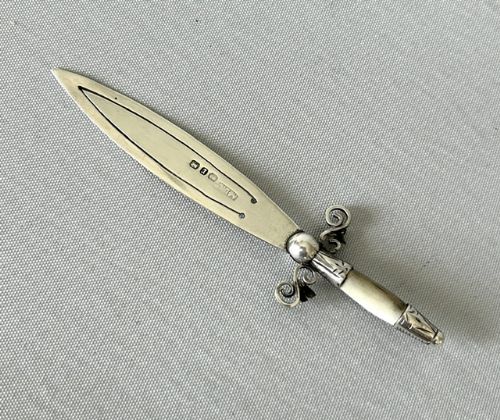
When you search for an antique sterling bookmark, you encounter solid silver pieces that date from the late nineteenth century through to the nineteen-twenties. These small desk accessories take various forms, including trowels, daggers and novelty shapes such as teddy bears.
These items served both practical reading purposes and decorative desk functions. From military memorabilia page turners to advertising pieces and Isle of Man souvenirs, they reflect the varied social history of their time.
How they were made
Silversmiths shaped these bookmarks using traditional methods of stamping, piercing and engraving sheet silver. Workshops in Birmingham applied detailed surface patterns, ranging from delicate foliate scrollwork to architectural trowel faces.
Makers combined sterling silver with organic and mineral materials like mother-of-pearl blades and banded agate handles. These contrasting elements were securely pinned or mounted to the silver shafts to create durable daily reading tools.
Antique Sterling Bookmark Retail Price Guide 2026
Typical asking prices for sterling bookmark among the pieces listed under this phrase on Sellingantiques today, from the lower quarter to the upper quarter. They describe what is for sale here now, not the wider market.
Listings feature sterling silver, mother-of-pearl, and banded agate across Victorian, Edwardian, and Art Deco styles.
What varies in quality
Quality rests upon the crispness of the hallmark stamps and the depth of the hand engraving on the silver surface. Sharp, legible maker marks and well-defined floral or geometric motifs distinguish finer examples from plain production.
The choice and integrity of the secondary materials also dictate standard, particularly where mother-of-pearl or banded agate meets the silver. Secure settings and undamaged mineral stones elevate a piece above standard utility items.
Crisford & Norris·Adie & Lovekin
The Antique Sterling Bookmark Glossary
- Sterling silver
- A standard of silver alloy consisting of ninety-two point five percent silver by mass, with the remainder being other metals, usually copper. This durable composition was standard for quality desk accessories.
- Hallmark
- An official mark stamped on items made of precious metals in the United Kingdom to certify their purity. These marks typically include a maker's mark, assay office stamp, and date letter.
- Page turner
- A long, flat desk accessory designed for separating uncut pages in books or holding a place. They frequently share materials and design motifs with smaller bookmarks.
- Trowel bookmark
- A novelty bookmark shaped like a miniature garden or masonry trowel. This was a popular Victorian and Edwardian form, often engraved with commemorative dates or floral patterns.
- Banded agate
- A variety of chalcedony quartz featuring distinct parallel natural colour bands. Silversmiths used polished sections of this stone for decorative bookmark handles.
Antique Sterling Bookmark: Frequently Asked Questions
What periods do these bookmarks come from?
The pieces span the late Victorian, Edwardian and early twentieth-century periods, specifically covering dates from the eighteen-eighties through to the nineteen-twenties.
This era represents a high point for novelty silver desk accessories and small commemorative gift items.
How were these bookmarks used originally?
Readers placed them between the pages of books to hold their place without damaging the paper bindings. Many were also given as keepsakes, souvenirs or advertising items.
Their sturdy silver construction meant they survived decades of daily use in heavy volumes and ledgers.
Are all these bookmarks made of solid silver?
The listings feature sterling silver components, often combined with natural materials like mother-of-pearl and banded agate. Hallmarks stamped directly onto the metal confirm the silver standard.
Makers utilised these mixed media combinations to provide textural contrast against the polished silver.
What novelty designs exist in this selection?
Designs include miniature trowels, dagger forms, and figural pieces such as teddy bears. Some incorporate specific regional themes like Isle of Man souvenirs or military memorabilia.
These varied shapes reflect the Victorian and Edwardian taste for whimsical and decorative stationery items.