







Antique Steel Furniture
Antique steel furniture brings robust utility and industrial character into modern interiors, offering enduring metal construction forged in earlier centuries.
Antique Steel Furniture
When you search for antique steel furniture, you encounter a diverse selection of utilitarian metal pieces spanning the Georgian period through the early twentieth century. These items range from domestic hearth accessories to industrial storage cabinets and garden tables.
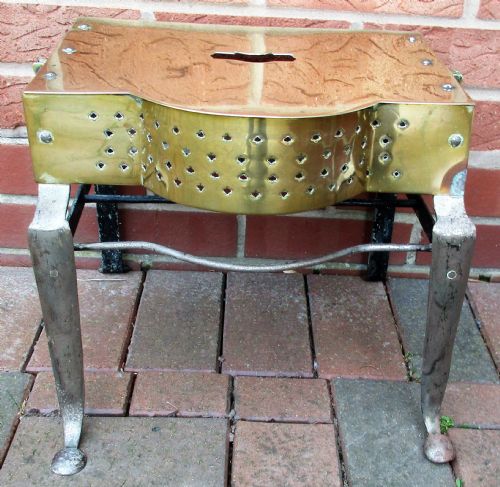
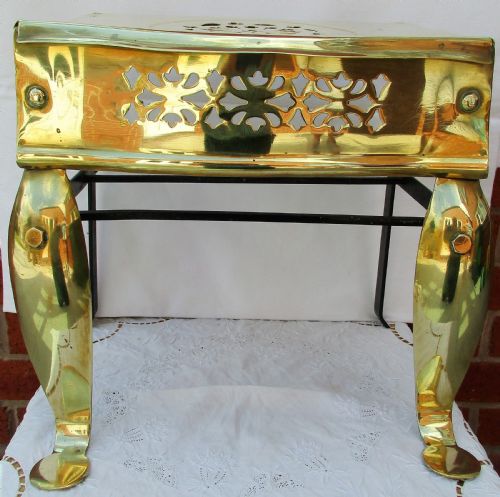
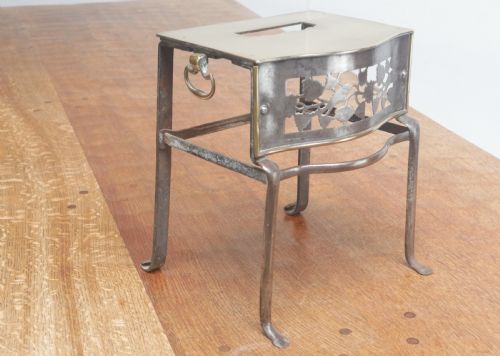
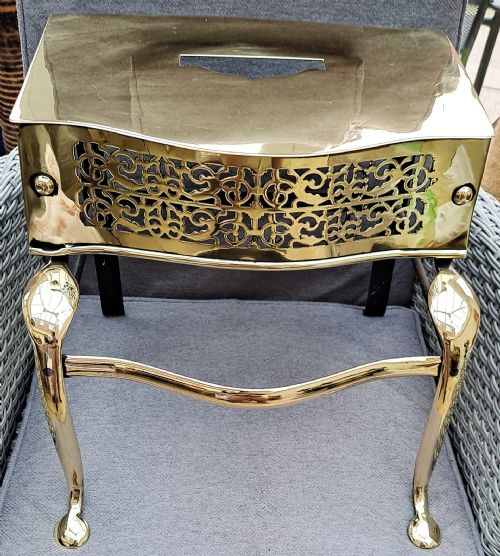
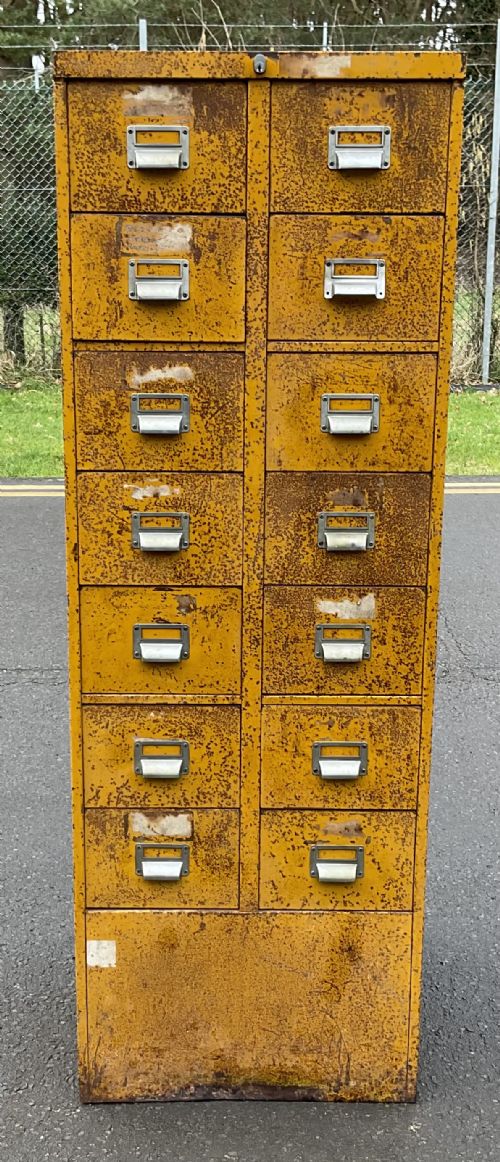
The most common examples on this page are footmen, which combine brass and steel to serve hearth and fireplace functions. Alongside these domestic items, industrial pieces such as filing cabinets, engineers' cabinets, and bakers' racks represent the heavier utilitarian side of the category.
Origins stretch across English and French workshops, utilising periods like the nineteenth century, eighteen-fifty, nineteen hundred, and the nineteen-twenties. Forms vary significantly from domestic brass and steel footmen to utilitarian bakers' racks and garden tables with steel tops.
How these pieces were made
Construction relies heavily on steel, iron, and wrought iron, often paired with brass elements and occasionally supported by walnut components or sheet metal. Blacksmiths and metalworkers shaped these materials through forging and joining techniques suited to heavy daily use.
Industrial storage items and bakers' racks incorporate sheet metal and wrought iron frames, retaining original paint remnants from their working lives. Hearth pieces like footmen integrate polished brass plates with sturdy steel legs and handles.
Antique Steel Furniture Retail Price Guide 2026
Typical asking prices for steel furniture among the pieces listed under this phrase on Sellingantiques today, from the lower quarter to the upper quarter. They describe what is for sale here now, not the wider market.
Materials recorded across the inventory include steel, brass, wrought iron, iron, walnut, cast iron, and sheet metal.
What varies in quality
Quality rests upon the integrity of the original metalwork, the retention of authentic surface finishes, and the balance between decorative brass and structural steel. Pieces that preserve their initial patination and working hardware stand apart from heavily restored alternatives.
The sophistication of the joinery and the clarity of period construction marks distinguish standard utility items from finer examples produced by skilled metalworkers. Preservation of original paint remnants on industrial items adds significant character to the physical object.
The Antique Steel Furniture Glossary
- Footman
- A metal stand placed by a hearth to keep food warm or support utensils. These typically feature a steel frame paired with a brass top.
- Wrought iron
- Iron that has been heated and shaped with tools by a blacksmith. This material offers high tensile strength and distinct surface texture.
- Industrial cabinet
- Heavy-duty storage furniture built for workshops or offices. These pieces often utilise sheet metal and iron to withstand rigorous commercial environments.
- Bakers rack
- Tall metal shelving units originally utilised in French bakeries for cooling bread. They combine open metal framing with tiered storage.
- Patina
- The surface alteration and mellowing acquired by metal and wood over decades of use. It serves as an indicator of genuine age and history.
Antique Steel Furniture: Frequently Asked Questions
What is an antique steel footman?
A footman is a small metal stand traditionally placed in front of a fireplace. It combines a polished brass top with sturdy steel legs to hold kettles or keep dishes warm.
These accessories date back to the Georgian and Victorian eras, serving both practical heating purposes and decorative domestic roles.
How do I identify French industrial cabinets?
French industrial cabinets from the early twentieth century are characterised by robust sheet metal construction and utilitarian forms. They frequently retain original paint remnants from their workshop origins.
Unlike domestic furniture, these storage pieces prioritised durability and function above refined interior decoration.
Where were bakers racks used?
Bakers racks originated in France as functional furniture for cooling freshly baked loaves of bread. Their open metal framework allowed air circulation around the shelves.
Today, these tall metal structures transition easily into domestic kitchens and living spaces for open storage.
Are garden tables made entirely of steel?
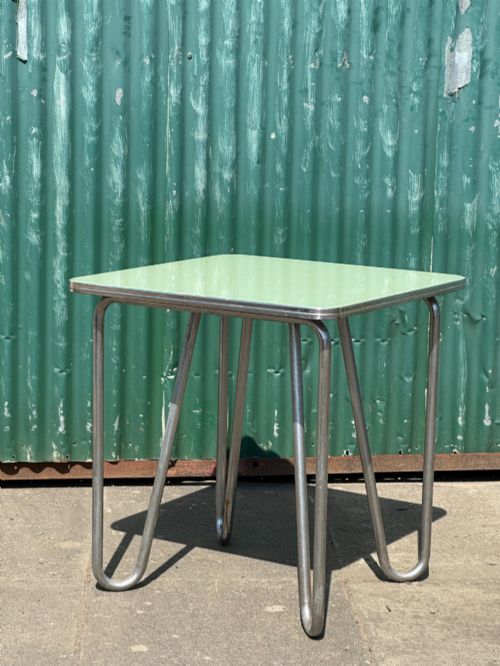
Garden tables from the turn of the twentieth century often feature robust steel tops supported by sturdy iron frames. This combination allowed them to withstand outdoor exposure.
Over the decades, the metal develops a weathered surface that reflects its historic use in gardens.