


Antique Star Jewellery
Antique star jewellery brings together diamond, pearl and gold in celestial motifs from the Victorian and Edwardian eras.
Antique Star Jewellery
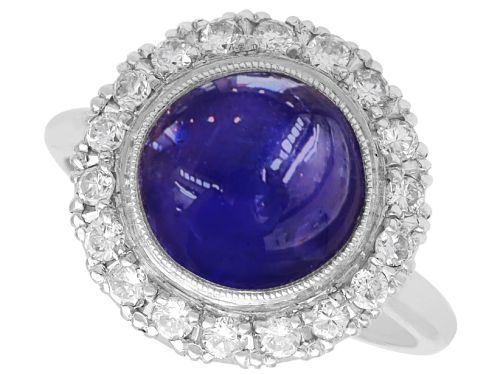
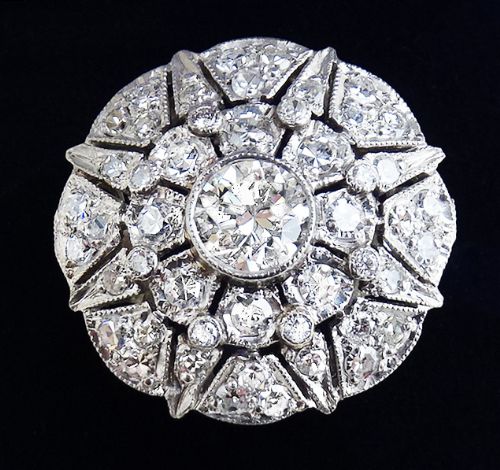
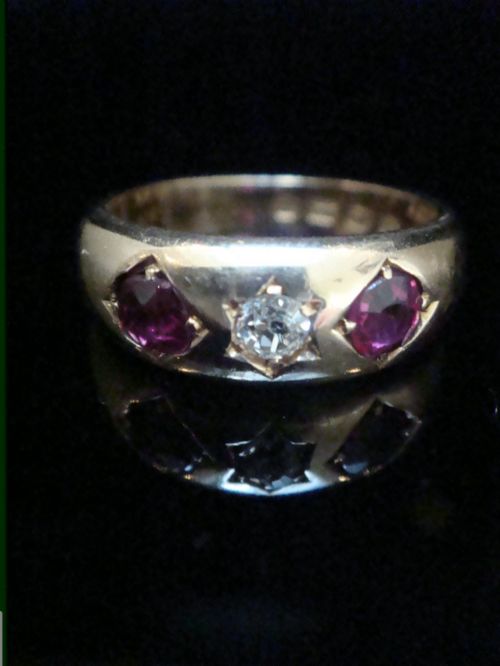
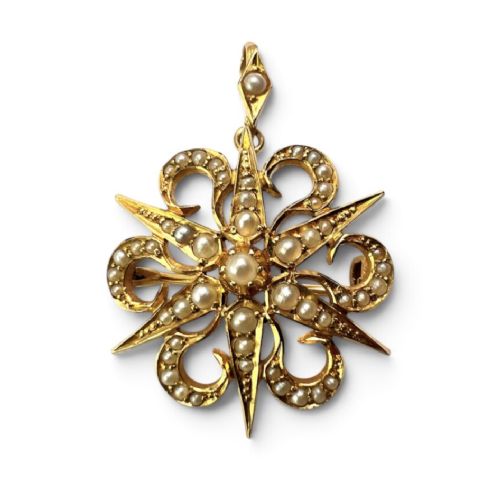
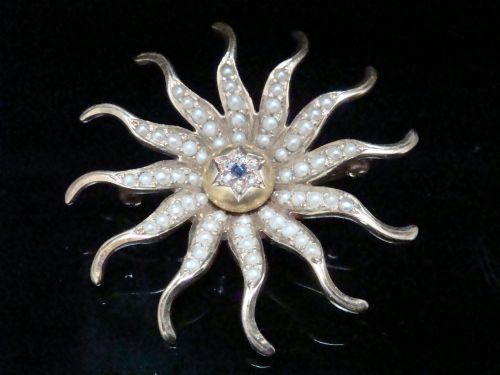
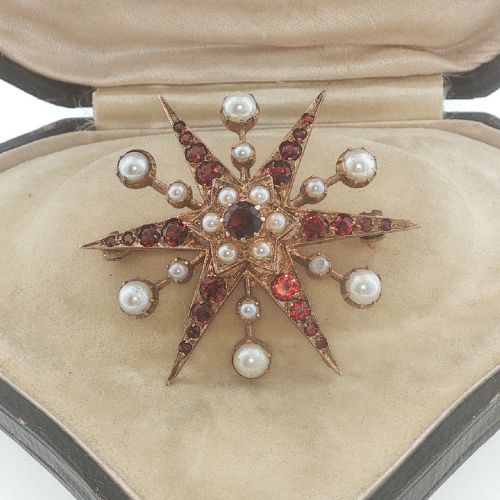
Antique star jewellery encompasses rings, pendants, brooches and bracelets shaped around celestial motifs. These pieces span the Victorian and Edwardian periods, appearing frequently as rings, sunburst pendants and star-set brooches.
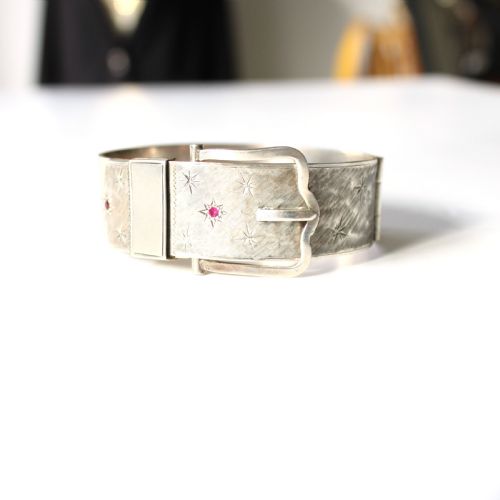
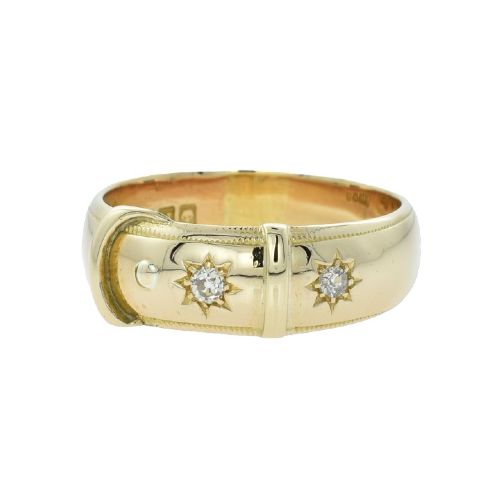
Makers utilised gold in various carat weights alongside silver to mount diamonds, rubies, garnets and pearls. The forms range from gypsy rings and buckle rings to elaborate ribbon slider bracelets and drop necklaces.
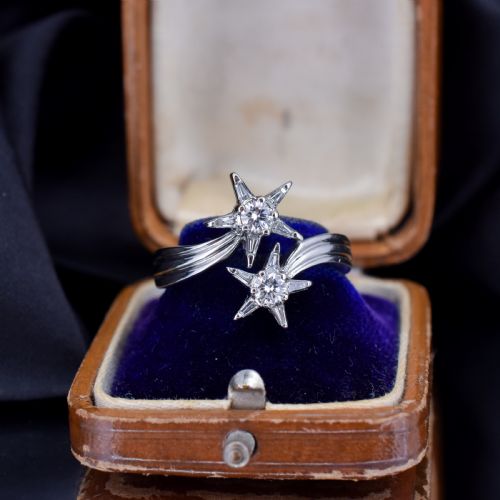
The celestial theme remains central to these designs, drawing on nineteenth-century romanticism and scientific curiosity about the cosmos. Collectors encounter variations from simple star-set gypsy bands to large cluster pendants set with rose-cut diamonds.
How they were made
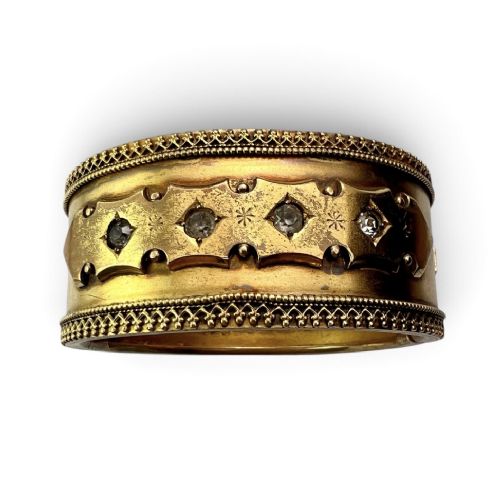
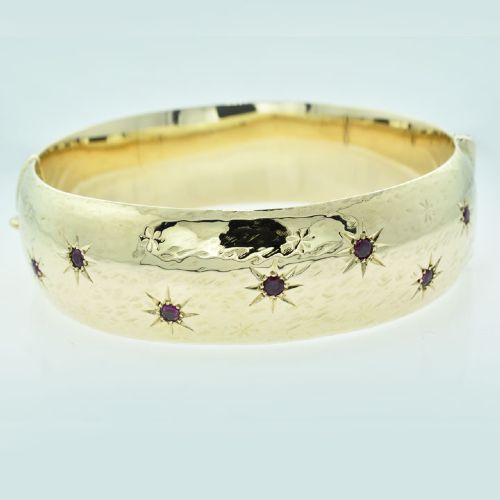
Goldsmiths worked with 9ct, 14ct, 15ct and 18ct yellow gold, as well as silver settings designed to reflect light through diamonds and paste stones. Metal was cast, hand-hammered and chased to form bands, chains and articulated pendant mounts.
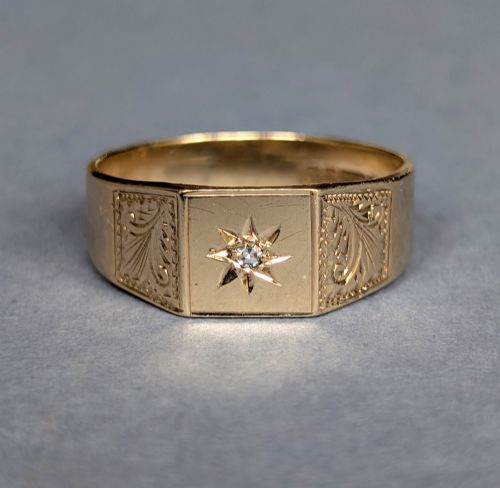
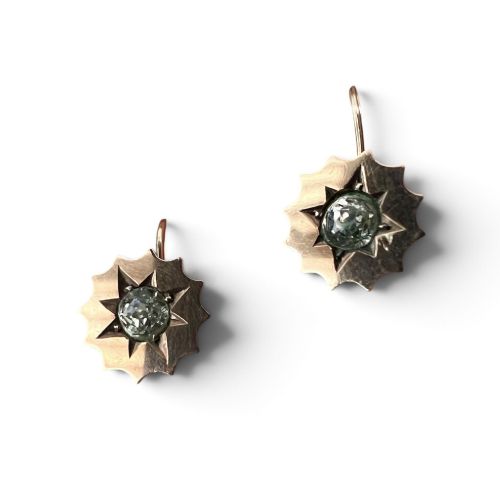
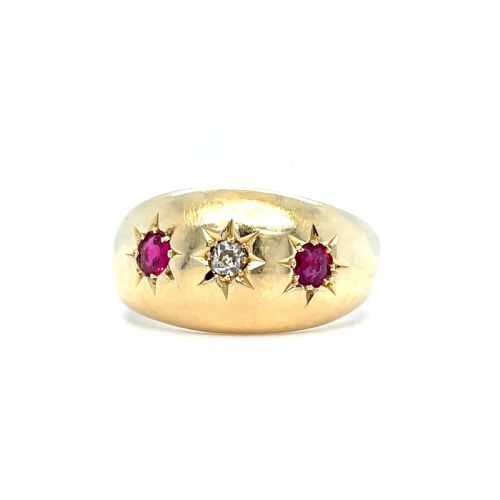
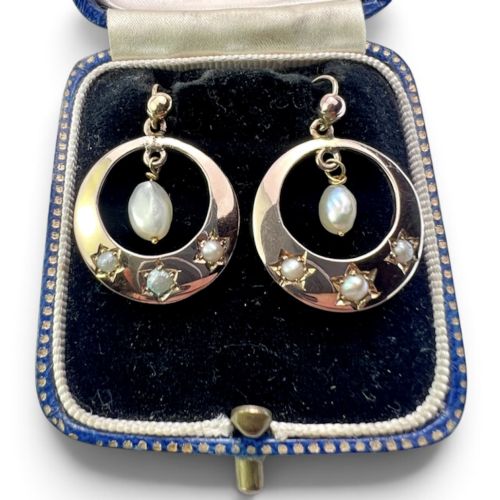
Gemstones including old-cut and rose-cut diamonds, rubies, garnets, peridots and seed pearls were secured using star-setting techniques, flush settings or claw mounts. Hand engraving and chased details added texture to the gold surfaces surrounding the central stones.
Antique Star Jewellery Retail Price Guide 2026
Typical asking prices for star jewellery among the pieces listed under this phrase on Sellingantiques today, from the lower quarter to the upper quarter. They describe what is for sale here now, not the wider market.
Listings feature 9ct and 18ct gold alongside silver, incorporating diamonds, rubies, garnets and pearls across Victorian and Edwardian forms.
What varies in quality
The standard of antique star jewellery depends on the crispness of the hand engraving and the precision of the star-settings holding the central stones. Finer examples display symmetrical points radiating cleanly from well-matched old-cut diamonds or natural pearls without distortion in the surrounding gold.
Material selection divides the range, distinguishing solid high-carat gold and natural untreated rubies or diamonds from lower-carat mounts and paste substitutions. The structural integrity of delicate elements like rays, chains and clasp mechanisms also dictates the overall standard.
The Antique Star Jewellery Glossary
- Star-setting
- A specific mounting technique where small V-shaped incisions are hammered into the surrounding metal around a gemstone to create the illusion of radiating star points.
- Gypsy ring
- A ring style featuring stones flush-set directly into a thick, tapered gold band, popular during the late nineteenth century.
- Old-cut diamond
- A hand-faceted diamond predating modern brilliant-cut geometry, characterised by a smaller table, higher crown and larger culet.
- Rose-cut diamond
- A stone featuring a flat base and a domed crown covered in triangular facets, designed to catch candlelight rather than electric illumination.
- Paste
- Hand-cut glass used historically as a substitute for gemstones, valued for its clarity and deliberate shaping rather than deception.
Antique Star Jewellery: Frequently Asked Questions
What periods do these pieces come from?
The listings span the Victorian and Edwardian eras, alongside pieces from the early twentieth century and the 1920s.
These periods encompass distinct shifts in design, moving from romantic mourning motifs to lighter, brighter Edwardian platinum and gold work.
How were star motifs used in jewellery?
Celestial designs appeared across rings, brooches, pendants and bangles, often symbolising guidance, hope or the night sky.
Craftsmen arranged gemstones to form single starbursts, crescent moons paired with stars, or constellation patterns on lockets and signet rings.
How do I care for antique gemstone jewellery?
These pieces require gentle handling due to their age and the delicate nature of claw or star settings.
Avoid chemical cleaners, ultrasonic baths and immersion in water, particularly for pearl and foil-backed pieces, opting instead for a soft dry cloth.