



Antique Standard Candlestick
An antique standard candlestick brings immediate vertical presence and warm illumination to a room, offering both decorative dignity and practical candlelight.
Antique Standard Candlestick
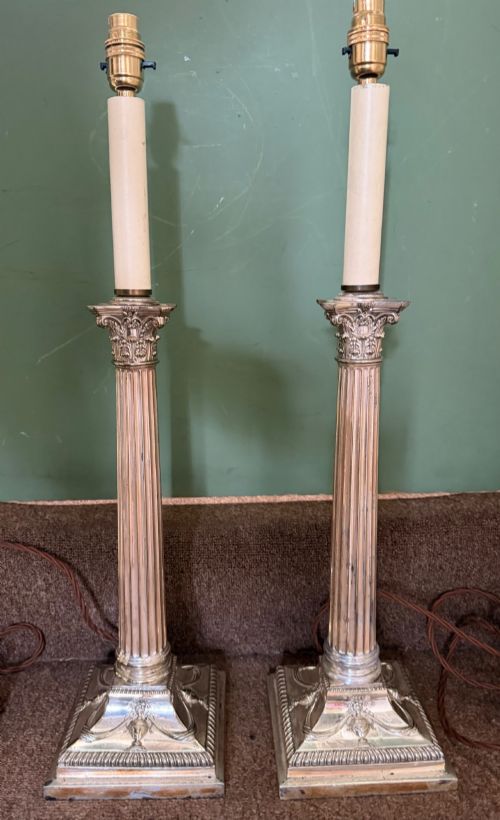
When searching for an antique standard candlestick, buyers encounter tall floor-standing holders, torchères, and standard lamps dating from the eighteenth century through to the early twentieth century. These vertical lighting fixtures range from ecclesiastical church candle holders to domestic floor and table stands.
The selections span several distinct historical periods, including the Victorian era, the nineteenth century, and specific years such as 1820 and 1880. Many pieces show strong regional European characteristics, originating from Spanish, French, and Italian workshops.
The stylistic vocabulary on this page leans heavily into historic revival movements, featuring Gothic Revival, Neoclassical, Rococo Revival, and various Baroque interpretations such as Florentine, Continental, Italianate, and Spanish Baroque.
How they were made
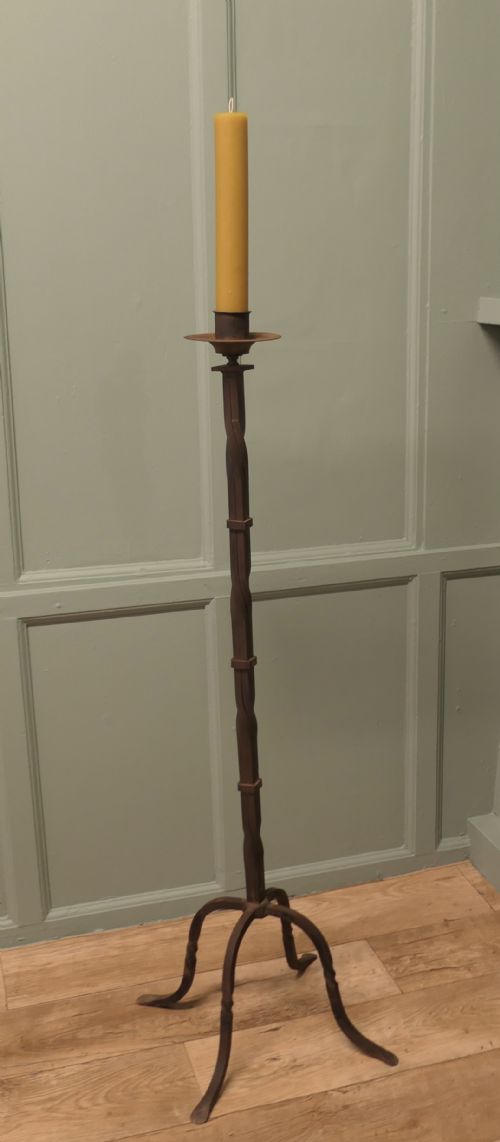
The physical construction of these candlesticks relies on robust materials suited for supporting heavy vertical heights, predominantly utilising forged iron, brass, and solid carved wood. Blacksmith-made wrought iron provides the structural integrity for tall stands, while softer timbers permit intricate carving.
Surface treatments play a vital role in the finish of these objects, incorporating applied gesso beneath rich layers of giltwood, gilt bronze, and gold leaf. Other examples employ ebonised wood or silvered finishes to achieve distinct decorative effects.
Antique Standard Candlestick Retail Price Guide 2026
Typical asking prices for standard candlestick among the pieces listed under this phrase on Sellingantiques today, from the lower quarter to the upper quarter. They describe what is for sale here now, not the wider market.
The listings on this page span the eighteenth century, the Victorian era, and the early twentieth century up to 1920.
What varies in quality
Quality reveals itself in the depth and hand-carving precision of the woodwork and the architectural proportion of the standard shaft. Pieces displaying crisp detail in giltwood and carved wood demonstrate superior craftsmanship compared to simpler utilitarian iron stands.
The integrity of the original surface finish, whether aged gilding, silvering, or ebonised wood, dictates the visual merit of the piece. Authentic patination developed over centuries separates genuinely old standards from later decorative adaptations.
The Antique Standard Candlestick Glossary
- Torchère
- A tall ornamental stand or candlestick designed to carry a single light or candle. These pieces often feature slender vertical shafts raised on tripod or weighted bases.
- Giltwood
- Wood that has been prepared with gesso and coated with gold leaf or metallic powder. This technique creates a luminous, reflective surface popular in Baroque and Neoclassical design.
- Gesso
- A plaster-like mixture applied to wood surfaces as a smooth base for gilding or painting. Its application allows artisans to carve fine decorative relief details before applying gold leaf.
- Ebonised wood
- Timber treated with chemical stains or dark finishes to imitate ebony. This dark, formal treatment frequently appears on nineteenth-century decorative items.
- Baroque
- An ornate artistic style prevalent from the seventeenth to the eighteenth century, characterised by drama, rich surface treatment, and exuberant carved scrollwork.
Antique Standard Candlestick: Frequently Asked Questions
How do I date an old candlestick?
Dating these objects involves examining the construction methods, tool marks, and materials used in the core structure. Forged iron components and hand-carved wooden shafts typically indicate earlier craftsmanship.
Stylistic cues such as Baroque scrollwork or Gothic Revival motifs also provide clear indicators of the period in which the piece was produced.
Where were these candlesticks used?
These tall stands were historically utilised in large domestic rooms, grand halls, and ecclesiastical settings such as churches. Their height allowed them to cast light effectively across large spaces.
Floor-standing church candle holders and tall torchères were specifically designed to stand directly on the floor rather than on tables or furniture.
Are these pieces converted to lamps?
Many tall candlesticks and standard lamps listed on the market have undergone conversion to electricity over the course of their long lives. This adaptation allows historic bases to function safely with modern electrical wiring.
Buyers often find standard lamps alongside traditional floor candlesticks that retain their original configurations for holding wax candles.