




Antique Stacking Shelf
An antique stacking shelf is a modular unit of independent tiers designed to protect volumes behind glass, offering flexible storage with timeless utility.
Antique Stacking Shelf
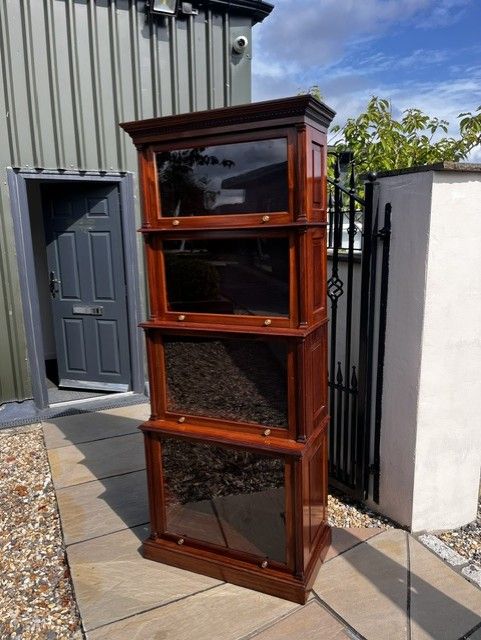
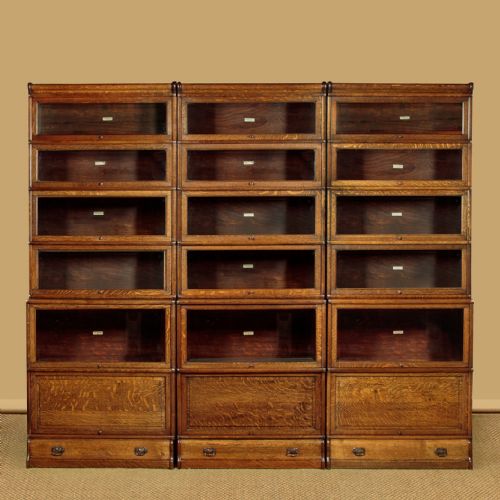
An antique stacking shelf comprises individual modular tiers that lock or rest one upon another, surmounted by a cornice and anchored by a plinth base. These pieces emerged to house growing personal and professional libraries while keeping dust at bay.
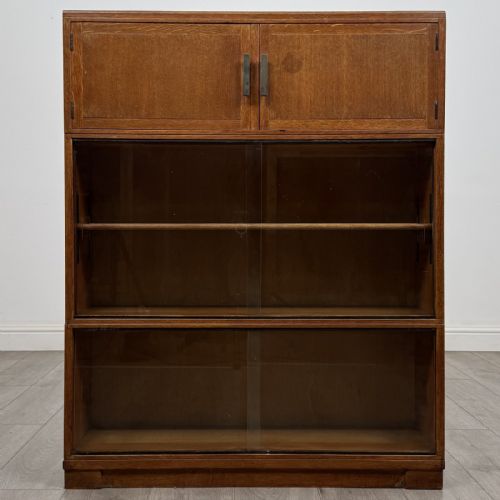
The versions most commonly met on this page span the Edwardian era through the nineteen-thirties, constructed predominantly in oak or mahogany. Forms range from commercial office furniture to refined domestic bookcases with glazed up-and-over doors.
Makers such as Globe Wernicke, Macey, Lebus and Heal's dominate the evidence, showing that utilitarian office designs crossed over into sophisticated domestic interiors. Buyers encounter both tall multi-section units and smaller modular sets intended for limited wall space.
Materials and construction methods
Carpenters built these modular bookcases using solid oak or mahogany frames, integrating brass hardware for the lifting mechanisms that guide the glazed doors. Glass panes are fitted into wooden frames to protect the contents while maintaining visibility.
The defining mechanical feature relies on metal tracks or scissor arms that allow each shelf front to lift and slide smoothly back over the top of the books. This clever engineering ensures that tiers remain independently accessible even when stacked four or five high.
Antique Stacking Shelf Retail Price Guide 2026
Typical asking prices for stacking shelf among the pieces listed under this phrase on Sellingantiques today, from the lower quarter to the upper quarter. They describe what is for sale here now, not the wider market.
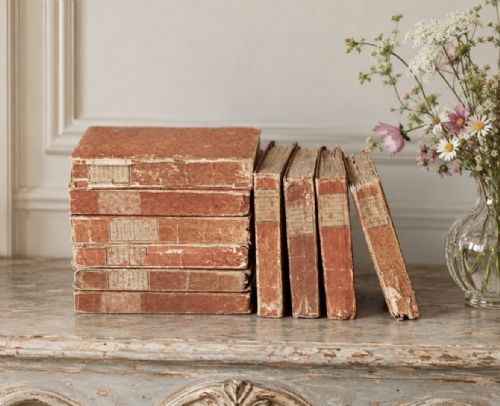
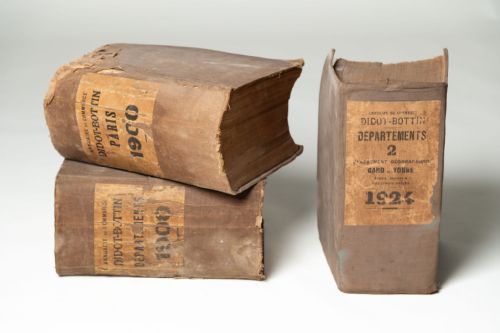
Listings on this site feature oak and mahogany stacking bookcases spanning the Edwardian period through the nineteen-thirties, alongside occasional French books.
Judging the quality of a stacking shelf
Quality rests upon the integrity of the modular mechanism and the selection of timber grain across separate tiers. Superior examples maintain matching grain patterns from the base plinth up to the top cornice, uniting visually distinct boxes into a cohesive whole.
The refinement of the brass hardware and the smoothness of the sliding door action distinguish standard utility office furniture from pieces finished for domestic drawing rooms. Original glass panes and intact makers' stamps further elevate the standing of a particular unit.
Macey·Heal's·Globe Wernicke·Lebus
The Antique Stacking Shelf Glossary
- Sectional bookcase
- A modular bookcase composed of separate stacked tiers that can be separated or rearranged. This design allows the unit to grow as a library expands.
- Barrister bookcase
- A specific type of stacking bookcase fitted with glazed up-and-over doors. The name derives from the utility lawyers found in transporting and housing legal texts.
- Cornice
- The moulded decorative projection that sits at the very top of a stacking bookcase. It caps the uppermost tier to provide a finished architectural profile.
- Plinth
- The solid wooden base block upon which the lowest tier rests. It elevates the books off the floor and distributes the weight of the stacked modules.
- Up-and-over door
- A glazed door suspended on internal metal arms that slide horizontally into the case above the books. This mechanism allows the shelf to be accessed without swinging outward into the room.
Antique Stacking Shelf: Frequently Asked Questions
How do stacking bookshelves work?
Each tier is a separate wooden box with its own glass door and top or bottom joining lips. They simply rest on top of one another without permanent fixings.
The top tier sits under a decorative cornice, while the bottom tier rests on a sturdy plinth base. This modular construction means the entire bookcase can be disassembled easily for moving.
Can you separate the shelves?
Yes, the individual sections lift apart once the cornice is removed. Each tier functions as an independent wooden box.
This design allows owners to reconfigure the height of the bookcase or transport the modules separately. The interlocking lips simply prevent the tiers from sliding apart horizontally.
What wood were they made from?
Most stacking shelves from this period use solid oak or mahogany. Oak was favoured for sturdy office and commercial models, while mahogany appeared in finer domestic pieces.
Hardware components incorporated brass for hinges, knobs and mechanical scissor arms. Glass was standard for the protective front panels.
How do I date a stacking bookcase?
Dating relies on timber selection, hardware patents, and maker stamps pressed into the wood or metal. Edwardian and nineteen-twenties models often feature clear manufacturer labels from firms like Globe Wernicke.
Art Deco examples from the nineteen-thirties display cleaner lines and simpler mouldings. The presence of original paper labels and brass maker plaques helps narrow down the exact decade of manufacture.