



Antique Sporting Fob
These antique sporting fobs are small medals, charms and watch chain attachments recording early athletic pursuits in precious metals and enamel.
Antique Sporting Fob
An antique sporting fob encompasses pocket watch chains, charms, pendants and medals connected to competitive games. These pieces emerge from periods spanning the Victorian era through the Edwardian years and the Art Deco decades.
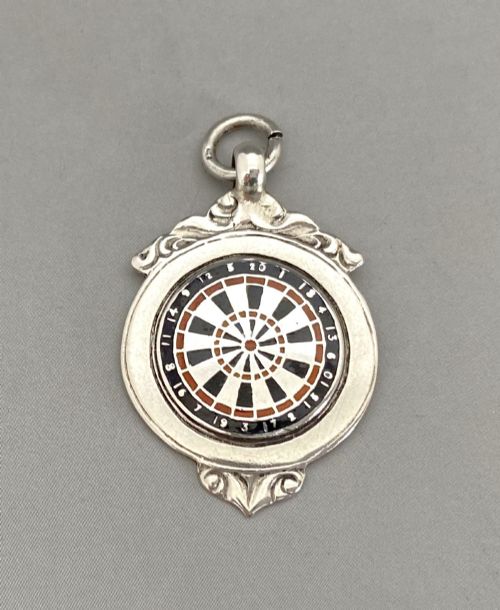
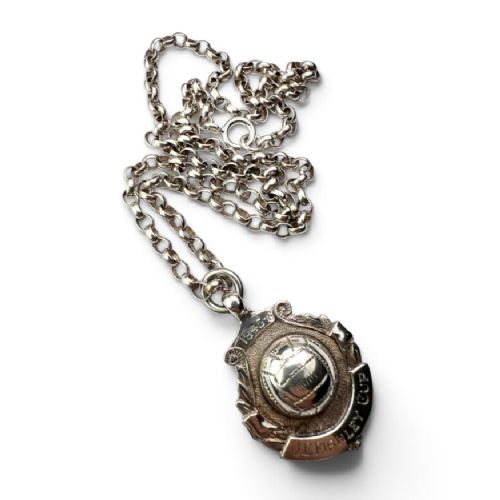
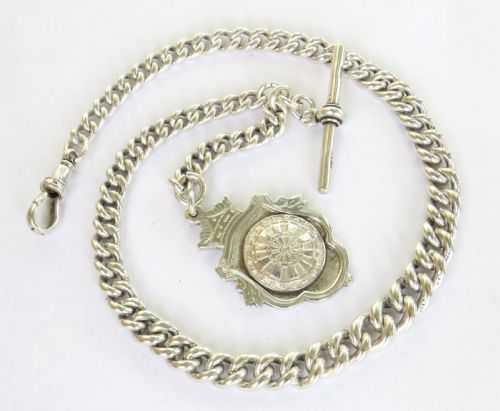
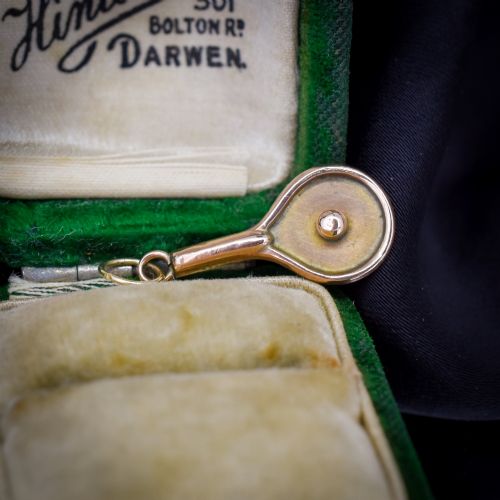
The items here celebrate disciplines such as darts, tennis, football, cricket, curling and cycling. Collectors frequently encounter sterling silver and nine-carat gold pieces, often paired with polychrome enamel detailing.
Makers struck these medals and formed these charms to commemorate specific victories and matches, recording dates from eighteen ninety through the nineteen forties. They serve as tangible records of local club competitions and regional sports leagues.
Materials and construction
Silversmiths and goldsmiths fashioned these items from sterling silver and nine-carat rose gold. Metalworkers utilised stamping and casting techniques to shape intricate sporting motifs such as rackets, darts boards and player figures.
Enamel work frequently provides vivid colour to the centre of medallions and novelty pieces. Engravers then inscribed winning details, dates and club names onto the reverse or front surfaces by hand.
Antique Sporting Fob Retail Price Guide 2026
Typical asking prices for sporting fob among the pieces listed under this phrase on Sellingantiques today, from the lower quarter to the upper quarter. They describe what is for sale here now, not the wider market.
Assessing quality in sports medals and fobs
Quality rests in the crispness of the relief work and the preservation of any applied enamel. Pieces featuring detailed sporting imagery, such as articulated darts boards or realistic player figures, demonstrate higher craftsmanship than plain discs.
The clarity of hallmarks and hand-engraved inscriptions also elevates a piece. Items retaining their original suspension rings and pairing with matching watch chains hold greater integrity within a collection.
The Antique Sporting Fob Glossary
- Fob
- A small medallion or charm attached to a pocket watch ribbon or chain. They were frequently awarded as sporting trophies.
- Sterling silver
- A silver alloy containing ninety-two point five percent pure silver by mass. This material forms the body of many Edwardian and Victorian medals.
- Rose gold
- A gold and copper alloy displaying a distinct reddish hue. Nine-carat rose gold appears frequently in the charms and medals from these decades.
- Medallion
- A large medal shaped like a coin or shield, often worn as a pendant. These items display specific athletic events and dates.
Antique Sporting Fob: Frequently Asked Questions
What is an antique sporting fob?
An antique sporting fob is a small medal, charm or pendant created to celebrate athletic achievements in games like football, tennis and cricket. They were typically worn suspended from pocket watch chains during the Victorian, Edwardian and Art Deco periods.
These pieces often feature hallmarks indicating the metal purity and assay office, alongside engraved dates and club names. They provide a direct link to early competitive sports and local club histories.
How were these pieces worn originally?
Owners attached these fobs to short lengths of chain connected to pocket watches carried in waistcoat pockets. They hung outward as decorative ornaments displaying the wearer's athletic interests or club memberships.
Today, collectors frequently adapt them to modern neck chains as pendants or collect them alongside period watch chains. Their compact scale makes them versatile for contemporary wear.
How do I date an antique fob?
Dating relies heavily on British hallmarks stamped onto the metal, which indicate the exact year of assay. Stylistic markers such as Edwardian scrollwork or geometric Art Deco motifs also help narrow the period.
Many examples carry hand-engraved dates recording the specific sporting tournament or match won. These inscribed dates align closely with the hallmarked year of manufacture.
What materials were used?
Silversmiths and goldsmiths primarily utilised sterling silver and nine-carat rose gold for these athletic awards. Vitreous enamel was frequently added to create colourful representations of targets, club shields or team colours.
Precious metals dominate the surviving examples, reflecting their status as prized competitive trophies. The combination of gold or silver with enamel remains a defining characteristic of the category.